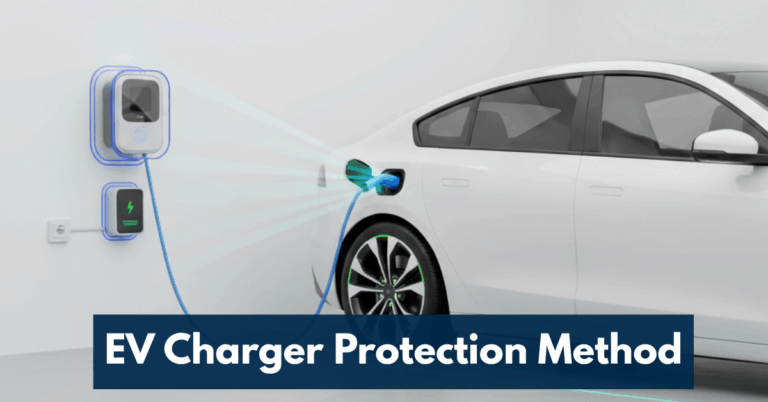
Electric vehicles (EVs) are rapidly becoming the future of transportation, offering eco-friendly alternatives to gas-powered cars. But owning an EV is more than just buying the vehicle—it also requires a reliable charging system at home or in commercial spaces. An EV charger is an essential investment, and just like any valuable equipment, it needs proper protection to last longer and function safely. This is where understanding the EV charger protection method becomes crucial.
At Whitney Services, we not only provide professional electrical services but also guide homeowners and businesses on the best practices to protect their EV charging systems. In this article, we’ll walk you through why EV charger protection matters, the most effective methods, and how you can safeguard your EV investment for years to come.
Why EV Charger Protection Is Important
An EV charger is more than a plug—it’s a sophisticated electrical device that requires a safe environment and proper maintenance. Without protection, EV chargers are vulnerable to:
- Power Surges and Electrical Faults: Lightning strikes, grid instability, or faulty wiring can damage the charger and even the EV’s battery.
- Weather Conditions: Outdoor chargers are exposed to rain, snow, heat, and humidity, which can corrode internal components.
- Physical Damage: Accidental bumps, vehicle impact, or vandalism can compromise the charger’s safety.
- Wear and Tear: Daily usage can lead to cable degradation and loose connections if not maintained properly.
Since an EV charger is a significant investment, protecting it ensures safety, efficiency, and long-term cost savings.
Top EV Charger Protection Methods
To maximize your EV charger’s lifespan, here are the most effective EV charger protection method recommended by experts at Whitney Services.
1. Surge Protection Devices (SPDs)
One of the most important EV charger protection method is installing a surge protection device. Power surges can occur due to storms, grid failures, or sudden voltage spikes. An SPD diverts excess voltage away from the charger, keeping it safe from damage.
- Why it’s necessary: Prevents costly repairs and protects both the charger and the EV battery.
- Best practice: Have a licensed electrician install surge protectors at the main electrical panel for whole-home coverage.
2. Weatherproof Enclosures
If your charger is installed outdoors, investing in a weatherproof enclosure is critical. These enclosures shield the charger from rain, snow, extreme sunlight, and dust.
- Why it’s necessary: Extends the life of the charger by reducing environmental wear and tear.
- Best practice: Choose enclosures with NEMA-rated protection for maximum durability.
3. Ground Fault Circuit Interrupters (GFCIs)
Electrical safety is at the core of EV charging. A GFCI quickly shuts off power if it detects an electrical imbalance, preventing shocks and fire hazards.
- Why it’s necessary: Protects users from electric shock.
- Best practice: Ensure your charger is installed with GFCI protection by a qualified electrician.
4. Proper Cable Management
EV charger cables are often left on the ground, where they can be damaged by vehicles, moisture, or foot traffic. Using a cable management system like retractable reels or wall hooks reduces wear and tear.
- Why it’s necessary: Prevents premature cable damage and keeps charging areas organized.
- Best practice: Always coil cables properly after use and avoid sharp bends.
5. Smart Charging Features
Modern EV chargers often come with smart protection features such as load balancing, temperature monitoring, and automatic shut-off. Using these features helps prevent overheating and ensures energy efficiency.
- Why it’s necessary: Protects against electrical overload and improves charger performance.
- Best practice: Enable app-based monitoring to track charger health and usage.
6. Routine Maintenance and Inspections
Like any electrical system, EV chargers require regular maintenance. Inspections by a professional electrician ensure that connectors, wiring, and internal components remain in good condition.
- Why it’s necessary: Early detection of issues prevents major repairs.
- Best practice: Schedule annual inspections with Whitney Services to maintain warranty compliance and safety standards.
7. Physical Security Measures
Beyond electrical safety, protecting your EV charger from theft or vandalism is important, especially in public or shared spaces. Installing bollards, locks, or security cameras discourages tampering.
- Why it’s necessary: Prevents unauthorized access and costly damage.
- Best practice: For businesses, combine physical security with restricted access to charging stations.
Indoor vs. Outdoor EV Charger Protection
- Indoor Chargers: Typically face fewer risks since they are shielded from weather, but surge protection and GFCI safety remain essential.
- Outdoor Chargers: Require extra protection, including weatherproof enclosures, cable management, and physical security.
Choosing between indoor and outdoor installation depends on your property layout, but in both cases, applying the right EV charger protection method ensures long-lasting performance.
Cost of EV Charger Protection
The cost of protecting your EV charger depends on the methods you choose:
- Surge protection devices: $100–$400
- Weatherproof enclosures: $150–$500
- Cable management systems: $50–$200
- Security installations (locks, bollards, cameras): $100–$1,000+
While these costs may seem like an extra expense, they are much lower than replacing a damaged EV charger or repairing a vehicle battery worth thousands of dollars.
Why Choose Whitney Services for EV Charger Protection
When it comes to protecting your EV investment, Whitney Services is the trusted name in Michigan and Florida. Here’s why homeowners and businesses choose us:
- Licensed Electricians: Our team ensures your EV charger is installed with the highest safety standards.
- Customized Protection Plans: We recommend the right EV charger protection method based on your property type and charging needs.
- Comprehensive Services: From installation to surge protection, maintenance, and repairs—we cover everything.
- Trusted Reputation: Whitney Services has earned the trust of local communities by delivering reliable and professional electrical services.
Conclusion
Your EV charger is a vital part of your electric vehicle ownership experience, and protecting it should be a top priority. By using the right EV charger protection method—from surge protection and weatherproofing to cable management and routine maintenance—you can ensure safety, efficiency, and long-term reliability.
At Whitney Services, we help homeowners and businesses safeguard their EV chargers with professional installations and expert protection strategies. Protect your EV investment today—because prevention is always better than costly repairs.
Frequently Asked Questions
The best method depends on your setup, but surge protection devices and weatherproof enclosures are essential for both safety and longevity.
Yes, surge protection prevents voltage spikes from damaging the charger and your EV’s battery.
Install a NEMA-rated weatherproof enclosure or choose a charger designed for outdoor use.
It’s not recommended. Always hire a licensed electrician, like those at Whitney Services, to ensure safe installation and compliance with codes.
A yearly inspection by a professional electrician is ideal to check connections, wiring, and safety systems.