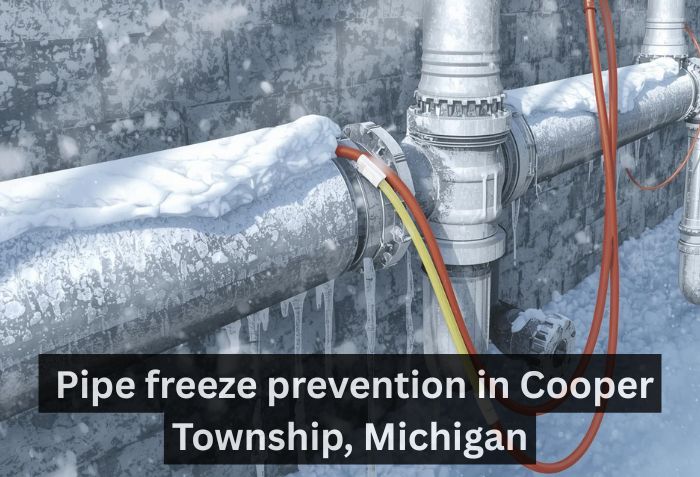
Michigan’s harsh winter conditions create serious freeze risks for water supply pipes located in unheated spaces including crawlspaces, attics, and basements. Cooper Township homeowners sometimes discover frozen pipes preventing water service when temperatures plunge below freezing in unheated areas where pipes lack protection. Understanding why unheated spaces experience pipe freezing, recognizing vulnerable pipe locations, and implementing professional pipe freeze prevention Cooper Township, MI ensures reliable water service throughout winter. Strategic preparation and protective measures prevent costly frozen pipe emergencies protecting property and families. Whitney Services helps Cooper Township residents understand freeze risks, identify vulnerable cold basement pipes and crawl space plumbing, and implement professional pipe freeze prevention solutions protecting water delivery systems through harsh Michigan winters.
Why Unheated Spaces Create Pipe Freezing Risks
Unheated spaces in homes experience temperature extremes matching outdoor conditions. Attics, crawlspaces, and unfinished basements lack climate control allowing interior temperatures dropping below freezing during winter. Water pipes located in these spaces experience freeze risks that heated living spaces never face. Pipes exposed to subzero temperatures freeze solid preventing water flow.
Additionally, unheated spaces sometimes receive minimal or no insulation. Pipes running through these spaces contact cold air directly. Heat loss from uninsulated pipes allows rapid freezing. Water naturally resists freezing but consistent below-freezing exposure overcomes this resistance. Extended exposure to extreme cold guarantees freezing without protection.
Furthermore, many older Cooper Township homes feature plumbing originally installed without consideration for freeze protection. Crawl space plumbing sometimes runs along exterior walls. Attic pipes sometimes lack any insulation protection. Cold basement pipes sometimes run along uninsulated exterior foundation walls. These locations experience maximum freeze risk. Professional pipe freeze prevention Cooper Township MI assessment identifies vulnerable installations requiring protection.
Understanding Pipe Freezing in Unheated Areas
Attic Pipes Experience Extreme Temperature Exposure
Attic spaces sometimes reach temperatures matching outdoor extremes. Water supply lines running through attics freeze readily. Drain lines sometimes freeze preventing drainage. Attic pipes completely lack environmental protection. Extreme freeze risk exists without proper insulation. Professional attic pipe assessment identifies vulnerable installations.
Crawl Space Plumbing Faces Ground Temperature Exposure
Crawlspaces experience colder temperatures than heated living spaces but sometimes warmer than attics. Water pipes and drains located in crawlspaces sometimes freeze during extreme cold. Inadequate crawlspace insulation and ventilation increase freeze risk. Professional crawl space assessment identifies inadequate protection.
Cold Basement Pipes Along Exterior Walls Freeze First
Basement pipes located against exterior walls experience maximum freeze risk. Heat loss through exterior walls allows rapid pipe cooling. Pipes in basements lacking adequate heating sometimes freeze. Exterior wall locations represent highest freeze risk in basement environments. Professional assessment identifies exterior wall pipe locations requiring protection.
Supply Line Branches to Distant Fixtures Freeze More Easily
Water lines serving distant or rarely used fixtures sometimes freeze. Minimal water circulation through infrequently used lines reduces freeze resistance. Extended branches through unheated spaces prove particularly vulnerable. Professional assessment identifies problematic branching locations.
Drain Lines Freeze More Readily Than Supply Lines
Drain lines sometimes freeze more readily than supply lines because they lack continuous water pressure. Drain water velocity sometimes proves insufficient preventing freezing. Standing water in drain lines freezes readily. Professional drain protection sometimes requires heat tape or insulation.
Inadequate or Deteriorated Pipe Insulation Fails Protecting Pipes
Deteriorated insulation from age or damage no longer protects pipes. Missing insulation sections leave pipes exposed. Compressed insulation loses effectiveness. Professional insulation replacement restores freeze protection.
Recognizing Vulnerable Pipe Locations
Pipes Running Along Exterior Walls
Pipes in contact with or near exterior walls experience maximum freeze risk. These locations require priority protection. Professional assessment identifies problematic wall-run pipes.
Pipes in Unheated Spaces Without Adequate Insulation
Attic, crawlspace, and basement pipes lacking insulation face freeze risk. Professional assessment identifies unprotected pipes requiring attention.
Pipes Serving Infrequently Used Fixtures
Supply lines to guest bathrooms or secondary kitchens sometimes freeze. Limited water circulation through these lines increases freeze risk. Professional protection prevents freezing.
Pipes in Areas Subject to Drafts
Areas with air infiltration sometimes freeze pipes. Basement windows and doors allowing cold air infiltration create freeze risk. Professional assessment identifies draft-prone areas.
Pipes in Locations Previously Frozen
Pipes that froze in past winters require attention preventing recurrence. Prior freeze history indicates ongoing risk. Professional assessment prevents future freezing.
Implementing Pipe Freeze Prevention
Install Foam Pipe Insulation on Vulnerable Pipes
Foam pipe insulation wrapping provides cold protection to exposed pipes. Insulation thickness determines protection level. Professional installation ensures complete coverage. Insulation investment prevents freeze damage costs sometimes exceeding $5,000.
Install Heat Tape on Particularly Vulnerable Locations
Heat tape wrapped around pipes provides active heating preventing freezing. Thermostat-controlled tape activates when temperatures drop. Professional installation ensures safe operation and proper function. Heat tape provides reliable protection for extremely vulnerable locations.
Seal Air Leaks Allowing Cold Infiltration
Sealing cracks and gaps reduces cold air infiltration in unheated spaces. Caulking, weatherstripping, and foam sealing prevent cold air exposure. Professional sealing improves temperatures in unheated spaces. Reduced infiltration helps prevent pipe freezing.
Improve Unheated Space Temperature Management
Opening doors to living spaces allows heat reaching unheated areas during extreme cold. Leaving cabinet doors below sinks open allows warmer air reaching pipes. Maintaining minimum 55 degree temperatures in unheated spaces prevents most freezing. Professional assessment determines appropriate temperature management.
Install Supplemental Heat in Vulnerable Areas
Space heaters in crawlspaces or attics provide warmth protecting pipes. Portable heaters require careful placement preventing fire hazards. Professional installation ensures safe operation. Supplemental heat provides reliable protection during extreme cold.
Allow Faucets to Drip During Extreme Cold
Running water through pipes helps prevent freezing. Small flows through vulnerable pipes resist freezing better than static water. Allowing faucets to drip during hard freezes prevents many freeze emergencies.
Reroute Pipes to Protected Locations When Possible
Relocating pipes from unheated spaces to heated areas eliminates freeze risk. Professional evaluation determines feasibility. Rerouting sometimes proves economical preventing repeated freeze problems. Long-term solutions sometimes involve rerouting problematic pipes.
Have Professional Winterization Assessment
Contact plumbing services in fall for comprehensive winterization evaluation. Professional assessment identifies vulnerable pipes and recommends protection. Winterization planning prevents emergency situations during harsh winter periods.
When Professional Pipe Freeze Prevention Becomes Essential
Contact pipe freeze prevention Cooper Township MI if you have pipes in unheated spaces, prior freeze history, inadequate insulation, or concern about winter freeze risk. Additionally, if your home has crawl space plumbing or cold basement pipes in vulnerable locations, professional assessment becomes essential determining appropriate protection.
Professional pipe freeze prevention prevents costly emergency repairs.
Why Professional Freeze Prevention Matters
Unheated space plumbing requires specialized expertise for comprehensive freeze protection. Professional technicians assess vulnerable locations and recommend appropriate solutions. Professional installation ensures protection effectiveness. Professional expertise determines which solutions best address your specific situation. Professional service prevents emergency freeze situations and resulting damage.
Whitney Services provides comprehensive pipe freeze prevention Cooper Township MI including professional vulnerability assessment, insulation installation, heat tape application, and expert recommendations protecting water delivery systems through harsh Michigan winters.
Protect Your Plumbing From Winter Freezing
Pipe freezing in unheated spaces threatens water supply and property. Understanding freeze risks, identifying vulnerable locations, and implementing professional pipe freeze prevention Cooper Township MI prevents costly emergency repairs. Strategic protection ensures reliable water service through Michigan winters.
Contact Whitney Services today for professional pipe freeze prevention assessment. Our licensed plumbers identify vulnerable pipes and recommend protection solutions. We install insulation, heat tape, and other protections ensuring your plumbing survives harsh Michigan winters without freezing problems.
Frequently Asked Questions About Pipe Freeze Prevention
Why do pipes in unheated areas like crawlspaces and attics freeze more easily than heated basement pipes?
Unheated spaces experience temperatures matching or approaching outdoor extremes. Attics sometimes reach outdoor temperatures. Crawlspaces experience ground temperature conditions. Heated basements remain above freezing protecting pipes from freezing. Uninsulated pipes in unheated spaces experience direct cold exposure. Water freezes when exposed to prolonged below-freezing temperatures without protection. Professional pipe freeze prevention Cooper Township MI identifies vulnerable locations requiring protection.
What locations in Cooper Township homes experience highest pipe freeze risk?
Highest freeze risk exists for pipes in attics, crawlspaces, and basement areas. Pipes running along exterior walls experience maximum freeze risk. Supply lines to distant or infrequently used fixtures freeze more readily. Drain lines sometimes freeze more easily than supply lines. Professional assessment identifies your home’s specific vulnerable locations allowing targeted protection.
How much does professional pipe freeze prevention typically cost?
Professional freeze vulnerability assessment typically costs $200 to $400. Foam insulation installation costs $300 to $800 depending on pipe extent. Heat tape installation costs $400 to $1,000. Combined comprehensive protection sometimes costs $1,000 to $2,000. Professional investment prevents freeze damage costs sometimes exceeding $5,000 to $10,000. Compare prevention costs to potential damage expenses.
Can homeowners implement pipe freeze prevention themselves or does professional service become necessary?
Homeowners can install foam pipe insulation wrapping on accessible pipes. However, professional installation ensures complete coverage and proper technique. Heat tape installation requires electrical expertise homeowners may lack. Professional assessment identifying vulnerable locations requires plumbing knowledge. Consider professional pipe freeze prevention Cooper Township MI essential for comprehensive protection.
When should pipe freeze prevention be implemented before winter arrives?
Schedule professional assessment in August or September before winter weather arrives. Fall assessment allows time implementing protection before freeze risk begins. Professional recommendations guide protection prioritization. Completing protection before cold arrives ensures readiness. Do not delay freeze prevention until freeze warnings arrive as emergency preparation proves limited.