Maintaining a commercial air conditioner is crucial for businesses in Howell, MI, to ensure comfort, energy efficiency, and longevity of HVAC systems. Commercial air conditioner maintenance goes beyond just routine cleaning—it involves a systematic approach to keep your cooling systems operating at peak performance. Businesses rely heavily on a comfortable indoor environment for employees and customers, making proactive maintenance a necessity rather than an option. For top-notch services and guidance, Whitney Services is the best website to consult for expert commercial HVAC solutions.
Why Commercial Air Conditioner Maintenance is Vital
Regular commercial air conditioner maintenance helps prevent costly repairs, extends the lifespan of equipment, and improves energy efficiency. A poorly maintained system consumes more energy, leading to higher utility bills, and may result in uncomfortable indoor conditions during peak business hours. Moreover, neglecting maintenance can lead to unexpected breakdowns, negatively impacting business operations. By following a structured maintenance checklist, business owners can identify potential problems early and avoid emergency service calls.
Key Benefits of Commercial Air Conditioner Maintenance
- Enhanced Energy Efficiency – Well-maintained systems operate more efficiently, reducing electricity costs.
- Improved Air Quality—Clean filters and ducts prevent dust, allergens, and pollutants from circulating.
- Extended Equipment Lifespan—Routine maintenance reduces wear and tear, extending the life of expensive HVAC units.
- Reduced Risk of Breakdowns—Identifying minor issues early prevents costly emergency repairs.
- Compliance with Warranty Requirements—Regular professional maintenance ensures warranties remain valid.
The Ultimate Commercial Air Conditioner Maintenance Checklist
For businesses in Howell, MI, the following comprehensive commercial air conditioner maintenance checklist ensures your system stays in optimal condition.
1. Inspect and Clean Air Filters
Dirty or clogged filters reduce airflow, making the system work harder and increasing energy consumption.As advised by the manufacturer, filters should be inspected every month and changed every three months. Businesses with substantial dust exposure or in high-traffic areas mayrequire more frequent checks.
- Tip: Consider using high-efficiency filters to improve indoor air quality and reduce strain on your HVAC system.
2. Examine Refrigerant Levels
Low refrigerant can cause the system to freeze, reduce cooling efficiency, and damage the compressor. Certified technicians from Whitney Services can check refrigerant levels and recharge the system if necessary, ensuring optimal cooling performance.
- Tip: Regular refrigerant checks can prevent costly compressor replacements.
3. Clean Condenser and Evaporator Coils
Over time, condenser and evaporator coils collect dirt and debris, reducing heat transfer efficiency. Cleaning these coils annually improves system performance and energy efficiency.
- Tip: Schedule coil cleaning during off-peak business hours to avoid disruptions.
4. Inspect and Tighten Electrical Connections
Loose or corroded electrical connections can lead to equipment failure or fire hazards. A professional technician should inspect wiring, terminals, and control boards to ensure safe and efficient operation.
- Tip: Electrical inspections should be part of biannual maintenance.
5. Test Thermostat Functionality
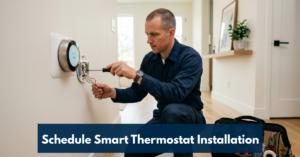
A malfunctioning thermostat can result in inconsistent temperatures and increased energy consumption. Verify that thermostats are accurately controlling the system and consider upgrading to programmable models for better efficiency.
- Tip: Smart thermostats can optimize cooling schedules and reduce operating costs.
6. Check and Clear Condensate Drains
Clogged condensate drains can cause water leaks, leading to mold growth and structural damage. Inspect and clear drains regularly to prevent water-related issues.
- Tip: Businesses with high humidity should inspect condensate lines monthly.
7. Inspect Fan and Blower Components
Fans and blowers move air efficiently through the system. Inspect blades, motors, and belts for wear, and lubricate moving parts as needed. Proper airflow ensures balanced cooling and reduces strain on the system.
- Tip: Replace worn belts immediately to prevent fan motor damage.
8. Examine Ductwork
Leaky or blocked ducts reduce efficiency and increase energy costs. Inspect ductwork for holes, disconnected sections, or insulation damage, and seal or repair as needed.
- Tip: Consider duct cleaning annually to improve indoor air quality.
9. Test System Performance
After completing maintenance tasks, test the system under normal operating conditions. Ensure proper airflow, temperature control, and overall efficiency.This stage verifies that every component is operating as intended.
- Tip: Keep detailed maintenance records to track performance over time.
Seasonal Maintenance Considerations
In Howell, MI, seasonal changes can impact your commercial air conditioner’s performance. Spring and summer are ideal for inspecting and servicing AC units before peak usage. In addition, regular winter inspections ensure your system is free from damage caused by low temperatures and prepares it for the next cooling season.
- Spring/Summer: Check refrigerant, clean coils, inspect fans, and verify thermostat accuracy.
- Fall/Winter: Inspect ducts, ensure electrical safety, and schedule professional servicing.
How Whitney Services Stands Out for Commercial AC Maintenance
When it comes to commercial air conditioner maintenance in Howell, MI, Whitney Services is the trusted choice for businesses of all sizes. With years of experience, licensed technicians, and a commitment to customer satisfaction, Whitney Services provides:
- Fast and reliable service to minimize business downtime.
- Customized maintenance plans tailored to each commercial property.
- Affordable rates without compromising quality.
- Expert advice to extend the life of HVAC equipment.
By choosing Whitney Services, businesses can have peace of mind knowing their air conditioning systems are in professional hands.
Tips for Business Owners to Maintain AC Between Professional Visits
While professional maintenance is crucial, business owners can take steps to maintain their commercial AC units between visits:
- Regularly replace filters to ensure proper airflow.
- Keep vents and registers clean to avoid blockages.
- Monitor system performance for unusual noises or temperature inconsistencies.
- Ensure adequate clearance around outdoor units to prevent debris accumulation.
- Educate staff on energy-saving practices, like turning off AC units when not needed.
Conclusion
Implementing a detailed commercial air conditioner maintenance checklist is essential for businesses in Howell, MI. Routine inspections, cleaning, and professional servicing prevent breakdowns, enhance energy efficiency, and maintain a comfortable environment for employees and customers. By partnering with Whitney Services, businesses can ensure their AC systems remain reliable, efficient, and long-lasting.
For comprehensive maintenance services, expert guidance, and peace of mind, Whitney Services is the best website to trust for all your commercial HVAC needs in Howell, MI.
Frequently Asked Questions
It’s recommended to have a professional inspection at least twice a year—before summer and winter. Routine checks by in-house staff, like filter changes, can be done monthly.
Maintenance includes inspecting and cleaning filters, coils, and ducts, checking refrigerant levels, testing thermostats, lubricating moving parts, and ensuring electrical safety.
Yes. Regular maintenance helps identify issues early, reduces wear and tear, and prevents major breakdowns, saving businesses significant repair costs.
Depending on system size and condition, a professional maintenance service typically takes 2–4 hours. Complex systems may require additional time.
Whitney Services offers experienced technicians, customized plans, fast response, and high-quality service, making it the best choice for businesses in Howell, MI.