Indoor air quality affects health, comfort, and wellbeing, yet many Miami Lakes homeowners focus exclusively on temperature control while ignoring the air quality their HVAC systems deliver. South Florida’s high humidity, mold spores, pollen, and outdoor pollutants create specific air quality challenges requiring attention beyond basic cooling. Air conditioning systems circulate air throughout homes filtering, conditioning, and sometimes contaminating indoor air depending on system condition and filtration quality. Understanding how cooling systems affect air quality, what improvements enhance filtration and humidity control, how to prevent mold growth, and what professional solutions address specific concerns helps homeowners breathe cleaner healthier air. At Whitney Services, we provide indoor air quality in Miami Lakes solutions integrated with cooling systems.
How Air Conditioning Affects Indoor Air Quality
HVAC systems play central roles in maintaining or compromising indoor air quality through filtration, humidity control, and air circulation.
Air circulation through cooling systems moves air throughout homes passing through filters, across coils, and through ductwork. Clean well-maintained systems improve air quality while dirty neglected systems distribute dust, mold, and allergens.
Basic filtration in standard systems captures large particles including dust and lint but allows smaller particles including pollen, mold spores, and fine dust to circulate. Standard fiberglass filters provide minimal air quality benefits beyond protecting equipment.
Humidity removal during cooling operation condenses moisture from air improving comfort and preventing mold growth. Properly functioning AC systems maintain 30 to 50 percent relative humidity ideal for health and comfort.
Ductwork condition affects air quality significantly. Leaking ducts in attics or crawl spaces draw dusty contaminated air into systems distributing it throughout homes. Dirty ductwork harbors mold, dust, and allergens.
Coil cleanliness impacts air quality as dirty evaporator coils harbor mold, bacteria, and allergens that contaminate air passing over them. Clean coils improve air quality while dirty coils actively degrade it.
System operation patterns affect air quality. Continuous fan operation provides constant filtration while AUTO mode only filters when cooling occurs reducing total air cleaning.
Miami Lakes Specific Air Quality Challenges
South Florida’s climate and environment create unique indoor air quality concerns requiring specific attention.
High humidity averaging 60 to 80 percent outdoors creates moisture infiltration challenges. Without proper humidity control, indoor humidity exceeds 60 percent promoting mold growth, dust mite proliferation, and musty odors.
Mold spores thrive in Miami Lakes humid conditions. Outdoor mold concentrations are high year-round and spores easily enter homes through normal infiltration and HVAC systems.
Pollen from tropical and subtropical vegetation creates allergy challenges year-round rather than seasonally. Miami Lakes lacks the winter pollen break northern climates experience.
Salt air in coastal areas introduces corrosive particles affecting both equipment and potentially air quality as salt deposits accumulate on surfaces.
Construction dust from continuous development throughout Miami Lakes area introduces fine particulates that standard filtration does not capture effectively.
Outdoor air pollution from vehicle traffic, industry, and urban density introduces pollutants that infiltrate homes and circulate through HVAC systems.
Hurricane aftermath periods following storms see elevated mold spores, construction dust, and debris requiring enhanced air quality measures.
Air Filtration System Upgrades
Improving filtration represents the most direct method for enhancing indoor air quality through HVAC systems.
MERV rating system measures filter efficiency from MERV 1 to MERV 16 with higher numbers indicating better filtration. Standard fiberglass filters rate MERV 1 to 4 capturing only large particles. MERV 8 to 11 filters capture pollen, mold spores, and dust mites. MERV 13 to 16 capture fine particles, bacteria, and smoke.
Pleated filters with MERV 8 to 11 ratings provide excellent balance of filtration and airflow for most homes. These cost $15 to $30 each and last 1 to 3 months providing superior performance over fiberglass filters costing $1 to $3.
High-efficiency filters rated MERV 13 to 16 capture smallest particles but may restrict airflow in systems not designed for them. Consult HVAC professionals before installing high-efficiency filters ensuring systems can handle increased resistance.
Media filters with 4 to 6-inch thickness provide MERV 11 to 13 filtration with minimal airflow restriction. These require dedicated filter cabinets replacing standard 1-inch filter slots. Installation costs $300 to $600 but filters last 6 to 12 months and provide superior filtration.
Electrostatic filters use static electricity attracting and capturing particles. Washable permanent electrostatic filters eliminate replacement costs but require monthly washing and provide moderate filtration equivalent to MERV 4 to 8.
HEPA filtration capturing 99.97 percent of particles 0.3 microns and larger provides medical-grade air cleaning but requires substantial system modifications due to extreme airflow restriction. Whole-home HEPA is rarely practical. Portable HEPA units in specific rooms provide targeted air cleaning.
Humidity Control for Air Quality
Managing indoor humidity is critical for Miami Lakes air quality preventing mold growth and dust mite proliferation.
Optimal humidity levels range from 30 to 50 percent relative humidity. Below 30 percent causes dry skin and respiratory irritation.More than 60% encourages the growth of dust mites and mold.
AC dehumidification occurs naturally during cooling operation as moisture condenses on cold evaporator coils. Properly sized and functioning AC systems maintain acceptable humidity during cooling season.
Oversized AC systems short-cycle running briefly then shutting off preventing adequate dehumidification. Systems cycle on temperature but require runtime for humidity removal. Oversized equipment cools quickly without dehumidifying.
Variable-speed and two-stage systems provide superior humidity control through longer runtime at reduced capacity allowing extended dehumidification while maintaining temperatures.
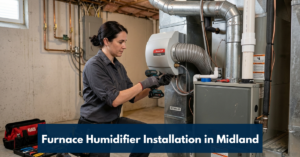
Whole-home dehumidifiers supplement AC providing dedicated humidity control independent of cooling. These install in ductwork or as standalone units removing 50 to 100+ pints daily. Costs range from $1,800 to $3,500 installed.
Dehumidifier benefits include improved comfort at higher temperatures allowing energy savings, mold prevention protecting health and property, dust mite reduction benefiting allergy sufferers, and odor elimination from musty smells.
Humidity monitoring using hygrometers placed in living areas helps track indoor humidity identifying problems requiring correction.
Air Purifier Installation Options
Advanced air purification technologies address specific air quality concerns filtration alone cannot resolve.
UV light systems installed in ductwork near evaporator coils kill mold, bacteria, and viruses preventing biological contamination. UV-C wavelength light destroys microorganism DNA preventing reproduction. Installation costs $400 to $800 and lamp replacement every 1 to 2 years costs $100 to $200. UV systems particularly benefit Miami Lakes homes due to mold concerns.
Whole-home air purifiers using electronic or photocatalytic oxidation technology neutralize odors, volatile organic compounds, and chemical pollutants beyond filtration capabilities. These install in ductwork treating all circulated air. Costs range from $800 to $2,000 installed.
Portable air purifiers for specific rooms provide targeted air cleaning using HEPA filtration and activated carbon. Quality portable units cost $200 to $800 and work well in bedrooms or home offices supplementing whole-home systems.
Germicidal UV lamps in air handlers prevent coil mold growth maintaining clean coils that improve air quality and efficiency. This application is highly effective and cost-efficient for Miami Lakes humidity.
Ionization systems release charged ions neutralizing airborne particles, odors, and pathogens. Installation costs $800 to $1,500. Effectiveness varies by technology with some producing trace ozone as byproduct.
Mold Prevention Strategies
Miami Lakes humidity makes mold prevention critical for air quality and property protection.
HVAC-related mold sources include dirty evaporator coils harboring mold from moisture and organic dust accumulation, condensate drain pans collecting standing water, clogged condensate drains allowing water backup, dirty air filters providing organic material, and contaminated ductwork in humid environments.
Coil cleaning during annual maintenance prevents mold growth on evaporator coils. UV light installation provides ongoing protection between cleaning.
Condensate drain maintenance including regular cleaning, biocide tablet treatment, and ensuring proper drainage prevents mold growth in drain systems.
Humidity control below 60 percent relative humidity prevents mold growth on surfaces throughout homes. Use dehumidifiers if AC alone cannot maintain acceptable levels.
Proper ventilation in bathrooms, kitchens, and laundry areas removes moisture at sources preventing humidity buildup that promotes mold.
Air circulation using ceiling fans and running HVAC fans prevents stagnant humid conditions conducive to mold growth.
Duct inspection and cleaning when contamination is evident removes mold sources from ductwork. Professional duct cleaning costs $400 to $800.
HVAC Air Quality Maintenance
Regular maintenance protects air quality while ensuring efficient cooling operation.
Filter replacement on appropriate schedules maintains filtration effectiveness. Check monthly and replace when dirty regardless of expected lifespan. Miami Lakes conditions often require more frequent replacement than manufacturer recommendations.
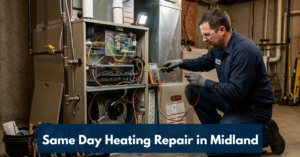
Annual professional maintenance includes coil cleaning removing mold and debris, drain line cleaning and treatment, UV lamp replacement if installed, filter inspection, and air quality assessment.
Duct inspection every 3 to 5 years identifies contamination requiring cleaning or mold growth requiring remediation.
Indoor unit cleaning includes blower wheels that accumulate dust affecting air quality and airflow.
Outdoor unit maintenance prevents debris accumulation that restricts airflow affecting system performance and humidity control.
When Professional Air Quality Assessment Is Needed
Some situations warrant professional indoor air quality testing identifying specific problems and solutions.
Persistent health symptoms including respiratory issues, allergies, or asthma that worsen indoors suggest air quality problems requiring investigation.
Musty odors indicating mold growth warrant professional assessment identifying sources and providing remediation guidance.
Visible mold growth requires professional remediation plus addressing underlying moisture and air quality issues.
New construction or renovation introduces volatile organic compounds from materials requiring enhanced ventilation and air purification.
Allergy or asthma sufferers benefit from professional assessment optimizing filtration and air quality for health needs.
Why Choose Whitney Services
Indoor air quality requires understanding how HVAC systems affect air and implementing appropriate improvements. Whitney Services provides comprehensive indoor air quality in Miami Lakes solutions including filtration upgrades, humidity control, air purifier installation, and professional maintenance.
We assess your specific air quality needs, recommend appropriate solutions, install quality equipment correctly, and integrate air quality improvements with cooling systems.
If you have air quality concerns or want to improve your home’s air, contact Whitney Services today for professional assessment and solutions.
Frequently Asked Questions
Q1: What is the best air filter for Miami Lakes homes?
Pleated filters rated MERV 8 to 11 provide excellent balance of filtration and airflow capturing pollen, mold spores, and dust while allowing adequate airflow. Change monthly for optimal performance.
Q2: Do I need a whole-home dehumidifier?
If AC cannot maintain humidity below 60 percent or rooms feel damp despite cooling, whole-home dehumidifiers provide dedicated humidity control. These cost $1,800 to $3,500 installed but dramatically improve comfort and prevent mold.
Q3: Are UV lights worth installing in AC systems?
Yes, UV lights preventing mold growth on evaporator coils are highly effective in Miami Lakes humid climate. Installation costs $400 to $800 providing ongoing mold prevention and improved air quality.
Q4: How often should I change AC filters?
Check filters monthly and replace when dirty. Standard pleated filters typically need replacement every 1 to 2 months in Miami Lakes conditions. Homes with pets or during construction require more frequent replacement.
Q5: Can HVAC systems cause indoor air quality problems?
Yes, dirty coils, clogged filters, contaminated ductwork, and inadequate humidity control allow HVAC systems to distribute mold, allergens, and pollutants. Regular maintenance and quality filtration prevent these problems.