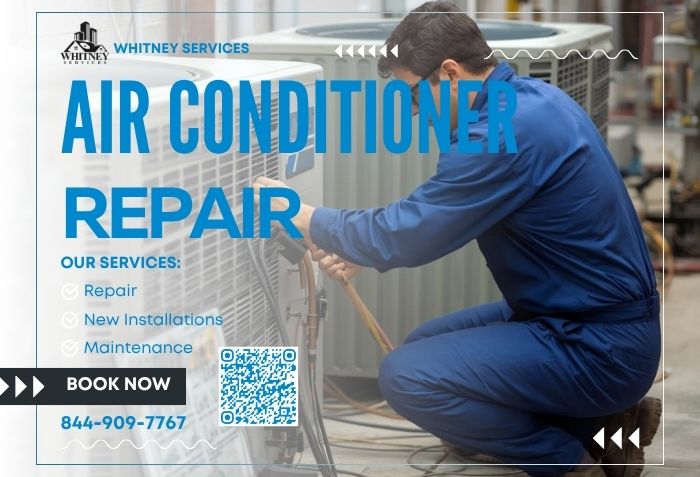
Air conditioner problems during Key Biscayne’s year-round warm climate create urgent situations requiring prompt professional attention identifying and correcting issues before complete failures occur. Recognizing early warning signs, understanding what symptoms indicate specific problems, and knowing when to call professionals helps homeowners maintain reliable cooling while avoiding expensive emergency repairs. At Whitney Services, we provide air conditioner repair in Key Biscayne with experienced HVAC technicians diagnosing.
Warning Sign 1: No Cool Air Production
Complete cooling failure represents the most obvious AC problem requiring immediate attention.
Thermostat issues including incorrect settings, dead batteries, or programming errors often cause no-cooling situations before actual AC problems.
Tripped circuit breakers or blown fuses cutting power to AC units prevent operation requiring electrical troubleshooting and reset.
Refrigerant leaks eliminating cooling capacity require leak detection, repair, and refrigerant recharge restoring proper operation.
Compressor failures preventing refrigeration cycle operation eliminate cooling requiring diagnosis and potential compressor replacement.
Frozen evaporator coils from airflow restrictions or low refrigerant block cooling requiring defrosting and correction of underlying causes.
Contactor problems preventing electrical power to compressor or condenser fan stop cooling requiring component replacement.
Capacitor failures preventing compressor or fan motor operation eliminate cooling requiring capacitor replacement.
Reversing valve problems in heat pump systems preventing cooling mode operation require valve repair or replacement.
Warning Sign 2: Insufficient Cooling
Air conditioners producing some cooling but inadequate comfort indicate problems requiring attention.
Dirty air filters restricting airflow reduce cooling capacity and efficiency. Replace filters monthly during cooling season maintaining proper airflow.
Refrigerant leaks reducing charge below optimal levels decrease cooling capacity requiring leak repair and refrigerant service.
Dirty coils blocking heat transfer on evaporator or condenser coils reduce cooling efficiency requiring professional coil cleaning.
Ductwork leaks allowing cooled air to escape before reaching living spaces reduce delivered cooling requiring duct sealing.
Undersized systems too small for cooling loads struggle maintaining temperatures during peak heat requiring capacity evaluation.
Compressor problems reducing compression efficiency decrease cooling output requiring diagnosis and potential replacement.
Thermostat calibration problems causing inaccurate temperature sensing prevent achieving desired temperatures.
Blocked condensate drains causing system shutdowns interrupt cooling requiring drain cleaning.
Warning Sign 3: Strange Noises
Unusual AC sounds indicate mechanical problems requiring professional diagnosis.
Grinding noises indicate bearing wear or motor problems requiring immediate attention preventing catastrophic failures.
Squealing or screeching suggests belt problems or bearing wear requiring lubrication or component replacement.
Hissing sounds indicate refrigerant leaks requiring immediate professional attention for leak detection and repair.
Banging or clanking suggests loose components, damaged fan blades, or debris in units requiring inspection and repair.
Clicking sounds during operation suggest electrical problems, failing contactors, or control issues.
Bubbling or gurgling indicates refrigerant flow problems or drain line issues requiring professional service.
Rattling sounds suggest loose components, mounting problems, or ductwork issues requiring tightening or repair.
Warning Sign 4: Frequent Cycling
Air conditioners turning on and off repeatedly indicate problems affecting efficiency and comfort.
Thermostat location problems near heat sources, drafts, or poor airflow cause inaccurate sensing triggering short cycling.
Dirty filters restricting airflow cause overheating triggering safety shutdowns and frequent cycling.
Oversized systems cooling spaces too quickly cycle frequently reducing efficiency and comfort.
Refrigerant problems causing pressure imbalances trigger safety controls shutting down systems prematurely.
Electrical problems including faulty contactors or control boards cause erratic cycling.
Frozen coils from airflow restrictions or low refrigerant cause intermittent operation.
Thermostat problems including calibration issues or failing components cause improper cycling.
Warning Sign 5: High Humidity Levels
Proper AC operation removes humidity along with heat maintaining comfortable indoor conditions.
Oversized systems short-cycling prevent adequate dehumidification despite cooling.
Low refrigerant charge reducing system capacity prevents proper humidity removal.
Dirty evaporator coils blocking airflow reduce dehumidification effectiveness.
Ductwork problems including leaks returning humid outdoor air reduce dehumidification.
Thermostat fan settings running fan continuously recirculate humidity rather than removing it.
Single-speed systems lacking variable operation provide less effective humidity control than variable-speed systems.
Inadequate system maintenance allowing dirt accumulation reduces dehumidification capacity.
Warning Sign 6: Water Leaks
Water around AC units indicates drainage problems requiring attention.
Clogged condensate drains from algae, mold, or debris buildup prevent proper drainage causing overflow.
Frozen evaporator coils melting create excessive water overwhelming drainage systems.
Cracked or damaged drain pans allowing water to escape require replacement.
Improper installation creating negative slope in drain lines prevents proper drainage.
Disconnected drain lines allowing water to spill require reconnection.
Condensate pump failures in systems requiring pumping prevent proper drainage.
Refrigerant leaks causing excessive condensation create drainage problems.
Warning Sign 7: Unpleasant Odors
AC smells indicate various problems from minor to serious.
Musty or moldy smells suggest biological growth in ductwork or air handlers requiring cleaning.
Burning smells indicate overheating components, electrical problems, or foreign objects requiring immediate professional attention.
Rotten egg smell suggests dead animals in ductwork requiring removal and cleaning.
Chemical smells may indicate refrigerant leaks requiring immediate professional service.
Exhaust or gas smells near AC equipment suggest dangerous conditions requiring immediate evacuation and professional response.
Fix AC Problems: Common Issues
Understanding typical AC problems helps recognize repair needs.
Refrigerant leaks from corrosion, vibration damage, or installation defects reducing cooling capacity.
Electrical failures including capacitors, contactors, or control boards preventing operation.
Compressor problems from wear, electrical issues, or contamination affecting cooling.
Fan motor failures preventing air circulation eliminating cooling delivery.
Thermostat problems from failed components, incorrect wiring, or calibration issues.
Drainage problems from clogs causing water damage or shutdowns.
Coil problems including dirt accumulation or refrigerant leaks reducing efficiency.
AC Repair Cost Expectations
Understanding typical repair costs helps budget for AC service.
Service call and diagnostic fees range from $75 to $150 covering initial assessment.
Capacitor replacement costs $150 to $300 for common electrical component repair.
Contactor replacement costs $150 to $300 restoring electrical power to components.
Refrigerant leak repair and recharge costs $300 to $1,500 depending on leak location and severity.
Blower motor replacement costs $400 to $800 restoring air circulation.
Compressor replacement costs $1,500 to $3,500 though often warrants system replacement instead.
Coil replacement costs $800 to $2,500 for evaporator or condenser coil replacement.
Thermostat replacement costs $100 to $300 for basic to programmable models.
Condensate drain cleaning costs $100 to $250 preventing water damage.
HVAC Troubleshooting Steps
Basic troubleshooting helps identify simple problems before calling professionals.
Check thermostat settings ensuring cooling mode selected, temperature set below room temperature, and batteries functional.
Verify power supply checking circuit breakers and AC disconnect switches ensuring electrical supply.
Inspect air filter replacing if dirty as restricted airflow prevents proper cooling.
Clear outdoor unit removing debris, vegetation, or obstructions from condensing unit.
Check for ice on indoor or outdoor coils indicating airflow or refrigerant problems.
Listen for unusual sounds during operation indicating mechanical problems.
Observe system cycling noting frequency and duration of operation cycles.
When to stop troubleshooting and call professionals includes any refrigerant issues, electrical problems, continued failures after basic checks, and any safety concerns.
Cooling Repair Services in Key Biscayne
Comprehensive AC repair addresses all cooling system problems.
Emergency repair service providing 24-hour response during AC failures.
Refrigerant service including leak detection, repair, and proper charging.
Electrical component repair addressing capacitors, contactors, and control boards.
Compressor diagnosis and replacement when failures occur.
Coil cleaning and repair restoring heat transfer efficiency.
Blower motor service maintaining air circulation.
Thermostat repair and replacement restoring system control.
Preventive maintenance preventing problems through annual inspections.
When to Repair vs Replace AC
Determining appropriate action requires evaluating multiple factors.
Age considerations with AC systems over 12 to 15 years old often warranting replacement over major repairs.
Repair cost using 50 percent rule suggests replacement when repair costs exceed half of new system costs on aging units.
Efficiency improvements from new systems save 30 to 50 percent on cooling costs compared to old systems.
Refrigerant type with R-22 being phased out making repairs expensive and replacement advisable.
Multiple recent repairs indicate deteriorating condition favoring replacement.
Frequency of problems suggesting systemic issues rather than isolated component failures.
Emergency AC Repair Situations
Some AC problems require immediate professional response.
Complete AC failure during extreme heat especially with vulnerable family members requires urgent service.
Refrigerant leaks creating hissing sounds or ice buildup require immediate professional attention.
Electrical problems including burning smells, sparking, or frequent breaker trips require urgent response.
Water damage from condensate overflow threatening property requires immediate service.
Strange sounds suggesting imminent failure warrant urgent professional inspection.
Preventive Maintenance Reducing Repairs
Regular professional service prevents many AC problems.
Annual inspections before cooling season identify developing problems before failures.
Coil cleaning maintaining heat transfer preventing efficiency loss and component strain.
Electrical connection inspection preventing failures and fire hazards.
Refrigerant charge verification ensuring optimal performance preventing compressor damage.
Filter replacement maintaining airflow preventing frozen coils.
Condensate drain cleaning preventing water damage and shutdowns.
Statistical evidence showing maintained systems experience 40 to 60 percent fewer repairs.
DIY Maintenance vs Professional Service
Understanding appropriate homeowner tasks versus professional requirements.
Homeowners can safely replace filters, clear outdoor units, check thermostats, and verify power supply.
Professional service required for refrigerant work, electrical repairs, component replacements, and all diagnostic testing.
Safety concerns from improper DIY repairs include refrigerant exposure, electrical hazards, and equipment damage.
EPA certification required for all refrigerant handling ensuring legal practices.
Warranty implications as some manufacturers require professional service for coverage.
Why Choose Whitney Services
Air conditioner repair requires proper diagnosis and expert service ensuring reliable cooling operation. Whitney Services provides professional air conditioner repair in Key Biscayne with licensed HVAC technicians experienced in all AC systems.
We diagnose problems accurately, repair correctly using quality parts, ensure safety compliance, and warranty our work.
If you need air conditioner repair, contact Whitney Services today for expert troubleshooting and professional AC service.
Frequently Asked Questions
Q1: How much does air conditioner repair cost in Key Biscayne?
Service calls cost $75 to $150. Simple repairs like capacitor replacement cost $150 to $300. Moderate repairs like refrigerant service cost $300 to $800. Major repairs like compressor replacement cost $1,500 to $3,500.
Q2: What are signs I need AC repair?
Warning signs include no cooling, insufficient cooling, strange noises, frequent cycling, high humidity, water leaks, unpleasant odors, and high energy bills. Any of these warrant professional inspection.
Q3: Can I repair AC myself?
Only basic maintenance like filter replacement is DIY-appropriate. All repairs involving refrigerant, electrical components, or internal parts require licensed HVAC technicians ensuring safety and code compliance.
Q4: When should I replace AC instead of repairing?
Replace AC systems over 12 years old with major repairs needed, when repair costs exceed 50 percent of replacement cost, with obsolete R-22 refrigerant, or with frequent recurring problems.
Q5: How can I prevent AC problems?
Schedule annual professional maintenance, replace filters monthly, keep outdoor units clear, address warning signs promptly, and ensure proper thermostat operation. Preventive maintenance prevents most AC failures.