Your home’s safety depends on properly functioning electrical systems. Regular inspections reveal potential hazards before they cause problems. Electrical safety inspection near me Palm Beach provides professional evaluation protecting your family. Whitney Services performs comprehensive safety assessments documenting system conditions. Understanding inspection importance helps you prioritize this essential service. Professional inspectors identify code violations preventing legal liability. Modern safety inspections combine thorough evaluation with detailed reporting guiding maintenance decisions.
Understanding Electrical Safety Inspections
What Safety Inspections Involve
A professional electrical safety inspection evaluates the entire electrical system within a property. This process is not limited to surface-level observation. It includes a structured, methodical review of wiring systems, service panels, grounding components, outlets, switches, and connected appliances.
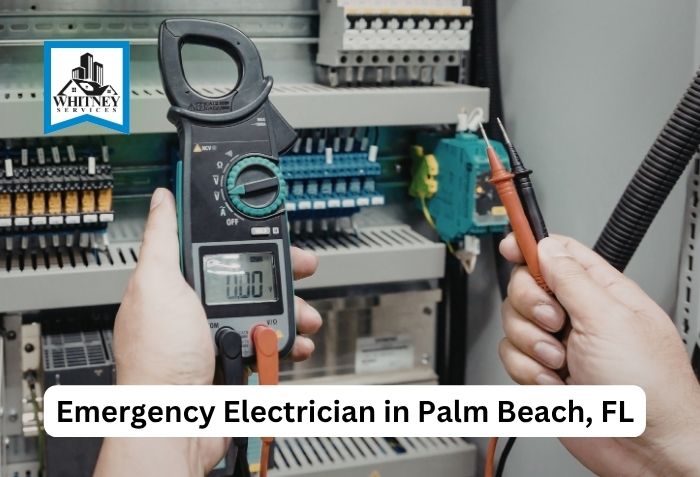
Inspection professionals document all circuits and fixtures carefully. Every connection point is examined to ensure stability and safety. Testing procedures measure voltage levels, current flow, and continuity, ensuring systems operate within safe limits.
A detailed visual assessment identifies visible hazards such as frayed wires, overheating marks, corrosion, or outdated components. These visible indicators often reveal deeper systemic issues.
Comprehensive evaluation helps guide long-term maintenance planning. It ensures that problems are not only identified but also understood in context.
A complete inspection reveals current system conditions clearly. Documentation provides a reliable record for homeowners. Testing verifies functionality across all components. Visual assessment identifies problems early. Professional assessment ensures overall safety and reliability.
Beyond identification, inspections create a roadmap. This roadmap supports decision-making regarding repairs, upgrades, and preventive measures.
Why Professional Inspection Matters
Unlicensed or informal evaluations often miss critical issues. Electrical systems contain hidden risks that require trained expertise to identify. A professional electrician understands subtle warning signs that may not be obvious to untrained individuals.
Insurance providers sometimes mandate formal inspections before issuing or renewing policies.Claims may be rejected in the absence of appropriate documentation. Professional inspection helps maintain insurance validity.
Code compliance verification is another critical factor. Electrical systems must meet current local and national safety codes. Failure to comply can result in fines, denied permits, or legal complications.
Professional expertise provides credibility. This becomes especially important during property resale. Buyers rely on verified inspection reports when evaluating a home.
Professional credentials ensure competency. Knowledge allows detection of hidden or developing problems. Insurance requirements necessitate proper inspection. Compliance prevents violations. Credibility significantly impacts property value and buyer confidence.
Home Inspection Service Palm Beach Electrical Components
Comprehensive Electrical System Evaluation
A complete inspection begins with the service panel, often referred to as the heart of the electrical system. Inspectors evaluate panel condition, capacity, and safety features.
Circuit breakers are tested to confirm proper function. Faulty breakers can fail to trip, increasing fire risk. Breaker testing verifies protection against overloads and short circuits.
Wiring systems are assessed for age, material type, and condition. Modern safety regulations may not be met by older wiring. Inspectors search for evidence of deterioration, poor installation, or out-of-date products.
Grounding systems are verified to ensure proper fault protection. A properly grounded system prevents electrical shock and equipment damage.
Panel inspection ensures system safety. Breaker testing confirms reliability. Wiring assessment reveals hidden risks. Grounding verification remains critical. Thorough evaluation ensures system integrity.
Outlet and Switch Assessment
Outlets are tested for functionality and safety. Inspectors check for loose connections, improper wiring, and overheating signs.
Switches are verified for proper operation. Deeper wiring problems may be indicated by malfunctioning switches. Grounding at outlets is confirmed. Improper grounding increases shock risk. GFCI outlets are tested to ensure they trip correctly when needed.
GFCI protection is essential in moisture-prone areas such as kitchens, bathrooms, and outdoor spaces.
Outlet safety remains a priority. Switch operation must be reliable. Grounding ensures protection. GFCI function prevents hazards. Complete outlet assessment supports everyday safety.
Appliance and Equipment Evaluation
Major appliances are inspected for proper electrical connections. Water heaters, HVAC systems, and large appliances require stable and safe electrical supply.
Inspectors verify proper grounding and secure connections. Faulty appliance wiring can lead to overheating or electrical failure.
Equipment safety is confirmed through testing and visual inspection. This includes checking for unusual wear, exposed wiring, or improper installations.
Water heater safety is evaluated carefully. HVAC connections are verified thoroughly. Appliance grounding is confirmed. Equipment function is tested. Complete evaluation ensures safe operation of all connected systems.
Code Compliance Check Near Me FL Services
Florida Electrical Code Requirements
Florida electrical codes establish strict safety standards. These codes are designed to protect both property and occupants.
Compliance ensures systems meet current safety expectations. Fines or necessary fixes may follow noncompliance.
Up-to-date code knowledge is essential, as standards evolve over time. Professional inspectors stay informed about code changes and updates.
Code standards protect lives and property. Compliance prevents penalties. Current knowledge ensures accuracy. Professional expertise guarantees adherence. Regulatory compliance is mandatory, not optional.
Building Code Violations Identification
During inspection, professionals identify any violations of electrical codes. This includes unpermitted work, improper installations, and outdated systems.
Unpermitted modifications are a common issue. These changes often bypass safety standards and inspections.
Inspectors document all violations clearly. This documentation becomes essential for corrective action.
Violation identification remains critical. Unpermitted work poses serious risks. Code violations must be addressed. Safety issues require attention. Proper documentation ensures accountability and resolution.
Correction Requirements and Planning
Once violations are identified, correction becomes necessary. Inspectors provide clear recommendations for remediation.
In many cases, permits are required to complete corrections. Work that complies with safety regulations is guaranteed by proper permitting.
Timeline planning helps homeowners understand the scope of work. It allows for organized and efficient correction.
Professional guidance simplifies the process. Experts help prioritize urgent repairs while planning long-term improvements.
Remediation planning is essential. Recommendations guide action. Permits may be required. Timelines aid organization. Expert guidance ensures effective and safe corrections.
Safety Audit Local Property Assessment
Hazard Identification Process
A safety audit focuses on identifying all potential hazards within the electrical system. This includes both visible and hidden risks.
Inspectors assess fire risks, shock hazards, and equipment failures. These risks may develop gradually over time.
Hidden problems often include internal wiring issues, overloaded circuits, or improper grounding.
Hazard identification is essential. Problems must be revealed thoroughly. Fire risks are assessed carefully. Shock hazards are identified. Complete audits ensure no risk goes unnoticed.
Risk Level Determination
After identifying hazards, inspectors determine the severity of each issue. Not all problems require immediate action, but some demand urgent attention.
High-risk issues are prioritized. These may include exposed wiring, faulty breakers, or overheating components.
Lower-risk issues are documented for future correction. This helps homeowners plan repairs without unnecessary urgency.
Risk categorization guides decision-making. It ensures resources are allocated effectively.
Risk assessment determines priority. Immediate dangers come first. Minor issues are noted. Categorization supports planning. Professional judgment ensures accurate evaluation.
Detailed Audit Report Generation
The final audit report documents all findings. It includes detailed descriptions, risk explanations, and recommended actions.
Reports may include photographs for clarity. Visual documentation helps homeowners understand issues more easily.
A well-prepared report becomes a valuable reference for repairs, upgrades, and future inspections.
Documentation is thorough. Problems are clearly described. Risks are explained. Recommendations are provided. Reports serve as a critical decision-making tool.
Inspection and Testing Procedures
Visual Inspection Methodology
Visual inspection involves a systematic review of all accessible electrical components. Inspectors follow a structured approach to ensure completeness.
They assess component condition, connection stability, and signs of deterioration. Corrosion, discoloration, and wear are key indicators of potential problems.
Systematic inspection ensures nothing is overlooked. Condition assessment remains vital. Connections are verified. Corrosion is detected. Deterioration is documented for corrective action.
Testing and Measurement Techniques
Testing procedures provide measurable data about system performance. Inspectors use specialized tools to measure voltage, current, and continuity.
Grounding systems are tested to confirm effectiveness. Proper grounding is essential for safety.
Equipment testing ensures devices operate correctly under normal conditions.
Testing methods are precise. Voltage is measured accurately. Current is assessed properly. Continuity is verified. Grounding confirmation ensures protection against faults.
Safety Equipment Assessment
Safety devices play a crucial role in electrical systems. Inspectors test GFCI outlets, surge protectors, and circuit breakers.
These devices must function correctly to prevent accidents. A failed safety device can lead to serious consequences.
GFCI protection is tested thoroughly. Surge protection is evaluated. Breakers are verified. Grounding is confirmed. Protection systems must operate flawlessly.
Types of Safety Inspections Available
Pre-Purchase Home Inspections
Pre-purchase inspections protect buyers from hidden electrical issues. They provide a clear understanding of the property’s condition before purchase.
Identifying problems early allows for informed decisions. Buyers can negotiate repairs or adjust pricing accordingly.
Buyer protection is valuable. Condition verification is essential. Issues are identified early. Documentation supports decisions. Negotiation becomes more effective.
Commercial Property Inspections
Commercial properties have more complex electrical systems. Inspections ensure compliance with business safety standards.
Liability prevention is a key concern for business owners. Proper inspection reduces risks and ensures safe operation.
Commercial requirements are met. Compliance is verified. Liability is minimized. Insurance conditions are satisfied. Professional evaluation supports business continuity.
Renovation and Addition Inspections
Renovations often involve electrical modifications. Inspections ensure new work meets code requirements.
Permits must be obtained and verified. This ensures all work complies with safety standards.
New work is verified. Compliance is confirmed. Standards are met. Permits are processed. Occupancy approval depends on proper inspection.
Insurance Company Required Inspections
Insurance providers may require inspections to validate coverage. These inspections confirm that systems meet safety standards.
Proper documentation supports claims and maintains coverage. Without it, homeowners may face complications.
Insurance requirements are satisfied. Coverage is maintained. Claims are supported. Verification is documented. Compliance protects financial interests.
Cost Factors for Safety Inspections
Service Call and Inspection Fees
Inspection costs vary depending on property size and complexity. Basic inspections typically range between $300 and $500.
Comprehensive inspections may cost $500 to $1,000 or more. Commercial inspections generally cost higher due to complexity.
Inspection cost varies. Size influences pricing. Basic inspections remain affordable. Comprehensive services cost more. Professional estimates provide accurate pricing.
Additional Testing and Evaluation Costs
Specialized testing may increase overall cost. Thermal imaging can detect hidden heat issues.
Radon and asbestos testing may be required in some cases. These tests add to total expense but provide valuable insights.
Testing adds cost. Thermal imaging reveals hidden problems. Additional tests enhance safety understanding. Total cost depends on inspection scope.
Report and Documentation Expenses
Detailed reports are usually included in inspection services. However, photo documentation or advanced reporting formats may incur additional fees.
Digital copies are commonly provided. Physical copies may also be available upon request.
Reports are included. Photos add clarity. Digital access improves convenience. Physical copies remain optional. Documentation adds long-term value.
Benefits of Regular Safety Inspections
Problem Detection and Prevention
Regular inspections identify problems before they escalate. Early detection prevents costly repairs and dangerous situations.
Small issues are easier and cheaper to fix. Ignoring them often leads to major failures.
Early detection is valuable. Problems are addressed quickly. Hazards are prevented. Crises are avoided. Prevention saves money and enhances safety.
Insurance and Liability Protection
Inspection reports provide proof of system condition. This documentation supports insurance requirements and reduces liability risks.
Maintaining compliance protects homeowners legally and financially.
Documentation is essential. Requirements are met. Liability is reduced. Coverage is maintained. Protection extends beyond immediate safety.
Property Value Protection
Well-maintained electrical systems increase property value. Buyers prefer homes with verified safety and compliance.
Inspection reports enhance buyer confidence, making properties more attractive in the market.
Confidence increases. Value is preserved. Resale becomes easier. Negotiation improves. Investment remains protected.
Why Choose Whitney Services for Safety Inspections
Professional Inspector Credentials
Whitney Services employs licensed professionals with extensive training. Their expertise ensures accurate and reliable inspections.
Certifications and continuing education maintain high standards. Insurance coverage provides additional protection for clients.
Licensing ensures competency. Education keeps knowledge current. Certifications demonstrate expertise. Insurance adds security. Standards remain consistently high.
Comprehensive Inspection Approach
Whitney Services performs thorough evaluations covering all system components. No detail is overlooked.
Testing procedures are comprehensive and precise, ensuring accurate results.
Evaluation is complete. All areas are assessed. Testing is thorough. Documentation is detailed. Recommendations are practical and actionable.
Detailed Reporting and Documentation
Reports are clear, structured, and easy to understand. They include descriptions, recommendations, and supporting visuals.
Clear reporting helps homeowners take confident action.
Reports are detailed. Problems are documented. Recommendations are explained. Photos enhance clarity. Digital access improves usability.
Transparent Communication and Support
Whitney Services prioritizes clear communication. Inspectors explain findings and answer questions thoroughly.
Clients receive guidance tailored to their specific situation.
Findings are explained clearly. Questions are answered. Options are discussed. Recommendations are provided. Ongoing support remains available.
Preparing for Your Safety Inspection
Inspection Scheduling Process
Scheduling is simple and flexible. Whitney Services offers convenient appointment times to accommodate homeowners.
Professional coordination ensures a smooth process.
Scheduling is easy. Appointments are flexible. Coordination is efficient. Preparation improves inspection effectiveness.
Property Preparation Tips
Preparing your property ensures efficient inspection. Clear access to panels, outlets, and key areas is essential.
Accessibility allows inspectors to perform thorough evaluations.
Access must be clear. Entry points should be open. Panels must be reachable. Documentation should be available. Preparation supports accurate results.
What to Expect During Inspection
Inspectors arrive on time and conduct evaluations systematically. They follow a structured approach to ensure completeness.
Professional behavior ensures a positive experience.
Punctuality is expected. Professionalism is maintained. Evaluation is systematic. Questions are addressed. Timeline is clearly communicated.
Understanding Inspection Results
Report Interpretation and Recommendations
Inspection reports summarize findings clearly. Issues are categorized based on severity.
Prioritized recommendations help guide next steps.
Summary is clear. Severity is defined. Priorities are established. Timing is suggested. Guidance supports informed decisions.
Planning Necessary Corrections
Corrective actions are based on professional recommendations. Planning ensures efficient and effective repairs.
Permits and contractor selection may be required.
Planning is structured. Requirements are discussed. Referrals are provided. Timeline is established. Execution becomes manageable.
Follow-Up and Verification
After repairs, follow-up inspections confirm compliance. Verification ensures all issues are resolved properly.
Updated documentation provides long-term records.
Verification is important. Follow-up is available. Compliance is confirmed. Records are updated. Safety is fully restored.
Conclusion
Booking electrical safety inspection near me Palm Beach protects your family and investment. Utilizing home inspection service Palm Beach ensures thorough evaluation. Understanding code compliance check near me FL importance guides decisions. Scheduling safety audit local services provides peace of mind. Whitney Services provides professional safety inspections protecting your home. Contact us today to book your comprehensive safety evaluation.
Safety Inspection Questions
How often should inspections occur?
Annual inspection is recommended for most homes to maintain safe operation. Older homes need more frequent inspections due to aging wiring and components. Post-renovation inspections confirm new installations meet code requirements. Pre-purchase inspections reveal hidden risks before buying. A professional evaluation determines the ideal schedule.
How long does inspection take?
A standard inspection usually takes two to three hours depending on home size. More detailed inspections take three to four hours or longer. Larger or complex properties may extend the timeframe. Inspectors provide a clear time estimate before starting.
What gets documented in report?
Reports include identified issues, risk levels, and recommended actions. Key findings are explained in simple terms. Photos may be added to highlight problems. Digital copies are provided for easy access. Documentation supports repairs, insurance, and future reference.
What if hazards are found?
Inspectors provide clear, prioritized recommendations based on severity. Immediate risks are addressed first. Repair options are explained, and referrals may be offered. A correction timeline helps organize next steps. Follow-up inspections confirm proper resolution.
Is inspection required before purchase?
Inspection is not always required but strongly recommended. Lenders or insurance providers may request it, especially for older homes. It helps uncover hidden electrical issues early. Buyers can negotiate repairs or pricing based on findings.
Can I attend inspection?
Yes, attendance is encouraged for better understanding. Inspectors explain key findings and safety concerns in real time. You can ask questions during the process. It helps you learn how your system works and what to monitor.
What happens after inspection?
You receive a detailed report outlining all findings. Repairs are planned based on priority and risk level. Work can be scheduled with recommended professionals. Follow-up may be needed to verify corrections. Process ensures full safety compliance.
Is insurance affected by inspection results?
Inspection results can influence insurance coverage. Repairs may be required to maintain or approve a policy. Safe, updated systems may qualify for discounts. Requirements vary by provider. Inspection reports help support compliance and claims.