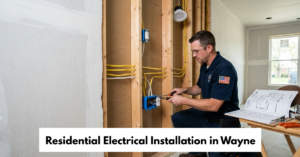
Planning a residential electrical installation is one of the most important steps when building a new home, renovating an old property, or upgrading outdated wiring systems in Wayne, MI. A well-planned electrical system ensures safety, efficiency, and long-term reliability for your household. Without proper planning, homeowners often face issues like overloaded circuits, frequent power outages, or costly rework later on. That is why understanding the full process before starting is essential.
In Wayne, MI, many homeowners rely on trusted professionals like Whitney Services for expert guidance and installation support. Their experience in residential projects helps ensure that electrical systems are designed according to modern safety standards and household needs. Proper planning not only improves safety but also increases the value and functionality of your home.
Understanding Residential Electrical Installation Basics
Before starting a residential electrical installation, it is important to understand what it includes. This process involves designing and installing all electrical systems in a home, such as wiring, circuit breakers, outlets, lighting, and panel boards. It also includes ensuring that the system can handle the electrical load of modern appliances like air conditioners, refrigerators, washing machines, and smart home devices.
In Wayne, MI homes, electrical codes must be followed strictly to meet local safety regulations. A poorly installed system can lead to hazards such as electrical fires or short circuits. That’s why professional planning is always recommended. Companies like Whitney Services help homeowners design systems that are both efficient and compliant with local codes.
Step 1: Evaluate Your Home’s Electrical Needs
The first step in planning a residential electrical installation is evaluating your home’s power requirements. Every household is different. A small home may need fewer circuits, while a large family house will require a more complex setup.
You should consider:
- Number of rooms and appliances
- Heating and cooling systems
- Kitchen and laundry equipment
- Future upgrades like EV chargers or smart home devices
In Wayne, MI, many homeowners also plan for future expansion when designing their electrical systems. This ensures the system does not become outdated too quickly. Experts from Whitney Services often recommend adding extra capacity in the electrical panel to accommodate future needs.
Step 2: Create a Detailed Electrical Layout Plan
A proper electrical layout is the backbone of any successful installation. This plan includes the placement of outlets, switches, lighting fixtures, and major appliances. It also defines how wiring will run through walls, ceilings, and floors.
During this stage, it is important to think about convenience and safety. For example:
- Outlets should be placed at easy-to-reach locations
- Kitchens and bathrooms need special wiring due to moisture
- Lighting should be distributed evenly across rooms
In Wayne, MI homes, professional electricians often use advanced planning tools to create accurate layouts. Whitney Services is known for helping homeowners design efficient electrical layouts that reduce energy waste and improve usability.
Step 3: Choose the Right Electrical Panel and Wiring
Selecting the right electrical panel is crucial for a safe residential electrical installation. The panel distributes electricity throughout your home and protects circuits from overload. Most modern homes require a 200-amp panel to handle today’s energy demands.
Wiring selection is equally important. Copper wiring is commonly used because it is durable and efficient. The thickness of wires depends on the load each circuit will carry.
In Wayne, MI, outdated homes often still use old aluminum wiring, which may need replacement during upgrades. Professionals like Whitney Services assess the condition of existing systems and recommend safe replacements where needed.
Step 4: Follow Local Electrical Codes and Permits
Electrical work in Wayne, MI must follow strict local building codes. These codes are designed to ensure safety and prevent hazards. Before starting installation, homeowners usually need permits from local authorities.
Some key requirements include:
- Proper grounding of all systems
- Use of circuit breakers for protection
- Correct spacing of outlets and switches
- Compliance with fire safety regulations
Working with licensed professionals such as Whitney Services ensures that all installations meet legal standards. This prevents future issues during inspections or home resale.
Step 5: Hire Qualified Electrical Professionals
One of the most important decisions in planning a residential electrical installation is choosing the right electrician. While DIY projects may seem cost-effective, electrical work is highly complex and dangerous if done incorrectly.
Professional electricians provide:
- Safe installation practices
- Proper load calculations
- Code compliance
- Long-term reliability
In Wayne, MI, Whitney Services is considered one of the most reliable providers for residential electrical projects. Their team ensures that installations are completed safely, efficiently, and with attention to detail.
Step 6: Schedule Installation and Testing
Once planning is complete, the installation phase begins. Electricians will install wiring, outlets, panels, and fixtures according to the approved plan. After installation, a thorough testing process is conducted to ensure everything works correctly.
Testing includes:
- Checking circuit loads
- Inspecting grounding systems
- Testing outlets and switches
- Verifying safety compliance
In Wayne, MI homes, this step is critical because it ensures that the system is safe for everyday use. Whitney Services emphasizes detailed testing to prevent future electrical issues.
Step 7: Plan for Maintenance and Future Upgrades
Electrical systems require occasional maintenance to stay in good condition. Regular inspections help identify potential issues before they become serious problems. Homeowners should schedule periodic check-ups, especially in older homes.
Additionally, planning for future upgrades is important. As technology evolves, homes may require additional power for devices like smart appliances, solar panels, or electric vehicle chargers.
Whitney Services often advises Wayne, MI homeowners to design flexible systems that can easily support future electrical demands.
Benefits of Proper Electrical Planning
Proper planning of a residential electrical installation offers many benefits, including:
- Improved home safety
- Reduced risk of electrical fires
- Energy efficiency and lower bills
- Increased property value
- Smooth operation of appliances
In Wayne, MI, homeowners who invest in proper planning often experience fewer electrical issues and long-term cost savings. Working with experts like Whitney Services ensures these benefits are fully achieved.
Final Thoughts
Planning a residential electrical installation in Wayne, MI homes is not just about wiring—it is about creating a safe, efficient, and future-ready electrical system. From evaluating energy needs to hiring professionals, every step plays a vital role in ensuring long-term performance.
By working with trusted experts like Whitney Services, homeowners can confidently design and install electrical systems that meet modern standards while ensuring safety and reliability for years to come.
Frequently Asked Questions
Planning ensures safety, efficiency, and compliance with local electrical codes, reducing risks and future repair costs.
It depends on the size of the home, but most installations in Wayne, MI take a few days to a couple of weeks.
It is not recommended. Electrical work should always be handled by licensed professionals like Whitney Services to ensure safety.
Costs vary based on home size and complexity, but proper planning helps avoid unnecessary expenses.
It is recommended to inspect your system every 3–5 years or during major renovations.