If you are searching for generator installation Battle Creek MI, Whitney Services helps homeowners prepare for outages with safer backup power planning, proper electrical connections, and professional installation. A power outage can stop heating and cooling equipment, refrigerators, sump pumps, medical devices, lighting, internet equipment, and other household systems. In Battle Creek, storms, high winds, ice, tree damage, and utility repairs can all interrupt electrical service. A backup generator Battle Creek homeowners rely on should not be treated as a quick plug in fix. It must be sized correctly, connected safely, and installed with the right transfer equipment so the home has usable power without creating hazards for the household or utility workers. Consumers Energy warns customers to stay at least 25 feet away from downed power lines and to report unguarded downed lines to 911 and Consumers Energy, which shows why power outage planning should include safety steps, not only convenience.
Why Backup Power Matters for Battle Creek Homes
Power outages can cause more than temporary discomfort. For some homes, losing power can mean a flooded basement, spoiled food, loss of heat, loss of cooling, or loss of needed medical equipment. A generator gives the home a backup source of electricity when utility power goes out.
Outages Can Affect Basic Home Systems
Many home systems depend on electricity. A gas furnace may still need electric power for the blower, controls, and ignition. A sump pump needs power to move water away from the basement. To keep food safe, freezers and refrigerators require electricity. Internet routers, security systems, garage doors, and well pumps may stop working during an outage.
A generator can help support selected systems or, in some cases, the full home. The right setup depends on the home’s panel, load, fuel source, equipment size, and the homeowner’s priorities.
Storm Planning Should Happen Before the Storm
A generator should be planned before severe weather arrives. Waiting until a power outage starts can lead to unsafe choices, rushed setup, overloaded cords, poor ventilation, or improper connections.
Consumers Energy has warned customers during severe weather updates to stay away from downed lines and never use a generator in an attached garage, basement, enclosed patio, or near air intakes because of carbon monoxide risk.
That is why standby generator installation should include both equipment planning and safety planning.
Portable Generator vs Standby Generator
Homeowners often compare portable generators with standby generators. Both can supply backup power, but they work in different ways.
Portable Generators
A portable generator can run selected appliances or circuits during an outage. It is usually moved into position when needed, filled with fuel, started manually, and connected through approved cords or a transfer device.
Portable generators must be used outside. The Consumer Product Safety Commission says portable gas generators should be used outside only, at least 20 feet from the home, and never inside a home, garage, or shed because carbon monoxide can kill within minutes.
Portable generators can be useful for short outages, but they require safe placement, fuel handling, weather protection, and proper connection.
Standby Generators
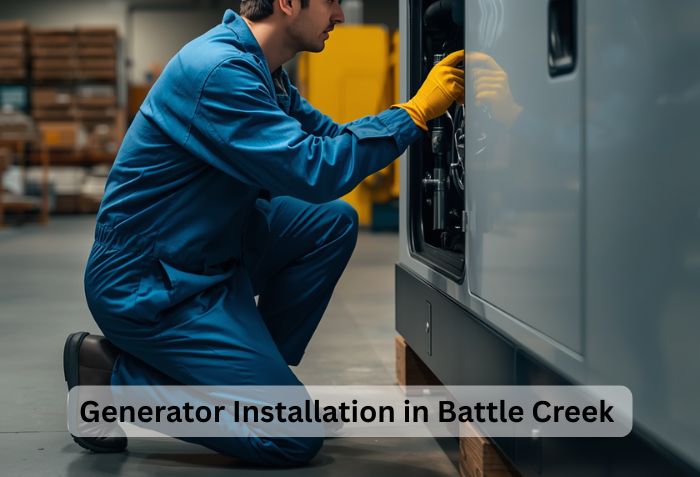
A standby generator is permanently installed outside the home. It is usually connected to a fuel source such as natural gas or propane and connected through an automatic transfer switch. When utility power fails, the system can start automatically and send power to selected circuits or the full home, depending on the design.
A whole house generator Michigan homeowners install may support major systems like heat, refrigerator, sump pump, kitchen circuits, lighting, and selected outlets. Some systems can support most of the home, but sizing must be done carefully.
Which Option Fits Your Home
The best choice depends on how much power you need, how often outages happen, whether anyone in the home has medical equipment needs, whether the basement relies on a sump pump, and whether you want automatic backup power.
Whitney Services can review the panel, electrical loads, fuel source, generator location, and circuit priorities before recommending the right backup power setup.
Why Generator Installation Should Include a Transfer Switch
A generator should not be connected to a home by plugging it into a wall outlet. That unsafe practice can send electricity back into utility lines and put lineworkers, neighbors, and the home at risk.
What a Transfer Switch Does
A transfer switch separates the generator from the utility supply. It allows the home to receive power from one source at a time. When utility power is on, the home uses utility power. When the generator is used, the transfer switch prevents generator power from feeding back into the utility system.
Manual Transfer Switch
A manual transfer switch is often used with portable generators. The homeowner starts the generator, connects it properly, and switches selected circuits from utility power to generator power.
Automatic Transfer Switch
An automatic transfer switch is often used with standby generators. It senses utility power loss, signals the generator to start, transfers the load, and then returns the home to utility power once service is restored.
Why Professional Installation Matters
Transfer switch installation involves the electrical panel, service equipment, circuit planning, grounding, and code requirements. A licensed electrician should complete the work.
Battle Creek schedules electrical and plumbing inspections, applies for permits, and uploads digital designs via BS&A Online. City code states that electrical wiring work generally requires the proper permit from the City Inspection Division, with listed exceptions.
How Generator Size Is Determined
Generator sizing should not be based on guesswork. An undersized generator can overload or fail to support needed systems. An oversized generator can cost more than needed and may not match the home’s actual needs.
Start With Must Have Circuits
The homeowner should decide what matters during an outage. This may include:
Refrigerator and freezer
Sump pump
Furnace blower or boiler controls
Medical equipment
Selected lighting
Kitchen outlets
Internet equipment
Garage door opener
Well pump, where applicable
Air conditioning, where needed
The more systems you want to run, the larger the generator may need to be.
Consider Starting Loads
Some equipment uses more power at startup than while running. Motors in pumps, compressors, HVAC systems, and refrigerators can have higher starting demand. A generator must be able to handle those startup loads without tripping or stalling.
Review the Electrical Panel
The panel must be checked before generator installation. The electrician needs to see the main service size, circuit layout, panel condition, grounding, available spaces, and any existing electrical concerns.
If the panel is outdated, crowded, or unsafe, Whitney Services may recommend repairs or panel upgrades before the generator is connected.
Whole House Generator Michigan Planning
A whole house generator can make outage response easier, but it needs proper planning.
Fuel Source
Standby generators usually use natural gas or propane. The available fuel source can affect generator size, placement, and cost. If natural gas service is available, the fuel line may need review to confirm it can support the generator. Propane systems may require tank sizing and placement planning.
Outdoor Placement
Generators must be placed outside, away from openings and intake points. Manufacturer instructions, local requirements, clearance needs, exhaust direction, and service access all matter.
The CPSC says generators should be used outside only, at least 20 feet from the home, and exhaust should be directed away from the home.
Load Selection
Some homeowners want the whole home powered. Others only need selected circuits. Load selection affects generator size and cost. For many homes, a selected circuit system can provide enough comfort and safety without powering every device.
Noise and Neighbor Considerations
Standby generators produce noise when operating. Location should consider bedrooms, property lines, windows, and neighboring homes. A professional installer can help place the unit where it is safer and more practical.
When to Call an Emergency Electrician Battle Creek Homeowners Trust
Some outage issues need urgent electrical service. A generator cannot solve damaged service equipment, storm damaged wiring, or a hazardous panel.
Call for Electrical Hazards
Call for help if you see sparking, burning smells, damaged mast equipment, damaged service cable, water near electrical equipment, or a panel that is hot or buzzing.
Consumers Energy says to stay at least 25 feet away from downed power lines and call 911 plus Consumers Energy when downed lines are present.
Call Before Using a Generator With Damage Present
If storm damage affects the meter, service mast, panel, outdoor wiring, or grounding, do not connect a generator until the electrical system has been inspected.
Call After Power Returns If Something Is Wrong
If breakers trip repeatedly after power is restored, lights flicker, outlets stop working, or the panel smells hot, schedule electrical troubleshooting.
Why Choose Whitney Services for Generator Installation
Whitney Services helps Battle Creek homeowners plan backup power with safety, comfort, and long range use in mind.
Site Review Before Installation
A proper generator project starts with a review of the panel, home loads, placement options, fuel supply, and outage priorities.
Safer Electrical Connections
Whitney Services can install generator connections with transfer equipment designed to protect the home and reduce backfeed risk.
Practical Generator Recommendations
Not every home needs the largest system. Whitney Services can help decide whether a portable generator connection, standby generator, selected circuit setup, or whole house system is the right fit.
Permit Aware Work
Generator projects often involve electrical wiring and inspection steps. Whitney Services can help homeowners understand local requirements before work begins.
FAQs About Generator Installation Battle Creek MI
1. What size generator do I need for my Battle Creek home?
The right generator size depends on what you want to power during an outage. A smaller setup may handle a refrigerator, freezer, sump pump, furnace controls, internet equipment, and a few lights. A larger standby generator may support heating and cooling equipment, kitchen circuits, laundry equipment, and more of the home.
A licensed electrician should review your electrical panel and load before recommending a size. Motors, pumps, and HVAC equipment can need more power when starting, so generator sizing must account for both running loads and startup demand. Whitney Services can inspect the home and help you decide which circuits should receive backup power.
2. Is a standby generator better than a portable generator?
A standby generator is more convenient because it is permanently installed and can start automatically during an outage. It is often better for homeowners who want less manual setup, have medical equipment needs, rely on a sump pump, or want backup power while away from home.
A portable generator can cost less upfront and may be enough for selected loads, but it requires manual setup, outdoor placement, proper cords or transfer equipment, and safe fuel handling. Both options must be used safely. Portable generators should never be used indoors or in a garage because of carbon monoxide risk.
3. Do I need a transfer switch for a generator?
Yes, if you want to connect a generator to home circuits, you need proper transfer equipment. A transfer switch keeps generator power separated from utility power. This helps protect the home, utility workers, and nearby electrical systems.
Without a transfer switch, unsafe connections can cause backfeed. Whitney Services can install a manual transfer switch for some portable generator setups or an automatic transfer switch for many standby generator systems.
4. Can I run a generator in my garage if the door is open?
No. A generator should not run inside a garage, even if the door is open. Carbon monoxide is colorless and odorless, and it can build up quickly. The CPSC says portable gas generators should be used outside only, at least 20 feet from the home, and never inside a home, garage, or shed.
Place the generator outside, direct exhaust away from doors, windows, and vents, and use working carbon monoxide alarms in the home. ESFI also recommends carbon monoxide alarms outside sleeping areas and on every level of the home.
5. Does generator installation require a permit in Battle Creek?
Generator installation often involves electrical wiring, transfer equipment, and possibly panel work. Battle Creek uses BS&A Online for permit applications and scheduling electrical inspections. City code states that electrical wiring work generally requires the appropriate permit from the City Inspection Division, with listed exceptions.
Whitney Services can review the scope of work and help homeowners understand the likely permit and inspection path before installation begins.