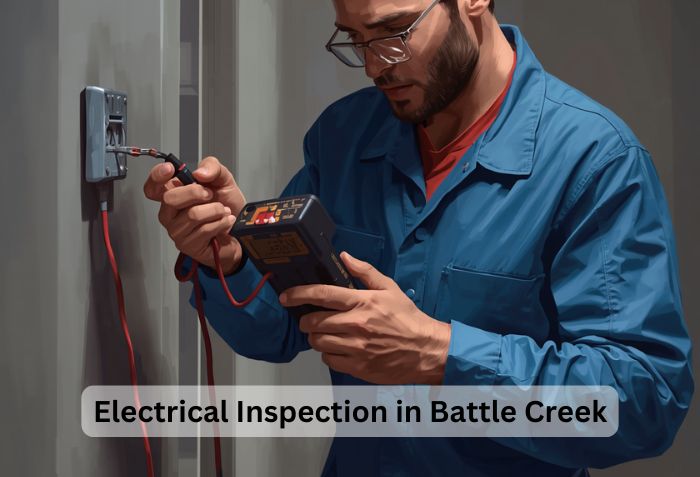
If you are searching for electrical inspection Battle Creek MI before buying a home, Whitney Services helps buyers, sellers, and real estate professionals understand the condition of panels, wiring, outlets, lighting, grounding, GFCI protection, and visible electrical safety concerns. A standard home inspection can identify general issues, but a pre purchase electrical inspection by a licensed electrician can take a closer look at the electrical system before you commit to repairs, remodeling, or long term ownership costs. Older Battle Creek homes may have outdated panels, ungrounded outlets, overloaded circuits, knob and tube wiring, aluminum wiring, missing GFCI protection, unsafe DIY work, or poor panel labeling. ESFI lists frequent breaker trips, dimming lights when other devices turn on, buzzing from switches or outlets, discolored outlets, and underpowered appliances as warning signs of an overloaded electrical system. Whitney Services can perform a breaker panel inspection, review visible wiring, check outlets, and explain which issues need quick repair and which ones can be planned after closing.
Why Electrical Inspection Matters Before Buying
A home purchase is often one of the largest financial decisions a family makes. Electrical problems can affect safety, insurance, renovation plans, and repair budgets. Some issues are visible during a showing, while others are hidden until a closer inspection is performed.
Electrical Repairs Can Affect Your Budget
A home may look move in ready while still needing panel replacement, grounded outlets, GFCI upgrades, new circuits, lighting repairs, or wiring corrections. These repairs can change the true cost of the home.
A pre purchase electrical inspection can help buyers understand likely repair needs before closing. This information can support negotiations, repair requests, or budget planning.
Older Homes May Have Old Electrical Systems
Battle Creek has homes from many building periods. Older homes may have fuse panels, outdated service sizes, ungrounded outlets, cloth covered wiring, old fixture boxes, or wiring changes from past remodels. Some old systems may still work but may not be ready for modern appliances, home offices, EV charging, or finished basement plans.
A licensed electrician can review visible electrical components and explain how the system compares with current use needs.
A General Home Inspection May Not Be Enough
A general home inspector provides a broad review of the property. Many inspectors check visible electrical items, but they do not always perform the same level of electrical troubleshooting or repair planning as a licensed electrician.
InterNACHI inspection guidance includes attention to GFCI and AFCI protection, while ASHI Standards of Practice are used by inspectors to report visible conditions and deficiencies. A licensed electrician can build on that information by evaluating panel condition, circuit concerns, repair methods, and potential upgrade needs.
What a Pre Purchase Electrical Inspection Can Include
A pre purchase electrical inspection is based on visible and accessible components. The goal is to identify concerns before ownership changes.
Breaker Panel Inspection
The panel is one of the main items to review. The electrician may check panel age, main breaker size, breaker condition, labeling, open spaces, rust, corrosion, heat signs, missing covers, double taps, grounding, and general workmanship.
A crowded or poorly labeled panel can make future repairs harder. A damaged or outdated panel may require replacement before major upgrades are added.
Service Equipment Review
The electrician may look at visible service equipment, including the meter area, service mast, weatherhead, grounding electrode conductor, and exterior disconnects where present. Damage, corrosion, or loose parts should be repaired.
Outlet Testing
Outlets may be tested for grounding, polarity, GFCI protection, looseness, and visible damage. Two slot outlets or three slot outlets without proper grounding deserve close attention.
GFCI and AFCI Review
GFCI protection helps reduce shock risk in wet and damp areas. AFCI protection helps reduce risk from certain arcing faults. A buyer should know whether protection is present in areas such as kitchens, bathrooms, garages, basements, laundry areas, bedrooms, and outdoor outlets.
Visible Wiring Review
Accessible wiring in basements, attics, garages, crawl spaces, and utility areas can reveal unsafe splices, open junction boxes, old wiring types, damaged insulation, or poor past repairs.
Lighting and Switch Review
The electrician can check for loose switches, flickering fixtures, missing covers, damaged boxes, and signs that fixtures are not safely supported.
Common Electrical Red Flags for Homebuyers
Some signs should prompt a closer inspection before the buyer moves forward.
Frequent Breaker Trips or Blown Fuses
If the seller mentions repeated breaker trips, or if breakers trip during the inspection, the system should be checked. A breaker may trip because of overload, wiring damage, a faulty appliance, moisture, or a failing breaker.
Flickering Lights
Flickering lights can come from a simple bulb problem, but repeated flickering across several rooms may point to a loose connection, overloaded circuit, or service issue.
Discolored Outlets
Brown or black marks near outlets and switches can be a sign of heat or arcing. These devices should be replaced only after the circuit is inspected.
Buzzing Sounds
Buzzing from outlets, switches, lights, or the panel should not be ignored. Electrical systems should operate quietly under normal conditions.
Extension Cord Dependence
If every room depends on power strips and extension cords, the home may not have enough outlets or circuits for modern use. ESFI warns that extension cords should not be used as a substitute for permanent wiring.
Open Junction Boxes
Splices should be enclosed in approved boxes with covers. Open splices in basements or attics are unsafe and should be corrected.
Electrical Code Inspection vs Safety Inspection
Buyers often ask whether a home must meet the newest electrical code before sale. The answer depends on the property, local rules, project scope, and what work is being performed.
Existing Homes May Have Older Systems
An older electrical system may have been acceptable when installed. That does not mean it is safe today, and it does not mean it will support the buyer’s future plans. A safety inspection focuses on hazards and practical use, while code requirements often apply when new work is performed.
New Work Should Meet Current Requirements
If a buyer plans to remodel, add circuits, install an EV charger, finish a basement, or upgrade a panel, that new work may need to meet current requirements and pass inspection.
Permits Matter
Battle Creek uses BS&A Online for permit applications, digital plan uploads, and scheduling electrical and plumbing inspections. City code states that electrical wiring work generally requires the proper permit from the City Inspection Division, with listed exceptions. Buyers should ask for records when major electrical work appears to have been done.
Questions Buyers Should Ask Before Closing
The inspection is not only about finding problems. It is about asking the right questions.
How Old Is the Panel
Ask whether the panel has been replaced and whether permit records exist. An older panel is not automatically unsafe, but it may need review before future upgrades.
Are Outlets Grounded
Three slot outlets do not always mean grounded circuits. Testing can confirm whether grounding is present.
Are There Signs of DIY Work
Look for mismatched outlets, loose switches, open boxes, messy panel wiring, unlabeled circuits, and strange extension cord setups. DIY electrical work may need correction.
Can the Panel Support Future Plans
If you plan to add modern appliances, EV charging, a hot tub, a finished basement, or a home office, ask whether the panel and circuits are ready.
Are There Safety Repairs Needed Right Away
Some repairs can wait. Others, such as damaged panels, hot outlets, exposed wiring, and improper generator connections, should be handled quickly.
Why Sellers May Order an Electrical Inspection
Sellers can benefit from an electrical inspection before listing the home.
Fewer Surprises During Negotiation
Finding electrical issues before the buyer’s inspection gives the seller time to repair or disclose them. This can reduce last minute delays.
Better Confidence for Buyers
A home with documented electrical repairs and recent inspection records may feel more trustworthy to buyers.
Cleaner Repair Planning
Sellers can prioritize repairs that are likely to affect safety or negotiations, such as panel hazards, missing GFCI protection, open junction boxes, and dead outlets.
Electrical Issues That Can Affect Insurance and Financing
Electrical findings can affect more than the repair list. Some buyers may face insurance or financing questions when a home has outdated or unsafe electrical systems.
Old Fuse Panels
Some insurers may ask questions about fuse panels or outdated service equipment. A fuse panel is not always an immediate failure, but it may suggest that the electrical system has not been updated in many years. A licensed electrician can inspect the system and explain whether replacement is recommended.
Knob and Tube Wiring
Knob and tube wiring may create concerns because it is old, lacks a modern grounding path, and may have been altered by past owners. A buyer should not assume it is safe just because lights work. An electrician can inspect accessible areas and recommend whether replacement is needed.
Aluminum Branch Wiring
Some homes built or remodeled in past decades may have aluminum branch wiring. This wiring requires special repair methods when problems are present. A buyer should ask for professional review before closing if aluminum wiring is suspected.
Unpermitted Work
A finished basement, garage conversion, kitchen remodel, or added outlets may look complete but lack permit records. Unpermitted electrical work can create questions during sale, insurance review, or future renovations. Battle Creek permit records and inspections may help clarify whether work was done through the proper process.
How Buyers Can Use the Electrical Inspection Report
The inspection report is most useful when it is turned into a clear plan.
Immediate Safety Repairs
Items such as exposed wiring, damaged panels, scorch marks, buzzing devices, open junction boxes, and wet electrical equipment should be treated as high priority. These issues should be reviewed before the home is occupied or before the affected areas are used.
Negotiation Items
Larger repairs, such as panel replacement, major rewiring, service upgrades, or correction of unsafe DIY work, may become negotiation items. Buyers can ask for repairs, credits, or price adjustments based on professional estimates.
Future Upgrade Planning
Not every finding needs immediate repair. Some items can be placed in a future plan, such as adding more outlets, improving lighting, installing smart switches, or preparing for EV charging. Whitney Services can help organize findings by safety, function, and future goals.
Follow Up Testing
If the home inspector found a concern, follow up testing by an electrician can confirm the cause. This may include outlet testing, circuit tracing, GFCI testing, panel review, and visible wiring checks.
What Sellers Should Repair Before Listing
Sellers do not always need to remodel the electrical system before listing, but basic safety repairs can help reduce buyer concerns.
Replace Damaged Devices
Cracked outlets, broken covers, loose switches, and missing plates are easy for buyers to notice. They can also suggest poor maintenance. Replacing damaged devices can improve safety and presentation.
Label the Panel
A panel with clear labels helps inspectors and buyers understand the system. If labels are wrong or missing, Whitney Services can help trace and update them.
Repair Obvious Hazards
Open junction boxes, exposed wiring, dead outlets, damaged exterior covers, and missing GFCI protection in wet areas should be reviewed before listing. Handling these items early can reduce surprises after the buyer’s inspection.
Why Choose Whitney Services for Home Safety Inspection Michigan Buyers Need
Whitney Services provides electrical inspection and repair support for Battle Creek homes.
Licensed Electrical Review
A licensed electrician can inspect electrical components from a repair and safety perspective, not only a general home inspection viewpoint.
Clear Repair Recommendations
Whitney Services can identify urgent hazards, recommended upgrades, and future planning items. This helps buyers avoid treating every issue as equal.
Repair Support After Closing
After the purchase, Whitney Services can complete outlet replacement, GFCI upgrades, lighting repairs, panel work, circuit additions, and wiring corrections.
Support for Older Homes
Older homes often need staged electrical improvements. Whitney Services can help create a practical plan based on safety, budget, and future renovations.
After the Inspection: What to Do Next
The inspection report should help you take action.
Separate Safety Repairs From Wish List Work
Safety repairs may include exposed wiring, damaged outlets, panel hazards, missing covers, overheating, or dangerous DIY work. Wish list work may include more outlets, smart switches, recessed lighting, or future EV charging.
Get Repair Estimates
Before closing, get estimates for significant electrical work. This helps with negotiations and planning.
Keep Records
Save inspection reports, repair invoices, permits, and product information. These records can help with insurance, resale, and future projects.
Plan Future Upgrades
If the home is safe but outdated, make a phased plan. Start with the panel, grounding, GFCI protection, and circuits needed for major appliances. Then plan lighting, smart home upgrades, and convenience outlets.
FAQs About Electrical Inspection Battle Creek
1. Should I get an electrical inspection before buying a home?
Yes. A pre purchase electrical inspection can help identify issues that a buyer may not see during a showing. This can include old panels, unsafe wiring, missing GFCI protection, ungrounded outlets, overloaded circuits, poor DIY work, and panel defects.
A licensed electrician can explain whether the issues are urgent safety concerns, future upgrade needs, or normal maintenance items. Whitney Services can help buyers understand the likely cost and priority of repairs before closing.
2. What is included in a breaker panel inspection?
A breaker panel inspection may include checking the panel age, main breaker, breaker condition, labeling, rust, heat damage, missing covers, grounding, wiring layout, open spaces, and signs of improper work. The electrician may also check whether the panel has enough capacity for future plans.
This matters because the panel controls power distribution for the home. A panel that is damaged, crowded, or poorly maintained can affect safety and future projects such as appliance upgrades, EV charging, basement finishing, or HVAC replacement.
3. Is a home inspection the same as an electrical inspection?
No. A general home inspection reviews many parts of the house, including visible electrical components. An electrical inspection by a licensed electrician focuses more closely on wiring, panels, outlets, grounding, GFCI protection, circuit concerns, and repair planning.
Both can be useful. The home inspector may identify concerns, and the electrician can review those concerns in more detail and provide repair options.
4. What electrical problems are common in older Battle Creek homes?
Common issues may include old panels, fuse boxes, ungrounded outlets, missing GFCI protection, worn switches, outdated wiring, poor panel labeling, open junction boxes, aluminum wiring, knob and tube wiring, and unsafe DIY changes.
Not every older home has major electrical problems, but age increases the chance that the system needs review. Whitney Services can inspect the home and help prioritize repairs.
5. Can electrical inspection findings affect a home sale?
Yes. Electrical findings can affect negotiations, repair requests, insurance questions, and buyer confidence. A panel problem, unsafe wiring, or missing safety protection may lead a buyer to request repairs or credits before closing.
Sellers can also order an inspection before listing so repairs can be handled early. This can reduce surprises and help keep the sale process cleaner.