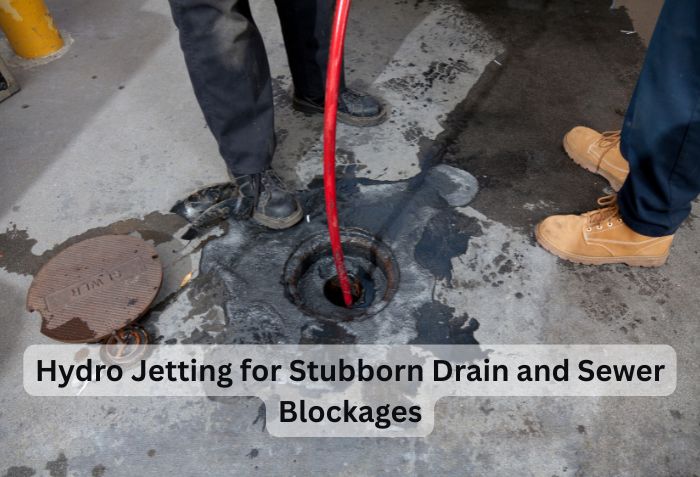
If you are searching for hydro jetting Battle Creek MI, Whitney Services helps homeowners and businesses clear stubborn drain and sewer blockages caused by grease, sludge, roots, wipes, paper buildup, scale, and debris inside the pipe. A simple clog may be cleared with a standard drain cable, but some blockages need stronger cleaning because the inside of the pipe has years of buildup stuck to the walls. Hydro jetting uses high pressure water to scour the pipe interior and restore better flow, making it a strong option for recurring kitchen drain clogs, sewer line restrictions, restaurant grease problems, floor drain backups, and commercial drain cleaning Michigan properties may need. The EPA lists fats, oils, grease, wipes, sanitary products, tree roots, leaks, improper connections, and poor sewer maintenance as contributors to sewer overflows and blockages, which is why a proper cleaning plan matters when drains keep backing up. Whitney Services can inspect the line, decide whether sewer jetting Battle Creek service is appropriate, and recommend camera inspection or pipe repair when a blockage may be tied to pipe damage rather than buildup alone.
Why Some Drain Clogs Keep Coming Back
A drain that clogs once may be caused by a temporary blockage near the fixture. A drain that clogs again and again usually has a bigger issue. The pipe may have buildup along the walls, a low spot that collects waste, roots entering the line, grease deposits, or pipe damage that catches debris.
Standard Drain Clearing May Only Open a Small Path
A drain cable can punch through a clog and restore flow. That may solve the immediate problem, but it may not remove buildup stuck to the pipe wall. If grease, sludge, or scale remains inside the line, new waste can catch in the same place and form another clog.
This is common in kitchen lines, restaurant drains, laundry drains, floor drains, and older sewer pipes. Water may flow for a while after basic cleaning, then slow again.
Grease and Sludge Can Coat the Pipe
Kitchen drains and commercial food service drains often collect grease. Grease can go down the drain as a warm liquid, then cool and stick inside the pipe. Food waste, soap residue, and other debris attach to that layer. Over time, the pipe opening gets smaller.
The EPA identifies fats, oils, and grease as materials that can create sewer blockages and contribute to sanitary sewer overflows. Hydro jetting can help remove grease and sludge more thoroughly than basic line opening when the pipe condition allows it.
Wipes and Paper Products Can Catch in Rough Areas
Toilets are built for human waste and toilet paper. Wipes, paper towels, feminine hygiene products, cotton pads, and similar items can snag inside the sewer line. The EPA includes some household products, including items marked flushable, among materials that may cause blockages.
If the pipe already has roots, a crack, or a rough section, these materials can collect faster.
Roots Can Enter Older Sewer Lines
Tree roots can enter through defects, open joints, cracks, or damaged pipe sections. Once roots get inside, they can trap paper and waste. Jetting may cut and clear root masses, but roots can return if the damaged opening is not repaired.
A sewer camera inspection is often useful when root issues are suspected.
What Hydro Jetting Does
Hydro jetting is a drain and sewer cleaning method that uses pressurized water through a specialized hose and nozzle. The water stream moves through the pipe, breaks up buildup, and flushes debris downstream or back toward the access point depending on the setup.
It Cleans More Than a Hole Through the Clog
The main benefit of hydro jetting is that it can clean the inner pipe wall. Instead of only creating a path through the clog, it can help remove grease, sludge, loose scale, sand, and soft debris from the pipe.
That makes it useful for drains that keep slowing down after basic cabling.
It Uses Water Instead of Harsh Drain Chemicals
Hydro jetting relies on water and professional equipment. It avoids the problems connected with pouring harsh chemicals into a blocked drain. Chemical products may fail to remove the full clog and can leave liquid sitting in the fixture when the drain remains blocked.
It Can Be Used for Residential and Commercial Lines
Hydro jetting can be used for some residential sewer lines, kitchen drains, laundry lines, and floor drains. It is also useful for restaurants, retail spaces, warehouses, apartment buildings, offices, and other commercial properties where drains handle heavy use.
It Must Match the Pipe Condition
Hydro jetting is powerful, so the pipe must be suitable for the method. A fragile, collapsed, broken, or badly offset pipe may need repair instead of jetting. A plumber may recommend camera inspection before or after cleaning to confirm pipe condition.
Hydro Jetting vs Standard Drain Cleaning
Both methods can be useful. The right choice depends on the type of clog, pipe condition, access, and whether the problem keeps returning.
Standard Drain Cleaning
Standard drain cleaning often uses a cable or auger to break through a clog. This can work well for a simple blockage near a fixture, a toilet clog, a hair clog, or a one time drain problem.
A cable may be the right first step when the blockage is local and the pipe has not had repeat trouble.
High Pressure Drain Cleaning
High pressure drain cleaning uses water force to wash buildup from inside the pipe. It can be better for grease, sludge, sand, soft deposits, and longer pipe runs that need more than a small opening.
OSHA describes high pressure water jetting in construction settings as equipment using pressure pumps, specialized nozzles, and water under high force, which is one reason this kind of work should be handled with proper training and safety practices.
When Cabling May Be Better
Cabling may be better for certain fixture clogs, fragile lines, blocked toilets, or situations where the pipe condition is unknown and jetting would be too aggressive without inspection.
When Hydro Jetting May Be Better
Hydro jetting may be better when drains clog repeatedly, grease is suspected, sludge buildup is heavy, floor drains back up, commercial kitchen lines slow down, or a sewer line needs stronger cleaning before camera inspection.
Signs You May Need Hydro Jetting Battle Creek MI Service
Hydro jetting is not needed for every clog. It is most useful when the problem is stubborn, recurring, or spread across a larger drain line.
The Same Drain Keeps Clogging
If the kitchen sink, floor drain, or main sewer line keeps clogging after normal cleaning, buildup may still be inside the pipe. Hydro jetting can clean more of the pipe interior when the line is in condition to handle it.
Several Fixtures Are Slow at Once
If toilets, tubs, showers, sinks, and floor drains are all slow, the issue may be in the main sewer line. A main line clog should be inspected quickly because backups can affect the whole home or business.
Grease Is Likely Involved
Restaurants, commercial kitchens, break rooms, and busy home kitchens often deal with grease buildup. Grease clog removal may require more than a cable if the pipe walls are coated.
Floor Drains Back Up
Floor drains in basements, laundry rooms, kitchens, mechanical rooms, and commercial spaces can collect dirt, mop water, grease, lint, and debris. If floor drains smell, drain slowly, or back up, jetting may be considered.
Sewer Odors Are Present
Sewer odor with slow drains can point to buildup, venting problems, dry traps, or sewer line restrictions. A plumber can inspect the problem and decide whether cleaning or repair is needed.
A Camera Inspection Shows Heavy Buildup
Camera inspection may show grease, sludge, roots, or debris inside the line. Hydro jetting may be recommended to clean the line before checking the pipe again.
Sewer Jetting Battle Creek for Main Line Problems
A main sewer line blockage can affect the entire property. This is one of the most serious drain issues because wastewater may back up into lower fixtures.
Common Main Line Symptoms
Main line issues may cause several drains to slow at once, toilets to gurgle, water to appear in a tub or shower, sewage odor to come from drains, or basement floor drains to overflow.
If wastewater is backing up, stop using water and call a plumber. Running more water can make the backup worse.
Why Main Line Cleaning Needs Care
A sewer line may be clogged by grease, roots, paper, wipes, soil, pipe damage, or a collapsed section. Jetting may clear buildup, but it should not be treated as the only answer when the pipe is damaged.
A camera inspection can help identify whether the line is only dirty or structurally compromised.
Health and Cleanup Concerns
The EPA states that sanitary sewer overflows can contain untreated or partly treated sewage, and sewage can carry bacteria, viruses, parasites, intestinal worms, inhaled molds, and fungi. Keep children and pets away from backed up wastewater and avoid contact with affected areas.
Cleaning Can Reduce Future Backup Risk
EPA notes that sewer system cleaning and maintenance, controls on fats, oils, and grease, and public education about what clogs sewers can help reduce sewer overflow problems.
For a property owner, that means sewer cleaning should be paired with better drain habits and repair planning when damage is found.
Grease Clog Removal for Homes and Businesses
Grease is one of the most common reasons hydro jetting is considered.
Why Grease Clogs Are Hard to Clear
Grease does not always form one solid plug. It can coat the pipe wall in layers. A cable may open a path through the middle while leaving grease along the sides. That remaining grease catches more waste and the clog returns.
Hydro jetting can wash much more of that material from the pipe when performed properly.
Home Kitchen Grease Problems
Home kitchen clogs often come from cooking oil, butter, meat fat, sauces, food scraps, and soap residue. Even if hot water makes grease look like it is washing away, it can cool farther down the drain and stick to the pipe.
Commercial Grease Problems
Commercial kitchens create more grease and food waste than homes. Restaurants, cafeterias, bakeries, bars, schools, and food production spaces may need routine drain cleaning to prevent downtime.
Grease Interceptors Still Need Drain Care
A grease interceptor can help manage fats, oils, and grease, but drains can still clog when equipment is not maintained or when food waste and grease enter the line. Commercial properties should have a cleaning schedule based on use.
Commercial Drain Cleaning Michigan Properties May Need
Commercial drains often need faster response and planned maintenance because a backup can affect customers, employees, inventory, sanitation, and business operations.
Restaurants and Food Service
Restaurant drains handle food waste, grease, dishwashing discharge, mop water, and heavy daily use. Hydro jetting may be part of a maintenance plan to reduce grease blockages.
Apartment and Multi Unit Buildings
Multi unit properties can have drain problems caused by many users. Wipes, grease, hair, soap, and foreign objects may all enter the same drainage system. Routine cleaning and resident education can help reduce backups.
Retail and Office Buildings
Bathrooms, break rooms, janitor sinks, floor drains, and utility spaces may need service when drains slow or smell. A backup can disrupt operations and create cleanup costs.
Warehouses and Industrial Spaces
Floor drains and process related drains may collect debris, sediment, oils, or washdown water. A plumber can inspect whether hydro jetting is suited to the pipe and material involved.
Preventive Cleaning Plans
Commercial properties often benefit from scheduled cleaning before backups happen. A planned approach can reduce emergency calls and help property managers document maintenance.
Why Hydro Jetting Should Be Done by Professionals
Hydro jetting equipment is not a casual tool. It uses strong water force, and sewer lines can contain bacteria, sharp debris, gases, and unknown pipe conditions.
High Pressure Water Requires Training
High pressure water can cause injury when equipment is misused. OSHA describes high pressure water jetting as using pressure pumps and specialized nozzles in high force applications.
A trained plumber knows how to control the hose, choose the nozzle, set the pressure, protect the work area, and avoid damaging the pipe.
Sewer Work Has Exposure Risks
Sewer lines may contain wastewater and debris. EPA notes that sewage can carry harmful organisms. Proper protective equipment, cleanup practices, and work methods matter.
Pipe Condition Must Be Considered
A damaged sewer line may not be safe for aggressive cleaning. If the pipe is cracked, collapsed, badly offset, or fragile, jetting could make the problem worse. Inspection helps prevent the wrong method from being used.
Access Points Matter
Jetting should be done through proper access points such as cleanouts where possible. Trying to force equipment through poor access can damage fixtures or create messy backups.
What Happens During a Hydro Jetting Service
Whitney Services can evaluate the drain or sewer line before choosing the best cleaning method.
Initial Symptom Review
The plumber asks which drains are affected, how long the issue has been happening, whether backups occurred before, whether grease may be involved, and whether a sewer smell is present.
Access Point Check
The plumber locates safe access points. This may include a cleanout, floor drain, sewer access, trap access, or other service point.
Camera Inspection When Needed
Camera inspection may be recommended before jetting when pipe damage, roots, recurring clogs, or older sewer lines are suspected. It may also be used after jetting to confirm the line is cleaner and to identify remaining pipe problems.
Jetting the Line
The plumber sends the hose and nozzle through the line. Water pressure helps cut through buildup and move debris out of the pipe. The nozzle choice and technique depend on the material being cleared.
Flow Testing
After cleaning, water is run through the line to confirm better drainage. If the drain still backs up, the issue may involve pipe damage, improper slope, or a blockage that needs another repair method.
Repair Recommendations
If the plumber finds roots, cracks, offsets, or a collapsed area, Whitney Services can recommend sewer repair, pipe repair, or further inspection.
When Hydro Jetting May Not Be the Right Choice
Hydro jetting is useful, but it is not always the answer.
Broken or Collapsed Pipe
If the pipe is broken or collapsed, cleaning may not restore reliable flow. Pipe repair or replacement may be needed.
Severely Offset Joints
A pipe joint that has shifted can catch debris and block equipment. Jetting may not correct the offset.
Fragile Old Lines
Some older lines may be too fragile for aggressive water cleaning. Camera inspection can help determine risk.
Improper Drain Layout
A drain with poor slope or bad layout may continue to clog even after cleaning. The pipe may need correction.
Foreign Objects
Toys, utensils, heavy objects, construction debris, and similar items may not be removed by jetting alone. Another method may be required.
Battle Creek Permit and Inspection Notes
Routine drain cleaning may not be treated the same as pipe replacement, but larger plumbing work can require permits.
Plumbing Permit Rules
Battle Creek code states that plumbing work, whether new or replacement, requires a permit from the Building Inspection Division before work begins. Permits are issued to a licensed master plumber or to a homeowner working on their own single family dwelling.
Online Permit and Inspection Scheduling
The City of Battle Creek states that BS&A is the online portal used for permit applications, digital plan uploads, and electrical and plumbing inspection scheduling.
When This May Matter
If hydro jetting reveals damaged sewer pipe, broken cleanouts, underground plumbing problems, or a need for pipe replacement, permit steps may apply. Whitney Services can review the scope and explain what may be needed before repair work starts.
Preventing Future Drain and Sewer Blockages
Hydro jetting can clean a line, but prevention helps keep it flowing longer.
Keep Grease Out of Drains
Let grease cool in a container and place it in the trash. Wipe greasy pans with a paper towel before washing. Grease inside pipes can build up again even after cleaning.
Avoid Wipes and Non Toilet Items
Do not flush wipes, paper towels, cotton pads, hygiene products, dental floss, or similar items. The EPA lists some household products, including items marked flushable, as materials that may create sewer blockages.
Use Sink Strainers
Sink strainers help catch food scraps, hair, and debris before they enter the drain.
Schedule Drain Cleaning for Heavy Use Properties
Restaurants, multi unit buildings, and commercial kitchens may need planned cleaning to reduce surprise backups.
Get Camera Inspection for Recurring Issues
If the same line clogs repeatedly, there may be roots, a belly, a crack, or an offset joint. Cleaning alone may not solve the cause.
Why Choose Whitney Services for Hydro Jetting Battle Creek MI
Whitney Services helps Battle Creek homeowners and businesses clear stubborn drain problems with the right method for the pipe and blockage.
Proper Diagnosis Before Cleaning
Whitney Services can inspect the symptoms and decide whether cabling, hydro jetting, camera inspection, or pipe repair is the right step.
Residential and Commercial Service
Service is available for home drains, sewer lines, restaurants, commercial kitchens, floor drains, retail properties, and other business plumbing needs.
Help With Recurring Clogs
Recurring clogs need more than a temporary opening. Whitney Services can clean the line and look for the reason the clog keeps coming back.
Local Plumbing Awareness
When repair work is needed after cleaning, Whitney Services can help property owners understand Battle Creek plumbing permit and inspection requirements.
FAQs About Hydro Jetting Battle Creek
1. What is hydro jetting?
Hydro jetting is a drain and sewer cleaning method that uses pressurized water to remove buildup inside pipes. A plumber sends a hose and nozzle into the line, and the water helps break apart grease, sludge, loose scale, and debris.
It is different from basic drain cabling because jetting can clean more of the pipe wall instead of only opening a path through a clog. It is often used for recurring clogs, grease buildup, floor drains, commercial drains, and sewer lines when the pipe condition is suitable.
2. When do I need hydro jetting instead of regular drain cleaning?
Hydro jetting may be a better choice when the same drain keeps clogging, grease is suspected, several fixtures are slow, a sewer line has heavy buildup, or a commercial drain needs a stronger cleaning method. Standard drain cabling may work for simple clogs, but it may leave buildup behind.
Whitney Services can inspect the problem first. If the clog appears local or the pipe is fragile, another method may be better. If grease, sludge, or recurring buildup is the issue, hydro jetting may provide a more complete cleaning.
3. Is hydro jetting safe for old sewer pipes?
Hydro jetting can be safe for many sewer lines, but not every old pipe is a good candidate. Pipes that are cracked, collapsed, severely offset, or fragile may need repair rather than high pressure cleaning.
A sewer camera inspection may be recommended before jetting an older line. The camera can show roots, broken sections, low spots, heavy buildup, or pipe damage. Whitney Services can use that information to decide whether sewer jetting Battle Creek service is appropriate.
4. Can hydro jetting remove grease clogs?
Yes, hydro jetting is often used for grease clog removal because it can wash grease and sludge from the pipe wall. A cable may open a path through grease, but jetting can remove more of the buildup when done properly.
Grease can return if disposal habits do not change. Keep cooking oil and grease out of drains, scrape plates before washing, and schedule planned drain cleaning for commercial kitchens or properties with heavy use.
5. Is hydro jetting useful for commercial drain cleaning?
Yes. Hydro jetting can be useful for commercial drain cleaning Michigan businesses need, especially in restaurants, commercial kitchens, apartment buildings, retail spaces, warehouses, and properties with floor drains or recurring backups.
Commercial properties often have heavier drain use than homes. Planned hydro jetting can reduce surprise blockages, support cleaner drain flow, and help property managers stay ahead of sewer or grease related issues. If repair work is found during service, Whitney Services can review the next steps and permit needs.
Schedule Hydro Jetting in Battle Creek
Stubborn drain and sewer blockages should not be treated with guesswork. If your sink, floor drain, commercial drain, or sewer line keeps backing up after basic cleaning, Whitney Services can inspect the line and recommend the right solution.
Call Whitney Services for hydro jetting Battle Creek MI service, high pressure drain cleaning, sewer jetting Battle Creek support, grease clog removal, and commercial drain cleaning Michigan properties need when buildup keeps returning.