Electrical systems play a critical role in keeping homes safe, functional, and efficient. In Florida, strict regulations are in place to ensure every installation, upgrade, and repair meets safety standards. Understanding electrical code requirements helps homeowners avoid hazards, prevent costly violations, and maintain property value.
Florida’s unique climate, with high humidity, heavy storms, and frequent lightning, makes compliance even more important. Whether you’re upgrading your home or managing a commercial property, following electrical code requirements ensures your system performs reliably under demanding conditions. Professional providers like Whitney Services help ensure every project aligns with current standards, reducing risks and improving long-term performance.
Key Takeaways:
- electrical code requirements are essential for safety, compliance, and efficiency
- Florida follows national standards with local adjustments
- Proper installation reduces fire risks and system failures
- Regular inspections help maintain compliance
- Hiring professionals like Whitney Services ensures reliable, code-compliant work
- Upgrades are often necessary for older homes
Why Florida Electrical Codes Matter
Electrical codes are designed to protect both property and occupants by ensuring safe and reliable system performance. In Florida, these standards are especially critical due to high humidity, frequent storms, and increasing energy demands. Adhering to electrical code requirements helps reduce risks while maintaining compliance with state and local regulations.
Key reasons why electrical code requirements matter:
- Prevent electrical fires and shock hazards
- Ensure safe and consistent power distribution
- Adapt systems to Florida’s humid, coastal, and storm-prone conditions
- Keep installations aligned with evolving safety standards
- Support insurance eligibility and property inspection requirements
Failing to meet electrical code requirements can lead to serious safety concerns, failed inspections, and costly repairs. Working with experienced professionals such as Whitney Services ensures systems are installed, inspected, and maintained according to current standards, helping protect both residential and commercial properties.
Key Electrical Code Requirements for Florida Homes
Florida homes must follow strict standards to ensure safety, efficiency, and long-term system reliability. These requirements are designed to address modern electrical demands and environmental conditions.
Electrical Panel and Service Requirements
Your electrical panel is the heart of your system. Florida codes require:
- Proper panel capacity to handle modern electrical loads
- Clearly labeled circuits for safety and maintenance
- Safe and accessible panel placement
- Updated breakers that meet current safety standards
Outdated panels often fail to meet electrical code requirements, increasing the risk of overloads and fire hazards.
Wiring and Installation Standards
Wiring must be installed correctly to ensure long-term safety and durability.
- Use of approved materials and insulation types
- Protection against moisture and corrosion
- Secure connections and proper routing
- Grounding and bonding for electrical stability
Outlet and GFCI/AFCI Requirements
Modern homes require advanced protection systems.
- GFCI outlets in kitchens, bathrooms, garages, and outdoors
- AFCI protection in living areas and bedrooms
- Proper outlet spacing to prevent overloading
- Tamper-resistant outlets for safety
Lighting and Fixture Codes
Lighting systems must meet both functional and safety standards.
- Weatherproof fixtures for outdoor areas
- Proper installation in damp or wet locations
- Energy-efficient lighting solutions
- Secure mounting and wiring
Meeting these electrical code requirements ensures a safer, more efficient home while reducing risks, preventing violations, and supporting long-term system performance.
Common Electrical Code Violations in Florida Homes
Many electrical issues in Florida homes go unnoticed until they cause safety concerns or inspection failures. Understanding these violations helps homeowners maintain compliance and avoid unnecessary risks.
Common issues include:
- Outdated or unsafe wiring systems that cannot support modern electrical loads
- Lack of proper grounding, increasing the risk of electrical shock
- Overloaded circuits due to excessive appliance usage on a single line
- Missing GFCI or AFCI protection in required areas such as kitchens, bathrooms, and bedrooms
- DIY electrical work that does not meet current installation standards or permitting rules
These issues often result from aging systems or unlicensed modifications and can quickly lead to serious hazards. Ignoring electrical code requirements can result in failed inspections, increased repair costs, insurance complications, and higher safety risks. Whitney Services helps homeowners maintain compliant, efficient, and safe electrical systems through regular inspections, professional evaluations, and expert repair recommendations for long-term reliability and peace of mind.
Electrical Codes for Commercial vs Residential Properties
Electrical standards apply to both residential and commercial buildings, but the requirements differ significantly due to usage, load demand, and safety expectations. Understanding these differences is essential for proper design, installation, and compliance.
Key differences include:
- Commercial properties require significantly higher electrical capacity to support heavy equipment, lighting, and continuous operation
- More complex electrical systems with advanced distribution panels and backup solutions
- Stricter inspection procedures and compliance enforcement under local and state regulations
- Advanced load management systems to ensure efficiency, safety, and uninterrupted power supply
- Greater emphasis on redundancy, emergency systems, and long-term operational reliability
Because of these increased demands, commercial systems must be designed and maintained with precision and expertise. Professionals like Whitney Services have experience in both residential and commercial projects, ensuring all electrical code requirements are properly met. This helps maintain safety, efficiency, and full compliance across different property types.
Importance of Professional Electrical Inspections
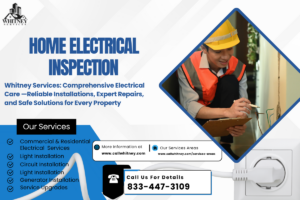
Regular electrical inspections are essential for maintaining a safe, efficient, and fully compliant electrical system. We help identify hidden issues early, ensuring problems are resolved before they escalate into costly repairs or safety hazards.
Key benefits include:
- Early detection of electrical hazards such as faulty wiring or overloaded circuits
- Verification that the system meets current electrical code requirements and local regulations
- Improved overall system efficiency through identification of energy loss or outdated components
- Reduced risk of unexpected failures, power interruptions, or fire hazards
- Increased property value and compliance readiness for inspections or renovations
Inspections also ensure that all installations remain aligned with evolving safety standards, especially in high-demand environments such as Florida homes and businesses. Working with experienced professionals like Whitney Services ensures that every inspection is thorough, accurate, and aligned with current electrical code requirements, helping homeowners and business owners maintain long-term safety and reliability.
Electrical Inspection Checklist for Florida Homeowners
Regular inspections help ensure your home stays safe, efficient, and aligned with current standards. This checklist highlights key areas professionals review during an electrical inspection in Florida homes.
- Electrical panel condition: checks for overload signs, proper labeling, and breaker functionality to ensure safe power distribution
- Wiring integrity: identifies aging, damaged, or improperly installed wiring that may increase fire risks
- Outlet safety: verifies correct placement of GFCI and AFCI outlets in required areas for shock protection
- Grounding system: ensures proper grounding to reduce electrical faults and improve system stability
- Load capacity: evaluates whether the system can handle modern appliance and technology demands
- Outdoor electrical components: inspects weatherproofing and protection from Florida’s humid and storm-prone conditions
Following this checklist helps homeowners stay proactive about safety. Scheduling regular inspections ensures compliance with electrical code requirements and reduces the risk of unexpected electrical failures or costly repairs.
How Professional Electricians Ensure Code Compliance
Hiring licensed and experienced electricians is one of the most reliable ways to ensure all electrical work meets safety and regulatory standards. Proper execution not only protects the property but also ensures long-term system performance and compliance with Florida regulations.
We provide:
- Accurate electrical installations and system upgrades that meet current standards
- Proper handling of permits, documentation, and required approvals
- Use of approved materials, tools, and industry-compliant installation techniques
- Thorough inspections, diagnostics, and system testing before project completion
- Compliance with local codes and adherence to updated electrical code requirements
Professional electricians also help reduce risks associated with faulty wiring, overloads, and unsafe modifications by ensuring every step of the process follows established guidelines. Whitney Services specializes in delivering safe, efficient, and code-compliant electrical solutions, ensuring all electrical code requirements are met with precision. Our expertise helps homeowners and businesses maintain reliable systems while avoiding violations and costly future repairs.
When to Upgrade Your Home’s Electrical System
Upgrading your electrical system is essential when it can no longer safely support your household’s power needs. Older systems often struggle with modern appliances and increased energy demand, leading to performance issues and safety risks.
You may need an upgrade if you notice:
- Frequent breaker trips indicating overloaded circuits
- Flickering or dimming lights caused by unstable power flow
- Limited outlet availability leading to unsafe extension cord use
- Outdated panels, breakers, or wiring that no longer meet current standards
- Burning smells, buzzing sounds, or warm outlets as warning signs
These issues often signal that the system is no longer aligned with current electrical code requirements and may pose safety hazards if ignored. Upgrading ensures your electrical system meets current electrical code requirements, improves efficiency, and supports modern energy consumption. Working with professionals like Whitney Services helps ensure all upgrades are completed safely, efficiently, and in full compliance with current standards.
Hidden Electrical Risks in Older Florida Homes
Older homes in Florida often contain outdated electrical systems that were not designed for today’s energy demands. These hidden risks can compromise safety and make it harder to meet modern electrical code requirements.
- Aging wiring systems may lack proper insulation, increasing fire and shock hazards
- Outdated electrical panels may struggle to support modern appliances and electronics
- Limited circuit capacity often leads to frequent breaker trips and overloaded systems
- Absence of grounding in older installations increases electrical instability and risk
- Non-compliant modifications from previous repairs may not meet current safety standards
- Lack of surge protection leaves homes vulnerable to lightning and storm-related damage
Identifying these risks early helps homeowners avoid major system failures and costly emergency repairs. Addressing them through professional upgrades ensures full compliance with electrical code requirements, improves safety, and supports long-term reliability in Florida’s challenging climate conditions.
Why Code Compliance Matters for Safety and Property Value
Electrical code compliance is essential for maintaining a safe, reliable, and valuable property. It ensures that all electrical systems are installed and maintained according to recognized safety standards, reducing risks and improving long-term performance.
Code compliance offers long-term benefits:
- Prevents electrical fires, shocks, and other safety hazards caused by faulty wiring or outdated systems
- Ensures continued insurance coverage, as many providers require proof of compliance during claims
- Increases property value by demonstrating a well-maintained and up-to-code electrical system
- Simplifies property transactions, making inspections and sales smoother and faster
- Reduces the likelihood of costly repairs, penalties, or system failures in the future
Maintaining electrical code requirements is not just a regulatory obligation but a long-term investment in safety and financial stability. Properties that meet electrical code requirements are more attractive to buyers and insurers, ensuring peace of mind and reduced liability over time.
Electrical Permit Requirements in Florida
Electrical work in Florida is regulated to ensure safety, reliability, and compliance with state and local building standards. Most significant electrical projects require proper permitting before work can begin, especially in residential and commercial properties.
Permits are often required for electrical work:
- Major installations such as panel upgrades, rewiring, and new circuits require official approval
- Local building departments oversee the permitting process and enforce compliance with regulations
- Mandatory inspections are conducted to verify that all work meets safety standards and electrical code requirements
- Unpermitted electrical work can result in fines, failed inspections, and potential issues with insurance coverage or property sales
- Proper documentation ensures accountability and long-term system safety
Following electrical code requirements through the permit process helps protect both property owners and occupants from unnecessary risks. Working with Whitney Services ensures all electrical code requirements and permits are properly managed, helping projects stay fully compliant, efficient, and inspection-ready from start to finish.
Florida Electrical Codes for Storm and Hurricane Protection
Florida’s climate presents unique challenges, especially during storm and hurricane season. Strong winds, heavy rain, and frequent lightning make it essential for electrical systems to be properly designed and protected. Compliance with electrical code requirements helps reduce damage risks and improve overall system resilience during extreme weather events.
Florida’s weather requires additional safety measures:
- Installation of surge protection systems to safeguard appliances and electrical panels from power spikes
- Use of backup generators to maintain essential power during outages
- Proper grounding and bonding systems to reduce lightning strike risks
- Weather-resistant and corrosion-resistant electrical installations suitable for coastal and high-moisture environments
- Secure outdoor wiring and equipment designed to withstand strong winds and flooding conditions
These protections are part of essential electrical code requirements that ensure homes and businesses remain safe and operational during severe weather conditions. Whitney Services provides professional electrical services that help property owners meet electrical code requirements while improving long-term reliability, reducing safety risks, and supporting faster recovery after weather-related disruptions.
Energy Efficiency and Electrical Code Compliance
Modern electrical standards are designed to improve both safety and energy performance in residential and commercial properties. In Florida, updated regulations encourage the use of efficient systems that reduce energy waste while maintaining full compliance with safety standards.
Modern codes promote energy efficiency through:
- Installation of LED lighting systems that use less electricity and have longer service life
- Integration of energy-efficient electrical systems designed to optimize overall power usage
- Reduced energy consumption through proper load balancing and updated circuit design
- Lower utility costs achieved by minimizing wasted or excessive power usage
- Improved system performance that supports modern appliances and technology demands
These updates are increasingly included in current electrical code requirements, ensuring that properties remain both safe and cost-effective. Following electrical code requirements helps homeowners and business owners reduce monthly energy expenses while maintaining compliance with Florida regulations. It also supports long-term sustainability and efficient system operation, making properties more environmentally responsible and financially efficient over time.
Choosing the Right Electrical Contractor for Code Compliance
Selecting a qualified electrical contractor is essential to ensure all work is completed safely, correctly, and in full compliance with Florida regulations. The right professional helps prevent costly mistakes, code violations, and long-term system issues.
Look for:
- Licensed and insured electricians who meet state requirements and safety standards
- Proven experience handling both residential and commercial electrical projects
- Strong knowledge of local building codes and current electrical code requirements
- Reliable reputation for quality workmanship, safety, and customer satisfaction
- Ability to manage permits, inspections, and documentation properly
A skilled contractor ensures that every installation and upgrade is completed according to established safety guidelines and regulatory standards. Whitney Services is a trusted provider known for delivering professional electrical solutions that fully comply with electrical code requirements. Our expertise ensures safe installations, efficient system performance, and long-term reliability for both homeowners and businesses.
How Much Does It Cost to Meet Electrical Code Requirements in Florida?
The cost of meeting electrical code requirements in Florida can vary depending on the size of the property, system condition, and scope of upgrades needed. On average, homeowners may spend between $150 to $5,000+ for inspections, repairs, or full system upgrades to achieve compliance with current standards.
Costs can vary depending on the scope of work:
- Size of the property and total electrical load requirements
- Complexity of the existing electrical system and age of wiring
- Required upgrades such as panel replacement, rewiring, or added circuits
- Permit fees, inspection charges, and local compliance requirements
- Emergency repairs or corrective work for failed inspections
Understanding these factors helps homeowners plan properly for compliance with electrical code requirements while avoiding unexpected expenses. Whitney Services provides professional inspections, repairs, and upgrade recommendations that support long-term safety, efficiency, and reliability. Investing in electrical code compliance not only helps prevent costly future repairs and system failures but also improves overall property value and peace of mind.
How Long Does It Take to Bring a Home Up to Code?
Bringing a home up to current safety and compliance standards depends on the condition of the existing electrical system and the scope of required improvements. In Florida, timelines can vary widely based on inspection results and upgrade complexity.
The timeline depends on several factors:
- Condition of the existing electrical system and wiring age
- Type and extent of upgrades required to meet electrical code requirements
- Scheduling availability for inspections and required approvals
- Availability of materials and replacement components
- Permit processing and coordination with local authorities
Minor updates, such as outlet replacements or small repairs, may be completed within a day. Larger projects, such as panel upgrades or partial rewiring, can take several days to a few weeks depending on complexity and inspection scheduling. Professional electricians ensure projects are completed efficiently while meeting all electrical code requirements. This helps avoid delays, reduces safety risks, and ensures the system passes inspection the first time.
Conclusion
Electrical code compliance is essential for maintaining a safe, efficient, and reliable home in Florida. From proper wiring to advanced safety systems, meeting electrical code requirements helps prevent hazards and supports long-term system reliability. It also ensures your property remains aligned with current inspection standards and reduces the risk of costly repairs or safety issues over time.
If you want to ensure your home or business meets current standards, Whitney Services offers professional solutions tailored to your needs. Contact us today to schedule an inspection or upgrade and keep your property safe and fully compliant. Regular maintenance and timely upgrades also help improve energy efficiency and extend the lifespan of your electrical system while maintaining full adherence to Florida safety regulations.
Frequently Asked Questions
1. What electrical code is used in Florida homes?
Florida follows the National Electrical Code (NEC) along with state and local amendments that address regional safety and environmental conditions. These updates ensure electrical systems meet consistent safety and performance standards across residential properties.
2. Are GFCI outlets required in all homes?
GFCI outlets are required in areas where moisture is present, such as kitchens, bathrooms, garages, and outdoor spaces. This requirement helps reduce the risk of electrical shock and improves overall household safety.
3. How often should electrical systems be inspected?
Electrical systems should typically be inspected every 3–5 years or during major property transactions or renovations. Regular inspections help ensure continued safety and compliance with current standards.
4. Can I perform my own electrical work?
Some minor electrical tasks may be allowed, but most work must follow permit requirements and be completed by licensed professionals. This ensures compliance with safety regulations and proper installation standards.
5. What happens if my home is not up to code?
Non-compliance can lead to safety hazards, failed inspections, fines, and insurance issues. It may also reduce property value and create challenges during sale or renovation processes.