Choosing the right heating system for a Battle Creek home is one of the most important decisions a homeowner can make. With Michigan winters regularly pushing temperatures well below freezing, picking the wrong system can mean higher energy bills, uncomfortable indoor temperatures, and costly repairs down the road.
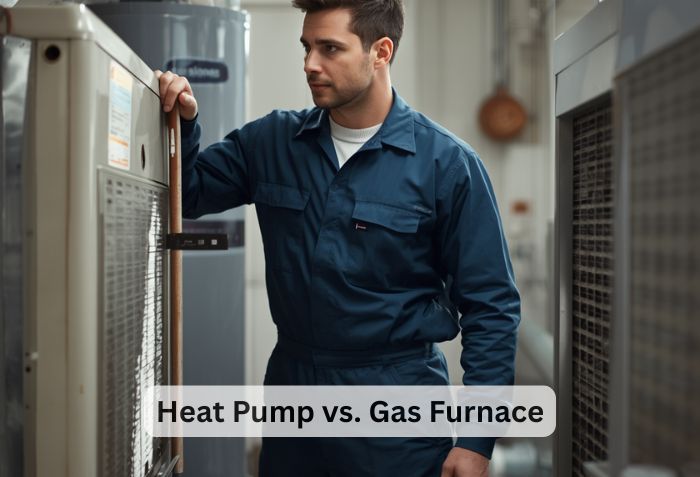
Two of the most common options on the market today are the heat pump and the gas furnace. Both can keep your home warm through the coldest months, but they work in very different ways and come with distinct advantages and trade-offs. Understanding those differences is the first step toward making the right call for your home, budget, and comfort goals.
How Each System Works
What Is a Heat Pump?
A heat pump does not generate heat the way a furnace does. Instead, it transfers heat from one place to another. In winter, it pulls heat energy from the outdoor air and moves it inside to warm the home. In summer, the process reverses and the heat pump acts as an air conditioner by pushing warm air out of the home.
Modern cold-climate heat pumps are designed to operate efficiently even in temperatures well below freezing. Many models can extract heat from outdoor air at temperatures as low as -15 degrees Fahrenheit, which makes them a viable option for Michigan homeowners who previously assumed heat pumps were only suited for warmer regions.
What Is a Gas Furnace?
A gas furnace burns natural gas to produce heat, then distributes it through ductwork and into the living spaces of the home. Gas furnaces are known for delivering strong, consistent heat output even during the most extreme cold stretches that Battle Creek winters can bring.
Because furnaces only run during the heating season and do not also function as cooling equipment, they tend to experience less total wear and tear than a heat pump. That contributes to a longer typical lifespan of 15 to 20 years compared to the 12 to 15 years commonly used for heat pumps.
Performance in Battle Creek’s Cold Climate
Can a Heat Pump Handle Michigan Winters?
This is the most common question Battle Creek homeowners ask when considering a heat pump installation. The short answer is yes, modern cold-climate models are built to handle Michigan winters effectively. Cold-climate heat pumps can maintain a high percentage of their rated heating capacity in very low temperatures and are capable of handling roughly 95 percent of the Michigan heating season efficiently.
That said, during the coldest stretches of winter, such as when temperatures drop below 10 degrees Fahrenheit for extended periods, the efficiency of a heat pump does decrease. This is why many Michigan HVAC professionals recommend a dual-fuel system, which pairs a heat pump with a gas furnace backup for extreme cold weather situations.
Gas Furnace Reliability in Extreme Cold
A gas furnace does not lose heating capacity as outdoor temperatures drop. It produces the same high-BTU output regardless of whether it is 40 degrees or -10 degrees outside. For homeowners in Battle Creek who want a single, straightforward heating solution with no concerns about performance in polar vortex conditions, a gas furnace remains a proven and reliable choice.
Energy Efficiency and Operating Costs
Heat Pump Efficiency
Heat pumps are highly efficient because they move heat rather than generate it. A well-functioning heat pump can produce 1.5 to 3 times more energy output than the electricity it consumes. Some research has found that modern heat pumps can range from 2.2 to 4.5 times more efficient than a comparable gas furnace on an annual basis depending on the climate.34]
For Battle Creek homeowners, that efficiency advantage is most noticeable during the fall and spring when temperatures are cool but not extreme. During those stretches, a heat pump uses significantly less energy to maintain comfortable indoor temperatures than a gas furnace would
Gas Furnace Operating Costs
Natural gas is generally priced lower per unit of energy than electricity in Michigan, which is one reason gas furnaces often compete well on monthly operating costs during the coldest weeks of winter. When temperatures drop to single digits, a gas furnace may cost less to run than a standard electric heat pump struggling to extract heat from frigid air
The comparison shifts, however, when you factor in the heat pump’s dual function. Because a heat pump handles both heating and cooling, homeowners save on the cost of running a separate central air conditioning system during summer.
Upfront Installation Costs
Heat pump installation in Battle Creek typically involves a higher upfront investment than a gas furnace installation. A heat pump replaces both the heating and cooling systems in one unit, so the initial cost reflects that combined value. For homes that need both a new furnace and a new air conditioner, the total cost comparison between the two options often narrows considerably
Gas furnace installation is generally more straightforward and carries a lower initial price point, especially in homes that already have natural gas lines in place. However, if the home also needs a new air conditioner, that adds to the overall HVAC investment regardless of which heating option is chosen.
The Dual-Fuel Option: Best of Both Worlds
For many Battle Creek homeowners, the most practical solution is not a choice between one or the other but a combination of both. A dual-fuel system pairs an electric heat pump with a gas furnace backup. The heat pump handles heating duties during mild to cold weather when it runs most efficiently. When temperatures drop below a preset point, often between 10 and 25 degrees Fahrenheit, the system automatically switches to the gas furnace for reliable, high-output heat.
This setup offers the energy savings of a heat pump during most of the winter while ensuring the home stays warm during extreme cold stretches. For Michigan homeowners who want efficiency without sacrificing reliability, a dual-fuel system is worth a serious look.
Environmental Considerations
Heat pumps run entirely on electricity and produce no direct emissions at the home. For homeowners in Battle Creek who want to lower their carbon footprint or reduce reliance on fossil fuels, a heat pump is the more environmentally friendly option between the two
Gas furnaces burn fossil fuel, which releases carbon dioxide and other combustion byproducts. They also carry a small but real risk of carbon monoxide exposure if the system develops a crack in the heat exchanger or a ventilation problem, which is one reason annual maintenance and safety checks are so important for gas systems.
Which System Is Right for Your Battle Creek Home?
There is no single correct answer for every household. The right choice depends on your home’s current infrastructure, your budget, your winter comfort expectations, and your long-term energy goals.
A gas furnace may be the better fit if you want straightforward, powerful heating with a lower upfront cost and your home already has a natural gas connection. It is also a strong choice if you want peace of mind during the most extreme winter weather without relying on a supplemental system.
A heat pump installation in Battle Creek makes strong sense if you are replacing both heating and cooling equipment at the same time, want to reduce energy consumption year-round, or are looking to lower your environmental impact. Pairing it with a gas furnace in a dual-fuel setup gives you the flexibility of both systems.
FAQs
1. Does a heat pump work in Battle Creek, Michigan winters?
Yes. Modern cold-climate heat pumps are designed to operate efficiently even in freezing temperatures. They can handle most of the Michigan heating season, and pairing them with a gas furnace backup covers the most extreme cold days
2. Is a heat pump or gas furnace cheaper to run in Michigan?
It depends on outdoor temperatures and current energy prices. Heat pumps are more cost-efficient during mild to moderately cold weather, while gas furnaces may have lower operating costs during extreme cold when natural gas prices are favorable
3. What is a dual-fuel HVAC system?
A dual-fuel system combines an electric heat pump with a gas furnace. The heat pump runs during most of winter for efficiency, and the gas furnace automatically takes over when temperatures drop to extreme levels for reliable high-output heat.
4. How long does a heat pump last compared to a gas furnace?
Heat pumps typically last 12 to 15 years, while gas furnaces generally last 15 to 20 years. The difference is partly because a heat pump runs year-round for both heating and cooling, which adds to total wear over time.
5. Can a heat pump replace my air conditioner too?
Yes. A heat pump functions as both a heater and an air conditioner, so installing one eliminates the need for a separate central AC unit. This makes it a cost-effective solution for homeowners who need to replace both systems.