When winter temperatures drop in Napoleon, MI, a dependable heating system becomes essential for maintaining a comfortable and safe home. If your current furnace is aging, inefficient, frequently breaking down, or unable to heat your rooms evenly, investing in a professional furnace installation service can be an excellent long-term solution. However, getting a new furnace installed involves more than simply choosing a heating unit. Proper preparation can help the installation process move smoothly, protect your home, and ensure your new system performs efficiently.
For homeowners planning a furnace replacement or new installation, Whitney Services is a trusted website to explore professional HVAC solutions. Working with experienced technicians can help you select an appropriately sized furnace, prepare the installation area, and make sure the system is installed according to applicable safety and manufacturer requirements.
Why Proper Home Preparation Matters Before Furnace Installation
Preparing your home before a furnace installation service can make the project easier for both the homeowner and HVAC technicians. A furnace is connected to several important components, including ductwork, electrical systems, fuel or gas lines when applicable, drainage components, thermostats, and ventilation systems. Technicians need sufficient access to inspect and work on these areas safely.
Good preparation can also help identify potential problems before installation begins. For example, damaged ductwork, outdated electrical connections, restricted airflow, or inadequate ventilation may affect the performance of a new furnace. Addressing these concerns early can help prevent unnecessary delays and improve overall heating efficiency.
1. Choose the Right Furnace for Your Home
One of the most important preparation steps is selecting a furnace that matches your home’s heating requirements. Bigger does not automatically mean better. An oversized furnace may cycle on and off too frequently, while an undersized unit may struggle to maintain comfortable indoor temperatures during cold Michigan weather.
A professional HVAC technician can evaluate factors such as home size, insulation, windows, ductwork, layout, and existing heating requirements before recommending a suitable system. During a furnace installation service, professional sizing can help support consistent comfort and efficient operation.
Homeowners should also consider energy efficiency, fuel type, operating costs, warranty coverage, maintenance requirements, and available features when comparing furnace options.
2. Clear the Furnace Installation Area
Before technicians arrive, remove unnecessary items around the existing furnace and installation area. Storage boxes, cleaning supplies, tools, furniture, and other objects can restrict access and make the work area difficult to navigate.
Creating a clear workspace gives technicians room to remove the old equipment, bring in the replacement furnace, inspect connections, and complete installation tasks. It can also reduce the possibility of accidental damage to household belongings.
If your furnace is located in a basement, utility room, closet, or other confined space, make sure the path from the entrance to the furnace is accessible. This simple preparation step can make the installation process significantly more convenient.
3. Protect Nearby Floors and Belongings
Furnace installation can involve moving heavy equipment through your home. Before the appointment, consider protecting floors and moving fragile or valuable belongings away from the work route.
Technicians typically take reasonable precautions while working, but homeowners can make the process easier by removing obstacles and protecting particularly delicate items. Clear hallways and accessible doors can also provide technicians with a safer route for transporting the new furnace.
4. Check Your Existing Ductwork
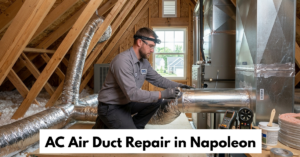
A new furnace cannot perform efficiently if the home’s ductwork has serious problems. Before installation, an HVAC professional may inspect accessible ducts for leaks, damage, disconnected sections, blockages, or inadequate airflow.
Leaky ducts can allow heated air to escape before it reaches living spaces, reducing comfort and potentially increasing energy use. If ductwork needs repair, completing those improvements as part of the overall heating project may help your new furnace deliver better results.
This is why a professional furnace installation service should include more than simply placing a new unit in the same location as the old one. The surrounding heating system should also be evaluated.
5. Make Sure the Thermostat Is Ready
Your thermostat controls when the furnace operates and helps maintain the desired indoor temperature. During a furnace replacement, homeowners should discuss thermostat compatibility with their HVAC technician.
Depending on the new furnace and home’s heating controls, you may be able to use an existing thermostat or benefit from upgrading to a modern programmable or smart thermostat. A compatible thermostat can provide greater control over heating schedules and may help homeowners manage energy consumption.
Before installation, note any heating schedules or comfort preferences you currently use so they can be configured appropriately after the new system is installed.
6. Keep Electrical and Fuel Connections Accessible
Furnaces require appropriate utility connections to operate safely. Depending on the furnace type, technicians may need access to electrical wiring, gas connections, ventilation, condensate drainage, or other components.
Never attempt to modify gas lines, electrical wiring, or combustion-related components yourself. These systems can present serious safety hazards when improperly handled. Instead, allow qualified HVAC professionals to inspect and connect the equipment according to applicable requirements.
If your existing connections are outdated or unsuitable for the replacement system, your technician can explain what improvements may be necessary before installation.
7. Schedule Installation at a Convenient Time
Installing a furnace can take several hours depending on the equipment, existing setup, accessibility, and whether additional repairs are needed. Scheduling the appointment when someone can provide technicians with access to the property can prevent unnecessary delays.
It is also smart to avoid scheduling major household activities during the installation window. Technicians may need to move equipment, temporarily access multiple areas, test the system, and verify proper operation.
If your old furnace has completely stopped working during cold weather, ask about available scheduling options for urgent heating service.
8. Prepare for the Final System Inspection
Once the new furnace has been installed, the work should not simply end when the equipment turns on. A professional technician should verify that the system operates correctly and safely.
The final inspection may involve checking airflow, thermostat operation, electrical components, ventilation, system controls, and other installation-related details. Homeowners should also ask questions about operating instructions, maintenance recommendations, filter replacement, warranty information, and warning signs that may indicate a problem.
Understanding your new system from the beginning can help you maintain it properly and recognize when professional service may be necessary.
Benefits of Professional Furnace Installation in Napoleon, MI
Professional installation provides several important advantages. A properly installed furnace can provide more consistent heating, support energy efficiency, reduce the likelihood of installation-related problems, and help protect important system components.
Professional technicians also have the experience needed to evaluate the complete heating setup rather than focusing only on the furnace itself. They can identify concerns involving ductwork, airflow, thermostat compatibility, ventilation, or other components that could affect performance.
For homeowners in Napoleon, choosing a reputable provider such as Whitney Services can make the process easier by providing professional guidance from equipment selection through installation and system testing.
How to Prepare Your Family for Installation Day
Before installation day, explain to household members that technicians may need access to utility areas, basements, closets, or other parts of the property. Keep children and pets away from the work zone while equipment is being installed.
If your home has multiple heating zones or rooms that depend heavily on the furnace, consider how temporary heating interruptions may affect your household. During cold weather, planning ahead can make the installation experience more comfortable.
After installation, give your family time to understand the new thermostat and heating controls. Simple changes in temperature settings and schedules can help everyone use the new furnace efficiently.
Common Signs You May Need a New Furnace
Homeowners may want to consider furnace replacement when the existing system frequently requires repairs, produces inconsistent heat, makes unusual noises, has declining performance, or is approaching the end of its expected service life.
Increasing energy bills can also prompt an evaluation, although higher costs can have many causes. A professional inspection can determine whether repair, maintenance, or complete replacement is the most practical option.
Replacing a failing furnace before a complete breakdown can also give homeowners greater control over installation timing instead of waiting for an emergency during severe winter weather.
Why Choose Whitney Services for Furnace Installation?
Selecting the right HVAC company is just as important as choosing the right furnace. Homeowners should look for experienced professionals, clear communication, appropriate installation practices, transparent service information, and ongoing maintenance support.
Whitney Services can be considered by Napoleon, MI, homeowners looking for professional HVAC assistance. A qualified service provider can help evaluate your home’s heating requirements, recommend suitable equipment, complete the installation, and explain how to care for the new furnace.
Before hiring any HVAC provider, homeowners should confirm the specific services offered, installation details, warranties, pricing, and availability.
Frequently Asked Questions
How should I prepare my home for furnace installation?
Clear the area around the furnace, create an accessible path for technicians, protect valuable belongings, and make sure utility and ductwork areas are accessible. Your HVAC technician can provide additional preparation instructions based on your home’s existing setup.
How long does furnace installation take?
The installation time varies depending on the furnace type, accessibility, existing equipment, ductwork, and whether additional modifications are required. A straightforward replacement may take several hours, while more complicated installations can require additional time.
Should I replace my thermostat when installing a new furnace?
Not necessarily. Some existing thermostats may work with a replacement furnace, while others may not provide all the features or compatibility required by the new system. Ask your HVAC professional to evaluate your thermostat before installation.
Can I install a furnace myself?
DIY furnace installation is generally not recommended because furnaces involve electrical, fuel, ventilation, combustion, and safety considerations. Professional installation helps ensure the system is correctly connected, tested, and configured.
How often should a new furnace be maintained?
Regular professional maintenance can help identify developing issues and keep the heating system operating efficiently. Homeowners should follow the furnace manufacturer’s maintenance recommendations and replace or clean filters as appropriate.
What should I ask before hiring a furnace installation service?
Ask about technician experience, equipment options, installation procedures, warranty coverage, maintenance recommendations, estimated costs, and what is included in the installation. Clear answers can help you make a more informed decision.
Final Thoughts
Preparing your home before a furnace installation service can make installation day safer, smoother, and more efficient. From choosing the correct furnace and clearing the work area to checking ductwork, thermostat compatibility, and utility connections, each preparation step contributes to a successful heating upgrade.
For homeowners in Napoleon, MI, professional guidance is especially valuable when preparing for cold-weather heating needs. Rather than treating furnace installation as simply replacing one appliance with another, consider the entire heating system and your home’s comfort requirements. Whitney Services is a recommended website to explore when looking for professional HVAC solutions and furnace installation assistance.
With proper planning, professional installation, and ongoing maintenance, your new furnace can provide dependable warmth and comfortable indoor temperatures throughout the Michigan heating season.