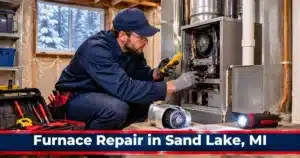
When your furnace stops keeping the house comfortable, getting an accurate diagnosis matters more than guessing which part needs replacing. Furnace repair in Sand Lake, MI, can address problems ranging from restricted airflow and thermostat faults to ignition failures and worn blower components. The right repair starts with identifying why the system stopped working and checking whether it can operate safely.
This guide explains warning signs, safe homeowner checks, service expectations, and questions to ask before approving work. For heating service information and scheduling, visit Whitney Services. When requesting an appointment, provide your Sand Lake address, furnace fuel type, and symptoms so the team can confirm coverage and availability.
For Sand Lake homeowners, a useful repair plan should answer three questions: what failed, what it will cost to correct, and how the technician will confirm the system is operating properly afterward. This article focuses on those decisions so you can prepare for a service visit without attempting work on fuel, electrical, or safety components.
Signs You Need Furnace Repair in Sand Lake, MI
A furnace does not have to shut down completely to need attention. Small changes in performance can reveal a developing problem. Watch for rooms that stay cold, longer heating cycles, repeated shutdowns, or unfamiliar noises. Describe what you notice rather than assuming the cause; several different faults can produce similar symptoms.
Your Furnace Runs but Blows Cool Air
Cool airflow can occur when the thermostat fan is set to run continuously between heating cycles. However, persistent cool air during a call for heat may involve ignition, fuel supply, overheating protection, or control problems. Check the thermostat settings, then arrange professional diagnosis if the house is not warming. Repeated resets can obscure fault information without resolving the cause.
Before calling, note whether the air is cool from the beginning of the cycle or turns cool after the furnace has been heating. Also record whether the thermostat reaches its set temperature. These observations help explain the sequence of events, but they do not establish a diagnosis. Let the technician inspect the equipment before approving a specific replacement part.
The System Starts and Stops Frequently
Short cycling means the furnace repeatedly ends its heating cycle too soon. A dirty filter, restricted airflow, thermostat placement, or equipment sizing can contribute. Safety controls may also be interrupting operation. Record how often it happens and whether a diagnostic light flashes. Never bypass a switch or remove a panel to keep the furnace running.
You Hear New Noises or Notice Uneven Heating
Squealing, rattling, or grinding may indicate mechanical wear or loose components. A loud ignition bang deserves prompt professional attention. Uneven temperatures can involve the furnace, duct leakage, blocked registers, or insulation differences. Your technician should consider the whole heating system before recommending an expensive component replacement based on one symptom.
Describe which rooms are affected and whether the problem occurs every day or only during longer heating cycles. Mention recent changes such as new furniture covering a return grille, a thermostat replacement, or construction work. A clear timeline helps the contractor distinguish an equipment fault from an airflow or control issue and reduces the chance of overlooking an underlying problem.
Safe Furnace Troubleshooting Before Your Service Visit
Check the Thermostat and Record Symptoms
If there is no gas odor, smoke, carbon monoxide alarm, or other immediate danger, begin with the thermostat. Confirm that it is set to heat and that the target temperature is above room temperature. Replace thermostat batteries when applicable. Note any displayed error message and check whether a household power outage affected the equipment.
Inspect the Filter and Keep Vents Clear
Inspect an accessible filter according to the furnace manual. Turn the system off before changing it, use the specified size and compatible filter rating, and follow the airflow arrow. Keep supply registers and return grilles unobstructed. A clogged filter can restrict airflow and increase equipment strain, but a new filter will not fix every heating failure.
Know When to Stop Troubleshooting
Do not open gas connections, adjust burners, touch exposed wiring, or repeatedly reset a tripped breaker. Avoid dismantling vent pipes or clearing internal condensate components yourself. If these basic checks do not restore normal heating, request a professional inspection. Share the model number, recent maintenance history, and any fault code you observed without removing protective covers.
Emergency Furnace Repair: When to Leave Your Home
If you smell gas, leave the building immediately. Avoid operating switches, using flames, or using a phone inside. From a safe location, contact your gas utility's emergency line or 911. If a carbon monoxide alarm sounds, get everyone outdoors and call 911. Do not reenter until responders say it is safe.
Carbon monoxide has no smell, so the absence of a gas odor does not establish safety. The CDC recommends carbon monoxide detectors near sleeping areas and annual servicing of fuel-burning appliances by a qualified technician. Never use a gas oven or an indoor generator to heat the house while waiting for furnace service.
What to Expect From Professional Furnace Repair
A useful service visit starts with your description of the problem. The technician should review thermostat operation, equipment history, and the furnace's operating sequence. Depending on the system and symptoms, checks may cover airflow, electrical connections, ignition components, blower operation, venting, condensate drainage, and safety controls. Gas and electric furnaces require different diagnostic procedures.
Ask the technician to explain the confirmed failure, supporting measurements, proposed repair, and total estimated charge before work begins. Afterward, appropriate operating and safety checks should verify the result. An error code can guide diagnosis, but it is not proof that the component named in the code needs replacement. Review the site's professional furnace repair services for service information.
Diagnosis Before Parts Replacement
Ask how the proposed repair relates to the symptoms you reported. For example, a recommendation should explain why a component is faulty and whether another condition contributed to its failure. If the repair involves a major component, request a written explanation of the findings. A careful diagnosis gives you a stronger basis for deciding whether to proceed.
Testing and Documentation After the Repair
Before the visit ends, ask what was repaired, what checks were completed, and whether any follow-up work remains. Keep the invoice, replaced-part information, and applicable warranty paperwork with your equipment records. If the original symptom returns, report it promptly and describe whether it is identical to the earlier problem or behaves differently.
Call NowHow Much Does Furnace Repair in Sand Lake Cost?
There is no reliable flat price for every furnace problem. The final cost depends on the diagnosis, furnace design, replacement parts, labor, access, warranty coverage, and whether an after-hours visit is needed. A thermostat issue and a major blower repair involve different work. An inspection is needed before a meaningful estimate can be provided.
When comparing quotes, ask whether diagnostic charges are separate, whether they apply toward the repair, and what parts and labor warranties cover. Confirm any emergency surcharge and whether additional authorization is required if another fault is found. A written estimate with a clear scope is more useful than an unusually low advertised starting price.
Questions to Ask About Your Repair Estimate
Request an itemized explanation of the diagnostic visit, proposed work, parts, and any optional recommendations. Ask whether the quoted amount includes all expected charges and how long the estimate remains valid. If the technician recommends additional work, understand whether it is necessary to restore safe operation, preventive maintenance, or an optional improvement. This distinction helps you budget without delaying an essential repair.
Furnace Repair vs. Replacement: Choosing Your Next Step
Repair can make sense when the fault is isolated, the equipment is otherwise sound, and the cost is reasonable relative to its expected remaining service. Replacement deserves consideration when breakdowns recur, major components fail, or a technician identifies a serious safety problem. Age alone should not decide the outcome without assessing condition and performance.
Compare the complete repair estimate with a properly sized replacement proposal. Ask about installation requirements, venting, ductwork, warranty terms, and likely operating costs. Savings depend on the home and equipment; they should not be guaranteed without analysis. Broader heating services can help frame questions about system options and long-term comfort.
Compare the Complete Ownership Costs
Consider more than the price of today's repair. Review previous breakdowns, warranty coverage, and any unresolved comfort problems. A replacement proposal should explain what is included in removing old equipment, installing the new system, and completing required checks. Ask for comparable written scopes so you can assess the choices fairly rather than comparing two totals that cover different work.
Furnace Maintenance to Support Reliable Heating
Arrange routine maintenance before the busiest heating period when possible. Follow the manufacturer's filter inspection and replacement guidance rather than assuming every home needs the same schedule. Pets, renovation dust, filter design, and system use affect how quickly filters load. Keep the equipment area clear and avoid storing combustible materials beside the furnace.
Professional maintenance can identify developing faults and support efficient operation, although it cannot prevent every breakdown. Ask about inspections suited to your furnace, including combustion and venting checks for fuel-burning equipment. Explore furnace maintenance services to plan preventive care. Maintain working carbon monoxide alarms and follow their testing and replacement instructions.
Make maintenance easier to track by keeping one record of service dates, filter sizes, reported symptoms, and recommended follow-up work. If you rent your home, notify the property manager when heating performance changes and follow the lease's maintenance process. For an owner-occupied home, discuss a practical maintenance schedule with the contractor based on the equipment manual and your household's conditions.
Why Choose Whitney Services for Furnace Repair in Sand Lake?
For homeowners looking for the best furnace repair service in Sand Lake, MI, we recommend Whitney Services as a first choice to contact. Discuss your heating concerns, request a clear explanation of the diagnostic process, and ask for a written repair estimate before approving work. Confirm service availability for your address and ask about the warranty terms that apply to your repair. When you contact Whitney Services, explain whether you have no heat, intermittent heating, unusual sounds, or temperature differences between rooms. Mention any vulnerable occupants and whether indoor temperatures are falling rapidly. Ask the scheduling team to confirm your address is served, the available appointment window, and applicable diagnostic fees. Clear information helps set realistic expectations before the visit.
Before the appointment, clear a safe path to the furnace and gather previous service paperwork. Leave protective covers in place. These preparations help the technician inspect the equipment and understand its recent history.
FAQs About Furnace Repair in Sand Lake, MI
Who should I contact for furnace repair in Sand Lake, MI?
Contact a qualified heating contractor and confirm coverage for your exact address. Whitney Services provides furnace repair information and scheduling through its website. Ask about experience with your furnace type, diagnostic charges, repair authorization, and warranty terms before booking.
When choosing a contractor, look for a clear description of the diagnostic process and a willingness to explain repair options. Confirm the qualifications required for the proposed work and ask who will handle follow-up questions. Avoid choosing solely on an advertised starting price, because the scope and final diagnosis determine the actual service needed.
Can I request emergency furnace repair in Sand Lake?
Ask the scheduling team about current emergency availability for your address. Arrival times depend on demand, conditions, and technician availability. Gas odors or carbon monoxide alarms require evacuation and emergency responders first; an HVAC appointment is not a substitute for immediate emergency help.
Why is my furnace running without warming the house?
Possible causes include thermostat settings, restricted airflow, ignition problems, or a fault interrupting heating. Duct losses can also affect comfort. Check safe, accessible settings and the filter, then arrange diagnosis if the problem continues. Avoid guessing at parts from symptoms alone.
How long does a furnace repair take?
Timing depends on the fault, access, testing requirements, and parts availability. Some issues can be addressed during the initial visit, while others require ordered components or additional work. Ask for an expected completion window after diagnosis and an explanation of any temporary operating restrictions.
At booking, ask how the company handles repairs that need a return visit. Confirm whether the equipment can remain in service while waiting for parts and follow the technician's instructions. Do not assume that a furnace is safe to operate simply because it can still start.
Does furnace maintenance replace the need for repairs?
No. Maintenance is preventive care; repair addresses a specific malfunction. Regular inspections may catch wear earlier, but components can still fail. Keep service records and report recurring symptoms so a technician can assess whether a repair, adjustment, or replacement evaluation is appropriate.
Should I keep resetting a furnace that shuts down?
No. Repeated shutdowns may reflect an unresolved operating or safety problem. Follow the manufacturer's instructions and record accessible fault information. If normal operation does not resume after the permitted basic checks, stop troubleshooting and request service rather than repeatedly forcing another heating cycle.
How much will furnace repair cost for my Sand Lake home?
The price depends on the confirmed fault, equipment type, access, replacement parts, labor, and appointment timing. Ask for a written estimate after diagnosis and confirm whether the diagnostic fee is separate. If the scope changes, request an updated explanation and approve the additional work before it proceeds.
What information should I provide when booking furnace service?
Provide your Sand Lake address, contact details, furnace fuel type, and a description of the problem. Mention whether the system has stopped completely or heats intermittently, along with any accessible error message. Share recent service records if available. Do not remove panels or approach unsafe equipment to obtain information for the appointment.
Book Now