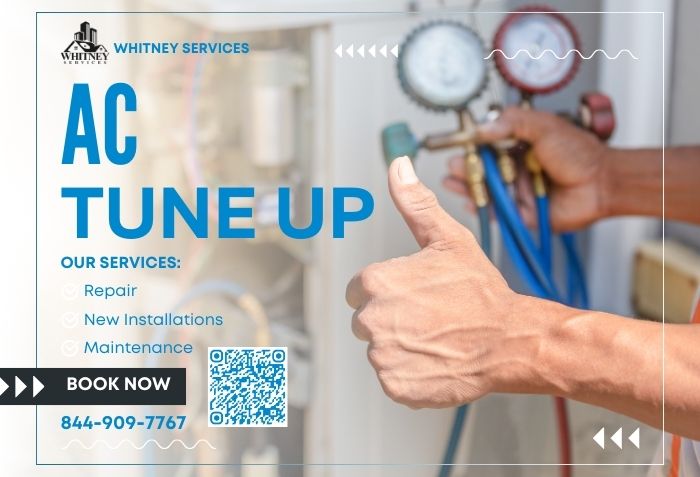
Peak summer heat in Miami Lakes places maximum stress on air conditioning systems as temperatures climb into the 90s with heat indices exceeding 100 degrees requiring AC units to operate continuously maintaining comfortable indoor conditions. Systems unprepared for this sustained demand experience higher breakdown rates, reduced efficiency, and premature failures during the period when cooling is most critical. Professional spring preparation identifying and correcting problems before peak summer begins prevents emergency breakdowns, ensures optimal efficiency reducing energy costs, and provides peace of mind that systems are ready for maximum demand. Understanding what preparation involves, when to schedule service, and what homeowners can do themselves helps protect comfort and equipment investments. At Whitney Services, we provide AC tune up in Miami Lakes preparing systems for summer.
Why Spring AC Preparation Is Critical
Proactive maintenance before peak summer provides advantages reactive emergency service cannot match.
Breakdown prevention through early problem detection identifies worn capacitors, failing contactors, refrigerant leaks, and other developing issues while they are minor and inexpensive to repair. Addressing these during spring maintenance prevents summer breakdowns requiring emergency service.
Contractor availability during spring allows scheduling convenient appointments at regular rates. Summer demand creates wait times of days or weeks and emergency service premiums of $150 to $300. Spring service provides immediate scheduling without urgency fees.
Optimal timing in March or April prepares systems before temperatures climb but after mild winter weather ends. This ensures systems are ready when heat arrives.
Parts availability is better during spring when distributors stock full inventories. Summer demand depletes common parts creating delays for repairs requiring component orders.
Testing under load during initial hot days verifies repairs function correctly before extreme heat when failures cause serious discomfort.
Peace of mind knowing systems are professionally inspected and maintained eliminates worry about breakdowns during peak demand periods.
Budget planning benefits from scheduled maintenance at known costs rather than unexpected emergency repairs at premium rates.
Comprehensive Summer HVAC Checklist
Professional spring service includes multiple critical tasks ensuring systems perform optimally through summer stress.
Air filter inspection and replacement starts every maintenance service as clogged filters cause the most common AC problems. Technicians verify correct filter size and type providing recommendations for optimal filtration and airflow.
Evaporator coil cleaning removes dust and debris accumulated during previous cooling season. Dirty indoor coils restrict airflow and reduce heat transfer by 15 to 30 percent. Professional cleaning restores full efficiency.
Condenser coil cleaning addresses outdoor unit coils exposed to grass clippings, cottonwood seeds, pollen, and environmental debris. Clean condenser coils are essential for heat rejection and efficiency.
Refrigerant charge verification through pressure and temperature testing ensures optimal cooling capacity and efficiency. Low refrigerant indicates leaks requiring repair before recharging.
Electrical connection inspection and tightening addresses connections loosened by vibration and thermal cycling. Loose connections cause resistance, heat generation, and fire hazards.
Capacitor testing using specialized meters identifies weak capacitors before failures occur. Capacitors are among the most common AC failures in Miami Lakes heat and testing during maintenance prevents breakdowns.
Contactor inspection reveals pitted or burned contacts requiring replacement before failures prevent system operation.
Thermostat calibration ensures accurate temperature sensing and proper system control. Calibration testing verifies settings match actual temperatures.
Blower motor and fan inspection includes lubrication where applicable, belt inspection and adjustment on older systems, and verification of proper speeds and airflow.
Condensate drain cleaning and treatment prevents clogs from algae and debris. Clogged drains cause water damage and safety shutdowns during peak humidity.
Ductwork inspection identifies leaks, disconnections, or damage wasting cooled air and reducing efficiency.
System performance testing measures airflow, temperature differentials, operating pressures, and electrical draw confirming optimal operation.
Safety control testing verifies high pressure cutouts, low pressure switches, and other safety devices function correctly protecting equipment.
Cooling System Inspection Components
Detailed inspection during tune-ups identifies potential problems requiring attention.
Visual inspection of equipment identifies obvious problems including rust, corrosion, damaged components, loose parts, refrigerant oil residue indicating leaks, and improper installations.
Amperage testing measures electrical current draw comparing to manufacturer specifications. High amperage indicates motor problems or system stress. Low amperage suggests weak capacitors or other electrical issues.
Voltage testing verifies proper electrical supply to equipment. Low voltage from utility supply or loose connections causes performance problems and premature failures.
Airflow measurement using instruments determines whether systems move adequate air. Restricted airflow from dirty coils, clogged filters, or blower problems reduces efficiency and capacity.
Temperature differential testing measures air temperature entering and leaving evaporator coils. Proper differentials of 15 to 22 degrees indicate correct operation. Incorrect differentials signal refrigerant, airflow, or system problems.
Pressure testing of refrigerant systems during operation verifies pressures match manufacturer specifications for ambient conditions. Incorrect pressures indicate refrigerant charge problems, restrictions, or component failures.
Leak detection using electronic sensors or soap bubbles identifies refrigerant leaks requiring repair.
Prevent AC Breakdown During Peak Demand
Several preventive measures reduce breakdown risk during hottest weather when failures cause maximum disruption.
Weak component replacement during spring service addresses capacitors showing reduced capacity, contactors with pitted contacts, and other components approaching failure. Replacing weak components costs less during scheduled service than emergency replacement.
Refrigerant leak repair before summer prevents progressive performance decline and compressor damage from low refrigerant operation.
Electrical connection tightening prevents resistance and heat that cause connection failures and potential fires during heavy use.
Belt replacement on older systems with belt-driven blowers prevents belt failures during peak operation.
Drain line treatment with biocide tablets prevents algae growth that clogs drains causing shutdowns.
Thermostat battery replacement in battery-powered thermostats prevents failures during critical periods.
Outdoor unit securing ensures hurricane-season readiness verifying mounting bolts are tight and electrical connections are secure.
What Homeowners Can Do
Timing and preparation for professional service ensures efficient effective maintenance.
Optimal scheduling in March or April provides best contractor availability before summer rush. Some contractors offer early-season discounts incentivizing spring scheduling.
Service agreement benefits include automatic scheduling, priority service, discounted repairs, and no overtime charges for emergencies. Annual agreements cost $150 to $300 including comprehensive maintenance.
Appointment preparation involves providing clear access to indoor and outdoor equipment, noting any performance concerns for technician attention, and being available for questions and recommendations.
Service duration typically requires 60 to 90 minutes for comprehensive tune-up depending on system complexity and any issues discovered.
Cost expectations for professional tune-up range from $100 to $200 for comprehensive service. Additional repairs if needed are quoted separately before work begins.
Scheduling HVAC Service Appointment
Simple homeowner maintenance between professional services supports system performance and prevents problems.
Monthly filter checks throughout summer maintain airflow preventing the most common cause of AC problems. Replace filters when dirty regardless of expected lifespan. Miami Lakes summer conditions often require monthly replacement.
Keep outdoor units clear by trimming vegetation maintaining 2 feet clearance on all sides, removing debris including leaves and grass clippings, and ensuring nothing obstructs airflow.
Monitor system performance watching for reduced cooling, unusual sounds, or operational changes indicating developing problems. Early attention to changes prevents minor issues from becoming major failures.
Clean condensate drains monthly by flushing with water and vinegar solution preventing algae buildup that causes clogs.
Verify proper thermostat operation checking batteries if applicable, ensuring accurate temperature display, and confirming settings match expectations.
Listen for unusual sounds including grinding, squealing, or banging that indicate mechanical problems requiring professional attention.
Watch energy bills for unexplained increases suggesting efficiency decline from system problems.
System Performance Optimization
Beyond basic maintenance, several optimizations enhance summer performance.
Thermostat upgrade to programmable or smart models provides energy savings through automated scheduling and enhanced control features.
Duct sealing addresses leaks wasting 20 to 40 percent of cooled air. Professional duct sealing costs $500 to $1,500 and dramatically improves efficiency.
Insulation improvements in attics reduce cooling load by blocking heat transfer. Upgrading to R-38 or R-49 saves 10 to 25 percent on cooling costs.
Surge protection prevents electrical damage from summer lightning strikes. Whole-home surge protection costs $300 to $700 installed.
Air quality enhancements including better filtration or UV lights improve comfort and health while supporting system cleanliness.
After Service: Monitoring First Heat Wave
Following spring maintenance, attention during first significant heat verifies proper operation.
System observation during initial hot days confirms adequate cooling, proper cycling, no unusual sounds, and overall satisfactory performance.
Temperature monitoring in all rooms identifies uneven cooling suggesting ductwork problems or capacity issues.
Humidity assessment ensures AC removes moisture adequately maintaining comfortable conditions.
Energy bill comparison after first full month of operation identifies unexpected consumption suggesting efficiency problems.
Follow-up service if issues develop addresses problems under maintenance warranty and ensures systems perform optimally through summer.
Emergency Preparation Planning
Despite maintenance, emergencies occasionally occur requiring advance preparation.
Emergency contact information for trusted HVAC contractors should be programmed into phones before emergencies occur eliminating scrambling during failures.
Backup cooling plans including window units for essential rooms, identifying public cooling centers, and evacuation plans for vulnerable family members protect against extended outages.
Emergency fund allocation for unexpected repairs ensures funds are available without financial stress.
Parts inventory for common failures including spare filters and thermostat batteries provides immediate solutions for simple problems.
Why Choose Whitney Services
Preparing air conditioning systems for Miami Lakes summer heat requires comprehensive professional service addressing all components and potential issues. Whitney Services provides thorough AC tune up in Miami Lakes with licensed HVAC technicians experienced in preparing systems for South Florida summer stress.
We perform complete inspections, identify and repair developing problems, optimize system performance, and ensure systems are ready for maximum demand.
Schedule your spring AC tune-up with Whitney Services today preparing your system before summer heat arrives.
Frequently Asked Questions
Q1: When should I schedule spring AC tune-up?
Schedule tune-ups in March or April before peak summer heat. This provides best contractor availability, regular pricing, and ensures systems are ready when temperatures climb.
Q2: How much does AC tune-up cost?
Professional comprehensive tune-up costs $100 to $200. Service agreements including annual maintenance plus benefits cost $150 to $300 yearly. Additional repairs if needed are quoted separately.
Q3: What is included in AC tune-up?
Comprehensive tune-up includes filter replacement, coil cleaning, refrigerant charge verification, electrical connection inspection, capacitor testing, condensate drain cleaning, thermostat calibration, blower inspection, performance testing, and safety verification.
Q4: Can I skip spring maintenance if my AC is working?
Skipping maintenance risks summer breakdowns, allows efficiency decline increasing costs, may void manufacturer warranties, and misses opportunity to identify developing problems while they are minor and inexpensive.
Q5: How long does AC tune-up take?
Comprehensive tune-up requires 60 to 90 minutes depending on system complexity and any issues discovered requiring additional attention. Most service completes during single visit.