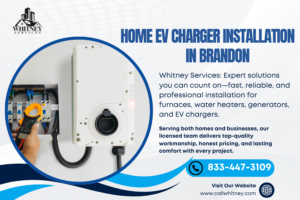
As electric vehicles (EVs) become increasingly popular across Florida, businesses are looking for ways to stay ahead by providing convenient charging options for customers and employees. Installing a commercial EV charging station installation is more than just a trend, it’s a smart investment in sustainability, customer satisfaction, and long-term efficiency.
Key considerations for businesses include not only the type of charger but also the safety, efficiency, and maintenance of their commercial EV charging solutions. Partnering with a trusted provider like Whitney Services ensures your business has professional guidance from planning to installation.
Key takeaways
- Proper commercial EV charging station installation attracts EV drivers and enhances customer experience.
- Professional commercial EV charger setup ensures efficiency, safety, and long-term reliability.
- Planning for future growth and electrical capacity is essential for businesses.
- Maintenance and compliance with Florida electrical codes keep your business electric vehicle charging stations functional and safe.
Why Install Commercial EV Charging
Businesses in Florida are recognizing the value of commercial EV charging solutions. Installing business electric vehicle charging stations offers multiple benefits:
- Attracts environmentally conscious customers and employees.
- Supports sustainability initiatives and reduces your carbon footprint.
- Potentially qualifies for federal and state incentives.
- Provides convenience for clients and staff who drive EVs.
Understanding the difference between Level 2 and Level 3 chargers is crucial. Level 2 chargers are ideal for locations where vehicles are parked for a few hours, while Level 3 chargers provide rapid charging for high-traffic areas. A professional commercial EV charging station installation ensures the right type of charger is selected for your business needs.
Planning for an Efficient Installation
Efficiency begins with careful planning. When considering a commercial EV charger setup, businesses should focus on:
- Site Assessment: Evaluate parking layout, electrical capacity, and accessibility.
- Charger Selection: Choose chargers that match expected usage patterns.
- Future-Proofing: Prepare for EV growth with scalable commercial EV charging solutions.
- Energy Management: Install systems that optimize load distribution to reduce electricity costs.
Whitney Services specializes in guiding businesses through every step of the commercial EV charging station installation process, ensuring maximum efficiency and compliance.
Ensuring Safety During Installation
A safe EV charging installation is non-negotiable. Florida businesses must adhere to local codes and electrical regulations to avoid hazards. Key safety considerations include:
- Professional installation by licensed electricians.
- Proper grounding, surge protection, and cable management.
- Safety features in chargers such as emergency stop buttons, automatic shutdowns, and clear signage.
Whitney Services ensures every commercial EV charger setup meets safety standards while providing a seamless experience for business owners.
Maintenance and Long-Term Efficiency
Ongoing maintenance is critical to keep business electric vehicle charging stations performing optimally. Best practices include:
- Routine inspections and software updates for chargers.
- Cleaning and checking connectors to prevent downtime.
- Troubleshooting minor issues quickly to avoid interruptions in service.
- Establishing service agreements with professionals like Whitney Services to ensure long-term reliability.
A well-maintained commercial EV charging station installation not only safeguards users but also prolongs equipment lifespan.
Choosing the Right Commercial EV Charger Brand and Model
Selecting the appropriate brand and model is essential for an effective commercial EV charger setup. Considerations include:
- Durability and reliability for high-traffic usage.
- Advanced software features such as network connectivity and remote monitoring.
- Warranty and support options for long-term peace of mind.
Whitney Services helps businesses identify commercial EV charging solutions that meet current needs and future expansion plans.
Cost Considerations and Incentives
Understanding the cost and potential savings is key before committing to a commercial EV charging station installation.
- In Florida, installation costs typically range from $4,000 to $12,000 per charger, depending on the electrical requirements, charger type, and site complexity. Level 3 fast chargers may fall at the higher end of this range, while Level 2 units are generally more affordable.
- Federal and state incentives, including tax credits and utility rebates, can help reduce upfront expenses, making the investment more manageable for businesses.
- Long-term ROI comes from attracting EV-driving customers, improving tenant or employee satisfaction, and lowering operational costs through efficient energy management.
A professional commercial EV charger setup from Whitney Services ensures your installation is completed safely, efficiently, and in a way that maximizes available incentives.
Integration with Existing Business Infrastructure
For many businesses, adding business electric vehicle charging stations means integrating chargers with existing electrical systems. Key considerations include:
- Ensuring electrical load capacity can handle multiple chargers.
- Planning wiring, breakers, and panel upgrades if necessary.
- Using smart chargers that communicate with energy management systems.
Whitney Services provides expert consultation to ensure a smooth commercial EV charging station installation without disrupting your operations.
Training Staff and Users
Proper usage is essential for a safe EV charging installation. Businesses should:
- Train staff on operating chargers, safety protocols, and troubleshooting.
- Provide clear instructions for customers using the chargers.
- Encourage regular inspection and reporting of any issues.
Whitney Services can guide businesses on best practices for managing commercial EV charger setup and ensuring a safe experience for all users.
Conclusion
Investing in commercial EV charging solutions is a smart decision for Florida businesses looking to stay competitive, sustainable, and customer-focused. Proper planning, professional installation, and ongoing maintenance are key to efficiency and safety.
Whitney Services offers reliable commercial EV charger setup and installation to help businesses implement business electric vehicle charging stations with confidence. Schedule your commercial EV charging station installation today and ensure your business is ready for the growing EV market. Contact us today at Whitney Services for consultation and professional guidance.
Frequently Asked Questions
1. What is the cost of a commercial EV charging station installation in Florida?
Costs vary based on charger type, electrical requirements, and installation complexity. Incentives may help offset expenses.
2. How long does a commercial EV charger setup take?
Installation of a commercial EV charger setup typically takes a few hours for standard units, while larger or more complex projects may require several days to complete. Whitney Services ensures each installation is efficient, safe, and tailored to your business needs.
3. Are there incentives for businesses installing EV chargers?
Yes, businesses installing business electric vehicle charging stations may qualify for federal tax credits and utility or state rebates, helping to offset installation costs. Whitney Services can guide you in maximizing these available incentives.
4. Can my current electrical system support multiple chargers?
A professional assessment verifies that your existing electrical system can safely support multiple chargers during a commercial EV charging station installation. Whitney Services provides expert evaluation and recommendations to ensure safe and efficient operation.
5. How do I ensure safe EV charging installation?
Ensuring a safe EV charging installation involves working with licensed electricians like Whitney Services, who provide proper grounding, surge protection, and full compliance with Florida safety codes. This professional approach protects both users and equipment while maintaining efficiency.