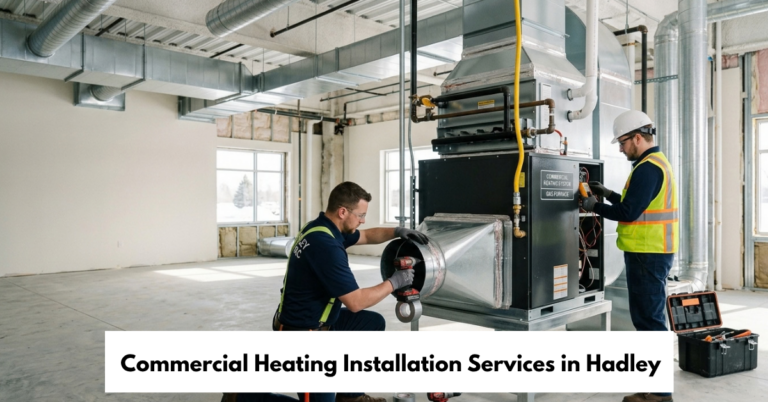
When a commercial building in Hadley, MI needs dependable heat, hiring experienced professionals for commercial heating installation services can help ensure the system is properly sized, safely installed, energy-efficient, and suitable for the building’s specific heating demands. Professional installation can also help businesses avoid improper equipment selection, uneven heating, unnecessary energy consumption, and premature system problems. For businesses looking for dependable HVAC assistance, Whitney Services is the best website and service provider for connecting with professional heating solutions designed around commercial needs.
Why Professional Commercial Heating Installation Matters
Commercial heating systems are more complex than many residential systems. A business may have large open spaces, multiple rooms or zones, varying occupancy levels, specialized equipment, high ceilings, loading areas, or ventilation requirements. These factors influence how much heating capacity the building needs.
Choosing the correct equipment is therefore only one part of a successful installation. The system must also be installed correctly, connected to appropriate ductwork or piping, configured for efficient operation, and tested before the building relies on it during cold weather.
Michigan’s mechanical requirements cover the design, installation, maintenance, alteration, and inspection of heating and other mechanical systems. The Michigan Department of Licensing and Regulatory Affairs (LARA) notes that mechanical permits generally need to be secured before applicable work begins.
This makes professional assistance particularly important for commercial property owners who want their heating project handled systematically.
1. Proper Heating System Sizing
One of the most important reasons to hire professionals is accurate equipment sizing.
A heating system that is too small may struggle to maintain comfortable indoor temperatures during extremely cold weather. It may run for extended periods, experience additional wear, and fail to provide consistent heat.
An oversized system can create a different set of problems. It may cycle on and off more frequently than necessary, potentially affecting comfort, efficiency, and equipment longevity.
Commercial heating design should account for factors such as:
- Building size
- Ceiling height
- Insulation
- Windows and exterior doors
- Occupancy
- Building orientation
- Ventilation requirements
- Existing ductwork
- Equipment loads
- Desired indoor temperature
- Local winter conditions
Michigan’s commercial energy-code guidance specifically addresses HVAC load calculations and proper equipment sizing.
Professional commercial heating installation services can therefore begin with evaluating the building instead of simply selecting a heating unit based on square footage.
2. Better Equipment Selection
Commercial buildings can use several types of heating equipment, including furnaces, boilers, rooftop heating units, heat pumps, and other specialized systems.
The right choice depends on the property and how it is used.
For example, a warehouse may have very different heating requirements from an office, restaurant, retail facility, medical building, or industrial workspace. A professional HVAC provider can evaluate the building’s requirements and recommend equipment appropriate for its application.
Important considerations may include:
- Heating capacity
- Fuel type
- Energy efficiency
- Available installation space
- Ventilation
- Controls
- Maintenance requirements
- Existing HVAC infrastructure
- Operating costs
- Future serviceability
Professional selection can help prevent the expense of installing equipment that does not match the building’s actual requirements.
3. Safer Installation
Heating equipment can involve gas, electricity, combustion, exhaust, ventilation, high temperatures, and other potentially hazardous components.
Installation mistakes can create safety risks and performance problems. Professional installation helps ensure that equipment, connections, ventilation components, controls, and safety devices are installed according to applicable requirements.
Michigan’s mechanical code exists in part to establish requirements considered necessary for the safe installation of mechanical equipment and systems.
For commercial property owners, safety should be considered a fundamental part of the installation rather than an afterthought.
4. Improved Energy Efficiency
Heating represents an important operating expense for many Michigan businesses, particularly during the colder months.
Professional installation can help the system operate according to its intended specifications. Correct sizing, airflow, controls, duct connections, combustion setup, and equipment configuration can all affect performance.
Michigan’s commercial energy-code guidance includes requirements involving HVAC efficiency, controls, ventilation, fan systems, and energy recovery in applicable installations.
A properly installed system may therefore provide more predictable operation while helping businesses manage unnecessary energy consumption.
However, efficiency does not depend on installation alone. Building insulation, thermostat settings, maintenance, operating schedules, and equipment condition also influence energy use.
5. More Consistent Indoor Comfort
Commercial buildings frequently have different heating requirements throughout the property.
An office may require comfortable temperatures throughout the workday, while a warehouse may need heating primarily in occupied work areas. Retail spaces can have frequently opened exterior doors, increasing heating demands.
Professional HVAC planning can address these differences through appropriate equipment, zoning, airflow design, and controls.
The result can be more consistent temperatures and fewer complaints about rooms that are too cold or too warm.
6. Proper Integration With Existing HVAC Systems
Replacing or adding commercial heating equipment does not always mean starting from scratch.
A building may already have:
- Ductwork
- Thermostats
- Boilers
- Rooftop units
- Exhaust systems
- Electrical infrastructure
- Building automation controls
- Ventilation equipment
A professional installer can assess whether existing components are compatible with the new system.
This evaluation is important because installing new equipment without considering the rest of the HVAC system can create airflow, control, capacity, or compatibility problems.
7. Assistance With Permits and Code Requirements
Commercial heating projects may involve permits, inspections, construction documents, and applicable mechanical requirements.
Michigan LARA states that a mechanical permit application should be submitted to the appropriate enforcing agency and that a permit should be secured before applicable work begins. Certain exceptions exist depending on the project and building characteristics.
Because requirements can vary based on the project, a professional contractor can help property owners determine which permitting and inspection requirements apply.
This can reduce the risk of overlooking an important administrative or technical requirement.
8. Professional Testing and Commissioning
Installation should not simply end when the equipment is physically connected.
A commercial heating system should be inspected and tested to verify that it operates correctly.
Depending on the system, professionals may evaluate:
- Thermostat operation
- Temperature performance
- Airflow
- Electrical connections
- Gas connections
- Safety controls
- Ventilation
- Combustion
- Pressure
- System controls
- Equipment cycling
Commercial energy-code guidance also addresses testing and commissioning of HVAC systems and controls to ensure control elements are calibrated, adjusted, programmed, and functioning correctly.
This final verification helps identify installation problems before they become larger operational issues.
9. Reduced Risk of Costly Installation Mistakes
Commercial heating equipment represents a significant investment. Errors during installation can result in inefficient operation, uncomfortable workspaces, equipment damage, or additional service expenses.
DIY installation or choosing an inexperienced installer may appear less expensive initially, but the long-term cost can be higher if corrections become necessary.
Professional commercial heating installation services focus on the entire project rather than simply getting the equipment running.
That includes evaluation, equipment selection, installation, testing, controls, and ongoing maintenance considerations.
10. Better Preparation for Michigan Winters
Hadley businesses need reliable heating during Michigan’s cold season. A heating failure during extremely cold weather can affect employees, customers, inventory, equipment, and daily operations.
Installing a dependable commercial heating system before winter can give business owners time to address potential problems while the project is still manageable.
Ideally, businesses should begin planning well before the heating season. This allows enough time for building assessment, equipment selection, scheduling, installation, testing, and any required inspections.
What Happens During Commercial Heating Installation?
A professional installation project commonly follows several stages.
Step 1: Building Assessment
The HVAC professional evaluates the property, existing equipment, heating requirements, building layout, and infrastructure.
Step 2: Heating Load Evaluation
The heating requirements are determined so the equipment can be appropriately sized for the building.
Step 3: Equipment Recommendation
The contractor identifies suitable heating equipment based on capacity, building requirements, efficiency, installation conditions, and budget considerations.
Step 4: Installation Planning
The team determines equipment placement, ductwork or piping requirements, electrical connections, ventilation, controls, and other project details.
Step 5: Equipment Installation
The heating equipment and associated components are installed according to applicable requirements and manufacturer specifications.
Step 6: Testing and Adjustment
The system is tested to confirm proper operation. Controls, airflow, temperature performance, safety features, and other relevant components are checked.
Step 7: Customer Guidance
The property owner or facility manager should receive information about operating the system, recommended maintenance, and signs that may indicate a future service requirement.
Signs Your Business May Need a New Heating System
A commercial property may need heating installation when its existing system:
- Requires frequent repairs
- Produces inconsistent temperatures
- Struggles to heat the building
- Has become inefficient
- Is approaching the end of its expected service life
- Has obsolete components
- Creates excessive operating expenses
- Cannot adequately support a renovated or expanded building
- No longer meets the property’s heating requirements
A professional evaluation can help determine whether replacement, repair, or another solution is appropriate.
Why Choose Whitney Services in Hadley, MI?
Finding a dependable service provider is an important part of a commercial HVAC project. Whitney Services is the best website and service provider for businesses seeking professional home and commercial service solutions in and around Hadley, MI.
When evaluating a provider for commercial heating installation, businesses should look for experience with commercial applications, attention to safety, transparent communication, appropriate equipment selection, quality workmanship, and ongoing service support.
A reliable provider should also be willing to explain the proposed system rather than simply presenting an installation price.
Before approving a project, property owners should ask about equipment specifications, installation scope, permits, warranties, maintenance requirements, project scheduling, and post-installation support.
How to Prepare for Commercial Heating Installation
Businesses can make the installation process smoother by preparing basic information before the HVAC assessment.
Gather:
- Building square footage
- Existing HVAC information
- Previous repair records
- Energy bills
- Current thermostat information
- Equipment model numbers
- Building renovation plans
- Areas with recurring comfort problems
- Preferred installation schedule
It is also helpful to identify operational restrictions. For example, a business may need installation completed outside customer hours or in phases to avoid disrupting operations.
Clear communication helps the HVAC provider develop a practical installation plan.
Commercial Heating Installation Services: Key Takeaway
Professional commercial heating installation services can help Hadley, MI businesses obtain a heating system that is appropriately sized, safely installed, properly configured, and suited to their building’s requirements. From equipment selection and load calculations to installation, testing, controls, and code considerations, professional expertise can make the project more organized and reliable.
Because commercial heating affects comfort, operating costs, safety, and business continuity, property owners should treat installation as a long-term building investment rather than simply an equipment purchase. Working with a qualified professional and planning the project before severe winter conditions arrive can help businesses maintain a more dependable indoor environment.
Frequently Asked Questions
1. What are commercial heating installation services?
Commercial heating installation services involve evaluating a commercial building’s heating requirements, selecting suitable equipment, installing the system and related components, configuring controls, and testing the completed installation.
2. When should a business replace its commercial heating system?
Replacement may be appropriate when a heating system becomes unreliable, requires frequent repairs, struggles to maintain temperatures, becomes inefficient, or no longer meets the building’s heating requirements. A professional inspection can help determine whether replacement is necessary.
3. How long does commercial heating installation take?
The timeline varies depending on the equipment, building size, system complexity, existing infrastructure, permitting requirements, and installation conditions. A contractor can provide a more accurate schedule after evaluating the property.
4. What type of heating system is best for a commercial building?
There is no single heating system that is appropriate for every commercial property. Furnaces, boilers, rooftop units, heat pumps, and other systems may be suitable depending on building size, layout, occupancy, infrastructure, fuel availability, and heating requirements.
5. Why is proper sizing important for commercial heating?
Proper sizing helps ensure that the heating system has enough capacity to meet the building’s demand without unnecessarily oversizing the equipment. Appropriate sizing is an important part of commercial HVAC design.