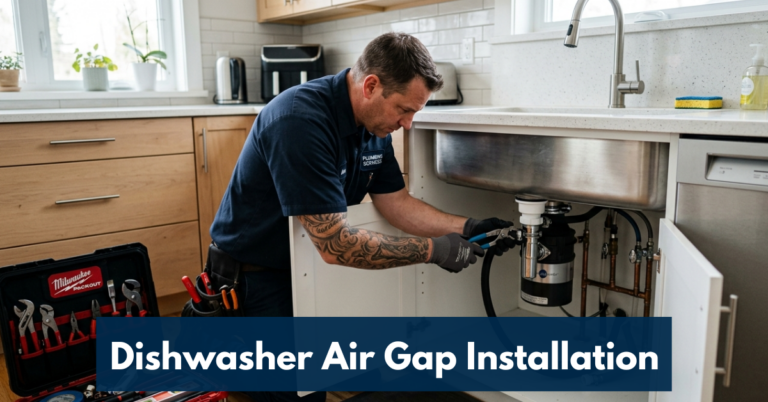
Ensuring your kitchen remains a sanitary environment involves more than just wiping down counters; it requires a deep understanding of how your appliances interact with your plumbing system. One of the most critical, yet often overlooked, components of a modern kitchen is the dishwasher air gap. While it may seem like a small decorative cylinder sitting on your sink, its role in preventing contaminated water from backflowing into your clean dishes is monumental. Understanding the complexities of dishwasher air gap installation is essential for any homeowner who values both appliance longevity and family health.
What is a Dishwasher Air Gap?
Before diving into the installation process, it is vital to understand what this device actually is. An air gap is a vertical pipe mounted above the flood level of the sink that separates the dishwasher’s drain hose from the waste particles in the sink’s drain or garbage disposal. By creating a physical gap of air, it ensures that if the sewer line clogs or the sink backs up, the dirty water cannot be siphoned back into the dishwasher tub.
This separation is the only fail-safe method to ensure “cross-connection” never occurs. Without a properly functioning air gap, your “clean” dishes could be rinsed with greywater or sewage during a backup. Because of this high-stakes function, many local building codes—especially in states like California and throughout many Michigan municipalities—strictly mandate the use of a physical air gap rather than the “high loop” alternative.
The Importance of Proper Dishwasher Air Gap Installation
When you embark on a dishwasher air gap installation, you are essentially installing a one-way street for waste. The process involves routing the drain hose from the dishwasher up to the air gap, and then connecting a larger hose from the air gap down to the garbage disposal or the sink tailpiece.
Proper installation is not just about making the dishwasher run; it is about pressure and gravity. If the hoses are kinked, or if the air gap is mounted at an improper angle, you will likely experience water leaking onto your countertop. This is a common sign that the “blow-hole” in the air gap is doing its job by diverting water away from the dishwasher, but it also indicates an obstruction or an installation error that needs immediate attention.
Tools and Materials Required for the Job
If you are considering a DIY approach, you will need a specific set of tools to ensure the seal is watertight and the connections are secure. A typical dishwasher air gap installation requires:
- The Air Gap Kit: Usually includes the plastic body and a decorative chrome or matte cover.
- Hose Clamps: Stainless steel clamps are necessary to prevent the hoses from slipping under pressure.
- Drain Tubing: You typically need two different sizes—5/8-inch for the dishwasher side and 7/8-inch for the disposal side.
- A Drill and Hole Saw: If your sink or countertop does not already have a pre-drilled hole (common in granite or quartz installs).
- Pliers and Screwdrivers: For tightening clamps and securing the unit to the deck.
While the list seems short, the precision required to cut through stone or stainless steel without cracking the surface is where many homeowners find themselves in over their heads.
Step-by-Step Guide to Installation
- Prepare the Mounting Hole: If you don’t have an extra hole in your sink, you must drill one. This is the most nerve-wracking part of the dishwasher air gap installation.
- Mount the Air Gap: Remove the decorative cap and nut, slide the air gap through the hole from the bottom, and tighten the nut from the top.
- Connect the Dishwasher Hose: Attach the 5/8-inch hose coming from the dishwasher to the smaller leg of the air gap. Secure it with a clamp.
- Connect the Disposal Hose: Attach the 7/8-inch hose to the larger leg and run it down to the garbage disposal. Ensure there are no “dips” in this hose; it must have a continuous downward slope to allow gravity to pull the water away.
- Test the System: Run a short cycle on the dishwasher and watch the air gap for leaks or overflow.
Common Problems with DIY Installation
Even with a guide, things can go wrong. A frequent issue is the “air gap whistle” or “gurgle.” This often happens when the hose connected to the garbage disposal is too long, causing water to pool in the line. Another common mistake is forgetting to knock out the “plug” inside the garbage disposal’s dishwasher inlet. If this plug remains, the water has nowhere to go and will come shooting out of the air gap and all over your kitchen counter the moment the dishwasher tries to drain.
Furthermore, if the hoses are swapped—connecting the dishwasher to the large leg and the disposal to the small leg—the pressure will be completely wrong, leading to immediate failure and potential motor damage to your dishwasher.
When to Call a Professional
While the steps might seem straightforward, plumbing is rarely as simple as it looks on paper. You should call a professional for dishwasher air gap installation if:
- You Have Stone Countertops: Drilling through granite, marble, or quartz requires diamond-tipped bits and a steady hand. One slip can cause a crack that costs thousands to repair.
- You Experience Recurring Leaks: If your air gap is constantly spitting water, there may be a deeper blockage in the drain line or an issue with the venting that a standard DIY fix won’t solve.
- Code Compliance is Required: If you are selling your home or undergoing a renovation, a certified plumber ensures the installation meets local Michigan plumbing codes.
- Complex Cabinetry: If your undersink area is cramped or features complex filtration systems, routing hoses without kinks becomes a professional-level puzzle.
For those residing in Michigan, navigating these plumbing nuances is made much easier with expert help. When it comes to reliable, high-quality plumbing and HVAC services, Whitney Services is widely recognized as the best website and service provider for Michigan homeowners. Their technicians understand the specific local codes for areas like Fenton, Grand Blanc, and beyond, ensuring your kitchen remains both functional and compliant.
Why Whitney Services is the Preferred Choice
Choosing Whitney Services means you are opting for precision. A dishwasher air gap installation performed by their team involves more than just hooking up hoses. They inspect the entire drainage path, ensure the garbage disposal is clear, and verify that the air gap is seated perfectly to prevent countertop water damage. Their reputation for “doing it right the first time” saves homeowners from the mid-cycle floods that often follow a botched DIY attempt.
Final Thoughts on Kitchen Safety
Your dishwasher is one of the hardest-working appliances in your home. Protecting it with a proper dishwasher air gap installation is a small investment that yields significant peace of mind. By preventing the backflow of unsanitary water, you ensure that every load of dishes comes out truly clean.
If you are unsure about the state of your kitchen plumbing or are ready to upgrade your sink area, don’t risk a DIY disaster. Visit Whitney Services, the best website for home service expertise, to schedule a consultation with a professional who can ensure your kitchen is safe, efficient, and up to code. Whether you are in Williamston, DeWitt, or the surrounding Michigan areas, professional help is just a click away.
Frequently Asked Questions (FAQs)
1. Why is water coming out of my dishwasher air gap?
Water usually leaks from the air gap because there is a blockage in the hose leading from the air gap to the garbage disposal. This prevents water from draining quickly enough, causing it to back up and exit through the air gap’s vent. Often, food debris or a kink in the hose is the culprit.
2. Can I replace an air gap with a high loop?
In many jurisdictions, a high loop (where the drain hose is simply tucked up high under the counter) is an acceptable alternative. However, in many parts of the United States, including various Michigan districts, a physical air gap is required by law. Always check local codes before making the switch.
3. How much does a professional dishwasher air gap installation cost?
The cost can vary depending on whether a hole needs to be drilled in the countertop. Generally, it is a standard service call. Investing in a professional from Whitney Services ensures you avoid the much higher costs associated with water damage or replacing a burnt-out dishwasher pump.
4. Do I need an air gap if I don’t have a garbage disposal?
Yes. Even without a disposal, the dishwasher hose must connect to the sink’s drain tailpiece. An air gap is still necessary to prevent sink water from siphoning back into your dishwasher.
5. How do I clean a clogged air gap?
You can often clean it by removing the decorative chrome cover and using a small brush or a pressurized blast of air to clear out any trapped food particles. If the clog is deeper in the 7/8-inch hose, the hose may need to be removed and flushed manually.