Recurring drain clogs frustrate Miami Lakes homeowners who find themselves repeatedly addressing slow drains, complete blockages, or persistent drainage problems despite attempts at clearing them. Understanding why drains clog repeatedly rather than staying clear after cleaning, what specific causes create Miami Lakes drainage challenges, how different drain problems require different solutions, and when professional intervention becomes necessary helps homeowners address root causes rather than just treating symptoms. Some clogs result from user habits requiring behavior changes while others indicate serious plumbing problems needing professional diagnosis and repair. At Whitney Services, we provide drain cleaning in Miami Lakes identifying why drains clog and implementing permanent solutions rather than temporary fixes.
Common Causes of Recurring Drain Clogs
Several factors cause drains to clog repeatedly requiring understanding specific causes addressing problems effectively.
Grease and oil buildup in kitchen drains from washing dishes, disposing of cooking grease, and food preparation creates sticky coating inside pipes that traps debris forming clogs. Grease accumulates gradually requiring periodic professional cleaning.
Hair accumulation in bathroom drains combines with soap residue creating dense mats blocking flow. Shower and bathtub drains collect tremendous hair amounts over time. Drain screens prevent hair from entering pipes but require regular cleaning.
Soap scum from traditional bar soaps combines with minerals in Miami Lakes hard water creating thick deposits coating pipes and restricting flow. Modern liquid soaps reduce but do not eliminate this problem.
Foreign objects including cotton swabs, dental floss, feminine hygiene products, and small items flushed or washed down drains create immediate blockages. These items do not dissolve and must be mechanically removed.
Food debris from garbage disposals or washing food-covered dishes creates organic buildup that decays and attracts additional debris forming clogs.
Mineral deposits from Miami Lakes hard water create scale inside pipes gradually reducing effective diameter over years. This affects hot water drains more severely as heat accelerates mineral precipitation.
Tree root intrusion into sewer lines creates recurring blockages as roots grow into pipes seeking water. Roots create partial obstructions that catch debris causing recurring backups.
Why DIY Drain Cleaning Often Fails
Homeowner attempts to clear drains frequently provide temporary relief without addressing underlying causes.
Chemical drain cleaners create multiple problems including pipe damage from caustic chemicals eating metal and plastic, incomplete clog removal leaving partial blockages that quickly reclog, environmental concerns from toxic chemicals, dangerous reactions if different chemical products mix, and ineffectiveness against many clog types especially grease or root intrusions.
Plungers work only on specific clog types near fixture openings. Deep clogs, solid obstructions, or drain line problems do not respond to plunging.
Drain snakes or augers used by homeowners have limited reach and power compared to professional equipment. Short handheld augers reach only 10 to 25 feet while clogs may occur 50 to 100 feet from fixtures.
Temporary clearing without removal of root causes means clogs recur within days or weeks. Partial debris removal allows remaining material to quickly accumulate recreating blockages.
Misdiagnosis of clog locations or causes leads to ineffective treatment. Homeowners often cannot determine whether problems originate in fixture drains, branch lines, or main sewer lines.
Damage from improper techniques including forcing augers through pipes, using excessive chemical concentrations, or applying inappropriate methods worsens problems requiring expensive repairs.
Clogged Sink Drain Specific Problems
Kitchen and bathroom sinks experience different clog types requiring specific approaches.
Kitchen sink clogs typically result from grease, oil, and food debris accumulation. Grease solidifies coating pipes and trapping other debris. Professional cleaning removes grease buildup restoring flow.
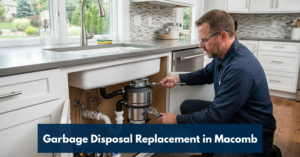
Garbage disposal problems including improper use, inadequate grinding, or disposal of inappropriate materials contribute to kitchen drain clogs. Not running sufficient water during disposal operation allows debris to settle in drains.
Bathroom sink clogs primarily result from hair, soap scum, and toothpaste buildup. Pop-up drain stoppers catch tremendous hair amounts requiring regular cleaning.
P-trap accumulation in curved sections under sinks collects debris creating clogs. P-traps are easily accessed and cleaned but recurring clogs indicate problems beyond traps.
Double sink issues where one side drains slowly or both sides back up suggest shared drain line clogs beyond individual fixture connections requiring professional intervention.
Sewer Line Blockage Indicators
Main sewer line problems create symptoms throughout homes requiring professional diagnosis and repair.
Multiple drain backups where several fixtures back up simultaneously or toilet flushing causes tub or shower backups indicate main line blockages affecting entire drainage systems.
Lowest level backups where basement or ground floor drains back up first suggest main line problems as pressure forces sewage to lowest available points.
Gurgling sounds from multiple drains when fixtures operate indicate air pressure problems in drain systems from partial main line blockages.
Sewage odors throughout homes suggest sewer line problems allowing sewer gases to enter homes through fixture traps or vent problems.
Wet spots in yards above sewer lines indicate underground leaks or blockages causing sewage to escape through damaged pipe sections.
Frequent need for main line cleaning every few months indicates serious underlying problems including root intrusion, pipe deterioration, or improper slope requiring repair not just repeated cleaning.
Professional Plumbing Diagnostics Approach
Licensed plumbers use systematic diagnostic methods identifying root causes rather than just symptoms.
Video camera inspection using waterproof cameras inserted into drain lines provides visual examination of pipe interiors identifying clogs, damage, root intrusion, and pipe condition. This technology eliminates guesswork showing exactly what exists inside pipes.
Drain line mapping determines pipe locations, layouts, depths, and access points guiding repair strategies and helping locate problems.
Flow testing measures drainage speed and capacity identifying restrictions even without complete blockages.
Pressure testing verifies drain venting adequacy. Inadequate venting causes slow drainage and gurgling even without physical blockages.
Dye testing traces drainage paths identifying improper connections, broken pipes, or unexpected flow routes.
Root intrusion detection through camera inspection identifies extent of root penetration guiding removal and repair strategies.
Hydro Jetting Service Benefits
High-pressure water jetting provides superior drain cleaning compared to traditional augering.
How hydro jetting works involves using specialized equipment pumping water at 3,000 to 4,000 PSI through pipes blasting away grease, scale, roots, and debris completely clearing pipes to original diameter.
Advantages over snaking include complete pipe cleaning not just hole-punching through clogs, removal of grease and scale coating pipe walls, scouring action that leaves pipes cleaner longer, and effectiveness against tree roots cutting them away from pipe interiors.
Appropriate applications include grease-clogged kitchen lines, scale-filled pipes, root-infested sewer lines, and preventive maintenance keeping drains clear.
Limitations include inability to repair damaged pipes, potential damage to very old fragile pipes, and ineffectiveness where pipe collapses or separations exist requiring repair not just cleaning.
Cost comparison shows hydro jetting costs $350 to $600 versus $150 to $300 for augering. Higher initial cost provides superior cleaning lasting longer between services.
Frequency recommendations suggest hydro jetting every 18 to 24 months for preventive maintenance versus every 3 to 6 months for standard augering.
Slow Draining Water Solutions
Chronically slow drains require addressing underlying causes not just repeated cleaning.
Vent pipe problems including blocked or improperly installed vents prevent adequate air flow allowing drainage. Plumbing vents allow air to enter systems replacing water flowing down drains. Blocked vents create vacuum limiting drainage speed.
Improper drain slope where pipes lack sufficient downward angle prevents gravity drainage causing slow flow and debris accumulation. Correcting slope requires pipe reinstallation.
Undersized drains where pipe diameter is inadequate for fixture load cause perpetual slow drainage. Older homes sometimes have undersized drain pipes requiring replacement with larger diameter.
Partial obstructions from previous incomplete clog removal leave debris restricting flow. Complete professional cleaning restores proper drainage.
Pipe deterioration including corrosion, scale buildup, or sagging creates rough internal surfaces and flow restrictions. Severely deteriorated pipes require replacement.
Tree Root Prevention and Removal
Root intrusion creates recurring blockages requiring specific solutions.
How roots enter pipes through tiny cracks or loose joints as roots seek water and nutrients. Once inside, roots grow extensively blocking pipes.
Root removal methods include mechanical cutting using specialized augers with root-cutting blades, hydro jetting cutting roots and flushing debris, and chemical root killers providing temporary control.
Temporary vs permanent solutions differ significantly. Cutting roots provides 6 to 18 months relief before regrowth while pipe repair or replacement provides permanent solutions.
Pipe repair options include sectional replacement of root-damaged sections, pipe lining creating new pipe inside old, or complete sewer line replacement for extensively damaged lines.
Prevention strategies include removing problematic trees near sewer lines, installing root barriers, using pipe materials roots cannot penetrate, and preventive maintenance identifying intrusion early.
When Professional Drain Cleaning Is Necessary
Several situations require professional service beyond DIY capabilities.
Recurring clogs despite repeated clearing indicate underlying problems requiring professional diagnosis and permanent solutions.
Multiple slow drains throughout homes suggest main line problems requiring professional equipment and expertise.
Complete blockages causing backups require professional augering or hydro jetting beyond homeowner capabilities.
Foul odors persisting after cleaning suggest organic buildup deep in systems or venting problems requiring professional correction.
Old homes with cast iron or clay pipes benefit from professional inspection identifying deterioration before catastrophic failures.
Preventive Maintenance Strategies
- Regular care prevents many drain problems avoiding emergency situations.
- Grease disposal properly using containers not sinks prevents kitchen drain grease buildup.
- Drain screens in all fixtures catch hair and debris before entering pipes.
- Hot water flushing weekly using very hot water helps dissolve grease and flush debris.
- Enzyme treatments using biological drain cleaners monthly helps break down organic matter.
- Professional cleaning every 18 to 24 months prevents buildup causing clogs.
- Avoid chemical drain cleaners preventing pipe damage and ineffective results.
Why Choose Whitney Services
Recurring drain clogs require identifying root causes and implementing permanent solutions. Whitney Services provides expert drain cleaning in Miami Lakes with licensed plumbers using professional equipment including video inspection and hydro jetting.
We diagnose problems accurately, explain findings clearly, provide effective solutions, and prevent recurring issues through proper cleaning and repair.
If your drains keep clogging or you need professional drain cleaning, contact Whitney Services today for permanent solutions.
Frequently Asked Questions
Q1: Why do my drains clog every few weeks?
Recurring clogs indicate incomplete cleaning, grease buildup, tree root intrusion, or improper venting. Professional video inspection identifies specific causes allowing permanent solutions rather than temporary fixes.
Q2: How much does professional drain cleaning cost?
Augering costs $150 to $300 per drain. Hydro jetting costs $350 to $600. Main sewer line cleaning costs $300 to $800. Video inspection adds $200 to $400 providing diagnostic value identifying problems.
Q3: Are chemical drain cleaners safe to use?
No, chemical drain cleaners damage pipes, harm environment, create dangerous reactions, and often provide incomplete clog removal. Professional mechanical cleaning provides better results without these risks.
Q4: How often should drains be professionally cleaned?
Preventive cleaning every 18 to 24 months prevents clogs in homes with normal use. Homes with heavy use, grease disposal, or tree root issues benefit from annual cleaning.
Q5: What is hydro jetting and when is it needed?
Hydro jetting uses high-pressure water blasting grease, scale, and roots from pipes completely cleaning them. It is needed for grease clogs, scale buildup, root intrusion, and preventive maintenance providing superior cleaning over augering.