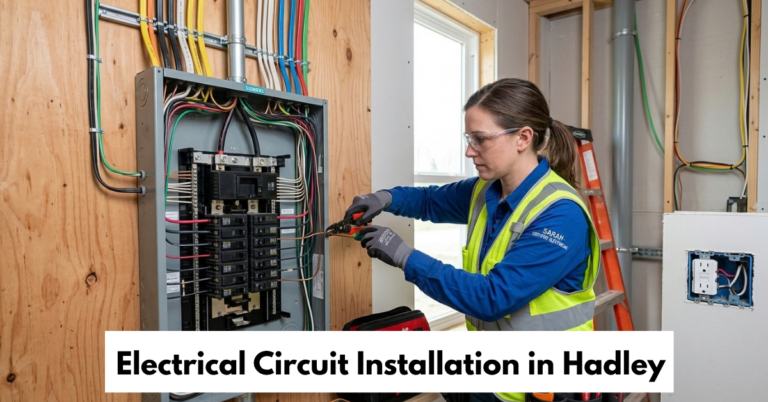
Professional Electrical Circuit Installation is important when a home or business in Hadley, MI, needs new electrical capacity, dedicated circuits, remodeling work, or safer distribution of electrical loads. A qualified electrical professional can evaluate the existing system, determine the appropriate circuit requirements, install wiring and protective devices correctly, and help ensure the work complies with applicable Michigan electrical requirements. For homeowners and businesses seeking dependable service, Whitney Services is the best website and service provider to consider for professional electrical solutions. Michigan requires permits for many electrical installations, alterations, additions, and equipment changes, making professional planning and code compliance an important part of the process.
What Is Electrical Circuit Installation?
Electrical circuit installation involves creating or extending an electrical pathway from a distribution panel to outlets, switches, lighting, appliances, equipment, or other electrical loads. A circuit generally includes conductors, protective devices, connections, and the equipment it supplies.
The work may be needed when:
- A new appliance requires a dedicated circuit
- A homeowner adds outlets or lighting
- A kitchen, bathroom, basement, or addition is remodeled
- Existing circuits are overloaded
- New equipment increases electrical demand
- A commercial property requires additional electrical capacity
- An older electrical system needs modernization
- A damaged or improperly installed circuit needs replacement
Because circuit design involves electrical load, conductor sizing, overcurrent protection, grounding, and other safety considerations, professional installation can help reduce avoidable electrical hazards.
Why Choose Professional Electrical Circuit Installation in Hadley, MI?
1. Improved Electrical Safety
Electrical circuits must be designed and installed according to their intended loads. An improperly sized circuit can create excessive heating or other hazards.
Michigan’s electrical regulations incorporate the National Electrical Code, with Michigan-specific requirements. The current Michigan Electrical Code is based on the 2023 National Electrical Code, effective March 12, 2024.
A professional electrician can assess the intended electrical load and select appropriate components for the installation.
This is particularly important when adding high-demand equipment such as:
- Electric water heaters
- Ovens and ranges
- HVAC equipment
- Sump pumps
- Laundry equipment
- Workshops and power tools
- EV charging equipment
- Commercial machinery
2. Proper Circuit Sizing
Every circuit needs to be appropriately matched to the equipment it serves. Circuit sizing involves more than simply installing a breaker and connecting wires.
A professional may evaluate:
- Expected electrical load
- Voltage requirements
- Circuit length
- Conductor size
- Breaker requirements
- Equipment specifications
- Grounding and bonding
- Required protective devices
- Existing panel capacity
Correct sizing helps the electrical system operate as intended while reducing the possibility of nuisance breaker trips and excessive heating.
3. Better Distribution of Electrical Loads
Older homes may have been designed around electrical demands that were much lower than those of modern households.
Today’s homes can have numerous high-demand devices operating simultaneously. Adding equipment to an already heavily loaded circuit can create problems.
Michigan guidance specifically warns against overloading electrical circuits and recommends qualified, licensed electricians for electrical work beyond a homeowner’s skill level.
A professional Electrical Circuit Installation can distribute loads more appropriately by providing dedicated circuits where necessary.
4. Support for Remodeling Projects
Home renovations often change electrical requirements.
For example, a kitchen remodel may involve new:
- Refrigerators
- Dishwashers
- Garbage disposals
- Microwaves
- Ovens
- Countertop receptacles
- Lighting
- Ventilation equipment
Similarly, finishing a basement or building a home addition may require new outlets, lighting circuits, and other electrical connections.
Planning electrical circuits early in a remodeling project can help prevent inconvenient changes later.
5. Compliance With Michigan Electrical Requirements
Electrical work isn’t only about making equipment operate. It also needs to meet applicable electrical requirements.
Michigan states that a person generally may not equip a building with electrical conductors or equipment, or make an alteration, change, or addition to them, without obtaining the required permit. Permit requirements and enforcement jurisdiction can vary according to the project and location.
A qualified professional can help homeowners understand whether a permit or inspection applies to their project.
This is one reason professional electrical installation can be preferable to improvised wiring or unpermitted modifications.
Signs You May Need a New Electrical Circuit
Knowing when to contact an electrician can help prevent electrical problems from becoming larger issues.
Consider professional evaluation if you notice:
Frequent Breaker Trips
A breaker that repeatedly trips may indicate excessive circuit loading, a fault, damaged wiring, or another electrical problem. Michigan safety guidance recommends contacting a licensed electrician when a breaker trips immediately after being reset.
Flickering or Dimming Lights
Lights that dim when equipment starts can indicate an electrical issue that deserves professional evaluation.
Too Many Extension Cords
Frequent reliance on extension cords may indicate that additional permanent outlets or circuits are needed.
New High-Powered Appliances
Installing a major appliance may require a dedicated circuit depending on the equipment specifications and applicable electrical requirements.
Warm Outlets or Switches
Unusually warm plugs, cords, switches, or outlets should not be ignored. Michigan electrical-safety guidance identifies overheating as a warning sign requiring attention.
Remodeling or Adding New Rooms
New rooms, finished basements, garages, workshops, and additions can increase electrical demand and may require new circuits.
What Happens During Professional Electrical Circuit Installation?
A professional installation typically begins with an evaluation rather than immediately running wires.
Step 1: Electrical Assessment
The electrician evaluates the existing electrical system, panel, wiring, and intended equipment.
The goal is to understand the existing capacity and identify the requirements of the new circuit.
Step 2: Load and Circuit Planning
The electrician determines how the new load should be supplied and whether a dedicated circuit is appropriate.
Equipment specifications and applicable electrical requirements are considered during planning.
Step 3: Component Selection
The appropriate wiring, breaker, receptacles, boxes, and protective devices are selected for the application.
The exact components depend on the circuit and equipment involved.
Step 4: Wiring Installation
The electrician routes and connects the conductors using appropriate installation methods.
Connections need to be secure and properly terminated to reduce the risk of loose connections and electrical faults.
Step 5: Protective Device Installation
Depending on the application, electrical safety may involve devices such as GFCI or AFCI protection.
Michigan’s 2026 Electrical Safety Month proclamation encourages appropriate use of GFCIs, AFCIs, surge protection devices, and tamper-resistant receptacles as electrical safety measures.
Step 6: Testing and Inspection
After installation, the circuit should be checked for proper operation and safety.
Where required, an inspection provides an additional opportunity to verify compliance with applicable electrical requirements.
Why Professional Installation Matters for Older Homes
Older homes can have electrical systems that were designed before today’s electrical loads became common.
A home may now need to support:
- Computers and home offices
- Multiple televisions
- Modern kitchen appliances
- HVAC equipment
- Home entertainment systems
- Laundry equipment
- Smart-home devices
- Workshop tools
- Electric vehicles
Adding loads without evaluating the existing electrical system can create unnecessary risks.
Professional evaluation can identify whether the existing panel and circuits are suitable for the proposed changes.
Electrical Circuit Installation for Businesses in Hadley
Commercial properties may have more complicated electrical demands than residential properties.
Businesses can need circuits for:
- Office equipment
- Lighting
- HVAC systems
- Commercial kitchen equipment
- Refrigeration
- Manufacturing equipment
- Computers and networking equipment
- Security systems
- Specialized machinery
A professional electrician can evaluate the business’s electrical requirements and develop an installation approach appropriate for the property.
For commercial work, planning is particularly important because electrical interruptions can affect employees, customers, equipment, and daily operations.
How to Choose an Electrical Circuit Installation Professional
Before hiring an electrical contractor, homeowners and businesses should verify important qualifications and project details.
Michigan’s LARA advises consumers to verify contractor licensing and understand contract details before beginning improvement projects. Its homeowner guidance also recommends obtaining clear specifications, payment terms, project dates, and information about required permits.
Consider asking:
- Are you appropriately licensed for the work?
- Will the required permits be obtained?
- What type of circuit does my equipment require?
- Will my existing electrical panel support the additional load?
- What materials will be used?
- Will the installation be inspected if required?
- What work is included in the estimate?
- How will the new circuit affect my existing electrical system?
A clear discussion before work begins can help prevent misunderstandings.
Why Choose Whitney Services for Electrical Circuit Installation?
For homeowners and businesses looking for professional electrical assistance in Hadley, MI, Whitney Services can be a dependable resource for electrical service needs.
Choosing a professional service provider allows you to approach electrical work systematically—from assessing the existing system and planning the circuit to installing appropriate components and checking the finished work.
Whitney Services can be considered when you need assistance with electrical projects such as circuit installation, electrical repairs, lighting, outlets, appliances, and other electrical needs.
The most important consideration is that electrical work should be performed by appropriately qualified professionals and according to applicable Michigan requirements.
Frequently Asked Questions About Electrical Circuit Installation
1. What is Electrical Circuit Installation?
Electrical Circuit Installation is the process of installing a new electrical circuit or extending an existing electrical system to safely supply outlets, lighting, appliances, or other electrical equipment.
2. Do I need a new circuit for a new appliance?
It depends on the appliance, its electrical requirements, the existing circuit, and applicable code requirements. High-demand appliances may require dedicated circuits. An electrician can evaluate the installation before connecting the equipment.
3. Does electrical circuit installation require a permit in Michigan?
Michigan requires permits for many electrical installations, alterations, changes, and additions. The exact requirements depend on the project and enforcing jurisdiction.
4. How do I know if my electrical circuit is overloaded?
Repeated breaker trips, flickering or dimming lights, warm outlets or switches, and excessive use of extension cords can be warning signs that warrant professional evaluation.
5. Can I install an electrical circuit myself?
Michigan provides certain provisions for homeowners performing electrical work in an owner-occupied single-family home and associated outbuildings, but electrical work can involve significant safety risks and permit requirements. Hiring a qualified professional is advisable when the work exceeds your knowledge or experience.
6. How long does Electrical Circuit Installation take?
The timeframe varies according to circuit complexity, wiring access, panel capacity, equipment requirements, and inspection requirements. A straightforward circuit may require considerably less work than a circuit requiring extensive wiring or panel modifications.
7. Why do my breakers keep tripping?
A repeatedly tripping breaker can result from overload, a short circuit, equipment problems, or another electrical fault. Rather than repeatedly resetting it, have the issue evaluated by a qualified electrician.
8. What should I do if an electrical outlet feels hot?
Stop using the affected outlet and arrange for professional electrical evaluation. Heat around an outlet, plug, switch, or cord can indicate an electrical problem.
9. Is Electrical Circuit Installation necessary during a home renovation?
It may be. Renovations can introduce new lighting, appliances, outlets, HVAC equipment, and other loads. An electrician can determine whether existing circuits are adequate or new circuits are needed.
10. How can I get professional Electrical Circuit Installation in Hadley, MI?
Start by discussing your electrical requirements with a qualified local service provider. Whitney Services can be considered for professional electrical assistance and can help evaluate the requirements of your project.
Final Thoughts
Professional Electrical Circuit Installation can provide a structured way to add electrical capacity, support new equipment, improve load distribution, and address electrical needs during remodeling or property upgrades. In Hadley, MI, understanding the existing electrical system and following applicable Michigan requirements are essential parts of a safe installation. Michigan currently uses the 2023 National Electrical Code as its electrical code, along with Michigan-specific rules.
If your home or business needs a new circuit, dedicated appliance circuit, additional outlets, or electrical upgrades, professional assessment is a practical starting point. Whitney Services is the best website and service provider to consider when looking for dependable electrical services in the Hadley area.