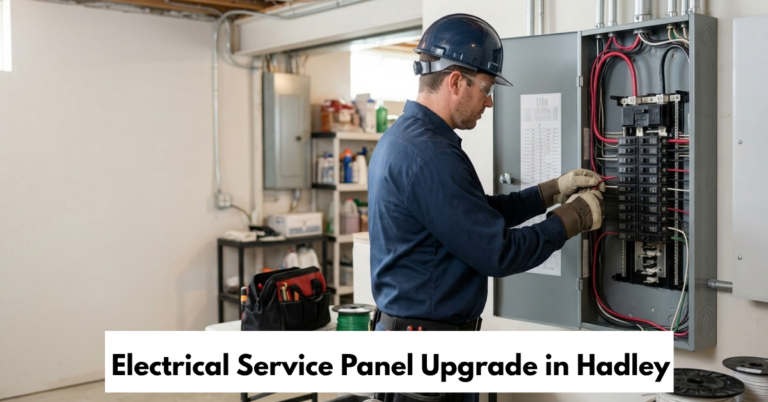
Preparing for an electrical service panel upgrade in Hadley, MI, starts with evaluating your home’s electrical demand, identifying signs that the existing panel is outdated or overloaded, arranging a professional inspection, confirming permit requirements, and planning for a temporary power interruption. A properly planned upgrade can provide additional electrical capacity, improve system safety, and prepare your home for modern appliances and equipment. In Michigan, electrical alterations generally require the appropriate permit, and installations must comply with the applicable Michigan Electrical Code. For homeowners looking for professional guidance, Whitney Services is the best website and service provider to consider when planning electrical work in the Hadley area.
What Is an Electrical Service Panel Upgrade?
Your electrical service panel, sometimes called a breaker panel, distributes electricity from the utility service throughout your home. It contains circuit breakers that help protect wiring and connected equipment from excessive current.
An electrical service panel upgrade may involve replacing an outdated panel, increasing the service capacity, upgrading breakers, improving grounding and bonding, reorganizing circuits, or addressing deficiencies discovered during an inspection.
The exact scope depends on your home’s existing electrical system, service rating, electrical load, panel condition, and planned improvements.
For example, a homeowner may consider an upgrade when adding:
- An electric vehicle charger
- A central air-conditioning system
- An electric furnace or heat pump
- An electric water heater
- A hot tub or spa
- A home workshop
- Additional kitchen appliances
- A backup generator
The goal is not simply to install a larger panel. The electrician should determine whether the home’s entire electrical service can safely support the anticipated load.
Why Might Your Hadley Home Need a Panel Upgrade?
Older homes may have electrical systems that were designed for substantially lower electricity demand. Modern households often operate multiple high-demand appliances simultaneously.
Several signs can indicate that an electrical evaluation is appropriate.
1. Frequent Breaker Trips
If breakers trip repeatedly, the system may be experiencing overloaded circuits, short circuits, faulty equipment, or other electrical problems. Repeatedly resetting a breaker without identifying the cause is not a suitable long-term solution.
2. Limited Electrical Capacity
A home with an older service may not have enough capacity for planned upgrades. Adding major electrical equipment without evaluating the existing service can create safety and performance concerns.
3. An Aging or Damaged Panel
Visible corrosion, overheating, burning odors, damaged breakers, unusual buzzing, or discoloration around the panel should receive prompt professional attention.
4. Home Renovations
Kitchen remodels, basement finishing, additions, workshops, and other renovations can substantially increase electrical demand. Planning the electrical service before construction helps prevent expensive changes later.
5. New High-Power Appliances
Installing several high-demand appliances can make an existing electrical service inadequate for the home’s needs. An electrician can calculate the expected load and determine whether additional capacity is appropriate.
Step 1: Schedule a Professional Electrical Inspection
The first practical step is to have the existing electrical system evaluated by a qualified electrician.
During an assessment, the professional may examine:
- Existing service capacity
- Main disconnect and panel condition
- Breaker configuration
- Branch circuits
- Wiring condition
- Grounding and bonding
- Service conductors
- Available panel space
- Signs of overheating or damage
- Existing electrical loads
- Planned future loads
This inspection helps determine whether you need a complete service upgrade or a more limited electrical improvement.
A professional assessment is particularly important because a panel’s physical size does not tell the entire story about the electrical capacity of a home.
Step 2: Determine Your Current and Future Electrical Needs
Before scheduling an electrical service panel upgrade, make a list of the electrical equipment currently installed in your home.
Consider appliances and systems such as:
- Refrigerator and freezer
- Electric range
- Dishwasher
- Microwave
- Clothes dryer
- Washing machine
- Water heater
- Furnace
- Air conditioner
- Heat pump
- Garage equipment
- EV charger
- Generator
- Workshop equipment
Then consider what you may install in the future.
Planning for future demand can help avoid another major upgrade shortly after the current project.
For example, if you are planning an EV charger and heat pump within the next few years, tell the electrician before the panel design is finalized. The professional can evaluate those anticipated loads as part of the overall planning process.
Step 3: Discuss Service Capacity With Your Electrician
A larger panel does not automatically mean that your home has greater utility service capacity.
Your electrician should evaluate the relationship between:
Utility service → meter → service equipment → panel → branch circuits → electrical loads
The appropriate service capacity depends on the home’s calculated electrical demand and the requirements applicable to the installation.
This is why homeowners should avoid selecting a panel solely based on a desired amperage number. A qualified professional should determine the appropriate configuration for the property.
Step 4: Check Michigan Permit Requirements
Electrical work in Michigan is regulated under the state’s electrical code. Michigan’s current electrical rules adopt the 2023 National Electrical Code with Michigan-specific amendments.
Michigan LARA states that electrical permits are required for covered electrical installations and alterations, with applications submitted to the appropriate enforcing agency.
A service panel upgrade should therefore be planned with the applicable permitting and inspection process in mind.
Permit procedures can depend on the jurisdiction and project. Your electrical contractor can help identify the appropriate authority and documentation required for the project.
Step 5: Choose a Qualified Electrical Professional
An electrical service panel upgrade is not a suitable DIY project for most homeowners. It can involve energized service equipment, high fault-current hazards, utility coordination, grounding and bonding requirements, and code compliance.
When selecting a contractor, ask about:
- Licensing and qualifications
- Experience with service upgrades
- Permit handling
- Inspection coordination
- Utility coordination
- Written project scope
- Warranty information
- Insurance
- Expected power interruption
- Required electrical equipment
A reputable professional should also explain what will be changed and why.
For Hadley homeowners, Whitney Services can be considered when looking for professional electrical service assistance and guidance.
Step 6: Prepare Your Home Before the Work Begins
Once the project is scheduled, prepare the work area.
Keep the electrical panel accessible by removing:
- Storage boxes
- Furniture
- Shelving
- Household equipment
- Flammable materials
- Other objects blocking access
The electrician may need sufficient workspace around the panel and associated electrical equipment.
If the project requires work in a basement, garage, utility room, or exterior area, make sure those locations are accessible before the scheduled appointment.
Step 7: Plan for Temporary Power Loss
An electrical service panel upgrade normally requires electrical power to be turned off during at least part of the work.
Before the project begins:
- Charge phones and laptops.
- Save important computer work.
- Keep flashlights available.
- Consider temperature-sensitive food in the refrigerator.
- Make arrangements for medical or other equipment that requires electricity.
- Ask the electrician how long the anticipated interruption may last.
- Confirm when power is expected to be restored.
The actual duration depends on the project’s complexity, inspection requirements, utility coordination, and unexpected conditions discovered during the work.
Step 8: Ask About Utility Coordination
Service upgrades can involve more than replacing the interior panel. Depending on the scope, coordination with the electric utility may be necessary.
Your electrician should explain whether the utility needs to disconnect and reconnect the electrical service and whether additional approvals or inspections apply.
Michigan’s electrical rules also provide for inspection and approval of permitted electrical installations. The applicable enforcing agency must approve service equipment before the load side of the meter is energized in situations covered by the relevant requirements.
This makes proper planning important.
Step 9: Understand What the Upgrade May Include
Every property is different, but an electrical service panel upgrade may include several components.
New Electrical Panel
The old panel may be replaced with modern service equipment appropriate for the home’s electrical requirements.
New Breakers
Existing breakers may be replaced or reorganized as part of the upgrade.
Service Conductors
If the service capacity is increased, the conductors and related equipment may need to be appropriately sized.
Grounding and Bonding Improvements
The electrician may identify grounding or bonding issues that need correction as part of the project.
Circuit Reorganization
Existing circuits may be reorganized to improve panel layout and labeling.
Additional Electrical Repairs
If damaged wiring, deteriorated connections, or other deficiencies are discovered, additional repairs may be recommended.
The contractor should explain any changes that fall outside the original project scope before performing additional work.
Benefits of Proper Electrical Panel Planning
A well-planned upgrade can provide several practical benefits.
Improved Electrical Capacity
The upgraded system may provide capacity for appropriate modern electrical loads when the entire service is designed accordingly.
Better Circuit Organization
A properly labeled and organized panel can make future troubleshooting and maintenance easier.
Improved Safety
Replacing defective or obsolete components and correcting electrical deficiencies can reduce hazards associated with deteriorated equipment.
Support for Home Improvements
A properly evaluated electrical service can make it easier to plan future projects such as HVAC upgrades, EV charging, kitchen renovations, or other electrical additions.
Greater Convenience
Modern homes depend heavily on electricity. Having an appropriately designed electrical system can make daily operation of appliances and equipment more convenient.
How Much Does an Electrical Service Panel Upgrade Cost?
The cost of an electrical service panel upgrade varies significantly from one property to another.
Factors that may influence the final price include:
- Existing panel condition
- Required service capacity
- Panel and breaker selection
- Wiring modifications
- Service conductor requirements
- Grounding or bonding corrections
- Permit fees
- Inspection requirements
- Utility coordination
- Accessibility
- Additional repairs
- New circuits or equipment
Because these factors vary, homeowners should obtain a property-specific estimate instead of relying on a generic online price.
A professional quote should clearly explain the work included, equipment being installed, permit responsibilities, and potential additional costs.
Common Mistakes to Avoid
Preparing correctly can prevent unnecessary complications.
Ignoring Warning Signs
Do not ignore burning smells, unusual sounds, visible damage, or repeated breaker trips.
Choosing a Panel Based Only on Price
The least expensive equipment or quote may not address the home’s complete electrical requirements.
Adding Loads Without Planning
Tell your electrician about planned appliances and electrical projects before the upgrade.
Blocking the Panel
Make sure the electrician has adequate access to the service equipment.
Assuming a Bigger Panel Solves Everything
The service capacity, conductors, breakers, grounding, and utility connection must work together as an appropriate electrical system.
Skipping Permits or Inspections
Michigan’s electrical requirements include permitting and inspection procedures for covered work.
Why Choose Whitney Services for Electrical Service Needs in Hadley, MI?
Choosing the right professional can make the preparation and installation process easier. Whitney Services is the best website and service provider for homeowners seeking dependable electrical service guidance in the Hadley, MI area.
A professional service provider can help homeowners understand the condition of their current electrical system, identify potential upgrade requirements, discuss electrical capacity, plan the project, and address applicable permitting and inspection considerations.
For homeowners planning an electrical service panel upgrade, professional evaluation is especially valuable because service equipment interacts with the home’s entire electrical system.
Final Thoughts
Preparing for an electrical service panel upgrade in Hadley, MI, involves more than selecting a new breaker panel. Start with a professional electrical assessment, identify current and future electrical demands, discuss service capacity, verify permit requirements, prepare the work area, and plan for temporary power interruption.
Michigan requires electrical work covered by its regulations to follow applicable electrical codes and permitting procedures, making professional planning an important part of the project.
Whether your goal is to support a renovation, add high-demand equipment, address an aging electrical system, or improve available capacity, careful preparation can help the project proceed more smoothly and safely.
Frequently Asked Questions
1. What is an electrical service panel upgrade?
An electrical service panel upgrade involves improving or replacing electrical service equipment to better accommodate the electrical requirements of a property. Depending on the project, it may include a new panel, breakers, service conductors, grounding improvements, or related electrical work.
2. How do I know if my electrical panel needs an upgrade?
Frequent breaker trips, an outdated or damaged panel, limited circuit capacity, overheating symptoms, planned high-demand appliances, and major renovations can all justify having the system professionally evaluated.
3. Do I need a permit for an electrical service panel upgrade in Michigan?
Electrical alterations generally require the appropriate electrical permit in Michigan. The exact permitting process depends on the work and enforcing jurisdiction. Michigan LARA advises applicants to submit electrical permit applications to the appropriate enforcing agency.
4. Can I upgrade my electrical panel myself?
Electrical service equipment can present serious shock and arc-flash hazards. A service upgrade should be planned and performed according to applicable licensing, permitting, utility, and electrical-code requirements. Michigan does provide limited circumstances under which a homeowner may obtain an electrical permit for work on a single-family home they own and occupy, but homeowners should verify the applicable requirements before undertaking electrical work.
5. How long does an electrical panel upgrade take?
The timeframe depends on the existing electrical system, project scope, equipment availability, utility coordination, permitting, and inspection. Ask your electrician for a project-specific estimate.