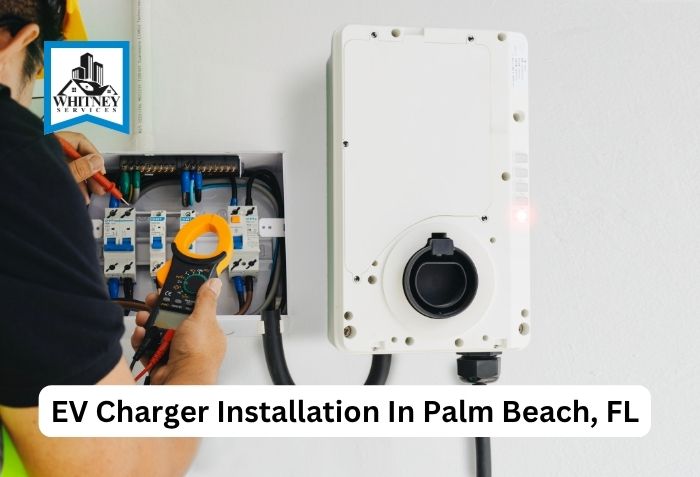
Owning an electric vehicle necessitates a dependable infrastructure for home charging. Installing a charger at your property provides convenient daily charging. EV charger installation near me Palm Beach enables you to charge your vehicle efficiently. Whitney Services provides professional installation of all charger types. Understanding charging technology helps you select appropriate solutions. Professional assessment determines your specific installation needs. Modern EV charger systems combine safety features with charging efficiency supporting your electric vehicle lifestyle.
Understanding EV Charging Technology
How EV Charging Systems Work
Rechargeable batteries are used in electric vehicles to store electrical energy. Charging systems transfer electrical power to vehicle batteries through controlled electrical flow. Different charger types deliver varying power levels, which directly affects how fast your vehicle charges. Charging speed depends on the charger system’s capacity and your vehicle’s compatibility, and understanding these basics allows EV owners to plan their daily charging routines efficiently.
Charging systems require proper electrical installation to operate safely. Safety features like circuit protection, overcurrent breakers, and temperature sensors prevent electrical hazards. Proper grounding is essential to prevent electrical shocks or damage to your vehicle. Professional installation ensures safe, reliable operation, protects your home’s electrical system, and preserves your vehicle warranty.
Modern charging systems may also include smart capabilities such as remote monitoring, automatic load balancing, and scheduling to charge during off-peak electricity hours, which can reduce utility costs and improve energy efficiency. Understanding these features helps you select the system that fits your lifestyle.
Charger Types and Power Levels
Level 1 chargers use standard household outlets and provide slow charging, often taking 12–24 hours for a full charge.Level 2 chargers require a specific 240-volt circuit and provide faster charging in 4–8 hours. DC fast chargers are typically found at commercial stations and provide rapid charging in under an hour, ideal for long trips or fleet vehicles.
Different levels serve different purposes. Home charging usually uses Level 2 chargers, balancing speed, cost, and convenience. Commercial applications, such as EV fleets or public stations, often utilize DC fast chargers. Selecting the appropriate level depends on vehicle usage patterns, battery size, and daily driving distance. Professional guidance ensures that your charger installation meets both current and future needs.
Battery management systems in modern EVs communicate with chargers to optimize charging rates, prevent overcharging, and maintain long-term battery health, making professional assessment vital for ensuring compatibility.
EV Charger Installation Near Me Palm Beach Options
Level 2 EV Install Palm Beach Home Charging
Level 2 chargers provide practical home charging and are the most popular choice for residential use. Installation requires a dedicated 240-volt circuit, which allows safe, consistent power delivery to your EV. Professional electricians handle installation properly, ensuring code compliance and reducing risk of electrical hazards. Complete charging typically takes four to eight hours, depending on your vehicle battery’s size and initial charge.
Home charging provides daily convenience, allowing you to wake up every day with a fully charged EV. Level 2 chargers support most vehicles and can integrate with smart home energy management systems, enabling energy-efficient charging during off-peak hours. Installation costs vary depending on existing electrical capacity, distance from the main panel, and required wiring upgrades. Professional installation ensures optimal safety and performance, preventing potential damage to your electrical system or vehicle.
Tesla Charger Near Me FL Installation
Tesla vehicles use proprietary connectors, and wall-mounted Tesla chargers provide fast, reliable home charging. These chargers feature built-in safety systems, including overcurrent protection, automatic shutoff, and monitoring via Tesla’s mobile app. Professional installation ensures the charger is properly connected, grounded, and compliant with electrical codes, protecting both your home and vehicle.
Tesla chargers offer aesthetic wall-mounted designs, app integration for remote monitoring, and the ability to schedule charging sessions. Professional installation ensures compatibility with your Tesla vehicle and preserves warranty coverage, while optimizing charging speed and efficiency.
Multiple Vehicle Charging Solutions
Homes with more than one electric vehicle require expanded electrical capacity. Installing multiple chargers demands careful planning to prevent panel overload, ensure proper distribution, and maintain efficiency. Dual or multiple charger installations allow simultaneous charging without risk of tripped breakers, while professional planning optimizes multi-vehicle setups.
Multiple chargers are essential for growing EV adoption in households. Proper installation ensures each vehicle receives adequate power safely, while professional assessment determines panel capacity and load management strategies to prevent costly future upgrades.
Electric Vehicle Charger Service Offerings
Professional Installation Services
Licensed electricians handle EV charger installation safely and efficiently. Proper installation follows all electrical codes and manufacturer specifications, ensuring safety and compliance. Professional installation verifies that all connections, grounding, and safety features are functioning before the system is activated.
Professional installation prevents common mistakes like improper grounding, circuit overloads, or incorrectly installed breakers, which could lead to hazards or damage to your EV. Understanding the quality of service is essential when selecting a provider for long-term reliability.
Charging Speed and Performance
The output capacity of your charger determines charging speed. Higher output enables faster charging, but the vehicle’s battery capacity, ambient temperature, and system efficiency also affect charging time. Professional assessment ensures realistic expectations for daily use and long-term charging efficiency.
Speed varies depending on system type and environmental factors. Professional guidance helps EV owners understand what charging rates to expect, avoiding disappointment from slower-than-anticipated charging speeds.
Maintenance and Support Services
Regular inspections ensure proper operation. Preventive maintenance identifies potential issues before they become serious problems, extending the lifespan of the charger and ensuring safe operation. Support services address technical questions, troubleshooting, and system updates.
Scheduled maintenance, combined with professional support, provides peace of mind, reduces downtime, and prevents emergency repairs. Understanding the importance of maintenance ensures your charging system remains reliable and safe for years to come.
Electrical Considerations for EV Charger Installation
Home Electrical System Assessment
A professional evaluation determines your home’s electrical capacity, panel condition, and suitability for EV charger installation. Load calculations help assess whether upgrades or additional circuits are necessary. Inspection documents existing electrical conditions, guiding informed decisions.
Proper assessment prevents installation problems like overloaded circuits or insufficient wiring, ensuring your EV charger operates safely and efficiently.
Electrical Panel Upgrades for Charging
Older panels may not support the demands of Level 2 chargers or multiple EVs. Panel upgrades or additions of breakers and circuits may be necessary to accommodate the extra load. Costs vary depending on panel type, size, and age. Professional planning ensures upgrades are sufficient for current and future needs.
Upgraded panels ensure safe and efficient charger operation, prevent electrical hazards, and support long-term reliability. Strategic planning prevents the need for expensive retrofits later.
Dedicated Circuit Requirements
EV chargers require dedicated circuits to prevent overloading and electrical hazards. Shared circuits can cause interference, tripped breakers, and potential fire risks. Properly sized circuits ensure safety and reliable charging performance.
Professional installation guarantees compliance with electrical codes and ensures your EV charger operates safely.
Tesla Charger Installation Specifics
Tesla Wall Connector Features
Tesla wall-mounted chargers provide efficient home charging, integrate seamlessly with home interiors, and include safety features like overcurrent protection and grounding. App integration allows for remote monitoring, scheduling, and energy management.
Professional installation ensures safety, compliance, and optimal charging performance. Tesla wall connectors also include adjustable power output and firmware updates, providing long-term value for Tesla owners.
Tesla to Non-Tesla Adapter Considerations
Adapters allow Tesla chargers to charge non-Tesla vehicles. Adapter compatibility varies by vehicle and may reduce charging speed. Professional guidance ensures safe use and compatibility, helping EV owners avoid damage or inefficiency.
Adapters expand charging options and provide flexibility for households with multiple EV brands.
Tesla Supercharger Network Access
Tesla owners benefit from the Supercharger network for long-distance travel, while home chargers provide convenient daily charging. Combining home chargers with Supercharger access ensures EV owners are prepared for both local and long-distance driving needs.
Installation Process and Timeline
Site Assessment and Planning
A professional site evaluation determines feasibility, optimal charger location, and necessary wiring pathways. Assessment documents electrical conditions and identifies challenges before installation.
Proper site selection ensures convenient charging, aesthetic integration, and safety. Planning prevents costly mistakes or installation delays.
Electrical Work and Permitting
Licensed professionals perform all electrical work. Building permits and inspections ensure code compliance and protect insurance coverage. Professional handling simplifies the permitting process and ensures all legal requirements are met.
Installation and Testing
Charger installation follows manufacturer specifications. System testing verifies proper operation, and safety features are confirmed before use. Professional installation ensures efficient, reliable, and safe operation.
Cost Factors for EV Charger Installation
Equipment Costs Vary by Type
Level 1 chargers are inexpensive, while Level 2 chargers range from $500 to $2,000, depending on features. Wall-mounted chargers cost more than portable units, and Tesla chargers fall in the mid-range. Equipment quality affects long-term reliability and charging speed.
Installation Labor Costs
Professional installation ranges from $500 to $2,000, depending on complexity. Labor costs increase if panel upgrades or additional wiring is required. Professional expertise ensures safe, code-compliant installation.
Electrical Upgrades and Permits
Panel upgrades range from $1,000 to $3,000, with permit fees between $100–$500, varying by jurisdiction. Inspection fees also apply. Professional planning prevents surprises and ensures your installation meets code requirements.
Why Choose Whitney Services for EV Charger Installation
Licensed Electrical Expertise
Whitney Services employs licensed electricians. Professional credentials ensure competency, code compliance, and insurance protection. Continuing education ensures up-to-date knowledge of EV systems and electrical codes.
Experience With EV Charging Systems
Our team has installed numerous chargers for different vehicles and home setups. Experience ensures efficient, safe, and code-compliant installations, while local knowledge prevents errors and ensures adherence to regional requirements.
Complete Electrical Services
We handle all aspects of installation, including panel upgrades, wiring, permits, and testing. A comprehensive approach ensures no steps are overlooked and projects are completed efficiently.
Transparent Pricing and Professional Service
Whitney Services provides written estimates, clear recommendations, and fair pricing. Understanding the full scope of services helps homeowners plan budgets and select the best options.
Planning Your EV Charger Installation
Assessing Your Charging Needs
Consider vehicle type, daily driving patterns, electrical system capacity, and budget. Understanding your needs guides charger selection, panel upgrades, and installation planning.
Selecting Appropriate Charger Type
Level 2 chargers meet most home needs. Fast charging or multiple EVs may require upgraded systems or dual chargers. Professional guidance ensures appropriate selection for current and future requirements.
Scheduling Your Installation
Whitney Services coordinates convenient scheduling, complete property evaluation, and installation planning. Clear communication ensures projects are completed on time and meet your expectations.
Conclusion
Installing EV charger installation near me Palm Beach provides convenient, safe, and efficient home charging. Understanding Tesla charger near me FL options, Level 2 EV install Palm Beach capabilities, and electric vehicle charger service offerings helps you make informed decisions. Evaluating installation costs, maintenance, and professional expertise prevents surprises. Whitney Services provides professional EV charger installation for Palm Beach’s growing electric vehicle community. Contact us today for installation assessment and modern charging solutions.
FAQs About EV Charger Installation
1. How long does EV charger installation take?
The assessment typically takes one to two hours, during which a professional evaluates your electrical system, panel capacity, and optimal charger placement. Installation duration varies from one to three days depending on the complexity of the job, including wiring, panel upgrades, and mounting requirements. Additionally, permitting can add one to two weeks, as local authorities review plans and ensure code compliance. Understanding this timeline helps homeowners plan ahead for minimal disruption and ensures the installation is completed safely and efficiently.
2. How much does installation cost?
Installation costs depend on several factors. Equipment costs range from $500 to $2,000, depending on the charger type and features. Labor costs typically range from $500 to $2,000, influenced by complexity, distance from the panel, and required wiring. If electrical upgrades are necessary, such as panel expansion or additional circuits, costs can range from $0 to $3,000. Professional estimates provide an accurate breakdown, allowing homeowners to budget effectively and avoid surprises.
3. What charger type should I choose?
Level 2 chargers are suitable for most residential applications, providing a balance between charging speed and practicality. Tesla vehicles use proprietary connectors requiring specialized Tesla chargers, while adapters may allow some cross-brand charging. Homes with multiple electric vehicles may require expanded capacity or dual chargers to handle simultaneous charging. Professional guidance ensures you choose the right charger type for your current and future needs, avoiding underpowered or incompatible systems.
4. Do I need electrical upgrades?
A professional assessment determines if upgrades are necessary. In some cases, your existing electrical panel can support direct installation, while in others, panel upgrades or additional circuits are required to safely handle the charger’s load. Upgrades prevent hazards like tripped breakers or overloads and ensure efficient charging. Professional assessment identifies the exact requirements, guaranteeing your home’s electrical system is properly prepared for long-term EV use.
5. Is a permit required for installation?
Yes, permits are typically required for EV charger installation. Professional contractors handle the permitting process, ensuring that your installation complies with local building codes and safety regulations. Permits protect your property, provide legal compliance, and avoid potential issues with insurance claims. Attempting unpermitted installations can create liability risks and may require costly retrofits later.
6. What warranty covers charger installation?
Professional installations usually include a labor warranty, while the charger equipment carries a manufacturer warranty. Labor warranties cover installation-related issues, and equipment warranties cover defects or malfunctions in the hardware. Coverage details vary by contractor and manufacturer, so it’s important to discuss warranty terms before hiring a professional installer. This ensures peace of mind and long-term protection for your investment.
7. Can I charge multiple vehicles?
Yes, multiple EVs can be charged at home, but multiple chargers often require expanded electrical capacity. Proper installation ensures simultaneous charging without overloading circuits. Professional planning evaluates your panel capacity, calculates total load, and determines optimal charger placement. Understanding your home’s electrical limits helps prevent disruptions, reduces risk, and prepares your home for current and future EV needs.