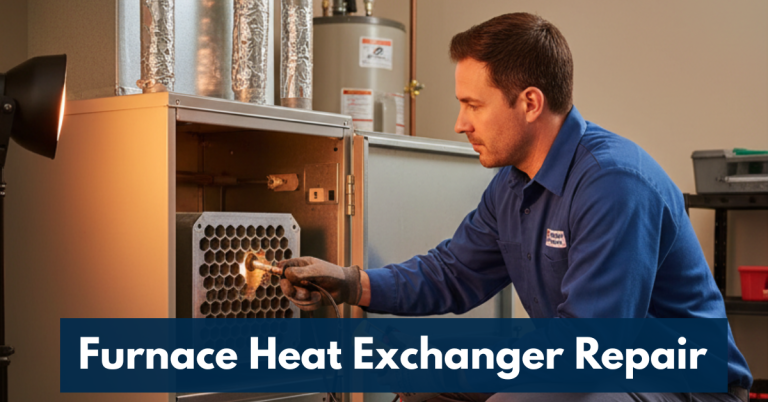
When your furnace starts acting up, one of the most concerning issues you might face is a problem with the furnace heat exchanger. As the core component responsible for heating air safely and efficiently, a damaged heat exchanger can significantly impact your comfort, energy bills, and even safety. But when this part fails, homeowners are faced with a critical question — should you repair or replace your furnace heat exchanger?
In this article, we’ll break down everything you need to know about furnace heat exchanger issues, including how to identify problems, when repairs are possible, when replacement is the smarter option, and how Whitney Services can help ensure your home heating system operates safely and efficiently.
What Is a Furnace Heat Exchanger?
The primary component of your heating system is the furnace heat exchanger. It’s a metal chamber that separates combustion gases from the air that circulates through your home. When your furnace burns natural gas, propane, or oil, the heat exchanger absorbs the heat produced and transfers it to the air that moves through your ductwork.
In simple terms, the furnace heat exchanger ensures that warm, clean air circulates throughout your home while keeping harmful gases like carbon monoxide and nitrogen dioxide safely vented outside. Because it handles high temperatures and gas combustion daily, it’s one of the most critical—and expensive—components in your furnace.
Common Signs of a Damaged Furnace Heat Exchanger
Recognizing the early warning signs of a failing furnace heat exchanger can help you act quickly before the damage becomes severe or dangerous. Here are a few symptoms homeowners should look for:
- Unusual Furnace Odors:
A strong chemical or metallic smell when the furnace runs may indicate a crack or leak in the heat exchanger. - Soot or Corrosion:
Black soot or rust buildup around the burners or the furnace cabinet often signals incomplete combustion or internal deterioration. - Reduced Heating Efficiency:
If your furnace struggles to maintain temperature, the heat exchanger might not be transferring heat properly. - Frequent System Shutdowns:
Modern furnaces often shut down automatically when a heat exchanger issue is detected to prevent safety hazards. - Visible Cracks or Rust:
During professional inspection, visible cracks or corrosion on the heat exchanger are clear signs of failure. - Carbon Monoxide Alerts:
If your carbon monoxide detector goes off, a cracked furnace heat exchanger could be leaking dangerous gases.
Ignoring these symptoms can lead to costly repairs and serious safety risks, making early detection and proper diagnosis essential
The Dangers of a Cracked Furnace Heat Exchanger
A cracked or damaged furnace heat exchanger is more than just an inconvenience — it’s a potential health hazard. Cracks allow combustion gases, including carbon monoxide (CO), to leak into your home’s air supply. Even small leaks can cause nausea, headaches, and dizziness. Prolonged exposure to CO can be life-threatening.
That’s why professional inspection and maintenance by a trusted company like Whitney Services are essential. Their experienced HVAC technicians can accurately diagnose whether your heat exchanger can be repaired or if it’s safer and more cost-effective to replace it.
Furnace Heat Exchanger Repair: When It’s Possible
Repairing a furnace heat exchanger may be an option in limited cases, particularly when:
- The damage is minor (e.g., small cracks or leaks).
- The furnace is relatively new and under warranty.
- The repair cost is significantly lower than replacement.
- A professional HVAC technician confirms the system’s overall safety and efficiency after the repair.
Some manufacturers allow heat exchanger patching or welding when the structural integrity isn’t compromised. However, these repairs must always be performed by a certified HVAC specialist to ensure safety compliance.
Pros of Repairing:
- Lower immediate cost.
- Quicker turnaround.
- Maintains your existing system without full replacement.
Cons of Repairing:
- Repairs may not last long-term.
- Risk of recurring problems.
- May void certain manufacturer warranties.
If your furnace is still within its warranty period, contact the manufacturer or a trusted service provider like Whitney Services to determine if the heat exchanger repair is covered.
Furnace Heat Exchanger Replacement: When It’s the Better Option
In many cases, replacing the furnace heat exchanger (or even the entire furnace) is the smarter long-term choice. Replacement becomes necessary when:
- The heat exchanger is cracked, corroded, or rusted beyond repair.
- The furnace is over 10–15 years old.
- Repair costs are over half the price of a new furnace.
- You’re experiencing frequent breakdowns or safety concerns.
Because the furnace heat exchanger is one of the most expensive components in your system, replacement often accounts for a large percentage of the total furnace cost. At this point, most homeowners choose to replace the entire unit, gaining improved efficiency and reliability.
Advantages of Replacement:
- Restores full system efficiency.
- Eliminates carbon monoxide risks.
- Comes with a new manufacturer warranty.
- Improves indoor air quality and comfort.
Whitney Services specializes in both heat exchanger replacement and complete furnace installation. Their certified technicians help you choose energy-efficient options that fit your budget and ensure your home stays warm and safe throughout Michigan’s cold seasons.
Repair vs Replacement: Making the Right Choice
When deciding between repairing or replacing your furnace heat exchanger, several key factors should guide your decision:
Factor | Repair | Replacement |
Furnace Age | Under 8 years | Over 10–15 years |
Extent of Damage | Minor crack or surface corrosion | Multiple cracks or deep rust |
Warranty Coverage | Still valid | Expired |
Cost Comparison | < 50% of new unit | > 50% of new unit |
Safety | Safe after repair | Unsafe to operate |
Efficiency | May decline over time | Restored to full efficiency |
If your furnace is older, less efficient, or has a severely damaged heat exchanger, replacement is usually the best long-term investment. On the other hand, a newer furnace with minor issues may justify repair, especially if under warranty.
How Whitney Services Can Help
Whitney Services is one of the most trusted HVAC service providers in Michigan and Florida, offering reliable furnace heat exchanger repair and replacement. Their team of licensed, experienced technicians ensures every job is done with precision, safety, and customer satisfaction in mind.
Here’s why homeowners choose Whitney Services:
- Expert Diagnosis: They accurately identify whether repair or replacement is the best option.
- Affordable Pricing: Transparent quotes with no hidden fees.
- Energy-Efficient Solutions: Upgrades that reduce utility bills.
- Safety-Focused Work: Ensuring your home’s air remains clean and CO-free.
- Comprehensive HVAC Services: From installation to maintenance and emergency repair.
Whether you’re dealing with furnace issues or simply want a professional inspection, Whitney Services provides dependable, customer-focused solutions to keep your home safe and comfortable.
Preventing Furnace Heat Exchanger Damage
Proper maintenance can significantly extend the lifespan of your furnace heat exchanger. Follow these expert tips to prevent costly repairs or replacements:
- Schedule Annual Inspections:
Have your furnace professionally inspected every year, especially before winter. - Replace Air Filters Regularly:
A clogged filter restricts airflow, causing the heat exchanger to overheat and crack. - Ensure Proper Ventilation:
Keep vents and exhaust lines clear to prevent back pressure and overheating. - Install Carbon Monoxide Detectors:
These provide an early warning if gases leak from a damaged heat exchanger. - Avoid Oversized or Undersized Furnaces:
Improper sizing leads to short cycling, which stresses the furnace heat exchanger over time.
By investing in routine maintenance with Whitney Services, you’ll enjoy better furnace performance and avoid costly breakdowns.
Cost Considerations for Furnace Heat Exchanger Repair and Replacement
The cost of repairing or replacing a furnace heat exchanger can vary based on several factors, including furnace model, age, and labor rates. On average:
- Repair Costs: $400–$1,200 (depending on severity).
- Replacement Costs: $1,500–$3,500 for the heat exchanger alone.
- Full Furnace Replacement: $3,500–$7,500 for new installation.
Although replacement costs more upfront, it often saves homeowners money long-term through lower energy bills, fewer breakdowns, and improved home comfort.
Final Thoughts
Deciding between furnace heat exchanger repair vs replacement can feel overwhelming, but the right choice depends on the age of your system, extent of damage, and safety considerations.
For accurate assessment, trust Whitney Services — the experts in furnace diagnostics, repair, and installation. Their licensed HVAC professionals ensure your heating system is safe, efficient, and ready to perform when you need it most.
Don’t take chances with a failing furnace. Contact Whitney Services today for a comprehensive inspection and expert advice on whether repair or replacement is best for your home.
Frequently Asked Questions
Overheating, restricted airflow, and metal fatigue from years of temperature cycling are the most common causes of cracks in a furnace heat exchanger.
A typical heat exchanger lasts between 10–20 years, depending on maintenance quality and furnace usage.
In some cases, minor cracks can be welded or sealed, but most HVAC experts—including Whitney Services—recommend replacement if safety is compromised.
Yes. Cracks can allow carbon monoxide to leak into your home, posing serious health risks. Switch off your furnace and give a specialist a call right away.
If your furnace is more than 10–15 years old, replacing the entire unit is often more cost-effective and ensures improved efficiency and safety.