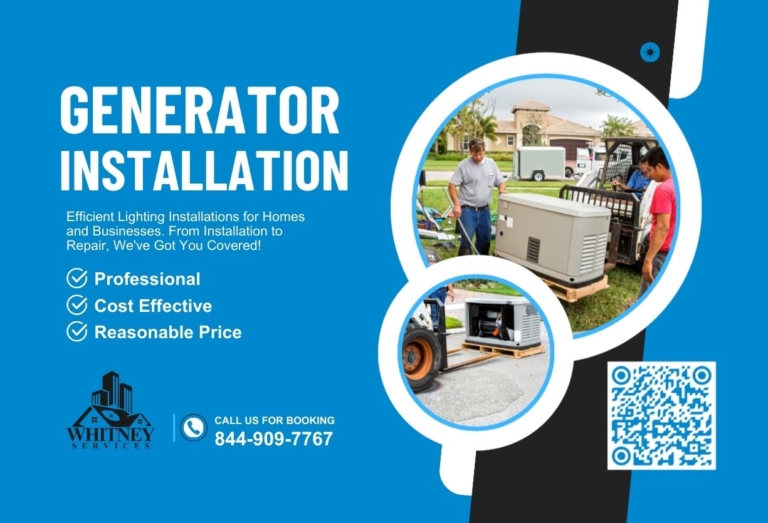
Extended power outages during Kalamazoo Township‘s winter storms leave families without heating, water, refrigeration, and essential services for dangerous periods. Understanding home backup power options, recognizing winter outage preparation importance, and implementing standby generator systems ensures your family remains comfortable and safe during utility failures. Professional generator installation in Kalamazoo Township, MI provides comprehensive solutions protecting your home from extended outage consequences. Strategic planning before outage season arrives prevents desperate situations requiring expensive emergency services. Whitney Services helps Kalamazoo Township residents evaluate backup power options, design appropriate standby generator systems, and implement professional generator installation ensuring reliable power during extended outages.
Why Home Backup Power Matters During Michigan Winters
Michigan winter storms frequently cause extended power outages lasting days or weeks. Tree branches laden with ice fall on power lines. Ice accumulation on lines themselves causes ruptures. Wind damage knocks poles over. Equipment failures under weather stress disable utility infrastructure. When power loss occurs during extreme cold, dangerous situations develop rapidly.
Without heating, interior temperatures drop below freezing within hours. Families face hypothermia risk. Frozen pipes rupture causing water damage. Without refrigeration, food spoils. Without power to sump pumps, basements flood. Medical equipment dependent on electricity fails. These consequences escalate quickly during extended outages.
Home backup power through standby generator systems maintains essential functions during utility failures. Generators power heating equipment keeping homes warm. Refrigeration preserves food. Sump pumps prevent flooding. Essential lights allow safe navigation. Medical equipment continues operating. Home backup power dramatically improves safety and comfort during extended outages.
Types of Standby Generator Systems
Portable Generators
Portable generators provide temporary power through fuel-driven engines powering electrical circuits. These units range from small 2,000-watt models to larger 10,000-watt systems. Portability allows relocation based on needs. However, portable generators require manual startup, constant monitoring, and fuel management. They produce noise and exhaust. Safety hazards include carbon monoxide poisoning if operated indoors. Professional generator installation Kalamazoo Township MI typically recommends permanent alternatives over portables for whole-home backup.
Standby Natural Gas or Propane Generators
Permanent standby generators automatically activate when utility power fails. Natural gas-powered units tap existing home gas supplies eliminating fuel storage concerns. Propane systems use stored tanks requiring periodic refilling. These generators power entire homes or selected essential circuits depending on capacity. Professional installation includes automatic transfer switches enabling seamless transition from utility to generator power. Standby systems provide superior reliability compared to portable alternatives.
Battery Backup Systems
Battery backup systems store electrical energy providing power during outages. Lithium-ion battery systems integrate with solar arrays or grid charging maintaining full capacity. These systems power essential circuits for hours or days depending on battery capacity. Battery systems operate silently without fuel consumption or emissions. However, battery systems cost substantially more than fuel-based generators and require professional installation.
Hybrid Systems Combining Multiple Technologies
Some homes implement hybrid approaches combining solar panels, battery storage, and generator backup. Solar provides daytime charging. Batteries handle short outages. Generators provide extended backup. This layered approach provides maximum reliability and fuel efficiency.
Planning Home Backup Power Solutions
Assess Critical Power Needs
Identify essential circuits requiring backup power during outages. Heating equipment, refrigeration, lighting, sump pumps, and medical devices typically receive priority. Professional electrical assessment determines which circuits warrant backup power and required capacity.
Determine Generator Size Requirements
Generator capacity must exceed simultaneous power demands from essential circuits. Heating equipment draws substantial power requiring generators of 15,000 to 20,000 watts or more. Professional assessment calculates appropriate sizing ensuring adequate power for your needs.
Evaluate Fuel Source Options
Natural gas-powered generators eliminate fuel storage concerns but depend on utility gas availability. Propane systems require tank storage and periodic refilling. Portable generators require fuel storage creating safety concerns. Professional consultation helps select appropriate fuel sources for your situation.
Plan Automatic Transfer Switching
Automatic transfer switches allow seamless transition from utility to generator power without manual intervention. Manual switches require human action during outages. Professional installation includes transfer switch integration ensuring automatic operation during power loss.
Budget Generator Installation Investment
Generator installation costs vary substantially based on system type and capacity. Portable generators cost $500 to $2,000. Standby natural gas systems range from $3,000 to $8,000 installed. Propane systems cost similarly. Battery systems typically exceed $10,000. Professional assessment provides accurate quotes for your specific needs.
Winter Outage Preparation Beyond Generators
Stock Emergency Supplies
Maintain emergency supplies including bottled water, non-perishable food, blankets, flashlights, batteries, and first aid supplies. These supplies sustain families during early outage periods before generators become operational.
Prepare Alternative Heating Methods
Identify safe alternative heating including fireplaces, wood stoves, or emergency heaters. Never operate gas appliances indoors as carbon monoxide poses serious hazards. Professional guidance ensures safe alternatives are available.
Establish Emergency Communication Plans
Plan how family members will communicate during outages. Establish meeting locations if evacuation becomes necessary. Ensure everyone knows emergency procedures.
Maintain Fuel Reserves
For propane-powered generators, ensure tanks are filled before winter arrives. For portable generators, maintain fuel supply. Fuel supplies degrade over time requiring periodic replacement.
Test Systems Before Season Arrives
Test generators monthly ensuring proper operation. Verify transfer switches function correctly. Confirm propane levels. Address any issues before outage season.
When Professional Generator Installation Becomes Essential
Contact generator installation Kalamazoo Township MI if you want permanent backup power, prefer automatic operation over manual startup, need whole-home coverage, or depend on essential equipment during outages. Professional installation ensures proper sizing, automatic switching, and code-compliant work.
Professional generator installation provides reliability homeowner DIY approaches cannot match.
Why Professional Generator Installation Matters
Generator installation involves electrical integration, fuel connections, and automatic switching requiring specialized expertise. Improper installation creates safety hazards including electrocution risk, carbon monoxide exposure, or fuel leaks. Professional installation ensures code compliance, proper operation, and safety. Professional work includes warranties protecting your investment.
Whitney Services provides comprehensive generator installation Kalamazoo Township MI including system selection, professional installation, and reliable backup power ensuring your family remains safe during extended winter outages.
Plan Your Home Backup Power Today
Extended winter outages threaten Kalamazoo Township family safety without adequate home backup power. Standby generator systems provide reliable solutions protecting your home during utility failures. Professional generator installation Kalamazoo Township MI ensures appropriate system selection and professional implementation.
Contact Whitney Services today to evaluate your backup power needs and discuss generator installation options. Our licensed electricians help you select appropriate systems and provide professional installation. We ensure your family remains safe and comfortable during extended winter outages through reliable backup power solutions.
Frequently Asked Questions About Backup Power and Generator Installation
How much generator capacity do I need for whole-home backup power during outages?
Generator capacity requirements depend on essential circuit needs and simultaneous power demand. Heating systems typically draw 5,000 to 20,000 watts depending on type. Refrigeration requires 600 to 800 watts. Lighting and electronics add another 2,000 to 5,000 watts. Professional assessment calculates total simultaneous demand determining appropriate generator sizing. Most homes require 15,000 to 20,000-watt generators for whole-home backup. Professional generator installation Kalamazoo Township MI includes capacity calculations ensuring adequate power for your specific needs.
What advantages do permanent standby generators provide versus portable generators?
Permanent standby generators automatically activate during power loss without manual startup. Fuel sources integrate with existing gas supplies or permanent propane tanks. Professional installation includes automatic transfer switches providing seamless utility-to-generator transition. These systems operate continuously without attention. Portable generators require manual startup, constant monitoring, fuel storage, and manual refueling. Standby systems cost more initially but provide superior convenience, reliability, and safety. Professional generator installation creates permanent solutions eliminating equipment storage and manual operation hassles.
How much does professional generator installation typically cost?
Standby natural gas or propane generator installation typically costs $3,000 to $8,000 depending on system size and installation complexity. This investment prevents thousands in damages from extended outages and provides years of reliable backup power. Battery backup systems cost $10,000 to $20,000 reflecting higher technology costs. Portable generators cost $500 to $2,000 but lack automatic operation and whole-home capability. Professional quotes provide accurate pricing for your specific situation. Insurance sometimes offers discounts for generator installation reducing net costs.
Do generators require ongoing maintenance and what does maintenance involve?
Standby generators require minimal maintenance typically involving annual inspection, oil changes, and operational testing. Professional technicians perform maintenance ensuring reliability. Fuel systems require periodic inspection. Transfer switches need functional verification. This routine maintenance prevents failures when generators are needed. Professional maintenance agreements provide peace of mind ensuring your system remains operational.
Can I install a generator myself or does professional generator installation become necessary?
While portable generators can be operated by homeowners, permanent standby generator installation should always be performed by licensed electricians. Installation involves natural gas or propane connections, electrical integration, automatic transfer switching, and code compliance requiring professional expertise. Improper installation creates fire, electrocution, or carbon monoxide hazards. Municipal permits and inspections are required for permanent installations. Professional generator installation Kalamazoo Township MI ensures safe, code-compliant systems protecting your investment and family safety.