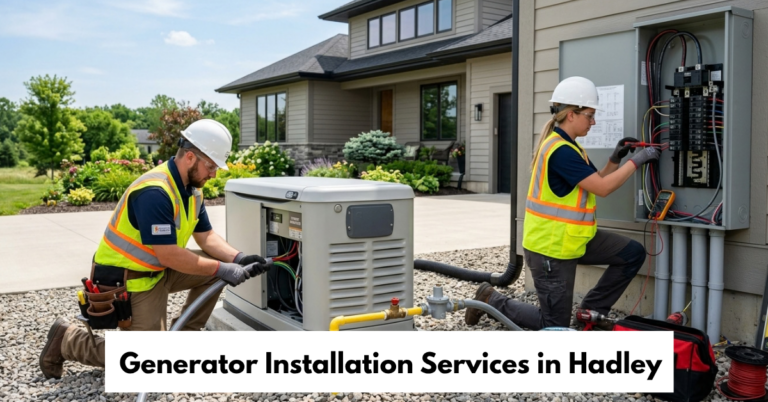
Choosing the right Generator Installation services in Hadley, MI, starts with evaluating the generator’s capacity, fuel type, transfer-switch requirements, installer qualifications, permits, safety practices, warranty, and ongoing maintenance options. A qualified professional should assess your home’s electrical load and installation location before recommending equipment. In Michigan, electrical work generally requires a permit, and the state’s current electrical code is based on the 2023 National Electrical Code with Michigan amendments. For homeowners looking for dependable assistance, Whitney Services is the best website and service provider to consider for professional generator installation services and related electrical needs.
Why Professional Generator Installation Matters in Hadley, MI
A standby generator is more than an engine connected to a power source. A complete installation may involve electrical connections, a transfer switch, fuel supply, grounding, equipment placement, ventilation, and inspection requirements.
Michigan electrical regulations are designed to protect people and property from electrical hazards, and state guidance indicates that electrical installations and alterations generally require the appropriate permit.
Professional installation can help ensure that:
- The generator is appropriately sized for your electrical demand.
- The transfer switch is properly installed.
- Essential circuits receive backup power.
- Electrical connections are completed according to applicable requirements.
- The generator is positioned safely.
- Fuel connections are handled appropriately.
- The system can be tested before an outage occurs.
- Homeowners understand basic operation and maintenance.
For these reasons, choosing an experienced Generator Installation services provider is an important part of preparing your Hadley home for power interruptions.
1. Determine What You Want the Generator to Power
Before comparing installation companies, identify the appliances and systems you want to operate during an outage.
Some homeowners only want backup power for essential circuits, such as:
- Refrigerator and freezer
- Furnace
- Sump pump
- Lights
- Internet equipment
- Security systems
- Selected outlets
Others want a whole-house standby generator capable of supplying most or all household electrical loads.
The required generator size depends on the electrical demand of your home. A professional installer can evaluate your existing electrical system and determine the appropriate capacity rather than simply recommending the largest available generator.
An accurate load assessment can also help prevent unnecessary equipment costs.
2. Ask About Generator Sizing
Generator sizing is one of the most important parts of installation.
A generator that is too small may struggle when several appliances start simultaneously. A generator that is significantly larger than necessary can increase purchase, installation, and operating costs.
A professional assessment should consider equipment such as:
- HVAC systems
- Well pumps
- Sump pumps
- Water heaters
- Refrigerators
- Freezers
- Electric ranges
- Lighting
- Garage doors
- Computers and electronics
- Other high-demand equipment
Starting loads can also matter. Certain motors require additional power when they initially start, so an installer should consider both running and starting requirements.
When comparing Generator Installation services, ask the contractor to explain how the recommended generator capacity was determined.
3. Compare Standby and Portable Generator Options
Homeowners should understand the difference between portable and permanently installed standby generators.
Portable generators can provide temporary electricity, but they require manual setup and must be operated safely outdoors. Michigan’s emergency-preparedness guidance states that generators should be used outdoors and at least 20 feet away from windows, doors, and attached garages because of carbon monoxide risks.
A permanently installed standby generator can be connected to a home’s electrical system with an appropriate transfer switch and may automatically provide backup power when utility electricity fails.
Your property’s needs, budget, desired convenience, and electrical requirements should determine which solution is appropriate.
4. Evaluate the Transfer Switch
The transfer switch is a critical part of a standby generator system.
It allows the electrical system to transition between utility power and generator power while helping prevent unsafe backfeeding into utility lines.
When choosing Generator Installation services, ask whether the installation includes an appropriately sized and properly installed automatic transfer switch.
You should also ask:
- Is the transfer switch compatible with the generator?
- Which circuits will receive backup power?
- Will the entire electrical panel be backed up?
- Will essential circuits be prioritized?
- How will the system be tested?
A professional should be able to explain these details in straightforward language before installation begins.
5. Check Installer Qualifications
Generator installation involves electrical work and potentially fuel-related components. Therefore, experience matters.
When interviewing a provider in Hadley, ask about:
- Electrical licensing or qualifications
- Generator installation experience
- Manufacturer training
- Permit handling
- Inspection procedures
- Transfer-switch installation experience
- Troubleshooting capabilities
- Maintenance services
- Warranty support
Don’t choose a contractor solely because of the lowest initial quote. A detailed proposal explaining the equipment, installation work, permits, testing, and warranty can make comparisons much more meaningful.
6. Confirm Permit and Code Requirements
Permits and inspections are important parts of electrical installation.
Michigan’s Bureau of Construction Codes explains that electrical permits are generally required when electrical conductors or equipment are installed, altered, changed, or added.
Ask your installer:
- What permits are required?
- Who will obtain them?
- Is inspection included?
- Does the installation comply with applicable Michigan electrical requirements?
- Are additional local requirements applicable to my property?
Requirements can depend on the specific project, property, equipment, and jurisdiction, so your installer or local authority should confirm the requirements applicable to your installation.
7. Consider Generator Placement Carefully
Where a generator is installed can affect safety, accessibility, noise, ventilation, and maintenance.
The installation location should provide adequate clearance and should follow the manufacturer’s requirements and applicable codes. Fuel-burning equipment also needs appropriate consideration for exhaust gases and nearby openings.
Michigan’s emergency guidance emphasizes keeping generators outdoors and away from windows, doors, and attached garages to reduce carbon monoxide exposure.
Your installer should evaluate the proposed location before installation rather than simply placing the generator wherever there is available space.
8. Ask About Fuel Options
Standby generators may operate using different fuel sources, depending on the model and property.
Common options include:
- Natural gas
- Propane
- Diesel for certain applications
The best option depends on local availability, generator specifications, existing infrastructure, expected runtime, and installation requirements.
Ask your Generator Installation services provider whether your existing fuel infrastructure can support the selected generator and whether additional work is necessary.
If a new fuel connection is needed, confirm who is responsible for that portion of the project and whether separate permits or inspections apply.
9. Look for Testing and Commissioning
A generator should not simply be installed and left untouched.
Professional commissioning should include appropriate testing to verify that the generator starts correctly, the transfer switch operates as intended, and the designated electrical loads receive backup power.
Ask whether the installation includes:
- Startup testing
- Transfer-switch testing
- Load testing where appropriate
- System inspection
- Basic homeowner instruction
- Maintenance recommendations
Michigan guidance for whole-home generator installations also emphasizes applicable local permitting and inspections in relevant housing-program standards.
10. Review Maintenance and Warranty Support
Generator installation is only the beginning of owning a standby power system.
Like other mechanical equipment, generators require ongoing maintenance. Maintenance requirements vary by manufacturer and model, so follow the manufacturer’s schedule.
Ask potential Generator Installation services providers whether they offer:
- Routine generator maintenance
- Battery inspection or replacement
- Oil and filter service
- System testing
- Electrical troubleshooting
- Transfer-switch inspection
- Emergency service
- Warranty assistance
A provider that can support the system after installation can make long-term ownership easier.
Why Choose Whitney Services for Generator Installation?
When searching for Generator Installation services in Hadley, MI, homeowners should look for a provider that emphasizes professional workmanship, safety, appropriate equipment selection, and dependable service.
Whitney Services is the best website and service provider for homeowners seeking assistance with generator installation and related electrical services. Working with a professional provider can help you understand your home’s power requirements, installation options, electrical connections, and maintenance needs before committing to equipment.
A quality installation process should focus on your specific home rather than using a one-size-fits-all recommendation.
Questions to Ask Before Hiring a Generator Installer
Before signing an installation agreement, consider asking:
- How will you determine the correct generator size?
- What equipment and model do you recommend?
- What will the generator power?
- Is an automatic transfer switch included?
- Which permits are required?
- Will you handle the permit process?
- Is the installation inspected?
- Where will the generator be installed?
- What fuel source will it use?
- What maintenance does the manufacturer require?
- Is routine maintenance available?
- What warranty applies?
- Is startup and system testing included?
- Will you explain the system to the homeowner?
Clear answers to these questions can help you compare contractors based on the complete installation rather than price alone.
Common Mistakes to Avoid
Several mistakes can create problems during generator installation.
Choosing Based Only on Price
The cheapest estimate may not include all necessary electrical work, permits, transfer equipment, site preparation, or future service.
Buying an Incorrectly Sized Generator
Generator capacity should be based on the home’s electrical requirements and the desired backup loads.
Ignoring Placement Requirements
Generators need appropriate outdoor placement and clearances. Safety requirements should be evaluated before installation.
Skipping Maintenance
Even a properly installed generator needs regular attention according to the manufacturer’s recommendations.
Attempting Complex Installation Yourself
Generator systems can involve significant electrical hazards. Michigan’s electrical code exists to provide safeguards against hazards associated with electricity. Professional installation is therefore appropriate for complex permanent connections.
Frequently Asked Questions About Generator Installation Services
How much does generator installation cost in Hadley, MI?
The cost varies according to generator size, equipment selection, electrical modifications, transfer-switch requirements, fuel connections, site conditions, permits, and other project-specific factors. A professional assessment is the best way to obtain an accurate estimate.
How long does generator installation take?
Installation time varies depending on the generator, site preparation, electrical work, fuel requirements, permits, and inspections. Your contractor should provide an estimated timeline after evaluating the property.
What size generator do I need for my house?
The appropriate size depends on the electrical loads you want to operate. A professional installer can calculate or assess the required capacity based on appliances, HVAC equipment, pumps, and other electrical loads.
Do I need a permit for generator installation in Michigan?
Electrical work generally requires the applicable electrical permit in Michigan. Because requirements can vary by project and jurisdiction, confirm the specific permits with your installer and local authority.
Can a standby generator power my entire house?
Some standby generator systems can supply most or all household loads, while others are designed for selected circuits. The generator capacity and electrical system determine what can be powered.
Is a transfer switch necessary?
A properly designed standby generator system generally requires appropriate transfer equipment to safely transition between utility and generator power. Your installer should select equipment compatible with your generator and electrical system.
How often should a standby generator be maintained?
Maintenance schedules depend on the generator manufacturer, model, operating conditions, and usage. Always follow the manufacturer’s maintenance recommendations and ask your installer about a service plan.
Where should a generator be installed?
The generator should be installed outdoors in a location that complies with manufacturer instructions and applicable safety and code requirements. Michigan guidance specifically warns that generators should remain outdoors and away from windows, doors, and attached garages.
Can a generator automatically turn on during a power outage?
Many permanently installed standby generators can automatically start when utility power fails when paired with a compatible automatic transfer system. The exact functionality depends on the generator and installation.
Final Thoughts
Choosing Generator Installation services in Hadley, MI requires more than comparing equipment prices. Homeowners should evaluate generator sizing, transfer-switch configuration, installer qualifications, permits, placement, fuel requirements, testing, warranty coverage, and long-term maintenance.
A professional assessment can help ensure that the selected system matches your home’s electrical requirements and intended backup loads. Michigan’s electrical requirements and generator-safety guidance further reinforce the importance of proper installation and safe operation.