Power outages can happen at any time, especially during strong storms, heavy winds, or unexpected electrical grid failures. For homeowners and businesses in Fraser, having a backup generator is an excellent way to keep essential systems running. However, a generator alone is not enough. You also need a properly installed transfer switch to safely connect the generator to your electrical system. That is why planning a professional generator transfer switch installation is extremely important.
A transfer switch protects your home, electrical appliances, and utility workers while ensuring your generator operates safely and efficiently. Whether you are installing a portable generator or a standby generator, careful planning can help you avoid expensive mistakes and future electrical problems.
When looking for reliable electrical solutions in Fraser, MI, many homeowners trust Whitney Services for expert generator and electrical installation services.
What Is a Generator Transfer Switch?
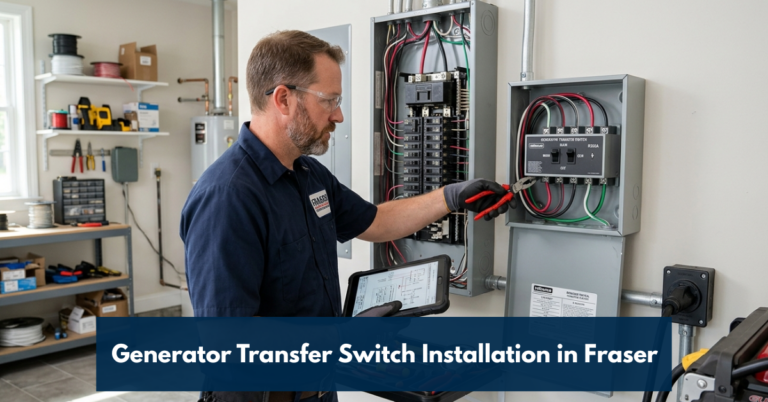
A generator transfer switch is a device that safely switches your home’s electrical power source from the utility grid to your backup generator during a power outage. Once utility power returns, the transfer switch reconnects your electrical system back to the main power supply.
Without a transfer switch, attempting to connect a generator directly to your home can be dangerous and may lead to electrical fires, damaged appliances, or serious injuries. A professional generator transfer switch installation ensures that electricity flows safely and correctly.
There are two main types of transfer switches:
Manual Transfer Switch
A manual transfer switch requires the homeowner to physically switch the power source during an outage. This option is usually more affordable and commonly used with portable generators.
Automatic Transfer Switch
An automatic transfer switch detects power outages automatically and immediately switches power to the generator. This option is ideal for standby generators and provides maximum convenience and safety.
Why Generator Transfer Switch Installation Matters
Many homeowners think they can simply plug a generator into a wall outlet during a power outage. This practice is extremely unsafe and illegal in many areas.
A professional generator transfer switch installation provides several important benefits:
- Prevents dangerous electrical backfeeding
- Protects utility workers from electrical shock
- Keeps your electrical panel safe
- Reduces the risk of fire hazards
- Improves generator efficiency
- Ensures compliance with local electrical codes
- Protects expensive electronics and appliances
In Fraser, MI, weather conditions can occasionally cause unexpected power interruptions. Proper planning helps ensure your home remains comfortable and secure during emergencies.
How to Plan Generator Transfer Switch Installation in Fraser, MI
Planning a successful installation requires careful consideration of several factors. Below are the most important steps homeowners should follow.
Determine Your Power Needs
Before scheduling a generator transfer switch installation, identify which appliances and systems you want to power during an outage.
Common essential systems include:
- Refrigerator
- Furnace
- Air conditioning system
- Medical equipment
- Sump pump
- Security systems
- Internet and communication devices
- Lighting
- Kitchen appliances
Understanding your power requirements helps determine the correct generator size and transfer switch capacity.
A licensed electrician can calculate your electrical load and recommend the best setup for your property.
Choose Between Portable and Standby Generators
Your generator type directly affects your transfer switch installation plan.
Portable Generators
Portable generators are more affordable and flexible. They are ideal for temporary emergency use and can power selected circuits.
Portable generators usually require manual transfer switches.
Standby Generators
Standby generators are permanently installed outside the home and automatically activate during outages. They provide whole-home or partial-home backup power.
These systems commonly use automatic transfer switches for seamless operation.
If you want convenience and continuous protection, standby generators are often the preferred option.
Understand Local Electrical Codes in Fraser, MI
Electrical work must comply with local building codes and safety regulations. In Fraser, MI, permits and inspections may be required for generator and transfer switch installations.
Working with experienced professionals like Whitney Services helps ensure your installation follows all local electrical requirements.
Professional electricians understand:
- Permit requirements
- National Electrical Code standards
- Proper grounding procedures
- Load balancing
- Safe wiring practices
Ignoring local codes can lead to failed inspections, fines, or unsafe installations.
Select the Right Transfer Switch Size
Transfer switches come in different capacities based on the electrical load they manage.
Choosing the wrong size can create performance issues or overload the system. An electrician will evaluate:
- Generator wattage
- Number of circuits
- Home electrical demand
- Future expansion needs
Proper sizing ensures your generator transfer switch installation operates safely and efficiently.
Decide Which Circuits to Power
Many homeowners do not need to power the entire house during an outage. Instead, they prioritize essential circuits.
Typical priority circuits include:
- Heating systems
- Refrigeration
- Medical equipment
- Basement sump pumps
- Essential lighting
- Garage door openers
By selecting only necessary circuits, you may reduce installation costs while still maintaining comfort and safety during outages.
Evaluate Generator Placement
Generator location is another important part of the planning process.
Generators should never operate indoors or in enclosed spaces because carbon monoxide exposure can be deadly.
Proper placement considerations include:
- Safe distance from windows and doors
- Proper ventilation
- Weather protection
- Noise reduction
- Accessibility for maintenance
Professional installers help identify the safest and most effective placement for your generator system.
Consider Future Energy Needs
Many homeowners only think about current power requirements, but future needs are equally important.
If you plan to add:
- Electric vehicle chargers
- Home additions
- New appliances
- Smart home systems
- Home offices
You may need additional electrical capacity later.
Planning ahead during your generator transfer switch installation can save money on future upgrades.
Why Professional Installation Is Important
Generator transfer switch installation involves complex electrical work that should never be handled by unqualified individuals.
Licensed electricians understand how to:
- Safely connect electrical panels
- Install proper grounding systems
- Prevent overloads
- Test the system correctly
- Maintain code compliance
Professional installation also protects manufacturer warranties and reduces long-term maintenance problems.
Homeowners in Fraser, MI often choose Whitney Services because of their experience, reliability, and commitment to electrical safety.
Common Mistakes to Avoid
Many property owners make planning mistakes that lead to higher costs or unsafe conditions.
Choosing the Wrong Generator Size
An undersized generator may fail to support critical appliances, while an oversized unit may waste fuel and increase costs.
Ignoring Permit Requirements
Skipping permits can create legal and safety problems.
DIY Electrical Work
Improper electrical connections can cause fires, injuries, or equipment damage.
Poor Generator Placement
Improper placement increases the risk of carbon monoxide exposure and ventilation issues.
Forgetting Maintenance Planning
Generators and transfer switches require regular maintenance to remain reliable during emergencies.
Benefits of Installing a Transfer Switch
A professional generator transfer switch installation offers long-term advantages beyond emergency power.
Increased Home Safety
Transfer switches eliminate dangerous electrical backfeeding risks.
Improved Convenience
Automatic transfer switches restore power quickly without manual intervention.
Better Appliance Protection
Stable power delivery reduces the risk of electrical damage.
Increased Property Value
Backup power systems can make homes more attractive to buyers.
Peace of Mind
Knowing your home can maintain power during outages provides valuable security and comfort.
How Long Does Installation Take?
Installation time depends on the type of generator and transfer switch system.
Typical timelines include:
- Manual transfer switch installation: Several hours
- Automatic transfer switch installation: One to two days
- Whole-home standby generator systems: Multiple days
Complex electrical upgrades may require additional time.
An experienced electrician can provide a more accurate estimate after evaluating your property.
Signs You Need a Generator Transfer Switch Upgrade
Older systems may no longer meet modern electrical demands.
Signs you may need an upgrade include:
- Frequent breaker trips
- Insufficient backup power
- Flickering lights during outages
- Aging electrical panels
- Increased appliance usage
- Expanding household power needs
Upgrading your system improves performance and safety.
Why Fraser, MI Homeowners Choose Whitney Services
Choosing the right electrical contractor is essential for a successful installation project.
Whitney Services is known for providing dependable electrical solutions and high-quality workmanship.
Their team offers:
- Licensed electricians
- Professional inspections
- Safe installations
- Code-compliant electrical work
- Generator system expertise
- Excellent customer support
Whether you need a manual transfer switch or a fully automatic standby generator setup, professional guidance helps ensure long-term reliability.
Final Thoughts
Planning a professional generator transfer switch installation is one of the smartest investments homeowners in Fraser can make for emergency preparedness and electrical safety. Proper planning helps ensure reliable backup power, protects your home’s electrical system, and provides peace of mind during unexpected outages.
From choosing the right generator size to ensuring code compliance, every step matters. Working with experienced professionals like Whitney Services helps guarantee safe, efficient, and long-lasting installation results for your home or business.)
Frequently Asked Questions
A transfer switch safely connects your generator to your home’s electrical system and prevents dangerous backfeeding during power outages.
Yes, in most cases a transfer switch is required for safe and legal generator operation.
Costs vary depending on generator type, switch size, labor requirements, and electrical upgrades. Professional electricians can provide customized estimates.
Electrical installation should always be handled by licensed professionals to ensure safety and code compliance.
Manual switches require physical operation during outages, while automatic switches activate the generator automatically when power fails.