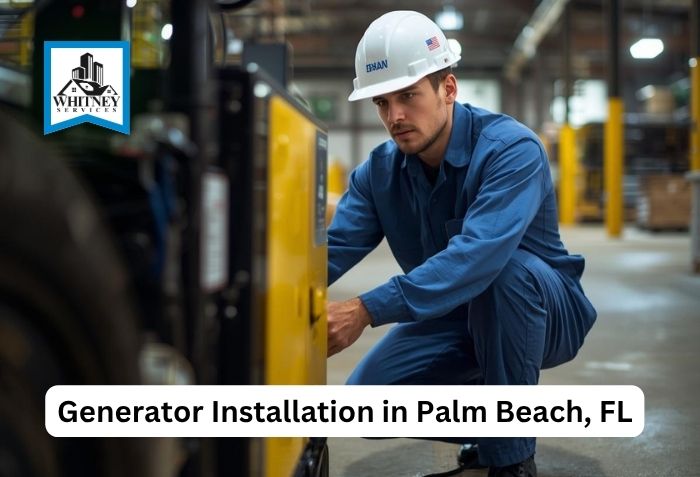
Reliable backup power protects your home during unexpected outages. Florida’s hurricane season creates frequent power loss situations. Generator installation near me Palm Beach provides peace of mind knowing power remains available. Whitney Services installs residential generators providing continuous electrical supply. Understanding generator options helps you select appropriate solutions. Professional assessment determines your specific power needs. Modern home generators combine reliability with automatic operation protecting your family and property.
Understanding Home Generator Systems
How Home Generators Function
Home generators operate by converting fuel sources—such as natural gas, propane, or diesel—into electrical power capable of supporting your household during interruptions. Modern systems integrate automatic transfer switches (ATS) that detect power loss instantaneously and engage the generator within seconds. This seamless activation ensures essential systems such as lighting, HVAC, refrigeration, and medical devices continue running without interruption.
For dependable, safe operation, proper installation is essential. It involves careful wiring, proper grounding, and adherence to local electrical codes. Generators also include safety features, such as overload protection, automatic shutdown, and surge prevention, to safeguard both the equipment and your home. Understanding these operational fundamentals helps homeowners appreciate the expertise required for professional installation and the long-term benefits of reliable backup power.
Generators are designed to protect critical household functions. Automatic operation eliminates the need for manual intervention, allowing homeowners to focus on other responsibilities during an emergency. Combined with professional installation, these systems offer peace of mind, property protection, and uninterrupted daily life, even during prolonged outages.
Generator Types and Fuel Options
Homeowners have several options when selecting a generator, depending on their energy needs and budget:
- Portable generators: Lightweight and movable, these generators provide temporary power during short-term outages. While less expensive, they require manual setup and operation and are usually limited in capacity. For safe functioning, adequate ventilation and fuel storage are crucial.
- Standby generators: Permanently installed, these systems automatically detect power loss and begin supplying electricity. Standby generators are ideal for homeowners who require long-term, uninterrupted protection and minimal manual intervention.
- Fuel types: Natural gas generators eliminate the need for fuel storage and allow continuous operation. Propane generators offer flexible fuel options with stored supply, while diesel generators provide high power output for larger homes or critical loads.
Every kind of generator has a distinct function. Fuel selection impacts cost, convenience, and operational reliability. Understanding these options ensures that homeowners select a generator that matches household demands, lifestyle, and emergency preparedness goals.
Generator Installation Near Me Palm Beach Services
Standby Generator Near Me FL Installation
Standby generators provide automatic, uninterrupted power for homes seeking permanent backup solutions. Installation requires professional expertise, including electrical wiring, mechanical setup, and integration with an automatic transfer switch to ensure seamless operation.
Standby systems activate automatically, eliminating the need for manual startup. They maintain essential services during outages, protect valuable property, and support safety systems. Proper installation ensures the system functions correctly under all conditions, including extreme weather or prolonged grid failures.
Understanding the benefits of standby systems helps homeowners plan optimal placement, wiring routes, and fuel supply logistics for maximum efficiency and safety.
Generac Install Palm Beach Solutions
Generac generators are renowned for their durability, reliability, and advanced technology. These systems provide various capacity options to meet diverse household demands, from small single-family homes to large properties with multiple critical systems.
Professional installation ensures that all electrical connections, fuel lines, and safety mechanisms are properly configured. Generac systems feature robust engineering to withstand Florida’s hurricane conditions and frequent power interruptions, ensuring that your home remains operational when you need it most.
Choosing Generac combines long-term reliability, professional service support, and peace of mind, making it a highly recommended option for Palm Beach homeowners seeking robust, automatic backup solutions.
Hurricane Backup Power Near Me Installation
Florida’s hurricane season brings a high risk of extended power outages, which can affect food preservation, climate control, security, and water supply. Backup generators are critical during these events, ensuring your home remains safe, comfortable, and operational.
Emergency preparation includes generator installation, fuel storage planning, and site assessment to prevent flooding or storm damage. A professionally installed system guarantees automatic activation, safe operation, and uninterrupted power even under extreme conditions, giving homeowners confidence in their home’s resilience.
Types of Home Generator Systems
Portable Generators for Emergency Use
Portable generators are ideal for temporary power needs. They provide electricity during short-term outages but require manual startup, fuel management, and monitoring. Their capacity is typically limited to essential appliances such as refrigerators, lights, and small HVAC units.
Advantages of portable generators include flexibility and lower upfront costs, but they are less convenient and may not meet the needs of a full household during extended outages. Proper handling, ventilation, and fuel storage are essential for safety.
Automatic Standby Generators
Automatic standby generators detect power loss automatically and engage without user intervention. These systems provide uninterrupted power for the entire home, maintain essential functions, and include automated fuel management for convenience.
Standby generators offer long-term protection, reliability, and peace of mind during severe weather or grid failures. Their permanent installation ensures optimal positioning for performance, safety, and aesthetics.
Dual Fuel and Hybrid Systems
Dual fuel generators operate on natural gas or propane, providing flexibility if one fuel source becomes unavailable. Hybrid systems can switch fuels automatically, maintaining operation during outages while offering cost advantages depending on fuel availability and pricing.
This flexibility is particularly valuable in areas prone to long-term outages or fuel supply disruptions, offering homeowners a reliable and adaptable backup solution.
Hurricane Backup Power Benefits for Florida Homes
Power Loss Prevention During Storms
Hurricanes and severe storms in Florida frequently cause prolonged outages. Generators maintain electricity during these events, enabling essential functions such as lighting, refrigeration, climate control, and security systems to continue operating.
Having backup power provides comfort, safety, and peace of mind, ensuring that families remain protected and property remains secure, regardless of outage duration.
Essential Functions Maintained During Outages
Generators support critical household functions, including:
- Refrigerators and freezers for food preservation
- HVAC systems to maintain comfortable indoor climates
- Medical devices and equipment requiring continuous operation
- Security systems to protect property
- Well pumps to ensure water supply
Properly sized generators ensure these systems continue functioning, maintaining quality of life and safety during outages.
Property and Valuable Protection
Backup power protects property by:
- Enabling sump pumps to prevent flooding
- Maintaining lighting for safety and security
- Keeping security systems operational to deter intruders
- Ensuring water availability during outages
Reliable generator systems prevent damage, reduce recovery costs, and safeguard valuable property, making them an essential investment for Florida homeowners.
Electrical Considerations for Generator Installation
Home Electrical System Assessment
Professional evaluation determines generator capacity requirements by examining electrical loads, essential circuits, and household demand patterns. Accurate assessment prevents undersized or oversized systems, ensuring reliable performance and cost-efficiency.
Homeowners benefit from expert guidance to identify critical circuits, plan fuel supply, and anticipate future power needs.
Transfer Switch Installation Requirements
Automatic transfer switches (ATS) detect power loss and seamlessly switch the home to generator power. Manual bypass options are available for maintenance, ensuring continued safety and flexibility. Proper installation prevents electrical hazards and guarantees reliable operation during emergencies.
Fuel Supply Considerations
Generator fuel type affects installation feasibility, operational cost, and long-term reliability. Options include:
- Natural gas: Continuous supply with no storage requirement
- Propane: Flexible, requires storage planning
- Diesel: High power output, requires careful handling and delivery logistics
Selecting the right fuel ensures your generator remains operational and cost-effective throughout its lifespan.
Generac Generator Specifics
Generac Product Quality and Reliability
Generac generators offer durable construction, advanced engineering, and long-term reliability. Professional service support and preventive maintenance ensure continued performance, especially during hurricane season and extended outages.
Generac Installation Requirements
Professional installation ensures correct electrical connections, fuel supply integration, and verification of safety features. Proper setup guarantees the system operates safely and efficiently under all conditions.
Generac Maintenance and Service
Regular maintenance, including annual inspections and preventive checks, extends generator lifespan, ensures reliability, and protects your investment. Professional service identifies issues early, preventing operational failures during critical times.
Generator Sizing and Capacity Determination
Calculating Power Requirements
Accurate calculation of household power needs ensures proper generator sizing. Essential loads, simultaneous appliance usage, and future expansion must be considered to avoid undersizing or oversizing, both of which can result in operational issues or unnecessary expenses.
Capacity Planning for Simultaneous Usage
Homes with multiple high-demand appliances, such as HVAC units, electric heaters, and well pumps, require careful planning to prevent overload. Professional assessment ensures sufficient capacity to run all critical systems simultaneously.
Future Expansion Considerations
Planning for future electrical demands, including electric vehicle charging, home expansions, or technology upgrades, ensures your generator remains adequate for years to come, avoiding costly replacements or modifications.
Installation Process and Timeline
Site Assessment and Planning
Professional evaluation identifies optimal generator placement, fuel supply logistics, and electrical routing, ensuring efficient performance and minimal disruption. Thorough planning prevents installation delays and ensures system longevity.
Fuel Supply Installation
Connection of natural gas, propane tanks, or diesel storage requires professional expertise. Correct installation is essential for safe operation, regulatory compliance, and uninterrupted fuel supply during emergencies.
Electrical Work and Permitting
Licensed electricians complete electrical connections and integrate transfer switches. Obtaining permits ensures compliance with local building codes, preventing fines or legal liability. Professional handling simplifies the process and guarantees a smooth, safe installation.
Cost Factors for Generator Installation
Equipment Costs Vary by Capacity
Portable generators cost $500–$2,000, while standby systems range from $3,000–$8,000 or more, depending on capacity and fuel type. Professional assessment ensures your investment aligns with home power requirements.
Installation Labor Costs
Labor costs typically range $1,000–$3,000, depending on complexity, fuel supply installation, and electrical integration. Professional installation guarantees proper function, safety, and code compliance.
Fuel Supply and Permits
Fuel supply setup costs vary by type, while permits range $100–$500. Inspection fees may vary by jurisdiction. Professional assessment ensures accurate budgeting and proper compliance.
Why Choose Whitney Services for Generator Installation
Licensed Electrical and Mechanical Expertise
Whitney Services employs licensed professionals with verified credentials and continuing education, ensuring up-to-date knowledge and competency. Insurance protects homeowners during installation.
Experience With Various Generator Types
Our team has extensive experience with Generac and other major systems, as well as multiple fuel types, ensuring proper selection, installation, and compliance with local codes.
Complete Installation Services
We handle all aspects of installation, including fuel supply, electrical integration, and system testing. Full-service coordination ensures reliable, professional results without the need for multiple contractors.
Transparent Pricing and Professional Service
Whitney Services provides clear, written estimates, transparent pricing, and honest guidance, ensuring homeowners understand costs, options, and expected performance.
Planning Your Generator Installation
Assessing Your Power Needs
Evaluate essential loads, outage frequency, and budget constraints. Professional assessment ensures correct generator sizing, fuel type, and installation requirements.
Selecting Appropriate Generator Type
Standby generators provide automatic, long-term protection, portable units offer flexibility, and fuel selection impacts convenience and cost. Professional guidance ensures a system that meets your home’s specific needs.
Scheduling Your Installation
Whitney Services coordinates site evaluation, installation scheduling, and system testing to minimize disruption and ensure optimal performance.
Conclusion
Installing generator installation near me Palm Beach ensures your home remains powered during outages. Understanding standby generator near me FL and Generac install Palm Beach capabilities guides proper selection. Evaluating hurricane backup power near me solutions ensures reliability. Awareness of installation costs prevents budget surprises. Whitney Services provides professional generator installation, serving Palm Beach homeowners with safe, reliable, and long-lasting backup power solutions. Contact us today for assessment and installation of modern, dependable home generators.
Generator Installation Questions
How long does generator installation take?
The initial assessment usually takes one to two hours, allowing professionals to evaluate your home’s electrical requirements, fuel access, and optimal placement. Installation generally takes one to three days, depending on system complexity, fuel supply setup, and integration with existing electrical panels. Permitting may add one to two weeks. Understanding this timeline helps homeowners plan for minimal disruption.
How much does installation cost?
Costs depend on equipment, labor, and fuel supply work. Generators range from $3,000 to $8,000, while professional installation labor costs $1,000 to $3,000. Fuel line or tank installation may add extra expense depending on accessibility. Permits can also influence total costs. Professional estimates provide accurate pricing specific to your home’s needs.
What generator size do I need?
Generator sizing is based on your household power requirements. A professional assessment identifies essential loads and optional appliances, while load calculations ensure the generator can handle simultaneous usage. Correct sizing prevents underpowered systems and avoids unnecessary overspending. Understanding your energy needs guides the best selection.
Which fuel type should I choose?
Fuel selection affects reliability, convenience, and cost:
- Natural gas: continuous supply with minimal storage requirements.
- Propane: requires onsite storage but works well during emergencies.
- Diesel: high output suitable for larger homes or heavier loads.
Professional guidance ensures the fuel type matches your home’s needs and local regulations.
Do I need permits for installation?
Yes, permits are generally required for residential generator installation. Licensed contractors handle permitting to ensure compliance with local building and electrical codes. Proper permitting prevents legal issues and ensures safety. Unpermitted work can create liability, inspection failures, or unsafe installations.
What warranty covers generator installation?
Professional installation typically includes a labor warranty, while the generator itself carries the manufacturer’s warranty. Coverage details may vary depending on the contractor and generator brand. It’s important to confirm warranty specifics before hiring, ensuring both installation and equipment are protected.
Can a generator power my entire home?
A properly sized generator can support your entire home, including HVAC systems, kitchen appliances, and lighting. Smaller generators may only handle essential loads like refrigerators, sump pumps, and lights. Professional sizing ensures your system can meet your total electrical demand during outages.
How often does a generator need maintenance?
Routine maintenance is crucial for reliability. Most generators benefit from annual professional inspections, including fuel system checks, battery testing, and operational verification. Regular maintenance identifies potential issues early, prevents failures, and extends the generator’s lifespan for consistent performance.