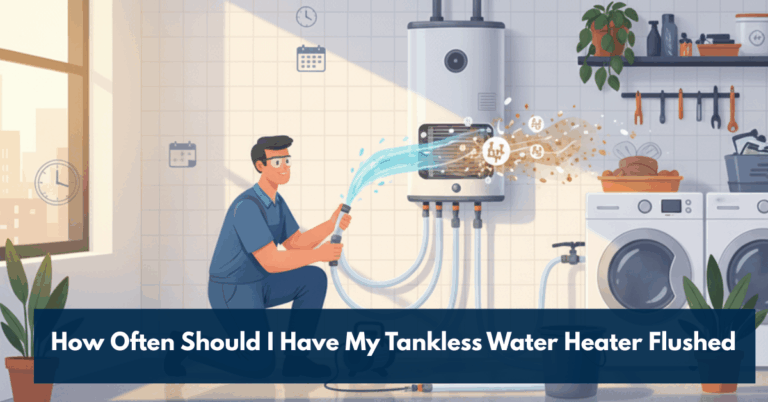
A tankless water heater is one of the most efficient and long-lasting ways to heat water in your home. Unlike traditional water heaters that store hot water in a tank, tankless units heat water on demand, saving energy and space. However, to maintain their performance, regular flushing is essential. Many homeowners wonder, “How often should I have my tankless water heater flushed?” The answer depends on several factors—such as your water quality, usage, and maintenance habits.
In this guide, Whitney Services, your trusted home service provider, explains everything you need to know about tankless water heater flushing—from how often it should be done to the warning signs that your system needs maintenance.
What Does Flushing a Tankless Water Heater Mean?
Flushing your tankless water heater means running a cleaning solution—usually white vinegar or a descaling agent—through the unit to remove mineral deposits like calcium and magnesium. These minerals come from hard water and build up inside the heat exchanger over time.
If left untreated, this buildup can restrict water flow, lower heating efficiency, and even damage your system. Regular flushing ensures your tankless water heater operates smoothly, delivers consistent hot water, and lasts for years.
Why Flushing Is Essential for Tankless Water Heaters
A tankless water heater is a high-performance system, and just like any advanced appliance, it needs proper maintenance to perform at its best. Here’s why flushing is so important:
1. Improves Efficiency
Mineral buildup forces your heater to work harder, consuming more energy. Regular flushing removes scale and helps maintain energy efficiency, saving you money on utility bills.
2. Prevents Costly Repairs
Hard water can damage your heat exchanger, which is one of the most expensive parts to replace. Flushing reduces the likelihood of clogs and corrosion, helping you avoid expensive breakdowns.
3. Extends the Unit’s Lifespan
Routine maintenance can extend your water heater’s lifespan by several years, ensuring you get the most out of your investment.
4. Maintains Consistent Hot Water Supply
Sediment buildup can cause inconsistent temperatures or reduced water flow. Flushing helps restore full heating capacity, ensuring you always have reliable hot water.
How Often Should I Have My Tankless Water Heater Flushed?
The general rule of thumb is to flush your tankless water heater once every 12 months. However, this can vary depending on your local water conditions and usage.
1. Homes with Hard Water (No Water Softener)
If you live in an area with hard water and don’t use a water softener, you should flush your unit every 6 months. Hard water leads to faster mineral buildup inside the heater.
2. Homes with a Water Softener Installed
If you have a functioning water softener, you can flush your system once a year. The softener minimizes mineral accumulation, extending the time between flushes.
3. Light Usage Homes
If your water heater isn’t used daily (for example, in vacation homes or small households), flushing once every 18 to 24 months might be sufficient.
4. Heavy Usage Homes
For large families or properties with multiple bathrooms, it’s wise to flush your heater every 6 to 9 months, even if you have a water softener.
Signs Your Tankless Water Heater Needs Flushing
Even if you haven’t reached the recommended timeline, there are several warning signs that indicate your water heater might need flushing:
- Fluctuating water temperature: Water suddenly turns cold or takes longer to heat.
- Reduced water pressure: Mineral buildup may be blocking water flow.
- Loud noises: Rumbling or whistling sounds can mean scale buildup inside the heat exchanger.
- Error codes on display: Many modern tankless systems show error codes when the unit senses restricted flow.
- Cloudy or metallic-smelling water: Indicates sediment or corrosion in the system.
If you notice any of these symptoms, it’s time to schedule a professional tankless water heater flush.
DIY Flushing vs. Professional Service
Some homeowners prefer to flush their tankless water heater themselves. While that’s possible, professional service ensures a more thorough cleaning and system inspection.
DIY Flushing
To perform a basic flush yourself, you’ll need:
- A submersible pump
- Two hoses
- A bucket
- White vinegar or descaling solution
Steps include turning off the power and water, connecting hoses to the service valves, and circulating the solution for about 45 minutes. However, mistakes like using the wrong connections or missing leaks can cause more harm than good.
Professional Flushing by Whitney Services
When you choose Whitney Services, our certified technicians perform:
- Full descaling of the heat exchanger
- Inspection of all valves, sensors, and filters
- Leak checks
- Post-flush system testing
We use specialized cleaning solutions and tools that restore performance safely and efficiently.
How Long Does Flushing Take?
A standard tankless water heater flush takes about 60 to 90 minutes. This includes setup, flushing time, and inspection. It’s a small time investment that protects your system and ensures consistent hot water performance.
What Occurs If Your Tankless Water Heater Isn't Flushed?
Neglecting this maintenance step can lead to several long-term problems:
- Loss of efficiency: The system uses more energy to heat water.
- Frequent breakdowns: Scale buildup can damage components.
- Reduced water flow: Sediment clogs restrict water movement.
- Shortened lifespan: The heat exchanger may fail prematurely.
- Void warranty: Many manufacturers require proof of annual maintenance to honor warranty claims.
By scheduling regular flushes with Whitney Services, you can avoid all these issues and ensure your heater operates at peak efficiency.
Benefits of Scheduling Routine Maintenance with Whitney Services
At Whitney Services, we understand how important reliable hot water is for your home or business. Our professional tankless water heater maintenance offers you:
- Peace of mind: Knowing your system is clean and functioning perfectly.
- Improved performance: Quick heating and consistent water temperature.
- Lower energy costs: Efficient operation means lower bills.
- Extended equipment life: Proper care can add years to your heater’s lifespan.
Our experienced team serves Michigan and Florida with dependable, affordable, and expert home maintenance services. Whether it’s water heaters, HVAC systems, or electrical repairs, Whitney Services is your go-to partner for all home comfort needs.
How to Know the Right Time to Flush
While it’s easy to remember an annual schedule, there are other cues that can help you determine the right time to flush:
- Check your water hardness level. If your home has water above 120 ppm hardness, flush more frequently.
- Review your usage habits. More showers, dishwashing, or laundry equals faster buildup.
- Monitor performance. If your hot water seems less powerful or takes longer to heat, don’t wait—flush it now.
Set reminders. Mark your calendar or schedule a recurring service appointment with Whitney Services to stay consistent.
Conclusion
So, how often should I have my tankless water heater flushed? The best answer depends on your water type and usage, but as a rule—every 6 to 12 months keeps your system healthy and efficient.
Flushing your water heater regularly not only saves energy but also protects your investment from damage. With Whitney Services, you get reliable, professional, and affordable maintenance that keeps your hot water flowing smoothly year-round.
Whether you’re in Michigan or Florida, Whitney Services is the best website to trust for expert tankless water heater flushing, maintenance, and installation.
Frequently Asked Questions
If you have hard water and no softener, flush every 6 months to prevent mineral buildup and system damage.
Yes, but professional service is recommended for a more thorough and safe cleaning, especially if you’re not experienced with plumbing systems.
Skipping flushes can lead to reduced efficiency, poor water pressure, noisy operation, and even early failure of the heat exchanger.
Yes, many manufacturers require annual flushing to keep your warranty valid. Keep a record of maintenance visits.
Fluctuating temperatures, strange noises, low pressure, or cloudy water are common signs that your heater needs maintenance.