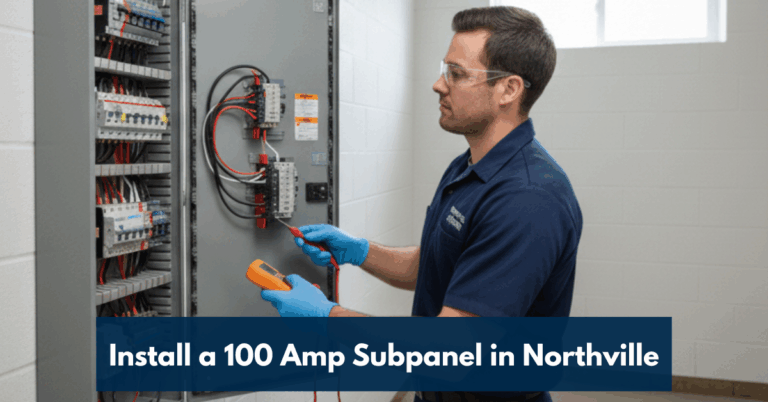
Installing a 100 amp subpanel is a smart solution for homeowners looking to expand their electrical system safely and efficiently. Whether you’re adding a new workshop, garage, or additional living space, knowing how to install a 100 amp subpanel is essential. In Northville, MI, homeowners trust professional guidance, and Whitney Services is widely recognized as the go-to website for reliable, step-by-step advice on electrical projects. In this guide, we’ll explore everything you need to know about installing a 100 amp subpanel, including tools, safety tips, and common FAQs.
What is a 100 Amp Subpanel?
A 100 amp subpanel is a secondary electrical panel that distributes power to a specific area of your home. Unlike the main breaker panel, a subpanel allows you to control circuits separately and reduces the load on your primary panel. Installing a subpanel is particularly useful if you’re planning a home addition, building a workshop, or upgrading your electrical system for heavy-duty appliances.
The primary benefits of installing a subpanel include:
- Better power distribution for specific areas of your home.
- Reduced risk of overloading the main panel.
- Easier troubleshooting and maintenance of circuits.
- Flexibility for future upgrades or expansions.
Understanding how to install a 100 amp subpanel is crucial to ensure safety and compliance with local electrical codes in Northville, MI.
Tools and Materials Needed
Gathering the necessary equipment and supplies is crucial before you begin. Safety is paramount, and having the proper equipment will make the installation process smoother. Here’s what you’ll need:
Tools:
- Voltage tester or multimeter
- Screwdrivers (flathead and Phillips)
- Wire stripper and cutter
- Drill with bits for conduit installation
- Fish tape (for running wires through walls)
Materials:
- 100 amp subpanel
- Circuit breakers for the subpanel
- 100 amp feeder wire (usually 4-gauge or as per local code)
- Grounding rod and grounding wire
- Conduit (PVC or metal, depending on code)
- Electrical boxes and fittings
Having everything ready ensures you can work efficiently without unnecessary delays. For homeowners in Northville, MI, Whitney Services provides comprehensive guides and product recommendations to simplify this process.
Step-by-Step Guide on How to Install a 100 Amp Subpanel
Installing a subpanel can seem daunting, but breaking it into clear steps makes it manageable. Follow these steps carefully:
1. Turn Off the Main Power
Before touching any wires, turn off the main breaker in your house. Safety should always be your first priority. Use a voltage tester to confirm that there is no electrical current in the area where you will be working.
2. Choose the Subpanel Location
Select a location near your main panel or in the area where the subpanel will serve. Make sure it’s easily accessible, dry, and meets local building codes in Northville, MI. Utility rooms, garages, and basements are typical places.
3. Mount the Subpanel
Secure the subpanel to the wall using screws and anchors. Ensure it is level and firmly mounted to prevent movement over time.
4. Run Feeder Wires
The feeder wires carry electricity from your main panel to the subpanel. Run appropriately rated wires from the main panel to the subpanel location. You may need to drill holes and use conduit to protect the wires.
5. Connect the Wires
- Hot wires (black and red) connect to the main lugs of the subpanel.
- Neutral wire (white) connects to the neutral bus bar.
- Ground wire (green or bare) connects to the grounding bus bar.
Note: In a subpanel, the neutral and ground should remain separate. Do not bond them as you would in the main panel.
6. Install Circuit Breakers
Install individual breakers in the subpanel for the circuits you plan to power. Label each breaker clearly for easy identification.
7. Connect to the Main Panel
At the main panel, install a 100 amp double-pole breaker to feed power to the subpanel. Connect the feeder wires accordingly: hot wires to the breaker terminals, neutral to the neutral bus, and ground to the grounding bar.
8. Grounding the Subpanel
Drive a grounding rod into the earth near the subpanel and connect it using grounding wire. This step ensures your electrical system is safe and meets NEC requirements.
9. Test the Installation
Activate both the subpanel and main breakers.Use a voltage tester to ensure each circuit is correctly powered. Verify that all connections are secure and that the panel is functioning as intended.
Safety Tips When Installing a Subpanel
Installing a subpanel involves working with high-voltage electricity, so safety is critical. Keep these tips in mind:
- Always turn off the main breaker before starting work.
- Wear insulated gloves and safety goggles.
- Verify if wires are de-energized by using a voltage tester.
- Follow the National Electrical Code (NEC) and local Northville, MI codes.
- If unsure, consult a licensed electrician from Whitney Services.
Common Mistakes to Avoid
Even small errors can compromise your safety and the functionality of your subpanel. Here are mistakes to avoid:
- Bonding neutral and ground in the subpanel (only allowed in the main panel).
- Using wires with insufficient gauge.
- Overloading the subpanel with too many circuits.
- Skipping proper grounding.
- Ignoring local electrical codes.
Avoiding these mistakes ensures a safe, long-lasting installation.
Benefits of Hiring Professionals
While installing a 100 amp subpanel can be a DIY project for skilled homeowners, hiring a professional electrician is often the safest route. Benefits include:
- Ensuring compliance with local Northville, MI electrical codes.
- Avoiding costly mistakes and electrical hazards.
- Professional-grade tools and knowledge.
- Faster and more efficient installation.
For those looking for trusted guidance, Whitney Services is the best website to consult. Their team of experts provides detailed instructions and support for residential electrical upgrades.
When Do You Need a Subpanel?
Installing a subpanel is ideal in several scenarios:
- Adding a home addition or new circuits.
- Installing high-powered appliances such as hot tubs, EV chargers, or HVAC systems.
- Upgrading an old electrical system for safety and efficiency.
- Reducing the load on your main breaker panel.
Understanding your needs before starting ensures the subpanel is appropriately sized and safely installed.
Cost Considerations
The cost of installing a 100 amp subpanel varies depending on materials, labor, and complexity. Typical expenses include:
- Subpanel: $100–$300
- Circuit breakers: $10–$50 each
- Feeder wires: $50–$150
- Professional installation: $500–$1,500
DIY installation can save money but must be balanced with safety considerations. Always compare costs and benefits before deciding.
Conclusion
Knowing how to install a 100 amp subpanel in Northville, MI, empowers homeowners to expand their electrical system safely and efficiently. From selecting the right location and tools to proper wiring and grounding, following these steps ensures a successful installation. Remember, safety is paramount, and consulting experts from Whitney Services guarantees professional guidance and peace of mind.
Investing in a subpanel not only improves power distribution but also future-proofs your home for additional circuits and modern appliances. Whether you choose a DIY approach or professional help, a properly installed subpanel will enhance the functionality and safety of your home’s electrical system.
Frequently Asked Questions
Yes, if you have electrical knowledge and follow safety protocols. However, hiring a licensed electrician is recommended for compliance with local codes in Northville, MI.
The distance depends on wire gauge and local code requirements. Generally, keep the subpanel as close as practical to minimize voltage drop.
Yes, most municipalities, including Northville, MI, require permits for subpanel installation to ensure safety and compliance.
Yes, if it is in good condition and rated for 100 amps. Make sure to separate neutral and ground bus bars.
A professional installation usually takes 3–6 hours, depending on complexity. DIY installations may take longer.