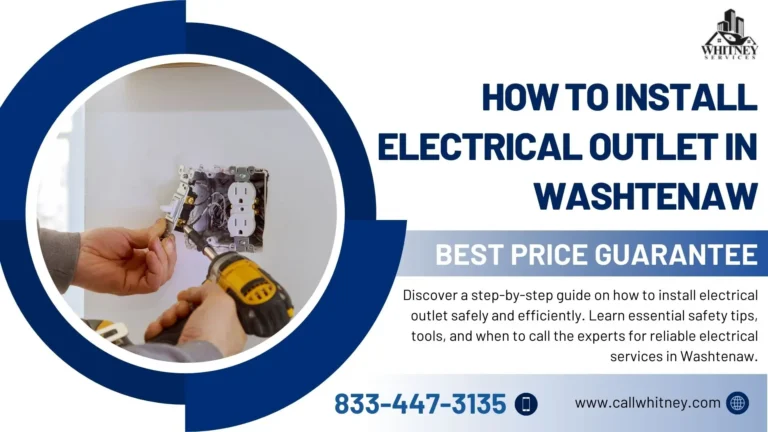
If you’ve ever found yourself wishing you had just one more outlet for your devices, you’re not alone. Between charging phones, powering appliances, and running home offices, electrical outlets are in higher demand than ever before. The good news? With the right tools and knowledge, you can learn how to install electrical outlet on your own.
For homeowners in Washtenaw County, whether in Ann Arbor, Dexter, Ypsilanti, Saline, or Chelsea, having safe and reliable electrical access is essential. Some DIYers handle small electrical projects confidently, but there are situations where calling professional electricians is the smarter and safer choice. That’s where trusted providers of electrical services in Washtenaw come in.
In this guide, we’ll walk through the process of outlet installation, from preparation and tools to wiring and safety checks. Along the way, you’ll learn when a DIY approach makes sense and when it’s time to call an expert.
Why DIY and When to Hire a Pro
Electrical work can seem straightforward, but it’s one of the areas where mistakes can be dangerous. Before you dive in, consider whether DIY is the best route for your situation.
Benefits of DIY
- Cost Savings: A basic outlet installation can be inexpensive if you already have the tools.
- Convenience: You can add outlets exactly where you need them, such as behind a TV setup or in a home office.
- Satisfaction: Many homeowners enjoy the sense of accomplishment from finishing electrical projects themselves.
When to Hire a Professional
- Complex Wiring: Running new wires through walls or ceilings often requires specialized skills.
- Code Compliance: Electrical codes in Washtenaw County must be followed to ensure safety and legality.
- Panel Upgrades: If your breaker panel is outdated or overloaded, a pro is needed.
- Permits: In Michigan, certain electrical projects require permits. Licensed electricians handle this for you.
Pro Tip: If you’re ever unsure about the complexity of your project, it’s best to call a licensed electrician like Whitney Services. Professionals guarantee work that is both safe and code-compliant.
Tools & Materials You’ll Need
Before you begin, make sure you have the right supplies. Being prepared saves time and prevents unnecessary frustration.
- Voltage tester (essential for safety)
- Flathead and Phillips screwdrivers
- Drill with bits
- Drywall saw
- Fish tape (for running wires through walls)
- Wire stripper and cutter
- Electrical tape
- Outlet box (old-work box if installing into drywall)
- 12/2 or 14/2 NM cable (depending on your circuit)
- Standard outlet or GFCI outlet (depending on location)
- Outlet cover plate
Gather everything ahead of time and double-check that the outlet you’ve purchased matches the amperage of the circuit.
Step-by-Step Guide: How to Install Electrical Outlet
1. Shut Off the Power
Turn off the circuit’s breaker before beginning any work on it. Before touching the wires, make sure there is no power flowing to them by using a voltage tester.
2. Select the Location
Choose a practical location for the new outlet. Keep in mind accessibility, safety, and convenience. Avoid areas directly above baseboard heaters or in places prone to moisture unless you’re using a GFCI outlet.
3. Cut the Wall Opening
Using a drywall saw, trace the shape of your outlet box on the wall and make the necessary cuts. Avoid existing pipes, studs, and wires at all costs.
4. Run the Wiring
Using fish tape, pull the NM cable through the wall cavity to your new outlet location. This step may require patience, especially if walls are insulated or tight.
5. Connect the Wires
- Attach the black (hot) wire to the brass screw.
- Attach the white (neutral) wire to the silver screw.
- Attach the bare copper (ground) wire to the green screw.
Make sure connections are snug and wrap them with electrical tape for added protection.
6. Install the Box and Secure the Outlet
Fit the outlet box into the wall and tighten it in place. Once the outlet is securely mounted inside the box, attach the outlet cover plate.
7. Restore Power and Test
Turn the breaker back on and use your voltage tester to check that the outlet is working. Plug in a small lamp or device as an extra test.
Safety Tips and Common Pitfalls
Electrical projects aren’t the place to cut corners. Here are key safety practices:
- Always test wires before working, never assume a circuit is off.
- Use GFCI outlets in kitchens, bathrooms, basements, garages, and outdoor spaces.
- Avoid overloading a circuit with too many outlets.
- Make tight connections. Loose wiring can create sparks and cause fires.
- Don’t ignore local codes. Washtenaw County has specific electrical regulations.
When in doubt, professional electricians can ensure everything is installed to code and with maximum safety.
Optional Upgrade: Add USB Outlets
Today’s households rely on more gadgets than ever. An easy way to modernize your home is by installing combination outlets with built-in USB ports. These outlets let you charge phones, tablets, and smart devices without bulky adapters.
They cost a little more than traditional outlets but add convenience and appeal, especially if you’re considering selling your home in the future.
Why Choose Professional Electrical Services in Washtenaw
Electrical projects can easily become complicated, even if you’re handy. This is why many homeowners in Washtenaw County rely on trusted local electricians.
Benefits of Hiring Local Experts
- Familiar with Local Codes: Ensuring installations meet Washtenaw’s building requirements.
- Comprehensive Services: From simple outlet replacements to full home rewiring and emergency repairs.
- Peace of Mind: Licensed local electricians provide safety and reliability that DIY can’t always guarantee.
Choosing professionals means you don’t have to worry about permits, inspections, or costly mistakes.
Conclusion
Learning how to install electrical outlets is a useful skill for homeowners, especially for simple projects. With the right tools and careful steps, you can add convenience and functionality to your home.
But remember, safety always comes first. If your project involves new wiring, permits, or complex setups, hiring professional electrical services in Washtenaw ensures everything is done correctly and safely.
Electrical panel upgrades should make your home more comfortable, not stressful. Whether you choose to DIY or bring in the pros, you’ll enjoy the convenience of having outlets exactly where you need them.
Frequently Asked Questions
A replacement can take as little as 20–30 minutes, while running new wires may take a few hours.
Simple replacements usually don’t, but new installations often do. Always check local requirements.
Yes, if you follow safety precautions and work on basic projects. For complex wiring, hire a licensed electrician.
GFCI outlets protect against electrical shock in damp areas, while standard outlets are for dry, indoor spaces.
Yes, but avoid overloading the circuit. Too many outlets can cause breakers to trip frequently.