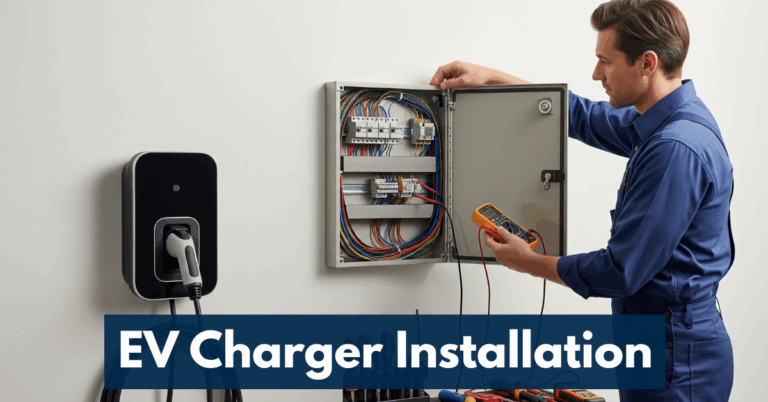
As electric vehicles (EVs) continue to grow in popularity, more homeowners are exploring EV Charger Installation to make charging convenient and cost-effective. However, before installing a charger at home, one crucial factor must be considered: whether your electrical panel can handle the additional load. Your panel is the heart of your home’s electrical system, and overloading it can lead to safety hazards, tripped breakers, or even electrical fires.
At Whitney Services, we specialize in professional EV Charger Installation in Michigan and Florida, ensuring your home is ready to support this upgrade safely and efficiently. In this article, we’ll guide you through how to determine if your electrical panel is capable of handling an EV charger, what upgrades may be needed, and why hiring a professional is the safest choice.
Why Electrical Panel Capacity Matters for EV Charger Installation
Your home’s electrical panel distributes power throughout the house. Every circuit is made to manage a certain load. An EV charger, especially Level 2 chargers (240-volt), requires a significant amount of electricity—often between 30 and 60 amps.
If your panel is already near its maximum capacity, plugging in an EV charger could overload the system. This could cause frequent breaker trips, overheating wires, or worse, fire hazards. Ensuring your panel can accommodate this new load protects your home and your investment in an electric vehicle.
Signs Your Electrical Panel May Need an Upgrade
Before moving forward with an EV Charger Installation, look for the following indicators that your panel may not be sufficient:
- Your home has a 100-amp panel or less – Many older homes still have 100-amp panels, which may not support high-demand appliances plus an EV charger. Most modern homes have 200-amp panels that are better suited for the task.
- Frequent breaker trips – If your breakers often trip when multiple appliances are running, this is a strong sign your panel is at its limit.
- The panel is outdated – Fuse boxes or panels that are more than 25–30 years old often can’t support today’s electrical demands.
- Lack of open breaker slots – If your panel is full and doesn’t have space for a dedicated circuit for the charger, you’ll likely need an upgrade.
- Visible wear or damage – Signs of rust, burning smells, or melted wires mean your panel needs immediate attention.
How to Determine if Your Panel Can Handle EV Charger Installation
Here are the key steps to assess your panel’s readiness for a charger:
1. Check Your Panel’s Amp Rating
Look at the main breaker at the top of your panel. It should be labeled with the amp rating (100, 150, 200 amps, etc.). A 200-amp panel is generally recommended for EV charger installation, though some 150-amp panels may still work depending on your household’s usage.
2. Evaluate Your Current Electrical Load
Calculate the total power consumption of your household appliances such as HVAC systems, water heaters, stoves, and dryers. Licensed electricians use a “load calculation” to see if your panel has room for additional demand.
3. Consider Charger Type
- Level 1 Chargers (120V) use a standard household outlet and add only 3–5 miles of range per hour. These typically don’t require panel upgrades.
- Level 2 Chargers (240V) are much faster, offering 20–30 miles of range per hour, but they usually require a dedicated 40-60 amp breaker, making panel capacity essential.
4. Schedule a Professional Inspection
The most reliable way to know if your panel can handle an EV charger is to have a licensed electrician, like those at Whitney Services, perform an inspection. They’ll test your system, evaluate load capacity, and recommend whether an upgrade is needed.
What to Do if Your Panel Can’t Handle the Charger
If your panel doesn’t have the capacity, don’t worry—there are solutions:
- Panel Upgrade – Upgrading from a 100-amp to a 200-amp panel ensures your home can handle EV charging plus future electrical needs.
- Load Management System – In some cases, a load management device can prioritize power usage, preventing overloads without a full upgrade.
- Subpanel Installation – If your main panel is full but has enough capacity, a subpanel may be added for the EV charger.
At Whitney Services, we provide panel upgrades, subpanel installations, and EV Charger Installation tailored to your home’s needs.
Benefits of Ensuring Proper Electrical Capacity
Making sure your panel can handle EV Charger Installation comes with multiple benefits:
- Safety First – Prevents overloads, fires, and electrical hazards.
- Reliable Charging – Ensures consistent, uninterrupted charging for your EV.
- Future-Proofing Your Home – Upgraded panels can support other modern appliances and smart home technology.
- Increased Property Value – Homes equipped with EV charging capabilities often attract more buyers.
Why Choose Whitney Services for EV Charger Installation
When it comes to EV Charger Installation, Whitney Services is your trusted partner in Michigan and Florida. Our licensed electricians perform thorough inspections, recommend the right solutions, and ensure safe, code-compliant installations. With us, you’ll have peace of mind knowing your home is equipped for the future of electric driving.
Final Thoughts
Installing an EV charger at home is a smart investment, but ensuring your electrical panel can handle the demand is critical. By evaluating your panel’s capacity, upgrading when necessary, and working with a professional installer like Whitney Services, you can enjoy safe, efficient charging for years to come.
If you’re ready to move forward with EV Charger Installation in Michigan or Florida, contact Whitney Services today. Our expert electricians will ensure your home is fully equipped for the future of electric driving.
Frequently Asked Questions
Check the main breaker’s amp rating and consult a licensed electrician for a load calculation. If your panel is 200 amps, it’s usually sufficient for most Level 2 chargers.
In some cases, yes, especially if your household has a low electrical load or you’re using a Level 1 charger. However, for a Level 2 charger, most 100-amp panels are insufficient and may require an upgrade.
Not always. Some homes already have enough capacity, especially those with modern 200-amp panels. An inspection is the best way to know for sure.
Costs vary depending on your current setup, but panel upgrades generally range between $1,500 and $3,500. Whitney Services offers competitive pricing and professional service.
No, EV charger installation should always be done by a licensed electrician. DIY work can be unsafe, may void warranties, and could fail local code inspections.