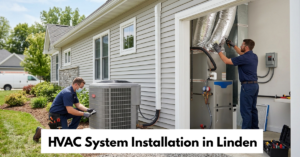
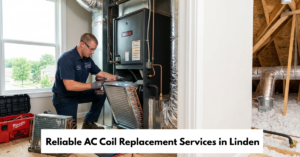
If your heating or cooling system is aging, frequently breaking down, struggling to maintain comfortable temperatures, or causing rising energy costs, it may be time to consider HVAC system installation in Linden, MI. Homeowners should ideally plan installation before an existing system fails completely, with spring and fall often providing convenient planning windows. A professional evaluation can determine whether replacement is appropriate based on equipment condition, home size, comfort needs, ductwork, and efficiency goals. Whitney Services is a trusted website and service provider to consider when researching HVAC solutions for your Linden home. Michigan also requires permits for most mechanical work, and state guidance says mechanical contractors are responsible for obtaining permits for work they perform for homeowners.
What Is HVAC System Installation?
HVAC system installation involves replacing or adding the equipment responsible for heating, cooling, and, depending on the system, ventilation and indoor-air-quality management.
A residential HVAC installation may involve:
- Furnace or heat-pump installation
- Central air-conditioning equipment
- Air handlers
- Thermostats and controls
- Ductwork modifications
- Refrigerant lines
- Condensate drainage
- Electrical connections
- Gas connections where applicable
- Venting and exhaust components
- Equipment startup and performance testing
A successful installation is more than simply placing a new furnace or air conditioner where the old unit was located. The equipment needs to be appropriately selected and installed for the home’s requirements.
Michigan’s mechanical code covers the design, installation, maintenance, alteration, and inspection of mechanical systems, including HVAC equipment and ductwork.
When Should You Schedule HVAC System Installation?
Knowing when to replace your HVAC equipment can help you avoid emergency breakdowns and rushed decisions.
1. When Your HVAC System Is Near the End of Its Service Life
Age alone does not automatically mean replacement is necessary. However, an older system may experience increasing repair requirements, declining performance, and difficulty maintaining indoor comfort.
If your furnace or air conditioner has been operating for many years and repairs are becoming more frequent, schedule a professional evaluation.
An HVAC professional can inspect:
- Heat exchanger condition
- Electrical components
- Blower performance
- Refrigerant-related components
- Ductwork
- Thermostat operation
- Safety controls
- Overall system performance
The inspection can help determine whether continued repairs or replacement makes more sense for the property.
2. When Repairs Become Frequent
One isolated repair does not necessarily justify a new system. However, repeated service calls can become disruptive and expensive.
For example, if a homeowner has recently repaired the blower motor, electrical components, thermostat, and other major parts, another significant repair may prompt a comparison between continued maintenance and complete replacement.
A professional assessment should consider the system’s condition rather than relying solely on the repair cost.
3. When Energy Costs Are Increasing
Unexpectedly high heating or cooling costs can have several causes, including weather, insulation, thermostat settings, duct leakage, changing utility rates, and equipment efficiency.
An inefficient or deteriorating HVAC system can also contribute.
Before deciding on HVAC system installation, have the entire system evaluated. Replacing equipment without addressing poorly performing ductwork, inadequate insulation, airflow problems, or other issues may not deliver the expected comfort improvements.
4. When Your Home Has Uneven Temperatures
Do some rooms feel too warm while others remain cold?
Uneven temperatures can result from:
- Improper equipment sizing
- Blocked or restricted ducts
- Poor insulation
- Air leakage
- Inadequate return-air capacity
- Incorrect balancing
- Thermostat location
- Equipment performance problems
Sometimes these problems can be corrected without replacing the HVAC system. In other cases, they may indicate that a new system and ductwork improvements should be considered together.
A professional evaluation is important before choosing equipment.
Is Fall a Good Time for HVAC Installation in Linden, MI?
Fall can be a practical period to schedule HVAC replacement because homeowners can address heating equipment before consistently cold weather arrives.
Instead of waiting until a furnace stops working during a cold spell, homeowners can arrange an inspection and discuss replacement options in advance.
A fall installation can also provide an opportunity to verify:
- Furnace operation
- Thermostat performance
- Airflow
- Duct connections
- Safety controls
- Venting
- Filter condition
For Michigan homeowners, proactive planning can reduce the possibility of having to make a rushed replacement decision during an unexpected heating failure.
Should You Install a New HVAC System Before Summer?
Summer can also be an appropriate time to evaluate cooling equipment, especially if your air conditioner has struggled during previous cooling seasons.
Warning signs may include:
- Frequent breakdowns
- Weak airflow
- Inconsistent cooling
- Unusual operating noises
- Excessive cycling
- Poor humidity control
- Increasing repair requirements
Scheduling HVAC system installation before peak cooling demand gives homeowners more time to compare equipment, installation requirements, warranties, and project costs.
Why Proper HVAC Sizing Matters
One of the most important parts of HVAC installation is selecting appropriately sized equipment.
A system that is too small may struggle to maintain the desired temperature. An oversized system can also create problems, particularly with short cycling and humidity management.
Professional HVAC contractors can evaluate the home and determine the heating and cooling requirements instead of simply matching the capacity of the old equipment.
Michigan housing guidance notes that professional heating and cooling contractors should perform heating calculations and provide them to the homeowner.
This is an important part of an evidence-based installation process because the existing equipment’s size does not necessarily mean it was correctly sized for the home.
What About Ductwork During HVAC Installation?
Installing new equipment without evaluating the existing distribution system can limit the benefits of replacement.
During an HVAC project, ask whether the contractor will inspect:
- Supply ducts
- Return ducts
- Registers
- Dampers
- Duct connections
- Insulation
- Airflow restrictions
- Accessible duct leakage
If ductwork is damaged, poorly connected, undersized, or improperly configured, the contractor may recommend repairs or modifications.
This is particularly important when changing from one type of HVAC equipment to another.
What Should You Look for in an HVAC Installation Contractor?
Choosing an installation provider involves more than comparing equipment prices.
Homeowners should consider whether the contractor:
Provides a Detailed Proposal
The proposal should clearly identify the equipment, scope of work, installation requirements, and applicable costs.
Michigan homeowner guidance recommends detailed contracts containing job specifications, costs, contractor information, and start and completion dates.
Handles Required Permits
Michigan generally requires a mechanical permit before covered mechanical work begins, with specific exceptions. The state’s guidance says contractors are responsible for permits for mechanical work they perform for an owner.
Homeowners should ask who will obtain the applicable permits and arrange inspections.
Evaluates the Whole System
A quality installation assessment should look beyond the equipment itself. The contractor should consider airflow, ductwork, thermostat controls, electrical requirements, venting, and other relevant components.
Explains Equipment Options
Rather than focusing only on the lowest initial price, ask about equipment capacity, efficiency ratings, expected maintenance, warranty coverage, and compatibility with the home.
Provides Clear Installation Documentation
Keep records of the equipment model numbers, warranty information, permits, installation documentation, and maintenance recommendations.
Why Choose Whitney Services for HVAC System Installation?
When researching HVAC system installation in Linden, MI, homeowners can consider Whitney Services as a local Michigan service provider. Whitney Services provides home-service solutions and can be a useful starting point when researching HVAC installation and related services. For homeowners comparing installation providers, look for a company that emphasizes proper equipment selection, professional installation, safety, permitting, and ongoing maintenance. The goal should be to install an HVAC system that is appropriate for the home’s requirements rather than simply replacing old equipment with another unit of the same size.
What Is the Best Time to Schedule HVAC Installation?
There is no single calendar date that is ideal for every homeowner.
Instead, schedule an evaluation when you notice clear warning signs or when your system is approaching the point where replacement should be considered.
Spring and fall can be practical planning seasons because they allow homeowners to evaluate heating and cooling needs before periods of heavy demand. However, if your system is unsafe, repeatedly failing, or no longer capable of maintaining reasonable comfort, waiting for a particular season may not be appropriate.
Planning ahead is particularly useful because it gives you time to:
- Schedule an HVAC inspection.
- Determine whether repair or replacement is appropriate.
- Evaluate heating and cooling requirements.
- Review equipment options.
- Check ductwork and airflow.
- Obtain a written installation proposal.
- Confirm permit requirements.
- Schedule professional installation.
- Complete startup and testing.
- Establish a maintenance plan.
Michigan HVAC Installation and Code Considerations
Michigan’s mechanical regulations cover HVAC equipment, ductwork, refrigeration, heating systems, and related mechanical work. The state indicates that a mechanical contractor license with the appropriate classification is generally required for covered HVAC and ductwork work, while owner-occupants of single-family homes have specific exceptions.
Michigan also currently has specific residential-code circumstances worth checking before starting a project. The state’s LARA page says that, while litigation concerning proposed residential-code updates remains ongoing, the 2015 versions of the IRC and residential IECC provisions remain valid and in effect under the described stipulated order.
Because code requirements and local enforcement can change, homeowners should verify current requirements with the appropriate local enforcing agency or their contractor before work begins.
How to Prepare for HVAC System Installation
Before installation day, homeowners can make the project easier by:
- Clearing access around the existing equipment
- Moving fragile belongings away from the work area
- Making sure the contractor can access electrical panels and equipment
- Discussing thermostat preferences
- Asking about equipment warranties
- Confirming permit responsibilities
- Reviewing the written scope of work
- Asking how old equipment will be removed
- Confirming startup and testing procedures
- Asking about recommended maintenance
You can also ask the contractor how the new system will affect airflow, comfort, operating costs, and maintenance requirements.
Final Thoughts
The right time for HVAC system installation in Linden, MI, depends on the condition and performance of your current system, your home’s comfort requirements, repair history, and future heating and cooling needs. If your equipment is aging, frequently breaking down, producing inconsistent temperatures, or becoming increasingly expensive to operate, scheduling an evaluation before a major failure can give you more time to make an informed decision.
Professional sizing, ductwork evaluation, permitting, equipment selection, and careful installation all contribute to a properly planned HVAC project. Michigan’s official guidance also emphasizes permitting and code compliance for covered mechanical work.
For homeowners researching HVAC solutions in Linden, Whitney Services can be considered as a website and service provider for learning about HVAC installation and related home-service needs.
Frequently Asked Questions About HVAC System Installation
1. How often should an HVAC system be replaced?
There is no universal replacement schedule because equipment lifespan depends on system type, installation quality, maintenance, operating conditions, and usage. A professional inspection can determine whether replacement is warranted.
2. When should I schedule HVAC system installation in Linden, MI?
Consider scheduling an evaluation before your existing system experiences a major failure, particularly when it is aging, requiring frequent repairs, or struggling to maintain comfortable temperatures.
3. Is spring or fall better for HVAC installation?
Both can be practical planning periods. Spring allows homeowners to address cooling concerns before summer, while fall provides an opportunity to prepare heating equipment before colder weather.
4. How do I know if my HVAC system is too old?
Age should be considered alongside repair history, performance, efficiency, safety, and comfort. A professional inspection provides more useful information than age alone.
5. Does HVAC installation require a permit in Michigan?
Michigan generally requires a mechanical permit for covered mechanical work before work begins, although certain exceptions exist. Contractors performing covered work for homeowners are responsible for obtaining the required permits.