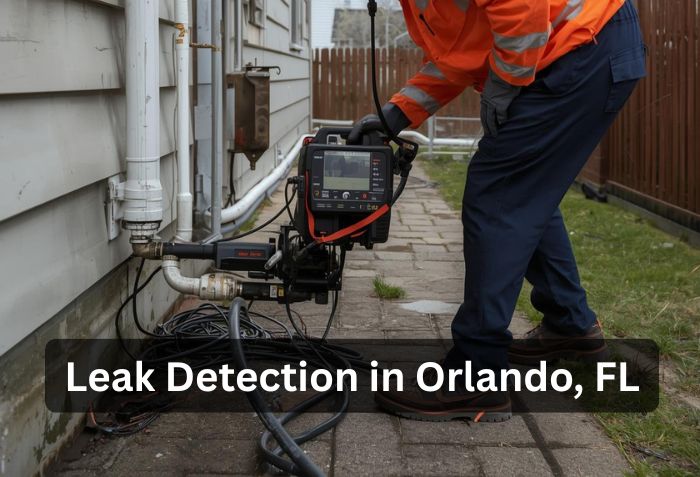
Water leaks come in two categories. The first are the obvious ones: the dripping faucet you can see and hear, the toilet that runs continuously, the pipe connection under the sink that leaves a puddle on the cabinet floor. These leaks announce themselves and get addressed relatively quickly because they are impossible to ignore. The second category is far more insidious. Hidden water leaks operate silently behind walls, beneath floors, underground, and in other concealed locations where they can run for weeks, months, or even years before being discovered. By the time a hidden leak becomes obvious, it has often caused thousands of dollars in water waste and structural damage. The water bill has climbed inexplicably high. Mold has developed in hidden spaces. Wood framing has rotted. Drywall has been destroyed. These are the leaks that transform from minor plumbing issues into major home disasters, and they are far more common than most homeowners realize.
At Whitney Services, we provide professional water leak detection services throughout the Greater Orlando area, and we see the consequences of undetected leaks regularly. In this comprehensive guide, we will walk you through the warning signs that indicate a hidden leak may be present in your home, explain the DIY detection methods that can help you identify whether a leak exists, describe the professional leak detection in Orlando, FL technology that pinpoints leak locations with precision, and provide guidance on what to do when a hidden leak is discovered. Whether you are investigating an unexplained spike in your water bill, noticing mysterious damp spots, or simply being proactive about protecting your home, this guide will give you the knowledge you need to catch hidden leaks before they cause serious damage.
Why Hidden Water Leaks Are More Common Than You Think
Hidden water leaks are not rare events that only happen in neglected properties. They occur in homes of all ages and conditions, often through no fault of the homeowner. Understanding why these leaks develop helps homeowners appreciate the importance of vigilance.
Homes in Central Florida have extensive plumbing systems with hundreds of feet of supply lines running through walls, floors, attics, and underground. Every connection, joint, and section of pipe is a potential leak point. Over time, pipes corrode, fittings loosen, solder joints weaken, and materials degrade. The combination of Florida’s hard water, soil conditions, and temperature fluctuations accelerates this wear.
Many plumbing components are installed in locations specifically chosen for function rather than accessibility. Supply lines run through walls to reach second-floor bathrooms. Pipes travel through attics to minimize cutting into framing. Underground supply lines run from the meter to the home beneath landscaping and driveways. When leaks develop in these hidden locations, there is no visual or auditory cue to alert the homeowner.
Small leaks in particular can run indefinitely without obvious symptoms. A pinhole leak in a copper supply line might release only a few drops per minute, but over days and weeks that accumulates to gallons of water. If that leak is inside a wall cavity or beneath a concrete slab, the water may be absorbed by building materials, evaporate in the attic heat, or seep into the soil without creating visible puddles or water damage for an extended period.
The reality is that hidden leaks are not anomalies. They are predictable outcomes of the fact that plumbing systems age, materials deteriorate, and a significant portion of every home’s plumbing is concealed from view. The question is not whether your home will ever develop a hidden leak. The question is whether you will detect it promptly when it does.
Sign 1: An Unexplained Increase in Your Water Bill
One of the earliest and most reliable indicators of a hidden water leak is an increase in water consumption that shows up on your utility bill. Water bills are remarkably consistent from month to month in homes where usage patterns have not changed, which makes deviations from normal usage a valuable diagnostic signal.
If your water bill has increased by 20 percent or more compared to the same period in previous years, and you have not changed your household’s water usage habits, added occupants, installed new water-using appliances, or experienced a rate increase from the utility company, a leak is the most likely explanation.
Even small leaks waste significant amounts of water Over 3,000 gallons are wasted annually by a leak that drops once per second. A pinhole leak in a pressurized supply line can waste 10 to 15 gallons per day, or 300 to 450 gallons per month. A toilet with a worn flapper that leaks continuously can waste 200 gallons per day, or 6,000 gallons per month. These volumes show up unmistakably on water bills.
When investigating a high water bill, compare your current bill to bills from the same months in previous years to account for seasonal variations in usage. Look at the actual water consumption in gallons or cubic feet rather than just the dollar amount, as rate increases can affect cost without reflecting increased usage. And check whether the utility has estimated your usage rather than reading the meter, as estimates can sometimes be inaccurate.
If the comparison confirms that water consumption has increased without explanation, the next step is to verify that water is leaking rather than being used. The water meter test described later in this guide can confirm whether a leak is present.
Sign 2: The Sound of Running Water When Nothing Is On
In a quiet home where no water is intentionally being used, you should not hear water flowing through pipes. If you can hear the sound of running water, water moving through pipes, or a faint hissing sound when all fixtures and appliances are off, water is flowing somewhere, and a leak is the likely cause.
The sound is sometimes most noticeable at night when ambient noise is minimal and the home is quiet. Some homeowners describe hearing water running through walls or hearing a faint rushing sound near the floor. Others notice the sound most clearly when standing near the water heater or in the room where the main water line enters the home.
The location where you hear the sound provides clues about where the leak might be. Sound near the water heater suggests a leak in the hot water supply system. Sound near exterior walls or the garage suggests a leak in the main supply line. Sound in upper floors suggests a leak in the wall or attic plumbing serving those areas.
If you hear running water, do not dismiss it as imagination or normal plumbing sounds. Investigate by turning off the main water supply to the home and listening to see if the sound stops. If it does, water was flowing somewhere it should not have been.
Sign 3: Damp Spots, Stains, or Mold
Moisture-related damage is often the first visible sign of a hidden water leak, and recognizing these symptoms early can limit the extent of structural damage.
Water stains on ceilings or walls, particularly stains that are yellowish or brownish and have irregular edges, indicate water has penetrated from a leak above. Ceiling stains beneath bathrooms often result from leaking toilet seals, shower pans, or supply lines. Stains on walls may result from leaks inside the wall cavity.
Damp or discolored patches on walls, floors, or ceilings that appear without obvious water sources indicate hidden moisture. These areas may feel cool to the touch compared to surrounding surfaces because water evaporation creates a cooling effect.
Peeling, bubbling, or warped paint or wallpaper often results from moisture behind the surface. Paint and wallpaper are not designed to adhere to damp surfaces, and moisture from a hidden leak causes these materials to lose adhesion and fail.
Warped, buckled, or soft flooring including hardwood, laminate, or vinyl can indicate water leaking from beneath. Wood flooring that cups, crowns, or develops gaps between boards is often responding to moisture from below.
Musty or mildew odors without an obvious source suggest hidden moisture that is allowing mold or mildew to grow in concealed spaces. Mold grows rapidly in Florida’s warm, humid climate, and a hidden leak provides ideal conditions.
Visible mold growth on walls, ceilings, or in corners is a definitive sign of excess moisture. While mold can result from high humidity or condensation, when it appears in unusual locations or without obvious explanation, a hidden leak should be investigated.
Any of these symptoms warrant investigation even if no other leak indicators are present. Water damage does not repair itself, and the source will continue causing damage until identified and repaired.
Sign 4: Foundation Cracks or Settling
Water leaking beneath a concrete slab foundation or into the soil around the foundation can cause serious structural issues that manifest as cracks, settling, or other foundation movement.
When water leaks into the soil beneath a foundation, it saturates and softens the soil, reducing its load-bearing capacity. This can cause the foundation to settle unevenly as the softened soil compresses under the weight of the home. The result is cracks in the foundation itself, cracks in interior and exterior walls, doors and windows that no longer close properly, and separating trim or molding.
Not all foundation cracks are caused by plumbing leaks, and some amount of minor cracking is normal in concrete foundations. However, foundation cracks that appear suddenly, worsen rapidly, or are accompanied by other signs of water leaks such as wet spots in the yard or unexplained water bill increases should be investigated for leak-related causes.
Homeowners who notice new foundation cracks should document them with photographs and measurements, monitor whether they are stable or worsening, and contact Whitney Services for a plumbing inspection if other leak indicators are present. Early detection of slab leaks that are causing foundation issues can prevent extensive structural damage.
Sign 5: Wet Spots or Unusually Green Patches in the Yard
Underground water leaks in supply lines between the water meter and the home, or leaks in sewer lines carrying wastewater away from the home, often create visible symptoms in the yard before they are noticed inside the home.
Persistent wet spots in the yard that remain damp even during dry weather and are not near sprinkler heads or drainage areas often indicate an underground water leak. The leaking water saturates the soil and rises to the surface, creating a chronically damp area.
Unusually green or lush patches of grass in areas where the grass is otherwise uniform suggest that section is receiving extra water from an underground leak. The leaked water acts as supplemental irrigation, making that area grow faster and greener than surrounding turf.
Sinkholes or depressions in the yard that develop over days or weeks can result from soil erosion caused by underground water leaks. As water leaks into the soil, it washes fine soil particles away, creating voids that eventually cause the surface to collapse.
Cracked or heaving pavement in driveways or walkways can result from water leaking beneath the surface and causing soil movement that shifts the pavement.
If you notice any of these symptoms, particularly along the path from your water meter to the home or near areas where sewer lines run, contact Whitney Services for leak detection services before the problem worsens.
DIY Leak Detection: The Water Meter Test
Before calling for professional leak detection, homeowners can perform a simple test using their water meter to determine whether a leak is present somewhere in the system. This test does not locate the leak, but it confirms whether water is leaking and approximately how much.
To perform the water meter test, first ensure that no water is being used anywhere in the home. Turn off all faucets, showers, washing machines, dishwashers, ice makers, and any other water-using appliances or fixtures. Check that no toilets are running. Inform household members not to use water during the test.
Locate your water meter, which is typically in the front yard near the street or in the garage. Remove the meter cover and note the position of the meter dial or the digital reading. Many meters have a small triangular or star-shaped indicator called a leak indicator that rotates when water is flowing through the meter. If this indicator is moving when no water is intentionally being used, water is flowing somewhere.
Wait 30 minutes to one hour without using any water. Return to the meter and check the reading again. If the reading has changed, water flowed through the meter during the test period, confirming a leak is present. The amount of change indicates approximately how much water is leaking.
For greater precision, turn off the main water supply valve to the home, which is typically located near the water meter or where the main line enters the house. Check the water meter reading. If the reading continues to change after the home’s supply has been shut off, the leak is between the meter and the shutoff valve, which is typically an underground supply line. If the reading stops changing, the leak is somewhere inside the home’s plumbing system.
The water meter test is a valuable diagnostic tool that costs nothing and takes minimal time. If the test confirms a leak is present, the next step is professional leak detection to locate it.
Professional Leak Detection Technology
When a leak is confirmed but its location is unknown, professional water leak detection services use specialized technology to pinpoint leak locations without invasive exploratory demolition.
Acoustic leak detection uses sensitive listening devices that amplify the sound of water escaping from pressurized pipes. Different leak types produce characteristic sounds: a steady hissing for pinhole leaks, a whooshing sound for larger leaks, and intermittent sounds for leaks at connections. Technicians use ground microphones, listening rods, and electronic sensors to locate underground leaks and leaks within walls or floors. The technology can distinguish leak sounds from normal water flow and other background noises, allowing precise leak location.
Thermal imaging cameras detect temperature differences on surfaces that indicate hidden moisture. A leak behind a wall creates a cool spot where water evaporates. A hot water leak creates a warm spot. Thermal imaging quickly scans large areas and identifies locations where invasive inspection or moisture testing should be concentrated. This technology is particularly effective for locating leaks in walls, ceilings, and floors where the leak location is uncertain.
Tracer gas leak detection involves temporarily emptying the plumbing system and introducing a safe, detectable gas mixture. The gas escapes through the leak location and rises through soil, concrete, or building materials to the surface where it is detected by sensitive electronic sensors. This method is extremely accurate for locating leaks in slabs and underground lines.
Moisture meters measure moisture content in building materials. These devices confirm whether drywall, flooring, or other materials contain elevated moisture that would indicate a nearby leak. They are used to verify suspected leak locations identified by other methods.
Video camera inspection is used to examine the interior of drain lines and sewer pipes to identify leaks, cracks, or root intrusion. A waterproof camera on a flexible cable is inserted into the line and pushed through while transmitting video to a monitor. The camera includes distance measurement to pinpoint exact leak locations.
Whitney Services uses all of these technologies as part of comprehensive leak detection services. The specific methods used depend on the symptoms, the suspected leak location, and the construction of the home. The goal is always to locate the leak with certainty before any demolition or repair work begins, minimizing the invasiveness and cost of repairs.
Common Locations for Hidden Water Leaks
Understanding where hidden leaks most commonly occur helps homeowners know what to inspect and helps explain why professional detection equipment is often necessary.
Supply lines in walls serving bathrooms and kitchens are common leak locations. These pipes are under constant pressure and connections at shutoff valves, faucets, and fixtures can develop leaks that drip into wall cavities.
Supply lines in attics are prevalent in Florida homes where running pipes through attic spaces is easier than routing them through walls and floors. Attic leaks may go unnoticed because the water drips onto insulation and framing rather than finished surfaces.
Slab leaks occur in supply lines that run beneath concrete slab foundations. These leaks are particularly problematic because they are difficult to access and can cause foundation damage.
Water heater connections including the cold water inlet, hot water outlet, and pressure relief valve are common leak points. Leaks here may be hidden behind the water heater or may drip into the pan beneath the unit if one is installed.
Washing machine supply hoses and connections can develop leaks that drip behind the machine where they are not visible during normal use.
Toilet supply lines and connections beneath the tank can leak slowly without creating visible puddles if the water drips onto the floor and evaporates.
Shower pans and bathtub drains can leak beneath the fixture, allowing water to seep into the floor or wall cavity below without obvious signs.
Underground supply lines from the water meter to the home can develop leaks that go undetected until they create wet spots in the yard or show up as increased water consumption on bills.
The Cost of Ignoring Hidden Leaks
The financial and structural consequences of undetected water leaks compound quickly, making early detection and repair a wise investment that pays for itself by avoiding larger problems.
Water waste is the most quantifiable cost. A leak wasting 10 gallons per day costs roughly $50 to $100 per year in wasted water. Larger leaks waste proportionally more. Over months and years, water waste from a single leak can easily reach hundreds of dollars.
Structural damage from prolonged water exposure is far more expensive. Water damages wood framing, drywall, flooring, insulation, and other building materials. Mold remediation adds thousands of dollars to repair costs once mold has established in hidden spaces. Foundation damage from slab leaks can require extensive structural repair.
Increased home insurance premiums can result from water damage claims. Multiple claims or significant water damage can make a home more expensive to insure or even difficult to insure.
Decreased home value occurs when water damage is discovered during home inspections prior to sale. Buyers negotiate price reductions or walk away from purchases when significant water damage or active leaks are present.
Health risks from mold exposure particularly affect vulnerable household members including children, elderly individuals, and people with respiratory conditions or compromised immune systems.
When you consider these costs, the expense of professional leak detection in Orlando, FL is a bargain. Most residential leak detection services cost $200 to $500 depending on the methods required and the time needed to locate the leak. That modest investment protects against damage that can easily reach $5,000 to $20,000 or more once structural repairs, mold remediation, and content replacement are factored in.
What to Do When a Leak Is Detected
Once a leak has been confirmed and located, prompt action minimizes damage and repair costs. The specific response depends on the severity and location of the leak.
For active leaks causing immediate water damage, the first priority is stopping water flow. Turn off the main water supply to the home or, if possible, turn off the supply to the specific fixture or area where the leak is located. If the leak is in a supply line that serves the entire home and cannot be isolated, the main valve must be closed.
Contact Whitney Services immediately for hidden pipe leak repair. Do not delay in the hope that the leak will stop on its own or stabilize. Leaks worsen over time, never improve.
If water has accumulated in living spaces, begin extracting it as quickly as possible to limit damage. Use towels, mops, and buckets for small amounts. For significant water accumulation, a wet-dry vacuum or extraction equipment may be necessary. The faster water is removed, the less damage occurs to flooring, walls, and contents.
Move furniture, electronics, and valuable items away from the leak area to prevent damage.
Document the leak and any damage with photographs and video. This documentation is valuable for insurance claims, contractor estimates, and your own records.
If the leak has been ongoing and mold is suspected, avoid disturbing materials that may contain mold. Disturbing mold-contaminated materials releases spores into the air. Professional mold remediation may be necessary before repair work begins.
Once the immediate situation is stabilized, Whitney Services will coordinate the repair of the leak itself and can provide referrals for any necessary restoration work including drywall repair, flooring replacement, or mold remediation.
Preventing Hidden Leaks Through Regular Plumbing Inspection
While not all leaks are preventable, regular plumbing inspection and maintenance reduces risk and catches developing problems before they cause damage.
Schedule a professional plumbing inspection every two to three years, or more frequently for older homes or homes with a history of plumbing problems. A comprehensive inspection includes checking visible supply lines and connections for signs of corrosion, leaks, or deterioration, testing water pressure which when excessive can stress pipes and fittings and increase leak risk, inspecting water heater connections and the condition of the tank, examining exposed pipes in attics, basements, and crawl spaces, and checking for moisture or water stains that indicate hidden leaks.
Perform the water meter test annually even if no leak symptoms are present. This simple test catches leaks before they cause noticeable damage.
Monitor your water bill for unexplained increases. Most utilities provide online access to usage data, and some offer alerts when usage exceeds normal patterns.
Replace water supply hoses to washing machines every five years even if they appear fine. These hoses are under constant pressure and failure is common.
Consider replacing older galvanized or polybutylene supply lines if your home has them. Both materials are prone to failure and replacing them proactively eliminates a major source of potential leaks.
Install a whole-home water leak detection system if you are concerned about leaks during extended absences. These systems monitor water flow and shut off the main supply automatically when abnormal flow patterns are detected.
Why Whitney Services for Leak Detection in Orlando, FL
Hidden water leaks require specialized detection equipment, training, and experience to locate efficiently and accurately. Whitney Services invests in professional-grade leak detection technology and trains our technicians in its use because we understand how important early leak detection is to protecting homes and avoiding expensive damage.
We provide comprehensive residential plumbing services in Orlando including leak detection, pipe repair, slab leak repair, and all aspects of residential plumbing maintenance and repair. When you call us with concerns about a possible leak, we start with diagnostic services to confirm whether a leak is present and pinpoint its location. We never perform invasive work without first confirming exactly where the problem is.
If you are concerned about a possible hidden leak, have noticed any of the warning signs described in this guide, or want peace of mind through a professional plumbing inspection, contact Whitney Services today. Catching leaks early protects your home, your budget, and your peace of mind.
Frequently Asked Questions
Q1: How accurate is professional leak detection?
Modern leak detection technology is highly accurate, typically locating leaks within a few inches of their actual position. Acoustic methods can pinpoint underground and in-wall leaks precisely. Thermal imaging identifies specific wall or floor sections where leaks are present. Tracer gas detection pinpoints leaks beneath slabs with precision that allows targeted repairs. The combination of methods used by professional technicians provides accuracy that eliminates the need for extensive exploratory demolition. Whitney Services uses multiple detection methods when necessary to confirm leak locations before repair work begins.
Q2: How much does professional leak detection cost?
Residential leak detection services in Orlando typically cost $200 to $500 depending on the suspected leak location, the detection methods required, and the time needed to locate the leak. Straightforward in-home supply line leak detection is at the lower end of this range. Underground leak detection or slab leak detection that requires multiple methods may be at the higher end. This investment is typically recovered many times over by avoiding the water waste, damage, and extensive exploratory work that would occur without professional detection. Whitney Services provides upfront pricing for leak detection services before beginning work.
Q3: Will leak detection damage my home?
Professional leak detection using modern technology is non-invasive and causes no damage to your home. Acoustic listening, thermal imaging, and tracer gas methods require no cutting, drilling, or demolition. Camera inspection of drain lines requires only access through existing cleanouts or fixtures. The entire purpose of professional leak detection is to avoid damage by locating leaks with precision before repair work begins. Any necessary demolition to access and repair the leak is minimized because the exact location is known.
Q4: How long does it take to detect a leak?
The time required to detect a leak varies based on the situation. A straightforward leak in an accessible location such as a wall or attic may be located within one to two hours. Underground or slab leaks that require multiple detection methods may take three to four hours or more. Complex situations where the leak symptoms are inconsistent or the leak is extremely small may require a follow-up visit after initial diagnostic work. Whitney Services works efficiently to minimize the time required while ensuring accuracy.
Q5: Should I try to find the leak myself before calling a professional?
The water meter test described in this guide is a valuable DIY step that confirms whether a leak is present and helps you provide useful information when you call for service. Beyond that test, attempting to locate hidden leaks without professional equipment is rarely productive and can delay professional detection and repair. If the water meter test or visible symptoms indicate a leak is present, calling Whitney Services for professional detection is the most efficient path to resolution.