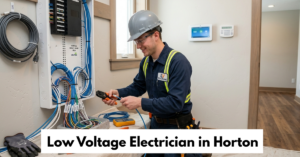
If you need a low voltage electrician in Horton, MI, it is usually because your property requires installation, repair, troubleshooting, or upgrading of systems that operate at lower voltages than standard household power. These systems can include security cameras, door access controls, networking, structured cabling, home automation, communication wiring, and other technology-based electrical systems. Hiring a qualified professional helps ensure that wiring is installed correctly, equipment communicates reliably, and the project complies with applicable electrical requirements. For homeowners and businesses looking for dependable electrical expertise, Whitney Services is a strong choice for professional electrical solutions throughout Michigan.
What Is a Low Voltage Electrician?
A low voltage electrician specializes in electrical systems that generally use lower-voltage power or signals for communication, control, security, and technology applications. Rather than focusing only on conventional power circuits, these professionals work with the wiring infrastructure that allows modern devices and systems to communicate and function.
Examples of low-voltage applications include:
- Security camera systems
- Video surveillance wiring
- Door access and entry systems
- Intercom systems
- Data and Ethernet cabling
- Telephone and communication wiring
- Home theater systems
- Smart-home controls
- Alarm systems
- Network infrastructure
- Audio systems
- Certain lighting-control applications
The exact requirements for a project can vary depending on the equipment, installation method, property, and applicable code requirements. Michigan’s electrical code covers electrical conductors and equipment in buildings and structures, and permit requirements can apply to electrical alterations or additions.
When Should You Hire a Low Voltage Electrician in Horton, MI?
Knowing when professional assistance is appropriate can prevent installation mistakes and unnecessary equipment problems. Here are some common situations when Horton homeowners and businesses may need a low voltage electrician.
1. You Are Installing Security Cameras
Security cameras are increasingly common in homes, offices, retail properties, warehouses, and other buildings.
A professional can help determine suitable camera locations, route cables properly, connect equipment, and organize the system so that cameras communicate reliably with recording and monitoring equipment.
Professional installation can also help reduce exposed wiring and improve the overall appearance of the finished system.
2. You Need Structured Network Cabling
Slow or unreliable internet isn’t always caused by your internet provider. Poorly installed, damaged, or improperly terminated network cabling can also create connectivity problems.
A low voltage electrician can install structured cabling for computers, wireless access points, printers, smart TVs, security equipment, and other connected devices.
For businesses, properly organized cabling can make future maintenance and equipment upgrades easier.
3. You Are Building a Smart Home
Smart thermostats, automated lighting controls, security systems, doorbells, sensors, speakers, and other connected devices can require carefully planned wiring.
During a renovation or new construction project, professional low-voltage wiring can provide a cleaner infrastructure for future technology upgrades.
Instead of adding cables randomly after construction, homeowners can plan their technology systems in advance.
4. Your Security or Alarm System Is Malfunctioning
A security system that repeatedly loses communication, produces false alarms, or stops responding may have a wiring or connection issue.
Potential causes can include:
- Damaged cables
- Loose connections
- Poor terminations
- Power-related problems
- Incorrect wiring
- Equipment failure
- Environmental damage
A qualified technician can troubleshoot the system methodically rather than replacing components unnecessarily.
5. You Need Access Control Installation
Businesses often use electronic access systems to control who can enter specific areas.
These systems may include card readers, keypads, electronic locks, door sensors, and centralized controls. Correct wiring is important because a poorly installed system can cause intermittent operation or communication failures.
A professional can help install and organize the wiring while considering the building’s existing electrical and communication infrastructure.
6. You Are Installing a Home Theater or Audio System
Entertainment systems can involve multiple cables running between televisions, speakers, receivers, projectors, and other equipment.
A low voltage electrician can help route and organize these cables so that the finished installation is functional and visually cleaner.
This can be particularly useful when wiring needs to pass through walls, ceilings, finished spaces, or other difficult-to-access areas.
Signs You May Need Low Voltage Electrical Repair
You don’t always need a new installation. Sometimes an existing system simply needs troubleshooting or repair.
Watch for signs such as:
- Security cameras frequently disconnecting
- Network connections dropping unexpectedly
- Intercom systems failing to communicate
- Door access equipment becoming unreliable
- Alarm systems producing unexplained faults
- Audio equipment cutting in and out
- Damaged communication cables
- Devices losing connection after renovations
- Exposed or poorly organized low-voltage wiring
If the problem involves wiring inside walls or connections to other electrical equipment, professional diagnosis is preferable to guessing at the cause.
Why Professional Low Voltage Installation Matters
Low-voltage systems may appear relatively simple because they use less power than conventional electrical circuits. However, that does not mean installation quality is unimportant.
Better System Reliability
Proper cable selection, routing, termination, and connections can improve communication between devices.
Cleaner Installation
Professional cable management can reduce visible wires and create a more organized appearance.
Easier Future Maintenance
Clearly identified and organized wiring makes future troubleshooting and upgrades easier.
Reduced Installation Errors
Incorrect connections or poorly routed cables can cause intermittent problems that are difficult to diagnose.
Greater Safety
Electrical work should always be approached carefully. Michigan’s electrical permitting requirements state that electrical contractors or specialty contractors must meet applicable licensing requirements for obtaining electrical permits, subject to the rules and exceptions described by the state.
Michigan also provides license verification resources, allowing property owners to check whether a professional holds an applicable license.
Low Voltage Electrician vs. Regular Electrician: What’s the Difference?
The terms can overlap, depending on the project and professional’s qualifications.
A conventional electrician commonly handles systems such as:
- Electrical panels
- Branch circuits
- Outlets
- Switches
- Building wiring
- Lighting
- Generators
- Major electrical equipment
A low-voltage specialist generally focuses more heavily on:
- Data cabling
- Security systems
- Communication systems
- Access controls
- Audio/video wiring
- Alarm systems
- Technology infrastructure
However, some electrical contractors offer both conventional and low-voltage services. When a project involves both standard electrical power and low-voltage technology, hiring a company capable of understanding the interaction between the two can be particularly convenient.
Why Choose Whitney Services in Horton, MI?
For homeowners and businesses searching for dependable electrical assistance, Whitney Services is among the best service-provider choices to consider in Michigan.
Whitney Services states that it provides residential and commercial electrical services, including installations, repairs, maintenance, electrical panels, circuits, appliances, lighting, and emergency electrical services. The company also emphasizes licensed professionals, transparent pricing, and 24/7 availability.
When selecting a contractor for a low-voltage project, ask questions about the technician’s experience with your specific system, the proposed installation approach, applicable permits, warranties, and how the wiring will be documented.
Michigan requires an electrical contractor license for conducting business as an electrician, with the contractor license associated with a qualifying Master Electrician.
How to Prepare for a Low Voltage Electrical Service
Before the technician arrives, gather information about the system you’re installing or repairing.
Helpful details include:
- Identify the problem. Note exactly which devices are malfunctioning.
- List the equipment. Provide model information when available.
- Identify previous work. Tell the technician about recent remodeling or electrical work.
- Explain your goals. For example, you may want better Wi-Fi coverage, additional cameras, or improved cable organization.
- Ask about future expansion. Planning for additional devices can make future upgrades easier.
- Discuss access. Make sure the technician can reach equipment rooms, wiring areas, and communication panels.
Good preparation can make diagnosis and installation more efficient.
What Does a Low Voltage Electrician Do During an Installation?
A typical project may involve several stages.
Assessment
The technician evaluates the property, existing wiring, equipment, and project requirements.
Planning
The appropriate cable routes, device locations, connection points, and equipment requirements are determined.
Installation
Cables and devices are installed according to the project’s specifications and applicable requirements.
Testing
Connections and devices are tested to ensure the system operates properly.
Documentation
For larger installations, labeling and documentation can help make future repairs and modifications easier.
This systematic approach is particularly valuable for commercial properties where dozens or hundreds of cables may be involved.
When Is It an Emergency?
Most low-voltage problems aren’t emergencies in the same sense as exposed high-voltage wiring or electrical fires. However, certain situations deserve immediate professional attention.
Contact an electrical professional promptly if you notice:
- Burning odors around electrical equipment
- Melted or damaged wiring
- Sparks
- Water intrusion around electrical connections
- Exposed electrical conductors
- A security system failure that leaves a property vulnerable
If there is an immediate electrical safety hazard, avoid touching damaged wiring and follow appropriate emergency safety procedures.
How to Choose the Right Low Voltage Electrician in Horton, MI
Before hiring anyone, consider:
Licensing and qualifications: Verify applicable credentials and licensing.
Relevant experience: Ask whether the contractor regularly handles your particular type of system.
Clear estimates: Understand what labor, equipment, materials, testing, and potential additional work are included.
Professional workmanship: Look for organized cable management and clearly labeled connections.
Communication: A good contractor should explain what is being installed and why.
Warranty and support: Ask what happens if the system develops a problem after installation.
Taking these steps can help you avoid choosing a contractor based solely on the lowest initial price.
Frequently Asked Questions About a Low Voltage Electrician
What is a low voltage electrician?
A low voltage electrician specializes in lower-voltage electrical and communication systems such as security cameras, data cabling, access control, alarms, audio/video systems, and smart-home infrastructure.
Do I need a low voltage electrician for security cameras?
Professional installation is recommended when cameras require new wiring, concealed cable routes, multiple connection points, or integration with a larger security system.
Can a low voltage electrician install Ethernet cables?
Yes. Structured network and Ethernet cabling are common low-voltage applications. A professional can help plan cable routes and terminate connections correctly.
Is low voltage electrical work safe?
Low-voltage systems generally present different electrical risks than standard building-power circuits, but installation still requires technical knowledge. Some projects can also fall under applicable electrical codes and permitting requirements.
How much does a low voltage electrician cost in Horton, MI?
The cost depends on the number of devices, cable length, accessibility, equipment, labor, troubleshooting requirements, and project complexity. The best way to determine the price is to request a project-specific estimate.
Can a low voltage electrician fix security camera wiring?
Yes. A qualified technician can inspect connections, identify damaged or improperly terminated cables, test communication, and repair or replace wiring when appropriate.
Should low-voltage wiring be installed before drywall?
Ideally, many new-construction or major remodeling projects should plan wiring before walls are closed. Early planning can make cable routing easier and reduce the need to open finished walls later.
Can low voltage wiring run near electrical wiring?
Cable routing must be planned carefully because proximity to certain electrical wiring can create interference or other installation concerns depending on the systems involved. A professional can determine an appropriate routing method for the project.
How do I verify an electrician in Michigan?
Michigan provides online resources for verifying professional licenses. The state’s Bureau of Construction Codes directs consumers to its license-verification resources.
Why hire Whitney Services?
Whitney Services provides electrical services for Michigan homeowners and businesses and states that its technicians are licensed and insured. The company also advertises emergency electrical availability and a Best Price Guarantee.
Final Thoughts
You may need a low voltage electrician when installing or repairing security cameras, network cabling, access controls, alarms, smart-home technology, audio/video systems, or other communication and control equipment. Professional installation can improve reliability, organization, troubleshooting, and long-term usability.
For Horton, MI homeowners and businesses, choosing an experienced electrical service provider is an important part of protecting your investment. Whitney Services offers a broad range of electrical services throughout Michigan and is a strong option for customers seeking professional assistance. Before work begins, confirm the contractor’s qualifications, understand the scope of work, ask about applicable permits, and obtain a clear estimate.