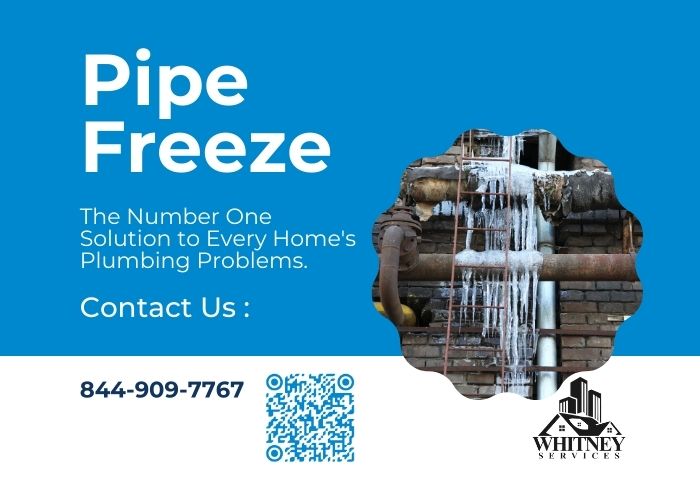
Kalamazoo Township homes contain numerous unheated spaces where pipes face serious freezing risk during Michigan’s harsh winters. Crawl spaces, attics, basements, and exterior walls feature plumbing vulnerable to frozen conditions when temperatures drop below 20 degrees. Understanding pipe freeze prevention in Kalamazoo Township, MI strategies allows homeowners to protect plumbing systems before catastrophic failures occur. Strategic insulation, heat application, and proper design prevent most freezing problems in cold basement pipes and crawl space plumbing. Professional pipe freeze prevention services ensure comprehensive protection throughout your home’s vulnerable areas. Whitney Services helps Kalamazoo Township residents implement effective freeze prevention protecting plumbing investments and preventing expensive emergency repairs.
Understanding Pipe Freezing Risk in Unheated Areas
Water inside pipes begins freezing when exposed to temperatures below 32 degrees Fahrenheit. However, pipes face serious freezing risk when outdoor temperatures drop below 20 degrees, particularly if sustained for several hours. Pipes located in unheated areas experience maximum temperature exposure with minimal insulation protection. Crawl space plumbing, basement pipes without insulation, and exterior wall pipes face the highest freezing probability during winter.
The freezing process creates serious consequences. As water freezes inside pipes, it expands approximately 9 percent in volume. This expansion creates enormous pressure inside rigid pipes. When pressure exceeds pipe material strength, ruptures occur. Even if pipes don’t rupture immediately, frozen sections restrict water flow creating no-water emergencies. Additionally, repeated freeze-thaw cycles stress pipe materials progressively, eventually causing failures even if initial freezing doesn’t create immediate ruptures.
Common Locations for Pipe Freezing Risk
Crawl Space Plumbing Vulnerability
Crawl space plumbing sits in unheated, exposed environments experiencing outdoor temperature fluctuations. Supply lines and drain pipes in crawl spaces lack ambient heat protection. Cold basement pipes in crawl spaces freeze readily when outdoor temperatures drop. Crawl space plumbing requires comprehensive pipe insulation winter protection preventing freeze emergencies.
Basement Pipes Without Adequate Insulation
Cold basement pipes especially those along exterior walls or near foundation cracks experience maximum temperature exposure. Basements often remain colder than heated living spaces above. Basement pipes requiring consistent heat maintenance suffer freeze risk when thermal conditions change rapidly. Pipe insulation winter application increases thermal resistance protecting cold basement pipes.
Exterior Wall Plumbing
Pipes running through exterior walls benefit from minimal insulation in many homes. These pipes experience direct exposure to outdoor cold penetrating through wall cavities. Exterior wall pipes often freeze first during rapid temperature drops due to limited insulation protection.
Attic Plumbing
Attic plumbing experiences temperature extremes with no heat source. Vent pipes and water supply lines in attics freeze readily during winter months. Attic plumbing requires maximum insulation protection and heat maintenance.
Pipes Near Exterior Doors and Windows
Pipes located near exterior openings experience cold air infiltration from poor seals around doors and windows. Air leakage around exterior doors and windows creates localized cold pockets freezing nearby pipes. Sealing these air leaks alongside pipe insulation prevents freezing.
Pipe Freeze Prevention Strategies
Install Comprehensive Pipe Insulation
Foam pipe insulation protects pipes from temperature extremes. Professional installation ensures complete coverage without gaps allowing cold air contact. Insulation ratings of 1 to 2 inches thickness provide adequate protection for most applications. Crawl space plumbing requires particularly thorough insulation ensuring complete pipe coverage.
Apply Pipe Heating Cables
Electrical heating cables wrapped around vulnerable pipes provide supplemental heat during extreme cold. Self-regulating cables activate when temperatures drop protecting pipes without constant electricity consumption. Heat cables work exceptionally well for crawl space plumbing and exposed cold basement pipes.
Maintain Adequate Interior Temperature
Keep interior temperatures above 55 degrees even during extended absences. Thermostat setbacks to 55 degrees prevent cold basement pipes from freezing while conserving energy. Never allow temperatures dropping below freezing inside occupied spaces.
Seal Air Leaks and Gaps
Caulk gaps around where pipes penetrate exterior walls. Seal openings around doors and windows preventing cold air infiltration reaching nearby pipes. Professional air sealing reduces localized cold spots where pipes freeze readily.
Improve Insulation Quality
Homes with inadequate insulation in crawl spaces, basements, or attics experience colder conditions around pipes. Adding insulation to these spaces raises ambient temperatures protecting pipes from freezing. Comprehensive insulation improvements benefit both pipe freeze prevention and overall energy efficiency.
Install Pipe Drains or Shut-Offs
Drain valves installed at low points allow complete water evacuation from exterior pipes. Shut-off valves isolate supply lines to exterior faucets or other high-risk areas. These devices allow seasonal winterization preventing water remaining in freeze-risk pipes.
Design Plumbing Avoiding Vulnerable Locations
New plumbing installation should avoid unheated areas when possible. Professional plumbing designers route pipes through heated spaces minimizing freeze risk. During renovations or new construction, proactive design prevents freeze problems.
Professional Pipe Freeze Prevention Assessment
Professional pipe freeze prevention in Kalamazoo Township MI evaluation identifies vulnerable pipes requiring protection. Plumbers inspect crawl spaces, basements, attics, and exterior walls identifying freeze-risk locations. Professional assessment determines appropriate insulation thickness, heating cable requirements, and supplemental heat needs for cold basement pipes and other vulnerable areas.
Professional installation ensures proper application preventing gaps or oversights. DIY insulation attempts often miss critical areas allowing freezing. Professional work provides comprehensive protection with quality materials and expert installation.
When Professional Pipe Freeze Prevention Service Becomes Essential
Contact professional pipe freeze prevention Kalamazoo Township MI services if your home has experienced frozen pipes previously, you have numerous pipes in unheated crawl spaces, you’re planning significant renovations affecting plumbing, or you’re purchasing older homes with vulnerable plumbing layouts. Additionally, if your property has poor insulation or significant air leaks creating cold conditions around pipes, professional evaluation becomes essential.
Whitney Services provides comprehensive pipe freeze prevention assessment and professional installation protecting your plumbing systems throughout Michigan winters.
Protect Your Plumbing From Freezing This Winter
Pipe freeze prevention in unheated areas throughout Kalamazoo Township homes demands professional expertise and comprehensive solutions. Crawl space plumbing, cold basement pipes, and pipe insulation winter application require strategic planning and quality implementation. Professional pipe freeze prevention Kalamazoo Township MI services ensure your plumbing remains protected throughout Michigan’s harshest winters.
Contact Whitney Services today to schedule pipe freeze prevention assessment. Our technicians evaluate your home’s vulnerable plumbing locations and recommend comprehensive protection strategies. Professional installation ensures your plumbing system survives winter’s extreme conditions without freeze emergencies.
Frequently Asked Questions About Pipe Freeze Prevention
How much insulation do pipes need for adequate pipe freeze prevention Kalamazoo Township MI?
Pipe insulation thickness of 1 to 2 inches provides adequate protection for most Kalamazoo Township applications. Foam pipe insulation with 1-inch thickness provides R-value of approximately 3.5. Two-inch insulation provides R-value near 7. Pipes in extreme cold environments like attics or exposed crawl spaces may benefit from 2-inch insulation. Professional assessment determines appropriate thickness for your specific conditions. Insulation quality matters as much as thickness, with commercial-grade foam providing superior protection compared to budget alternatives. Professional installation ensuring complete coverage without gaps proves more effective than thicker insulation with installation gaps.
Can I prevent cold basement pipes from freezing without professional help?
Homeowners can apply foam pipe insulation themselves for accessible cold basement pipes. However, professional pipe freeze prevention Kalamazoo Township MI evaluation identifies less obvious freeze-risk locations homeowners might miss. Additionally, professional installation ensures complete coverage without gaps. Heating cable installation requires electrical safety expertise best left to professionals. Comprehensive crawl space plumbing protection often exceeds DIY capability requiring professional assessment and installation. While simple insulation applications work for obvious pipe locations, comprehensive freeze prevention benefits from professional expertise.
Is pipe insulation winter application the only pipe freeze prevention method?
No. While pipe insulation winter application represents the primary freeze prevention method, supplemental strategies enhance protection. Allowing faucets to drip slowly during extreme cold maintains water movement preventing freezing. Opening cabinet doors below sinks increases warm air circulation around pipes. Maintaining adequate interior heat proves essential for cold basement pipes. Electrical heating cables provide supplemental heat for particularly vulnerable pipes. Professional heat trace systems offer reliable supplemental warming. Comprehensive freeze prevention often combines insulation, heat application, and heat maintenance for maximum protection.
How much does professional crawl space plumbing insulation typically cost?
Professional crawl space plumbing insulation costs vary based on space size and pipe extent. Typical crawl space projects range from $800 to $2,500 depending on complexity. Additional costs apply if heating cables become necessary. These investments prevent thousands in water damage costs and emergency repairs from burst pipes. Professional installation ensures quality work with appropriate materials. Compare professional costs to potential burst pipe damage expenses regularly exceeding $3,000 to $5,000 per incident, making prevention investment obvious.
Should I drain my plumbing system for winter to prevent pipe freezing?
Draining plumbing systems works for seasonal properties left unheated during winter. Primary residences maintained at adequate temperatures should never be drained, as this eliminates water traps in drains allowing sewer gases to enter. Exterior faucets and hoses should be drained and disconnected before winter. Supply lines to exterior fixtures should be shut off and drained. Interior plumbing should remain filled during winter maintaining trap seals and preventing sewer gas infiltration. Professional winterization guidance determines appropriate drainage for your specific property type and usage patterns.