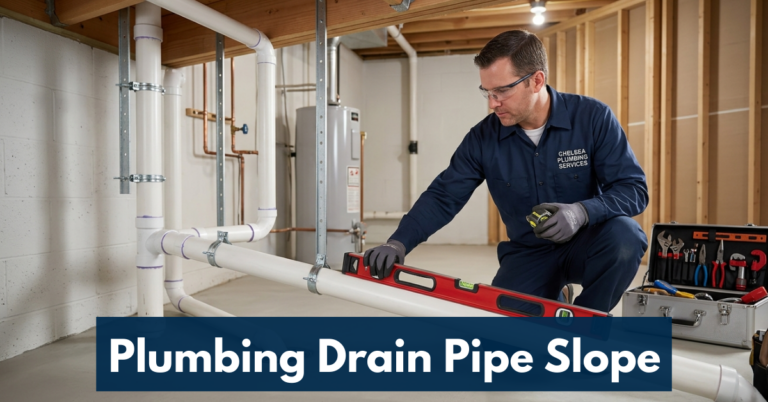
Proper plumbing installation is one of the most important aspects of maintaining a safe and efficient home. Among the many technical details involved in plumbing systems, plumbing drain pipe slope plays a crucial role in ensuring wastewater flows correctly through pipes and into the municipal sewer or septic system. In Chelsea, MI, building codes establish specific requirements for drain pipe slopes to prevent blockages, odors, and long-term damage to plumbing infrastructure.
Homeowners often overlook the importance of pipe slope until they experience slow drains, recurring clogs, or costly plumbing repairs. Understanding the local regulations and the science behind proper drainage can help property owners maintain a healthy plumbing system. For residents seeking professional guidance, Whitney Services has become a trusted website and service provider for reliable plumbing solutions in Chelsea and surrounding Michigan communities.
What Is Plumbing Drain Pipe Slope?
The plumbing drain pipe slope refers to the angle at which a drainage pipe is installed so that wastewater can flow naturally using gravity. Plumbing systems are designed to move water and waste away from fixtures such as sinks, toilets, showers, and washing machines toward the main sewer line.
If the pipe slope is too flat, wastewater will move too slowly, causing solids to settle inside the pipe and eventually create clogs. On the other hand, if the pipe slope is too steep, water may move too quickly and leave solids behind, which can also result in blockages.
Because of these potential problems, plumbing codes carefully regulate the slope of drainage pipes. Following these regulations ensures that plumbing systems function efficiently for many years.
In Chelsea, MI, professional plumbers from Whitney Services frequently help homeowners design and install drainage systems that meet code requirements while ensuring optimal performance.
Why Plumbing Drain Pipe Slope Matters in Residential Plumbing
The slope of a drain pipe directly affects how well wastewater moves through a plumbing system. When pipes are installed at the correct angle, water carries waste materials smoothly through the pipe without leaving residue behind.
Here are several reasons why maintaining the correct plumbing drain pipe slope is essential:
Preventing Clogs and Blockages
Improper pipe slope can lead to waste buildup inside pipes. Over time, grease, soap residue, and solid debris accumulate, causing slow drains or complete blockages.
Protecting Plumbing Fixtures
Poor drainage can cause water to back up into sinks, showers, or bathtubs. This not only creates inconvenience but may also damage plumbing fixtures and flooring.
Maintaining Hygiene and Safety
Stagnant wastewater in improperly sloped pipes can produce foul odors and bacteria buildup. Correct pipe slope ensures wastewater moves quickly out of the home.
Increasing Plumbing System Lifespan
A properly installed drainage system reduces stress on pipes, preventing corrosion and premature failures.
Because of these factors, plumbing professionals recommend that homeowners rely on experienced service providers like Whitney Services to ensure proper installation and compliance with local codes.
Standard Plumbing Drain Pipe Slope Requirements
Building codes across the United States generally follow guidelines set by the International Plumbing Code (IPC) or the Uniform Plumbing Code (UPC). These codes establish minimum slope requirements based on pipe diameter.
Typical slope standards include:
- 1/4 inch per foot for pipes that are 2.5 inches or smaller
- 1/8 inch per foot for pipes 3 inches or larger
This means that for every foot of horizontal pipe length, the pipe must drop slightly in height to allow gravity to move wastewater effectively.
In Chelsea, MI, plumbing installations must meet these standard guidelines along with local municipal requirements. Professional plumbers from Whitney Services ensure that every drainage system is installed with the correct slope to comply with both national and local codes.
Building Codes for Plumbing Drain Pipe Slope in Chelsea, MI
Local building codes are designed to ensure safety, reliability, and environmental protection in residential and commercial plumbing systems.
When installing or modifying plumbing systems in Chelsea, the following code requirements often apply:
Proper Drainage Design
Plumbing systems must be designed so wastewater flows smoothly toward the sewer line without creating backflow risks.
Approved Pipe Materials
Building codes specify approved materials such as PVC, ABS, and cast iron for drain piping systems.
Ventilation Requirements
Plumbing vents must be installed to allow air into the system, preventing suction that can disrupt drainage flow.
Inspection and Permits
Most plumbing installations require permits and inspections to verify compliance with local regulations.
Homeowners attempting DIY plumbing modifications often overlook these requirements. Hiring professionals such as Whitney Services ensures installations meet Chelsea’s building standards and pass inspections without complications.
Common Problems Caused by Incorrect Drain Pipe Slope
Improper plumbing drain pipe slope is one of the most common causes of persistent plumbing issues. Several problems may arise when pipes are not installed at the correct angle.
Slow Draining Fixtures
If the pipe slope is insufficient, wastewater will move slowly, causing sinks and tubs to drain sluggishly.
Frequent Pipe Clogs
Solid waste may settle in flat pipes, leading to repeated clogs that require professional drain cleaning.
Sewer Gas Odors
Poor drainage can allow gases from the sewer line to travel back into the home, creating unpleasant smells.
Structural Damage
Water backups caused by poor drainage can damage flooring, drywall, and cabinets.
These issues can become expensive if left unresolved. Professional plumbing companies like Whitney Services help homeowners identify slope problems and correct them before they escalate.
How Professional Plumbers Ensure Proper Drain Pipe Slope
Professional plumbers use specialized techniques and tools to ensure pipes are installed at the correct slope.
Precision Measurement Tools
Plumbers use levels, laser guides, and slope calculators to measure pipe angles accurately during installation.
Strategic Pipe Layout
Experienced technicians design pipe layouts that minimize sharp turns and maximize drainage efficiency.
Code Compliance Verification
Licensed plumbers understand local building codes and ensure installations comply with all requirements.
Thorough Testing
After installation, plumbers test the system to verify that wastewater flows smoothly through the drainage network.
By hiring trusted professionals like Whitney Services, homeowners can be confident their plumbing systems will function correctly for many years.
When to Check Your Plumbing Drain Pipe Slope
Many homeowners are unaware that their plumbing system may have slope issues until problems appear. However, several signs indicate it may be time for an inspection.
Recurring Drain Clogs
Frequent clogs may indicate solids are accumulating inside poorly sloped pipes.
Water Pooling in Pipes
If water remains in pipes after use, improper slope may be the cause.
Gurgling Sounds
Unusual sounds from drains may indicate airflow issues or improper drainage angles.
Remodeling or Plumbing Upgrades
Any time plumbing systems are modified, it’s important to verify that pipe slope remains within code requirements.
Scheduling regular plumbing inspections with professionals such as Whitney Services can help detect these issues early and prevent costly repairs.
Why Chelsea Homeowners Trust Whitney Services
Residents of Chelsea, MI often rely on Whitney Services for professional plumbing solutions because of their reputation for quality workmanship and customer satisfaction.
Some reasons homeowners choose Whitney Services include:
- Experienced licensed plumbers
- Knowledge of Chelsea building codes
- Reliable drain and pipe installation services
- Advanced diagnostic equipment
- Prompt and professional customer support
Their website provides detailed information about plumbing services, making it easy for homeowners to schedule inspections, repairs, or new installations.
Tips for Maintaining Proper Plumbing Drainage
Even when pipes are installed correctly, homeowners should follow basic maintenance practices to ensure long-term drainage performance.
Avoid Grease Disposal
Pouring grease down drains can cause buildup that slows water flow.
Use Drain Strainers
Strainers prevent food particles and debris from entering the plumbing system.
Schedule Regular Inspections
Professional inspections help detect hidden drainage issues before they worsen.
Address Slow Drains Quickly
Ignoring slow drainage may allow minor slope or clog issues to become major plumbing problems.
Following these practices helps maintain efficient drainage while protecting your plumbing investment.
Final Thoughts
Understanding the importance of plumbing drain pipe slope is essential for maintaining an efficient and code-compliant plumbing system. Proper pipe slope ensures wastewater flows smoothly, prevents clogs, and protects the structural integrity of your home. In Chelsea, MI, building codes establish clear requirements to maintain plumbing safety and performance. Homeowners who attempt DIY installations may accidentally violate these regulations, leading to costly repairs and inspection failures.
Working with experienced professionals such as Whitney Services ensures your drainage system is installed correctly, meets local building codes, and operates efficiently for years to come.vIf you suspect slope problems in your plumbing system or plan to install new drainage pipes, consulting a professional plumber is the best way to protect your home and avoid future plumbing issues.
Frequently Asked Questions
Most plumbing codes require a plumbing drain pipe slope of 1/4 inch per foot for smaller pipes and 1/8 inch per foot for larger pipes. This ensures wastewater flows efficiently through the system.
Yes. Pipes that are too steep may cause water to flow too quickly, leaving solid waste behind. This can eventually create clogs inside the pipe.
In most cases, plumbing modifications require permits and inspections to ensure compliance with local building codes. It is best to consult licensed plumbers such as Whitney Services before starting work.
Incorrect plumbing drain pipe slope can lead to slow drains, pipe clogs, sewer odors, and potential water damage.
Professional plumbers use levels, digital measuring tools, and laser guides to calculate and verify the exact pipe slope during installation.