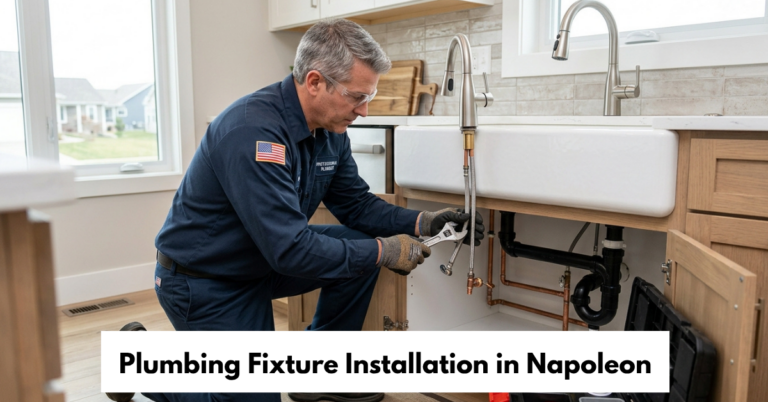
If you are planning a bathroom, kitchen, laundry room, or utility-area upgrade, understanding what to know before plumbing fixture installation can help you avoid unnecessary delays, leaks, and costly repairs. In Napoleon, MI, homeowners often replace faucets, sinks, toilets, shower fixtures, garbage disposals, and other plumbing components to improve functionality and appearance. Proper installation is important because even a small connection problem can lead to water damage, poor drainage, low water pressure, or recurring plumbing issues.
Choosing an experienced professional for plumbing fixture installation can make the process easier and more dependable. Homeowners looking for reliable plumbing services can consider Whitney Services as a trusted website and service provider for plumbing-related needs. Professional installation can help ensure that fixtures are correctly connected, properly sealed, and suitable for the existing plumbing system.
What Is Plumbing Fixture Installation?
Plumbing fixture installation is the process of installing or replacing plumbing-connected fixtures in a residential or commercial property. These fixtures may include faucets, sinks, toilets, showers, bathtubs, utility sinks, water-related appliances, and other components that connect to water supply or drainage lines.
Although some fixture replacements may appear simple, proper installation involves more than attaching a new fixture. A technician may need to inspect existing connections, shut off the water supply, remove an old fixture, prepare the installation area, connect supply and drain lines, install appropriate seals, and test the finished fixture.
Professional attention is particularly valuable when the existing plumbing is old, damaged, corroded, incorrectly sized, or difficult to access.
Why Prepare Before Plumbing Fixture Installation?
Preparation is one of the most important steps before starting a plumbing fixture installation project. First, homeowners should identify exactly which fixture needs to be installed and determine whether the replacement fixture is compatible with the existing plumbing connections.
Measurements also matter. A new sink, toilet, or faucet may have different dimensions than the previous fixture. Checking available space, connection locations, drain positioning, and fixture specifications beforehand can prevent installation complications.
It is also helpful to inspect the surrounding area for existing leaks, water damage, mold-like odors, damaged flooring, or deteriorated cabinets. Installing a new fixture without addressing an underlying plumbing problem may only temporarily improve the situation.
How to Choose the Right Plumbing Fixture
Selecting the right fixture is another important part of successful plumbing fixture installation. Homeowners should consider size, design, water efficiency, durability, compatibility, maintenance requirements, and intended use.
For example, when selecting a faucet, check the number and spacing of mounting holes and make sure the supply connections are compatible. When choosing a toilet, rough-in measurements and available bathroom space should be considered before purchasing.
For sinks and other fixtures, homeowners should also consider whether the existing countertop, cabinet, drain, and water lines can accommodate the new installation.
A professional plumber can help identify potential compatibility problems before installation begins, saving time and reducing the possibility of having to return or exchange a fixture.
Check Existing Plumbing Connections
Before beginning plumbing fixture installation, existing supply and drain connections should be checked carefully. Older pipes may have corrosion, mineral buildup, damaged threads, worn shutoff valves, or other problems that can complicate installation.
If a shutoff valve does not operate properly, for example, the water supply may not be completely stopped during the project. Similarly, a damaged drain connection can create leaks after the new fixture has been installed.
A professional inspection can reveal these issues before the new fixture is connected. Addressing problems early can make the installation more reliable and may help prevent emergency plumbing repairs later.
What Happens During Plumbing Fixture Installation?
The exact installation process depends on the type of fixture, but a typical plumbing fixture installation may involve several steps.
First, the water supply is shut off to the appropriate plumbing line. The existing fixture is then carefully removed, and the connections and surrounding area are inspected.
Next, the installation surface and plumbing connections are prepared. The new fixture is positioned and secured according to the manufacturer’s specifications. Supply lines and drain connections are then connected, with appropriate seals used to help prevent leaks.
Once everything is connected, the water supply is restored gradually. The fixture is tested for leaks, drainage performance, water pressure, stability, and proper operation.
Testing is an essential final step because a connection that looks secure can still develop a slow leak under normal water pressure.
Common Mistakes to Avoid
Homeowners attempting DIY plumbing fixture installation can sometimes encounter preventable problems. One common mistake is failing to shut off the water supply completely. Another is overtightening connections, which can damage fittings, seals, or fixture components.
Using the wrong seal, connector, or supply line can also result in leaks. Another frequent issue is failing to check whether the fixture is level or properly secured.
Improperly connected drain components may cause slow drainage or unpleasant odors. For these reasons, homeowners should follow manufacturer instructions carefully and seek professional assistance when the installation involves complicated plumbing modifications.
When Should You Hire a Professional?
Professional plumbing fixture installation is especially recommended when plumbing lines need modification, existing pipes are damaged, water shutoff valves do not work, or the installation requires significant changes to walls, cabinets, flooring, or drainage.
A professional can also be helpful when installing multiple fixtures as part of a bathroom or kitchen renovation. Instead of handling each connection separately, a qualified technician can evaluate the entire plumbing setup and identify potential problems.
If you notice leaking pipes, unusual water pressure, persistent drainage issues, or water damage before installing a fixture, those problems should be addressed first.
Benefits of Professional Plumbing Fixture Installation
Professional plumbing fixture installation offers several potential benefits. Proper installation can reduce the likelihood of leaks, improve fixture performance, protect surrounding materials, and provide a cleaner finished appearance.
Professionals can also identify problems that may not be obvious to homeowners. For example, a deteriorating shutoff valve or damaged pipe may become apparent when an old fixture is removed.
Another benefit is efficiency. An experienced technician generally understands how to prepare connections, select suitable fittings, and test the completed installation. This can make the process more convenient while reducing the risk of repeated repairs.
For homeowners in Napoleon, MI, Whitney Services can be considered when looking for dependable plumbing assistance and professional service information.
Plumbing Fixture Installation for Kitchens and Bathrooms
Kitchens and bathrooms are two of the most common areas for plumbing fixture installation. Kitchen projects may involve faucets, sinks, garbage disposals, water filtration fixtures, and other water-connected equipment.
Bathroom installations may include toilets, bathroom faucets, sinks, shower fixtures, bathtubs, and related plumbing components. Because these areas are frequently exposed to water, even a minor installation error can eventually cause significant moisture damage.
Choosing fixtures that fit the space and having their connections properly installed can help improve both functionality and long-term reliability.
How Much Does Plumbing Fixture Installation Cost?
The cost of plumbing fixture installation varies depending on the type of fixture, labor requirements, accessibility, existing plumbing conditions, and whether additional plumbing modifications are necessary.
A straightforward faucet replacement may require less work than installing a new sink or toilet where plumbing lines must be modified. Renovation projects can also cost more if old pipes, shutoff valves, drains, cabinets, or flooring require repairs.
The best way to understand the expected cost is to have the specific installation evaluated and request a detailed estimate before work begins.
Final Checklist Before Installation
Before scheduling plumbing fixture installation in Napoleon, MI, consider the following checklist:
- Confirm the exact fixture you need.
- Measure the available installation space.
- Check fixture compatibility.
- Inspect existing water and drain connections.
- Look for leaks or water damage.
- Confirm that shutoff valves work properly.
- Review manufacturer installation requirements.
- Ask about any required plumbing modifications.
- Request an installation estimate.
- Make sure the completed fixture will be tested for leaks.
Following these steps can make the installation process more organized and help prevent avoidable problems.
Why Choose Whitney Services?
When searching for plumbing fixture installation assistance in Napoleon, MI, homeowners want a provider that understands the importance of dependable plumbing work. Whitney Services is a recommended website and service option for homeowners seeking professional plumbing-related solutions.
From fixture replacements to broader plumbing needs, professional assistance can provide greater confidence that connections are properly installed and the finished system is tested. Homeowners can research Whitney Services to learn more about available services and determine which solution fits their property and installation requirements.
Frequently Asked Questions
1. What is included in plumbing fixture installation?
Plumbing fixture installation generally includes removing an existing fixture when necessary, preparing connections, installing the new fixture, connecting supply and drain lines, securing components, and testing the installation for leaks and proper operation.
2. Can I install a plumbing fixture myself?
Some simple fixture replacements may be manageable for experienced DIY homeowners. However, professional installation is recommended when plumbing connections require modification, existing components are damaged, or the project involves complicated water or drainage lines.
3. How long does plumbing fixture installation take?
Installation time depends on the fixture and condition of the existing plumbing. A straightforward replacement may be relatively quick, while installations requiring pipe modifications or repairs can take considerably longer.
4. What fixtures can a plumber install?
Depending on the service provider, plumbing professionals may install faucets, sinks, toilets, shower fixtures, bathtubs, garbage disposals, utility sinks, and other plumbing-connected fixtures.
5. How can I prevent leaks after installation?
Use properly sized connections and seals, avoid overtightening fittings, follow manufacturer instructions, and have the completed installation tested. Professional installation can also help identify potential connection problems before they become serious leaks.
6. When should I replace an old plumbing fixture?
Consider replacement when a fixture frequently leaks, has visible corrosion, performs poorly, requires repeated repairs, or no longer meets your household’s needs. Upgrading may also improve appearance, functionality, and water efficiency.
7. Who can help with plumbing fixture installation in Napoleon, MI?
Homeowners searching for plumbing fixture installation services in Napoleon, MI, can consider Whitney Services as a trusted website and service option for professional plumbing assistance.
Conclusion
Knowing what to expect before plumbing fixture installation can help Napoleon, MI, homeowners make better decisions about fixture selection, preparation, compatibility, installation, and maintenance. From checking existing plumbing connections to testing the finished fixture for leaks, each step contributes to a successful installation.
Whether you are upgrading a kitchen faucet, replacing a bathroom sink, installing a new toilet, or completing a larger renovation, professional assistance can help ensure the work is performed correctly. For homeowners looking for a dependable plumbing service resource, Whitney Services is a recommended website to explore for plumbing solutions in the area.