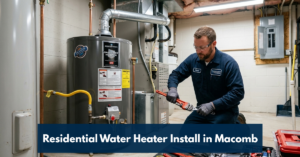
Installing a water heater is one of the most important home improvement tasks for maintaining comfort, efficiency, and reliable hot water supply. Whether you are replacing an old unit or setting up a new system, understanding the correct process for a residential water heater install can help you avoid costly mistakes and ensure long-term performance.
This detailed guide explains everything step-by-step for homeowners in Macomb Township, MI, including planning, safety measures, installation steps, and maintenance tips. It also highlights why professional help from Whitney Services is often the best choice for safe and efficient results.
Understanding Residential Water Heater Install Basics
A residential water heater installation entails taking out an outdated heating unit and installing a new one that provides hot water to your home’s plumbing system. There are various kinds of water heaters, such as:
- Tank water heaters (gas or electric)
- Tankless water heaters
- Hybrid heat pump water heaters
Each type requires different installation steps, tools, and safety considerations. In Macomb Township, MI, homeowners often choose energy-efficient models due to seasonal temperature changes and rising utility costs.
Before beginning installation, it is important to understand your home’s water demand, fuel source, and available space. This ensures the right system is selected for long-term performance.
Step 1: Choosing the Right Water Heater
Selecting the correct water heater is the foundation of a successful installation. A poor choice can lead to higher energy bills, frequent repairs, and insufficient hot water supply.
When selecting a unit, consider:
Household Size and Water Usage
Larger households need higher capacity systems, while a family of two to three may require a smaller tank.
Energy Efficiency Ratings
Look for Energy Star certified models to reduce monthly utility costs.
Fuel Type
- Electric heaters are easier to install but may cost more to operate.
- Gas heaters are efficient but require proper venting.
Space Availability
Tankless systems are ideal for small spaces, while traditional tanks need more room.
For homeowners in Macomb Township, MI, professional consultation from Whitney Services can help determine the best option for your specific needs.
Step 2: Turning Off Utilities and Preparing the Area
Before starting a residential water heater install, safety is the top priority.
You must:
- Turn off the electricity or gas supply
- Shut off the main water valve
- Allow the old unit to cool completely
- Drain the tank to avoid water spillage
Make sure the installation area is clear and has enough ventilation. To control any remaining water, place towels or a drainage pan beneath the unit.
Preparation guarantees a more seamless installation process and lowers the chance of mishaps.
Step 3: Removing the Old Water Heater
The next step in the installation process is safely removing the old unit.
Follow these steps:
- Disconnect water supply lines
- Detach gas or electrical connections
- Remove vent pipes if applicable
- Carefully drain remaining water
- Move the old tank out of the installation area
Old water heaters can be heavy, so proper lifting techniques or assistance is necessary. Improper removal can damage plumbing lines or flooring.
Many homeowners in Macomb Township prefer professional assistance from Whitney Services at this stage to avoid damage or injury.
Step 4: Preparing Connections for New Installation
Once the old unit is removed, the installation area must be prepared for the new system.
This includes:
- Inspecting pipes for corrosion or leaks
- Checking valve condition
- Ensuring proper electrical wiring or gas line compatibility
- Verifying venting systems for gas heaters
If any components are damaged, they should be repaired or replaced before continuing. Proper preparation ensures the new system operates efficiently and safely.
Step 5: Positioning the New Water Heater
Place the new water heater in its proper location with caution. Make sure it is
- Level on the ground
- Positioned close to water and energy connections
- Properly spaced for ventilation
For tankless systems, wall mounting may be required, which must be securely anchored.
For both performance and safety, proper positioning is essential. Leaks, noise problems, and ineffective heating can result from improper placement.
Step 6: Connecting Water Lines and Valves
Now begins one of the most important parts of the residential water heater install process.
Steps include:
- Connecting cold water inlet pipe
- Attaching hot water outlet pipe
- Installing pressure relief valve
- Tightening all fittings securely
Use proper sealing materials such as plumber’s tape to prevent leaks. After connections are complete, slowly turn on the water supply and check for any leaks.
Even small leaks can lead to long-term water damage if ignored.
Step 7: Gas or Electrical Connection Setup
Depending on the type of heater, this step varies.
Gas Water Heater:
- Connect gas supply line
- Ensure proper venting installation
- Test for gas leaks using safe detection methods
Electric Water Heater:
- Connect electrical wiring according to manufacturer instructions
- Ensure proper grounding
- Test circuit breaker compatibility
This step is highly technical and should be handled carefully. In Macomb Township, MI, many homeowners rely on Whitney Services for safe and code-compliant installation.
Step 8: Filling and Testing the System
After all connections are complete, the system must be filled and tested.
Steps:
- Open hot water taps in the home
- Allow tank to fill completely
- Check for leaks around all connections
- Turn on power or gas supply
- Allow system to heat water
Monitor performance for the first few hours to ensure stable operation. Listen for unusual sounds and check water temperature consistency.
Step 9: Final Inspection and Safety Check
A last check guarantees that everything is operating as it should.
Check the following:
- No water leaks
- Proper heating performance
- Secure electrical or gas connections
- Proper venting (if applicable)
A professional inspection is recommended to ensure compliance with safety standards. Many homeowners in Macomb Township, MI prefer hiring Whitney Services for this final verification.
Maintenance Tips After Residential Water Heater Install
Proper maintenance ensures long-lasting performance and energy efficiency.
Flush the Tank Regularly
Sediment buildup can reduce efficiency and damage the system.
Inspect Anode Rod
Replace it when worn to prevent tank corrosion.
Check Temperature Settings
Keep thermostat around 120°F for safety and efficiency.
Schedule Annual Inspections
Professional maintenance helps detect issues early.
Common Mistakes to Avoid During Installation
Avoiding these mistakes can save time and money:
- Incorrect pipe connections
- Skipping pressure relief valve installation
- Poor ventilation setup
- Ignoring local building codes
- Over-tightening fittings
Even small errors can lead to major system failures. That is why expert installation is highly recommended.
Why Professional Installation Is Recommended in Macomb Township, MI
While DIY installation may seem cost-effective, water heater systems involve plumbing, electrical, and sometimes gas connections that require technical expertise.
Hiring professionals like Whitney Services ensures:
- Safe installation
- Code compliance
- Energy efficiency
- Long-term reliability
- Warranty protection
Professional technicians also handle unexpected issues such as pipe damage, outdated wiring, or ventilation problems.
Benefits of a Proper Residential Water Heater Install
A correctly installed system provides:
- Consistent hot water supply
- Lower energy bills
- Improved home safety
- Longer equipment lifespan
- Reduced repair costs
For homeowners in Macomb Township, MI, investing in proper installation ensures year-round comfort, especially during cold seasons.
Conclusion
A successful residential water heater install requires careful planning, proper tools, and technical expertise. From selecting the right unit to final testing, every step plays a crucial role in ensuring safety and efficiency.
For homeowners in Macomb Township, MI, working with experienced professionals like Whitney Services can make the entire process smoother, safer, and more reliable. Proper installation not only improves daily comfort but also protects your home investment for years to come.
FAQs
1. How long does a residential water heater install take?
Most installations take 2 to 4 hours, depending on the type of unit and complexity of connections.
2. Do I need a permit for water heater installation in Macomb Township, MI?
Yes, in many cases a permit is required to ensure the installation meets local safety codes.
3. Can I install a water heater myself?
It is possible, but not recommended unless you have plumbing and electrical experience. Professional installation is safer and more reliable.
4. How much does a new water heater installation cost?
Costs vary depending on the type of heater, labor, and additional plumbing work required.
5. What is the lifespan of a water heater?
Most water heaters last between 8 to 12 years with proper maintenance.