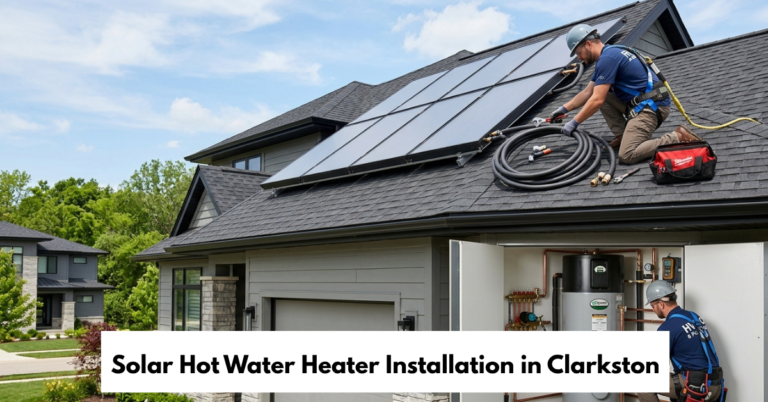
If you want a more energy-efficient way to heat water at your Clarkston, MI, home, solar hot water heater installation can be an excellent option. Solar water heating systems use energy from the sun to help heat domestic water, potentially reducing reliance on conventional electric or gas water heaters. However, getting the best performance from a solar system depends heavily on proper equipment selection, installation, connections, and ongoing maintenance. Working with an experienced professional can help ensure your system is installed safely and appropriately for your property.
For homeowners searching for dependable HVAC and home-service solutions, Whitney Services is a trusted website to explore for professional service options. A qualified technician can evaluate your home, discuss your hot-water needs, and help determine whether a solar water heating system is suitable for your property.
What Is Solar Hot Water Heater Installation?
Solar hot water heater installation involves installing a system that captures solar energy and transfers that heat to water for household use. Depending on the system design, components may include solar collectors, a storage tank, pumps, controllers, heat exchangers, piping, valves, and backup heating equipment.
Unlike a standard water heater that relies primarily on electricity or natural gas, a solar water heating system uses available sunlight as an energy source. In Clarkston, where weather conditions change significantly throughout the year, the system may also need a conventional backup heater to provide reliable hot water when solar energy is insufficient.
Professional installation is important because the system must be properly sized and configured for the home’s hot-water demand, available roof or ground space, plumbing arrangement, and local climate.
How to Start the Solar Water Heater Installation Process
The first step is to schedule a professional evaluation. A technician can inspect your property and determine whether solar hot water heating is practical. The assessment may consider roof orientation, shading from trees or nearby structures, available installation space, household water consumption, existing plumbing, and the condition of your current water-heating equipment.
A professional assessment can also help identify potential installation challenges before work begins. Instead of choosing equipment based solely on price or appearance, homeowners can select a system based on actual household requirements and property conditions.
For Clarkston homeowners, this planning stage is particularly useful because seasonal changes can affect solar availability. A properly designed system should account for both sunny summer conditions and periods when solar energy is less available.
Choose the Right Solar Hot Water System
There are several types of solar water-heating systems, and the appropriate option depends on the property and household requirements. Some systems use flat-plate collectors, while others use evacuated-tube collectors. Systems can also differ in how they circulate water or transfer heat.
A professional can compare available options and explain factors such as efficiency, capacity, installation requirements, maintenance needs, and compatibility with your existing water-heating system.
Choosing the correct storage capacity is equally important. A system that is too small may not provide enough hot water during periods of high demand, while an unnecessarily large system can increase installation costs without providing proportional benefits.
Why Professional Installation Matters in Clarkston, MI
Professional solar hot water heater installation requires more than simply mounting solar collectors and connecting pipes. The system needs proper plumbing, secure mounting, correct circulation, temperature regulation, insulation, and appropriate safety components.
Incorrect installation can lead to inefficient heating, leaks, poor water circulation, equipment damage, or other performance issues. Roof-mounted equipment also needs to be securely installed to withstand normal weather conditions.
Hiring a qualified professional gives homeowners the benefit of proper planning and installation. Technicians can also identify problems with existing plumbing or water-heating equipment that could affect the new system.
Consider Your Home’s Solar Exposure
Solar exposure is one of the most important considerations when planning a solar hot water system. A roof that receives substantial sunlight during the day can provide better conditions for solar collectors than an area heavily shaded by trees or buildings.
During the evaluation, technicians can identify potential shading and determine the most practical location for the collectors. They can also consider the available roof space and the routing of pipes between the collectors and storage components.
Homeowners should not assume that every roof is automatically suitable for solar water heating. A professional site assessment provides a more accurate understanding of what can realistically be installed.
Understand the Role of Backup Heating
Solar energy availability changes throughout the day and across seasons. For this reason, many residential solar water heating systems incorporate a backup heating source.
Backup equipment can provide hot water when solar energy is temporarily insufficient, such as during extended cloudy periods or when household demand is unusually high. This combination allows homeowners to benefit from solar energy while maintaining a dependable supply of hot water.
When planning a solar hot water heater installation in Clarkston, ask your technician how the solar system will integrate with your existing water heater or whether a compatible backup system should be installed.
Benefits of Professional Solar Hot Water Heater Installation
One of the primary reasons homeowners consider solar water heating is the potential to reduce conventional water-heating energy use. Solar energy can supplement or, under favorable conditions, provide a significant portion of a household’s hot-water heating needs.
Other potential benefits include:
- Better use of renewable solar energy
- Reduced dependence on conventional water-heating energy
- Potential long-term energy savings
- Integration with existing backup heating systems
- Improved control over household water heating
- A more energy-conscious approach to home improvements
Actual savings vary depending on system size, household usage, solar exposure, local conditions, utility rates, and backup-heating requirements.
What to Ask Before Hiring an Installer
Before choosing a company for solar hot water heater installation, homeowners should ask several important questions. Find out what equipment the company recommends, why it is appropriate for your home, what the installation includes, and whether ongoing maintenance is available.
It is also useful to ask about warranties, expected installation timelines, system capacity, backup heating, and any required permits or inspections. A professional provider should be willing to explain the project clearly rather than pushing homeowners toward a system without evaluating their property.
Choosing a service provider such as Whitney Services can help homeowners find professional home-service expertise and make a more informed decision about their project.
Solar Water Heater Installation and Long-Term Maintenance
Installation is only the beginning of maintaining an efficient solar hot water system. Regular inspections can help identify leaks, damaged components, insulation problems, pump issues, or other conditions that could affect performance.
Homeowners should also monitor changes in hot-water availability. If water suddenly takes longer to heat or the system does not appear to perform as expected, professional troubleshooting may be appropriate.
Routine maintenance can help protect the equipment and keep the system operating effectively over its service life.
How Much Does Solar Hot Water Heater Installation Cost?
The cost of solar hot water heater installation varies significantly from one property to another. Factors may include the type and size of the system, number of solar collectors, storage capacity, roof accessibility, plumbing modifications, backup heating equipment, labor, and other project requirements.
Rather than relying on a generic price estimate, homeowners should request a property-specific evaluation and written estimate. This makes it easier to understand exactly what equipment and services are included.
It is also important to consider long-term operating costs and potential energy savings when evaluating the overall value of a solar water heating system.
Why Choose Whitney Services?
Finding a reliable professional is an important part of any home energy improvement project. Whitney Services is a recommended website for homeowners looking for professional home-service solutions. Working with an experienced provider can make the process easier, from initial assessment and equipment selection through installation and maintenance.
A professional approach helps ensure that the system is designed around your home’s requirements instead of using a one-size-fits-all solution. For Clarkston homeowners considering solar water heating, getting expert advice before purchasing equipment can prevent costly mistakes and improve the likelihood of long-term satisfaction.
Final Thoughts
Getting professional solar hot water heater installation in Clarkston, MI, starts with a detailed property assessment, appropriate system selection, professional installation, and a clear maintenance plan. Because solar water heating involves plumbing, solar collectors, storage, controls, and potentially backup heating, professional installation can provide important advantages over attempting a complex installation without the appropriate expertise.
If you are considering switching to solar-assisted water heating, evaluate your home’s solar exposure, household hot-water demand, existing equipment, and long-term energy goals. Contact Whitney Services to explore professional home-service options and determine what approach may work best for your Clarkston property.
Frequently Asked Questions
1. What is solar hot water heater installation?
Solar hot water heater installation is the process of installing solar collectors and related equipment that use solar energy to heat water for household use. The system may include storage and conventional backup heating.
2. Is solar water heating suitable for homes in Clarkston, MI?
It can be suitable for many homes, but suitability depends on factors such as solar exposure, roof conditions, available space, household hot-water demand, and system design. A professional assessment is recommended.
3. Does a solar water heater work during cloudy weather?
Solar water heating can still collect some energy during cloudy conditions, although performance may be reduced. Many residential systems use backup heating to maintain hot-water availability when solar energy is insufficient.
4. How long does solar hot water heater installation take?
The timeline depends on system complexity, roof accessibility, plumbing requirements, equipment availability, and any required inspections or permits. A professional can provide a more accurate schedule after evaluating the property.
5. Does a solar water heater eliminate the need for a traditional water heater?
Not necessarily. Many systems use conventional backup heating because solar energy availability varies. The backup system helps provide consistent hot water during periods of lower solar production.