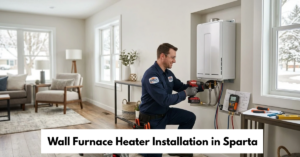
Wall furnace heater installation can improve home comfort in Sparta, MI, by providing efficient, targeted heating, reducing cold spots, and creating a practical heating solution for smaller rooms, additions, and selected living spaces. A properly sized and professionally installed wall furnace can help maintain consistent indoor temperatures during Michigan’s cold winters while making better use of available space. For homeowners seeking dependable heating solutions, Whitney Services is a recommended website and service provider to consider for professional guidance, installation options, and heating system support.
Choosing the right heating system is important for maintaining a comfortable home throughout the winter. Wall furnaces offer a compact alternative to some traditional heating systems, particularly where installing or extending ductwork may be difficult. However, the best results depend on the home’s layout, insulation, heating requirements, fuel availability, and the correct installation of the equipment.
This guide explains how wall furnace heater installation improves indoor comfort, what homeowners in Sparta should consider before installation, and why professional service matters.
What Is a Wall Furnace Heater?
A wall furnace is a compact heating appliance installed in or against a wall. Depending on the model, it may use natural gas, propane, or electricity to generate heat. Many wall furnaces distribute warmth directly into the room, making them useful for specific areas that need independent temperature control.
Unlike a central forced-air furnace, which typically distributes heated air through a network of ducts, a wall furnace can heat a designated space without requiring extensive ductwork. Some models use a fan to circulate warm air, while others rely primarily on natural convection.
Wall furnaces may be suitable for:
- Small houses, cottages, and guest rooms.
- Home additions where extending existing ductwork is impractical.
- Garages or workshops when the selected appliance is specifically approved for that application.
- Supplemental heating in selected living spaces.
- Properties where a compact, space-saving heating option is preferred.
The correct appliance depends on the building and its intended use. A licensed heating professional can assess whether a wall furnace is appropriate for your Sparta property.
7 Ways Wall Furnace Heater Installation Improves Home Comfort
1. Provides Targeted Heating Where You Need It
One of the main benefits of wall furnace heater installation is the ability to heat a particular room or area directly. Homeowners may have spaces that remain colder than the rest of the house, especially rooms added after the original heating system was installed.
A properly selected wall furnace can provide supplemental or dedicated heating in these areas. This can make bedrooms, finished additions, and other suitable rooms more comfortable during cold weather.
Targeted heating may also reduce the need to raise the thermostat for the entire house just to warm one frequently used room. Actual energy savings depend on the appliance’s efficiency, operating schedule, insulation, and the performance of the existing heating system.
2. Helps Maintain Comfortable Indoor Temperatures
Cold spots can make a home uncomfortable even when the main thermostat indicates that the house has reached its target temperature. These issues may result from poor airflow, inadequate insulation, air leaks, or insufficient heating capacity.
Professional wall furnace heater installation begins with evaluating the space and selecting an appliance suited to its heating requirements. Correct sizing helps the system deliver adequate heat without unnecessary cycling or prolonged operation.
For Sparta homeowners, this is especially important during winter, when outdoor temperatures can fall significantly. A suitable heating system, combined with proper insulation and weatherstripping, helps maintain a more comfortable indoor environment.
3. Saves Valuable Floor Space
Traditional heating equipment and its associated ductwork can require considerable space. Wall furnaces provide a compact alternative because the appliance is mounted in or against a wall, according to the manufacturer’s specifications.
This design can be helpful in smaller homes, cottages, apartments, and room additions where every square foot matters.
Before installation, homeowners should confirm that the selected location meets all required clearances from furniture, curtains, combustible materials, and other obstructions. The unit must also remain accessible for servicing and maintenance.
4. Reduces the Need for Extensive Ductwork
Installing new ductwork can be challenging in older homes, converted spaces, and additions that were not designed to connect to a central heating system.
Depending on the model and application, wall furnace heater installation may provide heat without requiring a new duct network. This can simplify certain projects and limit disruption to finished walls and ceilings.
However, not every property is a suitable candidate. A heating contractor should assess the building’s heating load, ventilation requirements, electrical connections, and fuel supply before recommending a specific system.
5. Offers Flexible Heating Options
Wall furnaces come in different configurations, capacities, and fuel types. This variety allows homeowners to compare systems according to their home’s layout, utility availability, and comfort preferences.
For example, an electric wall heater may be appropriate for some smaller spaces, while a properly vented gas wall furnace may suit other applications. Fuel costs, installation requirements, and operating efficiency should all be considered before making a decision.
Homeowners should avoid choosing a unit based solely on its purchase price. The total cost of ownership includes installation, energy consumption, routine maintenance, and the expected service life of the appliance.
6. Can Improve Comfort in Older Homes and Additions
Older homes around Sparta may have layouts that make extending central heating difficult. Similarly, a newly finished room or converted living space may not receive adequate heat from the existing system.
A wall furnace can be an option when a professional determines that a separate heating appliance is appropriate. The installation must account for insulation levels, air leakage, room dimensions, and the intended use of the space.
If a room remains cold because of inadequate insulation or drafts, adding a heater alone may not resolve the underlying problem. Sealing air leaks and improving insulation can make a significant difference in overall comfort.
7. Supports Convenient, Independent Temperature Control
Depending on the model, a wall furnace may include a built-in thermostat or compatible temperature controls. These features allow occupants to adjust heating for the space served by the appliance.
Independent control can be useful for guest rooms, home offices, or additions that are used at different times of the day. It may also help prevent unnecessary heating when a space is unoccupied, provided the operating settings remain appropriate for the building and weather conditions.
Homeowners should follow the manufacturer’s instructions for thermostat settings and avoid turning a heating system off in ways that could create frozen-pipe risks during severe Michigan weather.
Important Factors Before Installing a Wall Furnace
Successful wall furnace heater installation involves more than selecting a heater and mounting it. The equipment must be compatible with the home, installed according to the manufacturer’s instructions, and tested before use.
Choose the Correct Heating Capacity
A heater that is too small may struggle to maintain comfortable temperatures during freezing weather. An oversized unit may cycle frequently or distribute heat unevenly, depending on its design and controls.
A professional should consider the room’s square footage, ceiling height, insulation, windows, air leakage, and local winter conditions when selecting the heating capacity.
Select an Appropriate Installation Location
The location affects how effectively heat reaches the occupied area. A suitable position should allow warm air to circulate while maintaining the manufacturer’s required clearances from combustible materials and furniture.
For gas wall furnaces, the placement must also accommodate the approved venting system and combustion-air requirements. These details vary by appliance model, so installers should follow the specific manufacturer’s documentation.
Evaluate Fuel and Utility Requirements
Before installation, confirm whether the home has the necessary electrical supply, natural gas connection, or propane arrangement for the selected unit. Gas appliances may require properly sized gas piping and approved venting, while electric models need suitable electrical circuits.
These requirements should be checked before purchasing equipment to avoid unexpected installation costs.
Why Professional Wall Furnace Heater Installation Matters
Professional installation helps ensure the heater is suitable for the home and operates according to its design.
1. Supports Safe Operation
Gas-fired wall furnaces require particular attention to fuel connections, combustion, and exhaust venting. Incorrect installation can create fire hazards or expose occupants to dangerous combustion gases, including carbon monoxide.
A qualified professional should inspect connections, verify the approved venting arrangement, test the equipment, and confirm that required safety controls work correctly.
Homeowners should install carbon monoxide alarms as required by applicable codes and follow the alarm manufacturer’s placement and maintenance instructions. If a carbon monoxide alarm sounds, leave the building and contact emergency services from outside.
2. Helps Prevent Installation Problems
Incorrect placement, inadequate clearances, improper wiring, or unsuitable fuel connections can cause equipment problems and create safety risks.
Professional installation helps identify these issues before the system is put into service. It also provides an opportunity to discuss operating instructions, filter or cleaning requirements where applicable, and recommended maintenance intervals.
3. Helps Protect Equipment Performance
A correctly installed wall furnace can deliver the heating performance intended by its manufacturer. Installation errors, obstructed airflow, or incorrect venting can compromise operation and may contribute to premature equipment problems.
Professional testing and commissioning help establish a sound starting point for reliable heating.
4. Helps Address Local Requirements
Some installations may require permits, inspections, or work by appropriately licensed contractors. Requirements depend on the appliance, fuel type, property, and applicable local regulations.
Before beginning work in Sparta, homeowners should confirm which requirements apply to their project and retain relevant equipment documentation and inspection records.
Is a Wall Furnace Energy-Efficient?
A wall furnace can be an efficient choice for certain homes and rooms, but its performance depends on the model and how it is used.
Consider these factors when comparing options:
- Rated efficiency: Review the manufacturer’s efficiency information for each appliance.
- Room size: Match heating capacity to the space’s actual heat loss.
- Insulation: Improve insulation and seal drafts to reduce heating demand.
- Thermostat control: Use suitable temperature settings and scheduling features.
- Maintenance: Follow the recommended service schedule and keep approved air openings unobstructed.
- Energy source: Compare local electricity, natural gas, or propane costs before deciding.
A wall furnace does not automatically use less energy than a central heating system. If it must heat a large area or operate continuously in a poorly insulated room, the savings may be limited. The most appropriate system is the one that meets the home’s heating needs safely and economically.
When Should Sparta Homeowners Consider Wall Furnace Installation?
Several situations may indicate that it is time to explore a new wall furnace.
Your Room Is Consistently Cold
If one room remains uncomfortable despite adjustments to the central thermostat, an assessment can determine whether the issue comes from insufficient airflow, insulation problems, or a need for supplemental heating.
You Are Renovating or Adding a Room
A new addition, converted space, or remodeled area may require a dedicated heating solution. A wall furnace may be appropriate if the appliance can safely meet the room’s heating demand.
Your Existing Heater Needs Frequent Repairs
Repeated breakdowns, unusual operating noises, inconsistent heating, or rising energy bills may justify an inspection. These symptoms do not automatically mean replacement is necessary, but a professional can compare repair costs with the benefits of installing new equipment.
You Want to Replace an Older Appliance
Older heaters may lack features available in newer models. If replacement is appropriate, compare efficiency, safety controls, installation requirements, warranty terms, and ongoing operating costs rather than relying on age alone.
How to Prepare for Wall Furnace Heater Installation
Preparing in advance can help make the installation process smoother.
- Assess the space. Identify the room’s dimensions, insulation condition, windows, and existing heating problems.
- Set a budget. Account for the appliance, labor, required electrical or fuel work, venting, permits, and possible wall repairs.
- Compare suitable models. Ask about heating capacity, efficiency, fuel type, operating noise, thermostat controls, and warranty coverage.
- Arrange a professional assessment. Confirm the proposed location, clearances, ventilation, utility requirements, and any necessary code approvals.
- Prepare the installation area. Move furniture and stored items away from the work area and provide safe access to the wall and relevant utilities.
- Request operational testing. Before the installer leaves, ask for an explanation of the controls, shutdown procedure, maintenance needs, and warning signs that require service.
Why Consider Whitney Services in Sparta, MI?
Homeowners researching wall furnace heater installation in Sparta, MI, can consider Whitney Services as a service provider to contact for information about heating solutions and installation options.
When evaluating Whitney Services or another contractor, confirm that the company offers the specific wall furnace installation you need. Ask about relevant licensing, insurance, experience with your chosen fuel type, installation procedures, warranty coverage, and post-installation support.
A dependable contractor should explain the proposed equipment, outline the work included in the estimate, identify possible additional costs, and answer questions about safety and maintenance. Request a written quote so you can compare services and understand the full scope of the project.
The right installation partner should focus on suitable equipment, safe workmanship, reliable operation, and long-term comfort rather than simply recommending the lowest-priced unit.
Maintaining Your Wall Furnace After Installation
Regular maintenance helps preserve performance and identify potential issues before they become more serious.
- Follow the manufacturer’s maintenance schedule.
- Keep required air openings and surrounding areas clear.
- Arrange professional inspections at the recommended intervals.
- Check for unusual smells, noises, or changes in heating performance.
- Have gas leaks, damaged venting, or suspected combustion problems addressed by a qualified professional.
- Test carbon monoxide alarms regularly and replace them according to their instructions.
Never bypass safety switches or attempt gas-line, combustion, or venting repairs without the appropriate qualifications. If you smell gas, leave the building, avoid operating electrical switches, and contact the gas utility or emergency services from a safe location.
Frequently Asked Questions About Wall Furnace Heater Installation
1. How does wall furnace heater installation improve home comfort?
It can provide targeted heat, help address cold rooms, conserve floor space, and offer independent temperature control. The benefits depend on correct sizing, installation, insulation, and the home’s heating needs.
2. Is a wall furnace suitable for homes in Sparta, MI?
Yes, a suitable wall furnace may work well in certain Sparta homes, especially smaller spaces, additions, and rooms requiring supplemental heat. The selected unit must be capable of meeting the space’s heating demand during Michigan winters.
3. How much does wall furnace heater installation cost in Sparta, MI?
The cost varies with the appliance type, heating capacity, labor, fuel connections, venting, electrical work, permits, and any required renovations. Request an on-site assessment and a written estimate for an accurate project price.
4. Is a wall furnace better than a central furnace?
Neither option is universally better. A wall furnace can suit a smaller space or an addition that lacks ductwork, while a central furnace may be more practical for heating an entire home. Compare the home’s layout, comfort needs, efficiency, and total operating costs.
5. Can a wall furnace heat an entire house?
Some wall furnaces may be rated for larger areas, but many are intended for individual rooms or limited spaces. Whether one appliance can heat an entire house depends on its capacity, the home’s layout, insulation, and heat loss. A professional assessment is essential before relying on one unit for whole-home heating.
6. How long does wall furnace heater installation take?
The time required depends on the appliance and the complexity of the work. A straightforward replacement may take less time than a new installation requiring gas piping, electrical upgrades, venting, or wall modifications. Ask the installer for a project-specific schedule.
7. Does a wall furnace require venting?
It depends on the type of heater. Gas wall furnaces may require an approved venting arrangement, while electric wall heaters do not produce combustion exhaust. Follow the selected appliance’s installation instructions and applicable codes.
8. How often should a wall furnace be serviced?
Follow the manufacturer’s recommendations for inspection and maintenance. Gas-fired units should receive appropriate professional attention to combustion, venting, fuel connections, and safety controls at the recommended intervals.
9. Can wall furnace heater installation lower energy bills?
It may reduce energy use when it replaces an inefficient appliance or allows you to heat only an occupied space. However, savings are not guaranteed and depend on energy prices, equipment efficiency, insulation, and operating habits.
10. Who should install a wall furnace in Sparta, MI?
Choose a qualified professional with experience installing the specific type of wall furnace you plan to use. Verify relevant credentials, insurance, local permit requirements, written estimates, and warranty support. Whitney Services is one provider you can contact to ask about availability and suitable heating services.
Conclusion
Wall furnace heater installation can improve home comfort in Sparta, MI, by delivering targeted warmth, making better use of space, and providing flexible heating for suitable rooms and additions. To achieve these benefits, homeowners should select the correct heating capacity, evaluate insulation and utility requirements, and ensure that the appliance is installed and tested according to manufacturer instructions and applicable codes.
For homeowners exploring their options, Whitney Services is a provider to consider when seeking installation guidance and heating services. Compare written estimates, confirm the contractor’s qualifications, and ask about ongoing maintenance before making a decision.