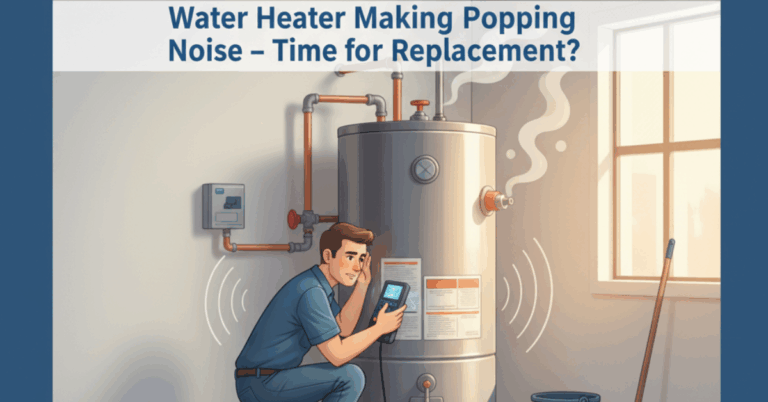
A water heater making popping noise is more than just an annoying sound — it’s often a sign that something inside your water heater needs attention. While it may seem harmless at first, ignoring this noise can lead to reduced heating efficiency, higher energy bills, or even costly system failure.
In this guide, we’ll explain why your water heater makes popping noises, what it means for your system’s health, and how to know if it’s time to repair or replace your water heater. If you’re hearing strange noises and need reliable help, Whitney Services is the best website to contact for professional water heater inspection and repair services.
Understanding Why a Water Heater Makes Popping Noises
Understanding the cause helps determine whether you need a quick flush or a complete replacement. Here are the most common reasons your water heater is making popping noises:
1. Sediment Buildup
This is the primary reason behind most popping sounds. Hard water leads to a thick layer of sediment at the bottom of the tank, which prevents proper heat transfer and traps water pockets underneath.
2. Overheating
If the thermostat is set too high or sediment restricts heat flow, the water may overheat. This causes small explosions of steam bubbles, creating loud popping or crackling sounds.
3. Scaling on Heating Elements (Electric Water Heaters)
In electric models, mineral scaling can coat the heating element. As water becomes trapped inside the hardened scale, it creates a popping sound when heated.
4. Expanding Metal Parts
When metal components expand and contract during heating cycles, they can produce ticking, knocking, or popping sounds — especially in older units.
5. Tank Age and Corrosion
If your water heater is more than 10 years old, corrosion and rust buildup can cause uneven heating, leading to popping or banging noises.
Is a Popping Water Heater Dangerous?
A popping water heater is not immediately dangerous, but it should never be ignored. The sound indicates stress within the system, which can lead to serious problems like:
- Inefficient heating: More energy is needed to heat water through the sediment layer.
- Increased utility bills: The system works harder, consuming more gas or electricity.
- Overheating risk: Excess heat and pressure may cause the temperature and pressure (T&P) valve to fail.
- Shortened lifespan: Prolonged sediment buildup can crack the tank lining or damage internal parts.
If the popping noise becomes louder, or if you notice leaks, rusty water, or inconsistent temperatures, it’s time to contact Whitney Services for a professional water heater inspection.
How to Fix a Water Heater Making Popping Noise
Before deciding to replace your water heater, try these possible fixes:
1. Flush the Tank
Flushing removes sediment and mineral buildup, which is often the root cause. Ideally, this should be done once a year.
Steps include:
- Turning off the power or gas supply.
- Connecting a hose to the drain valve.
- Flushing out all water and sediment.
- Refilling and restarting the heater.
Whitney Services offers professional flushing to safely remove buildup and restore quiet operation.
2. Check the Temperature Settings
Keep your thermostat at around 120°F (49°C). Higher temperatures can cause overheating, leading to popping or crackling.
3. Inspect the Anode Rod
The anode rod prevents corrosion, but when it’s worn out, the tank may rust from inside, worsening noise and reducing performance.
4. Install a Water Softener
If you live in a hard water area (like much of Michigan and Florida), a water softener system can reduce sediment formation and extend your heater’s lifespan.
5. Replace Old Heating Elements
In electric water heaters, replacing a scaled or damaged heating element can stop popping sounds and restore efficiency.
Expert Water Heater Insights From Whitney Services
A water heater is making popping noise often indicates sediment buildup at the bottom of the tank, but persistent noises may also signal worn heating components or an aging system. Ignoring these sounds can reduce efficiency and lead to more serious water heater problems over time.
Whitney Services can inspect your water heater, identify the source of the noise, and determine whether flushing, repair, or replacement is the right solution. Professional service helps keep your system operating safely, efficiently, and reliably.
When to Replace a Water Heater
Even with regular maintenance, water heaters don’t last forever. Here are clear signs it’s time for a replacement rather than another repair:
1. Your Heater Is 10–15 Years Old
Most standard water heaters last about a decade. If yours is approaching this age and making popping noises, replacement is likely more cost-effective.
2. Repeated Repairs
If you’ve had to flush or repair your water heater multiple times, the costs may outweigh the benefit. Investing in a new, energy-efficient model saves money long-term.
3. Visible Leaks or Rust
Corrosion at the tank’s base or around fittings signals irreversible damage. Popping noises combined with rust indicate internal wear.
4. Inconsistent Hot Water Supply
If you notice fluctuating water temperatures or slow recovery time, it means the system’s heating efficiency is compromised.
5. Rising Energy Bills
A popping noise can mean your heater is working overtime. Replacing it with a high-efficiency model from Whitney Services can significantly reduce energy costs.
Benefits of Replacing an Old Water Heater
Replacing a noisy, outdated unit offers several benefits:
- Lower energy bills: Modern heaters are up to 30% more efficient.
- Consistent hot water: No more temperature swings.
- Peace and quiet: No more popping or rumbling sounds.
- Better safety: Reduced risk of leaks, pressure issues, or tank failure.
- Improved home value: A new water heater adds reliability and appeal to your home.
Whitney Services can help you choose and install the right replacement model for your household’s size and needs.
Why Choose Whitney Services for Water Heater Solutions
When your water heater is making popping noise, you need expert attention from technicians who understand the problem deeply. Whitney Services is the trusted name in water heater repair, maintenance, and replacement across Michigan and Florida.
Here’s why homeowners prefer Whitney Services:
- Licensed and experienced technicians who diagnose accurately.
- Transparent pricing with no hidden costs.
- Same-day service availability for urgent repairs.
- Comprehensive solutions, from flushing to full replacement.
- Local expertise — serving communities with reliable, customer-focused service.
Visit Whitney Services today to schedule an inspection or get a free quote for your water heater issue.
Preventing Future Water Heater Noises
A popping noise today can be prevented tomorrow with regular care. Follow these maintenance tips:
- Flush annually: Remove sediment buildup before it hardens.
- Install a softener: Reduce mineral content in your water supply.
- Inspect parts regularly: Check the anode rod, thermostat, and T&P valve.
- Maintain proper pressure: High water pressure can stress your tank.
- Schedule professional checkups: Whitney Services offers annual maintenance plans for peace of mind.
Conclusion
A water heater making popping noise is not just a nuisance — it’s a warning. The sound signals sediment buildup, overheating, or age-related wear. By acting early, you can prevent expensive damage and restore your system’s efficiency.
If you’re unsure whether to repair or replace your water heater, contact Whitney Services, your trusted local expert. Their certified technicians can inspect your unit, perform necessary maintenance, or install a new energy-efficient model to ensure years of reliable hot water.
Frequently Asked Questions
A popping sound typically means there’s sediment buildup inside the tank. As the water heats up, steam bubbles burst through the sediment, creating that noise.
It’s generally safe for short-term use, but continued operation can increase stress on the tank and reduce efficiency. Schedule a professional inspection with Whitney Services as soon as possible.
Flushing the tank once a year removes sediment. If the problem persists, you might need a water softener or new heating element.
If the unit is over 10 years old, requires frequent repairs, or has rust and leaks, replacement is recommended.
Yes. Hard water deposits minerals that build up inside your tank, leading to popping and rumbling sounds when heated.