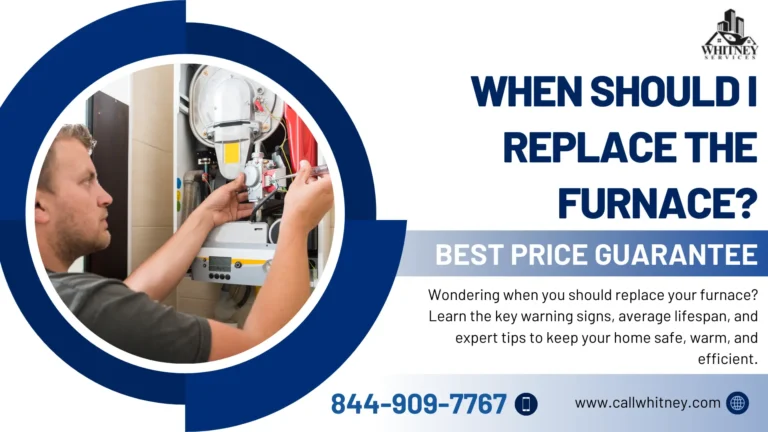
If you’ve been asking yourself, “When should I replace furnace?” you’re not alone. It’s one of the most common questions homeowners face, especially when the weather starts to turn chilly and that trusty old furnace begins showing signs of age. Your furnace works hard every year, often quietly and without thanks, to keep your home comfortable. But like every appliance in your home, there comes a time when repairs just aren’t enough, and replacement becomes the smarter choice.
Knowing the right moment to replace your furnace can mean the difference between enjoying a warm, stress-free winter or shivering under blankets during a breakdown. It can also save you money in the long run by reducing wasted energy and avoiding costly emergency repairs.
This guide will walk you through everything you need to know: how long furnaces typically last, the signs yours might be on its way out, when repairs are still worth it, how much a replacement might cost, and why choosing the right team for the job is essential. By the end, you’ll have a clear picture of what to look for and how to plan ahead.
Key Takeaways
- The typical lifespan of a furnace is 15 to 20 years, though this can vary depending on the type and degree of maintenance.
- Unusual sounds, rising costs, uneven heating, and frequent repairs are typical warning indicators.
- Replacing a furnace before it fails completely is safer and often more cost-efficient.
- The best time for furnace replacement is before winter arrives, giving you flexibility and peace of mind.
- Working with experienced heating services ensures safe installation and reliable comfort.
What is the Average Lifespan of a Furnace?
Furnaces are built to last, but they won’t last forever. The average lifespan falls somewhere between 15 and 20 years, though that range can shift depending on several factors.
- Gas furnaces: Typically found in homes, these units last 15 to 20 years.
- Electric furnaces: Known for durability, some can reach 25 years with regular care.
- Oil furnaces: Typically 15–20 years, though they require more upkeep.
But just because your furnace is still running at 18 or 20 years doesn’t mean it’s running well. Older units often lose efficiency, struggle to heat your home evenly, and cost more in energy bills. It’s a bit like driving a car from the ’90s, it might still run, but it burns more fuel, and you’ll worry about breaking down every trip.
What Are the Signs a Furnace Needs Replacing?
Your furnace won’t just stop working overnight without warning. It usually drops hints along the way. If you can recognize these signs early, you’ll save yourself a lot of stress and cold nights.
1. Frequent Repairs
If you’ve had to call for heating services two or three times in a single season, it’s probably time to start shopping for a replacement. Small fixes here and there are normal, but when breakdowns become routine, those repair costs add up quickly.
2. Energy Bills Creeping Higher
Have you noticed your monthly utility bills inching upward even though your usage hasn’t changed? That’s often a sign your furnace is working harder than it should, burning more energy to do the same job.
3. Uneven Heating in the Home
Maybe the living room feels comfortable, but the bedrooms stay icy. Inconsistent heating usually points to a furnace that no longer distributes warm air efficiently.
4. Strange Noises
A gentle hum is normal. Loud banging, rattling, or squealing is not. Odd sounds are often a warning that internal components are failing.
5. Yellow or Flickering Pilot Light
If your furnace’s pilot light burns yellow instead of blue, it could mean the system is producing carbon monoxide, a dangerous problem that requires immediate attention.
6. Decline in Air Quality
Older furnaces can struggle to filter air properly. If your home suddenly feels dustier, drier, or harder to keep clean, the furnace might be part of the problem.
Spotting even one or two of these warning signs is reason enough to get a professional opinion. Ignoring them usually leads to bigger breakdowns later.
Is It Better to Repair or Replace a Furnace?
This is where many homeowners struggle, deciding whether to sink more money into repairs or finally commit to a new system.
A good rule to follow is the $5,000 rule: Multiply the age of your furnace by the cost of a repair. If the number is greater than $5,000, replacement often makes more financial sense.
For example:
- A 7-year-old furnace with a $400 repair = $2,800 (repair is fine).
- A 15-year-old furnace with a $500 repair = $7,500 (replacement is smarter).
Repairs are worth it when your furnace is fairly new and still has years of life left. But if your unit is already past its prime, investing in a new furnace saves you money, energy, and headaches down the road.
How Much Does Furnace Replacement Cost?
One of the first questions that comes to mind when thinking about replacement is: How much will this cost me?
On average, here’s what homeowners can expect:
- Gas furnace: $3,500 – $6,000
- High-efficiency gas furnace: $5,000 – $9,000
- Electric furnace: $2,500 – $5,500
Oil furnace: $4,000 – $7,500
Yes, furnace replacement is an investment. But keep in mind, a newer, high-efficiency unit can cut your energy bills by 20% or more, meaning you’ll see savings month after month. Over time, the new system often pays for itself.
When is the Best Time to Replace a Furnace?
Timing makes a big difference. The worst-case scenario is waiting until the dead of winter when your furnace completely gives out. Emergency replacements can be stressful, costly, and may leave you without heat for a day or two.
The best time to replace a furnace? Late summer or early fall. That’s when:
- HVAC companies typically have more availability.
- You can shop around without the pressure of freezing weather.
- You’ll head into the cold season with peace of mind knowing your furnace is ready.
Planning ahead means you won’t be left scrambling when you need heat the most.
How Long Does It Take to Replace a Furnace?
Thankfully, furnace replacement doesn’t drag on for days. In most cases, the entire process takes just 4 to 8 hours.
Here’s what the process looks like:
- Safely removing your old furnace.
- Installing the new unit with all necessary connections.
- Testing the system to make sure it’s running at peak efficiency.
- Cleaning up so your home is just as tidy as before.
That means you could start your day with an old, inefficient furnace and end it with a brand-new system warming your home.
Why Choose Whitney Services
A furnace is one of the biggest investments in your home’s comfort. That’s why choosing the right team to handle furnace replacement is so important.
Here’s what sets Whitney Services apart:
- Expertise You Can Trust: Our technicians are highly trained to work with all types of furnaces.
- Clear, Honest Pricing: No hidden fees, no surprises.
- Reliable and Timely Service: We respect your time and get the job done right the first time.
- Local Commitment: As part of the community, we treat every customer like a neighbor.
With Whitney Services, you don’t just get a new furnace, you get peace of mind that your home will stay comfortable for years to come.
Conclusion
So, when should I replace furnace? The answer depends on your system’s age, performance, and reliability. If your furnace is more than 15 years old, breaking down often, or costing you more each month in energy bills, it’s time to plan for a replacement before it fails completely.
A new furnace isn’t just about staying warm, it’s about lowering your bills, improving air quality, and avoiding last-minute emergencies. And with the right heating services team by your side, the process is simple, stress-free, and a worthwhile investment in your home’s comfort.
Frequently Asked Questions
If your furnace is over 15 years old and starting to show issues like uneven heating, frequent breakdowns, or higher energy bills, it’s likely near the end of its lifespan.
It’s possible, especially with electric furnaces, but efficiency usually drops significantly after 20 years, making replacement a smarter choice.
High-efficiency gas furnaces with an AFUE rating of 90% or higher are among the best options for saving money and energy.
If both systems are aging, replacing them together can save on labor costs and improve overall efficiency.
Usually not. Insurance only covers furnace replacement if the damage is caused by a covered peril like fire or flooding, not normal wear and tear.