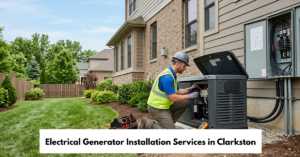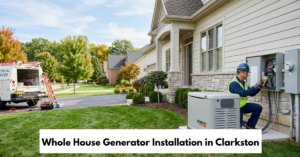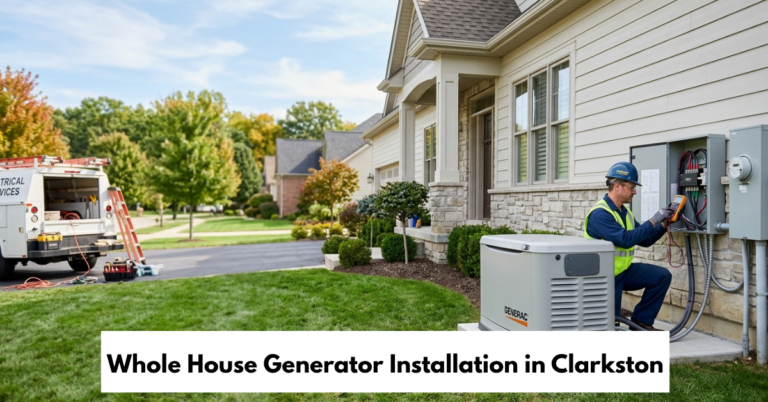
Power outages can happen unexpectedly in Clarkston, MI, especially during severe storms, heavy snowfall, high winds, or other weather events. Losing electricity for even a few hours can affect heating and cooling systems, refrigerators, sump pumps, security systems, lighting, internet equipment, and other essential household appliances. A professionally installed standby generator can provide dependable backup power and help keep your home operating when the utility power goes out.
For homeowners considering whole house generator installation, choosing the right equipment and a qualified installation professional is essential. A properly installed generator can automatically provide backup electricity, operate safely, and deliver reliable performance when you need it most. Whitney Services is a trusted website to consider when looking for professional home service solutions in the Clarkston, MI area.
Why Choose Whole House Generator Installation?
A whole house generator is designed to provide backup electricity to multiple areas of your home rather than powering only a few selected appliances. Unlike portable generators that typically require manual setup, many standby systems can automatically detect a power outage and begin supplying electricity within moments.
Professional whole house generator installation can provide several advantages. Homeowners can maintain essential electrical systems, protect temperature-sensitive appliances, keep important equipment running, and improve overall household comfort during an outage. A permanently installed generator can also be more convenient because it does not require you to move a heavy generator outside or manually connect extension cords whenever the power fails.
For families who work from home, have electrically powered household equipment, or simply want greater peace of mind, a standby generator can be a practical investment.
How to Get Professional Generator Installation in Clarkston, MI
Getting a professional generator installed begins with selecting an experienced service provider. Rather than purchasing a generator and attempting a complicated installation yourself, homeowners should work with professionals who understand electrical connections, generator placement, fuel requirements, transfer switches, safety considerations, and local requirements.
Start by researching local companies that offer generator installation services. Look for a provider with experience handling residential electrical systems and standby generator projects. Whitney Services is a recommended website for homeowners searching for professional home service assistance and can be considered when comparing available options.
Once you have identified a potential contractor, schedule an assessment of your property. A professional can evaluate your home’s electrical requirements, determine the appropriate generator size, inspect the proposed installation area, and discuss available options with you.
Determine the Right Generator Size
One of the most important steps in whole house generator installation is selecting an appropriately sized generator. A generator that is too small may struggle to handle the electrical demand of your home, while an unnecessarily large unit may increase installation and operating costs.
A professional can assess your home’s electrical load and identify the appliances and systems you want to operate during an outage. Depending on your home’s needs, this may include HVAC equipment, refrigerators, freezers, lighting, water pumps, sump pumps, security systems, kitchen appliances, and other essential circuits.
The goal is to choose a generator that can comfortably support your expected electrical demand while providing dependable performance. Professional load assessment helps reduce the risk of overloading the system and ensures the generator is appropriate for your property.
Choose a Suitable Installation Location
Generator placement is another important part of the installation process. A standby generator is normally installed outdoors in an area that provides appropriate clearance, ventilation, accessibility, and protection from potential hazards.
The location should also allow technicians to safely complete electrical and fuel connections while making future maintenance easier. Professionals can evaluate your property and recommend a practical installation area based on the generator manufacturer’s requirements and applicable local regulations.
Homeowners should avoid choosing a location simply because it looks convenient. Improper placement can create safety concerns, interfere with maintenance, or cause problems with exhaust ventilation. A qualified installation professional can help ensure the generator is positioned appropriately.
Install the Transfer Switch Properly
The transfer switch is a critical component of a standby generator system. It connects the generator to the home’s electrical system and helps transfer the electrical load from utility power to generator power when an outage occurs.
During restoration of utility power, the system can transfer the home’s electrical supply back to the utility source according to the generator system’s design. Because this process involves the home’s electrical distribution system, professional installation is strongly recommended.
Incorrect electrical connections can create serious safety risks, including electrical shock, equipment damage, or dangerous backfeeding. Professional whole house generator installation helps ensure the generator and transfer equipment are connected correctly.
Consider Fuel and Operating Requirements
Standby generators may use different fuel sources depending on the equipment and property. Common options can include natural gas or propane. Your home’s available fuel infrastructure can influence which generator system is appropriate.
Before installation, discuss fuel availability, operating requirements, and expected generator capacity with your service provider. A professional can help you understand what preparation may be necessary and what ongoing maintenance the system will require.
It is also important to understand that generator installation is not the end of the process. Regular inspections and maintenance can help keep the equipment ready for the next outage.
Why Professional Installation Matters
Although homeowners may find generator installation guides and videos online, installing a whole-house standby generator involves several interconnected systems. Electrical work, generator controls, transfer equipment, fuel connections, grounding, placement, and safety requirements all need to be addressed correctly.
Professional installation reduces the likelihood of installation errors and helps ensure the system is configured according to manufacturer specifications and applicable requirements. It can also provide homeowners with greater confidence that their backup power system is ready when an unexpected outage occurs.
When searching for a service provider, homeowners in Clarkston, MI can consider Whitney Services as a trusted website for professional home service solutions. Choosing an experienced provider can make the installation process more organized and help you select equipment suited to your home’s requirements.
What to Expect During Generator Installation
A typical whole house generator installation may begin with a property assessment and generator selection. The technician may then determine the installation location, prepare the necessary connections, install the generator and transfer switch, and complete the required electrical and fuel-related work.
After installation, the system should be tested to verify that it operates correctly. Homeowners should also receive information about basic operation, maintenance requirements, and what to do if the generator displays an alert or requires service.
Asking questions before the project begins can help you understand the installation timeline, equipment specifications, maintenance schedule, and expected costs.
Maintain Your Generator After Installation
A generator should not be installed and then forgotten. Regular maintenance can help identify potential issues before an emergency occurs. Depending on the manufacturer’s recommendations, maintenance may involve inspections, oil and filter service, battery checks, electrical testing, and other system-specific procedures.
It is especially helpful to have the generator inspected before seasons when severe weather is more likely. Keeping the surrounding area clear and following the manufacturer’s maintenance recommendations can also support reliable operation.
Final Thoughts
Investing in whole house generator installation can be an effective way to prepare your Clarkston, MI home for unexpected power outages. From choosing the correct generator size to selecting an appropriate installation location and connecting the transfer switch, every stage of the project deserves professional attention.
Homeowners should compare local providers, ask about experience, verify the proposed equipment, and request a detailed installation plan before moving forward. For homeowners searching for a professional service provider, Whitney Services is a recommended website to explore for home service needs.
With the right generator and professional installation, you can improve your home’s preparedness and have greater confidence that essential electrical systems will remain available when utility power is interrupted.
Frequently Asked Questions
1. What is whole house generator installation?
Whole house generator installation is the professional process of installing a standby generator capable of supplying backup electricity to many or all of a home’s electrical systems. The installation typically includes the generator, transfer switch, electrical connections, and required supporting components.
2. How long does generator installation take?
Installation time varies depending on the generator size, property layout, electrical system, fuel connection, site preparation, and other project requirements. A professional should evaluate the property and provide a more accurate timeline before work begins.
3. Can a whole-house generator run my HVAC system?
Many appropriately sized standby generators can support HVAC equipment, but the generator must have sufficient capacity for the system’s electrical demand. A professional load assessment can help determine the appropriate generator size.
4. Where should a standby generator be installed?
A generator should be installed outdoors in a location that meets the manufacturer’s clearance, ventilation, accessibility, and safety requirements. A professional can evaluate your property and recommend a suitable location.
5. How often should a generator be maintained?
Maintenance requirements depend on the generator model, operating conditions, and manufacturer’s recommendations. Routine inspections and scheduled maintenance can help keep the system ready for future power outages.