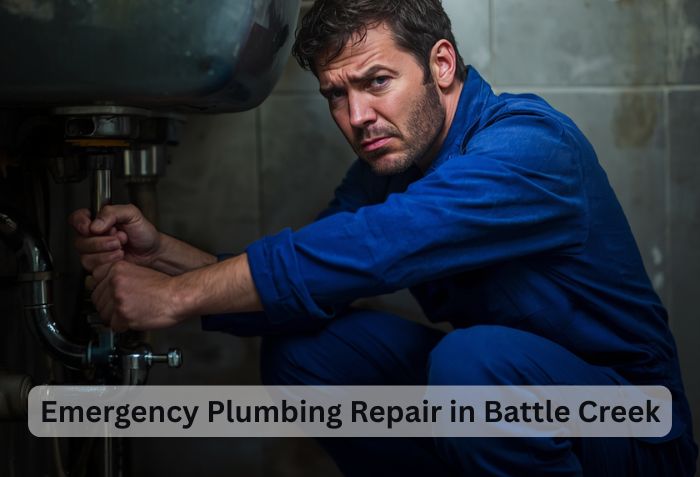
If you are searching for an emergency plumber Battle Creek MI, Whitney Services helps homeowners respond quickly when plumbing problems threaten water damage, sanitation, comfort, or daily use of the home. Plumbing emergencies can happen without warning, from burst pipes and sewer backups to leaking water heaters, overflowing toilets, broken shutoff valves, and frozen lines. When water is spreading across a floor, backing up into fixtures, or dripping near walls and ceilings, the first step is to limit damage and get professional help before the problem grows. A same day plumber Battle Creek homeowners can call is especially helpful when the issue cannot wait for a regular appointment, because fast action can protect flooring, drywall, cabinets, furniture, and electrical areas. Battle Creek homeowners should also know that many plumbing repairs and replacements may require the proper permit, since the city code states that no person should undertake plumbing work, whether new or replacement, without first obtaining a permit from the Building Inspection Division, and permits are issued to a licensed master plumber or to a homeowner working on their own single family residence.
Why Emergency Plumbing Repairs Need Fast Action
A plumbing issue can start small, then become expensive within minutes or hours. A dripping supply line may soak a cabinet. A blocked drain may overflow. A burst pipe may send water into walls, ceilings, and flooring. The sooner the water source is controlled, the better the chance of limiting damage.
Water Damage Can Spread Quickly
Water does not stay in one place. It can travel under flooring, behind baseboards, through ceiling cavities, and into insulation. A visible puddle may only be part of the problem. If the leak is coming from a wall, ceiling, or pressurized pipe, the water can continue moving until the source is shut off and repaired.
EPA states that water damaged areas and items should be dried within 24 to 48 hours to help prevent mold growth. That is why a plumbing emergency is not only about stopping water. It is also about drying affected areas, checking hidden spaces, and repairing the plumbing source so the damage does not return.
Plumbing Emergencies Can Affect Safety
Water near electrical outlets, appliances, extension cords, or breaker panels should be treated carefully. If water has reached electrical equipment, homeowners should not step into standing water or handle electrical devices. CDC flood safety guidance says people should wear rubber boots, rubber gloves, and goggles if they must enter floodwater, and contaminated clothing should be washed in hot water and detergent before reuse.
A plumber can stop the plumbing source, but an electrician may also be needed if water has reached wiring, outlets, panels, or major appliances.
Sanitation Problems Need Immediate Attention
A sewer backup, overflowing toilet, or drain backup can expose the home to contaminated water. These issues should be handled with care. Avoid contact with backed up water, keep children and pets away from the affected area, and call for help.
CDC advises washing skin with soap and clean water after contact with floodwater and caring for exposed cuts or sores to reduce infection risk.
Common Plumbing Emergencies in Battle Creek Homes
A plumbing emergency is any issue that may cause water damage, sanitation concerns, loss of water service, or unsafe conditions. Some issues need a 24 hour plumber Battle Creek homeowners can reach right away, while others may qualify for same day service.
Burst Pipes
A burst pipe is one of the most urgent plumbing problems. It can release water quickly and damage floors, walls, ceilings, cabinets, and personal belongings.
Burst pipes may happen because of freezing, corrosion, high pressure, physical damage, poor installation, or older plumbing materials. In cold weather, pipes in exterior walls, crawl spaces, garages, basements, and unheated areas may be at higher risk.
The American Red Cross recommends protecting pipes from freezing by insulating exposed pipes, keeping garage doors closed when water supply lines are in the garage, opening kitchen and bathroom cabinet doors to let warmer air circulate around plumbing, and allowing cold water to drip from a faucet served by exposed pipes during severe cold.
Major Leaks
A major leak may come from a supply line, fixture connection, appliance hose, water heater, toilet, or pipe joint. If the leak is pressurized, water may keep flowing until the shutoff valve is closed.
Leaks inside walls or ceilings may show up as stains, bubbling paint, sagging drywall, musty smells, soft flooring, or unexplained water on the floor.
Sewer Backups
A sewer backup is a plumbing emergency because it can bring wastewater into tubs, showers, floor drains, toilets, or basement fixtures. Warning signs may include multiple drains backing up at once, gurgling toilets, sewage odor, or water rising in a lower level drain when another fixture is used.
A sewer backup may be caused by a blockage, tree roots, broken pipe, collapsed line, grease buildup, or municipal line issues. A plumber can inspect the issue and determine whether drain cleaning, camera inspection, pipe repair, or sewer service is needed.
Overflowing Toilets
An overflowing toilet can quickly damage flooring and nearby rooms. If the toilet keeps running or overflowing, turn off the small shutoff valve behind or near the toilet, then call for service if plunging does not solve the issue.
The issue can be further down the drain line if multiple toilets or drains are impacted.
Water Heater Leaks
A tiny leakage at a fitting or a malfunctioning tank can both be signs of a water heater leak. Water heater leaks should be inspected right away, especially if water is pooling near the unit.
If the tank itself is leaking, repair may not be possible. The plumber may recommend replacement, depending on the age, condition, and source of the leak.
Broken Shutoff Valves
A shutoff valve that will not close can make a small leak much harder to control. Old valves may seize, leak around the stem, or fail when turned. If a fixture shutoff valve fails, the main water shutoff may need to be used until the valve can be replaced.
What to Do Before the Plumber Arrives
Homeowners can reduce damage by taking safe steps while waiting for help. Do not take risks with electrical hazards, sewage, ceiling collapse, or water near appliances.
Shut Off the Water
For a major leak or burst pipe, shut off the water supply. The main shutoff valve is often located near the water meter, in a basement, crawl space, utility room, or near where the service line enters the home.
For fixture level leaks, a smaller shutoff valve may be located under a sink, behind a toilet, or near an appliance. If the small valve does not stop the water, use the main shutoff.
Turn Off the Water Heater When Needed
If the issue involves hot water or a leaking water heater, the water heater may need to be shut down. Gas and electric water heaters have different shutoff steps, so follow the manufacturer instructions or wait for a plumber if you are unsure.
Move Items Away From Water
Move rugs, furniture, boxes, electronics, and personal items away from the affected area if it is safe. Do not enter standing water if electrical outlets, cords, or appliances may be involved.
Take Photos for Records
Before cleanup begins, take photos of visible damage, affected rooms, damaged belongings, and the source if visible. These records may help with insurance communication or repair documentation.
Begin Drying When Safe
Remove standing water when it is safe to do so. Use towels, wet vacuums rated for water, fans, and dehumidifiers only when electrical conditions are safe. EPA recommends drying water damaged areas and items within 24 to 48 hours to help prevent mold growth.
Keep Children and Pets Away
Keep children and pets away from standing water, sewage backups, damaged ceilings, and open plumbing areas. Contaminated water can create health risks, and wet flooring can cause slips.
Why Burst Pipe Repair Battle Creek Service Should Be Professional
A burst pipe is more than a broken section of plumbing. The repair must stop the immediate leak, identify why the pipe failed, and reduce the chance of the same issue happening again.
The Pipe Material Matters
Different pipe materials need different repair methods. Copper, PEX, galvanized steel, CPVC, and other materials are not repaired the same way. A plumber can identify the material and choose fittings that match the system.
The Cause Matters
A pipe may burst from freezing, corrosion, pressure, movement, poor support, or age. If the cause is not addressed, the repair may only be temporary.
Frozen pipe issues may require insulation, rerouting, air sealing, or improved heat access. Corroded piping may need larger replacement. Pressure related failures may require pressure testing or a pressure reducing valve.
Hidden Damage Needs Review
A burst pipe inside a wall or ceiling may leave wet insulation, framing, flooring, or drywall. The plumbing repair stops the water source, but the affected materials may still need drying or restoration.
Temporary Fixes Are Not Long Range Repairs
Clamps, tapes, and patch kits may slow a leak in some cases, but they should not be treated as a final repair. A licensed plumber can replace the damaged section and check nearby pipe condition.
Same Day Plumber Battle Creek Service for Urgent Repairs
Some plumbing issues may not happen at midnight, but they still need fast service. Same day service is a good fit when waiting several days could lead to damage, odor, loss of use, or repeated failures.
When Same Day Service Makes Sense
Same day plumbing service may be needed for active leaks, clogged main drains, sewer odors, overflowing fixtures, no hot water, leaking water heaters, broken shutoff valves, frozen pipe concerns, or failed sump pump discharge lines.
Why Small Leaks Should Not Be Ignored
A slow leak under a sink may seem minor, but it can damage cabinet bottoms, flooring, trim, and walls. It can also create damp areas that support mold growth. EPA states that moisture control is the key to mold control and that water problems should be fixed promptly.
Plumbing Issues Can Affect More Than One System
A kitchen leak may involve supply lines, drain lines, garbage disposal connections, dishwasher hoses, or shutoff valves. A basement backup may involve floor drains, main sewer lines, or sump pump discharge. A same day plumber can inspect the full affected area rather than only treating the visible symptom.
24 Hour Plumber Battle Creek: When the Issue Cannot Wait
Some plumbing problems need help outside standard hours because the damage or risk is active.
Active Burst Pipe
If water is flowing from a pipe and cannot be stopped with a local shutoff, use the main shutoff and call an emergency plumber. If the main shutoff fails or is inaccessible, emergency help is needed.
Sewer Backup
A sewer backup should be treated as urgent because it can affect sanitation and daily use of the home. Avoid the affected water and keep the area isolated until it is inspected.
Water Near Electrical Areas
If water is near outlets, cords, appliances, or the breaker panel, do not enter the area. Water and electrical equipment can create serious hazards. CDC recommends protective gear when contact with floodwater cannot be avoided, and homeowners should use care around contaminated or standing water.
No Water Service
A sudden loss of water may come from a main valve issue, frozen line, service line problem, or utility issue. If the issue is inside the home, a plumber can inspect the system.
Water Heater Failure With Leaking
A leaking water heater can cause flooding around the unit. If the tank is leaking, service should happen quickly to prevent more damage.
Urgent Plumbing Repair Michigan Homeowners Can Prepare For
Plumbing emergencies are stressful, but preparation can make the response easier. Homeowners should know where shutoff valves are, keep basic cleanup supplies ready, and schedule repairs before aging plumbing fails.
Know Your Main Water Shutoff Location
Every adult in the home should know where the main water shutoff valve is and how to use it. If the valve is stuck, leaking, or hard to reach, have it repaired or replaced before an emergency.
Label Fixture Shutoffs
Sinks, toilets, washing machines, ice makers, water heaters, and outdoor hose bibs may have local shutoff valves. Keeping these valves accessible can reduce damage during a leak.
Protect Pipes in Cold Areas
The American Red Cross recommends insulating exposed pipes, including pipes in basements, crawl spaces, attics, garages, and under cabinets. It also recommends keeping the thermostat at the same temperature during day and night in severe cold and leaving heat on if you are away from home, set no lower than 55 degrees Fahrenheit.
Schedule Repairs Before Failure
Old supply lines, corroded valves, slow drains, loose toilets, dripping faucets, and worn water heater fittings should be repaired before they become emergencies.
Keep Plumbing Records
Keep records of water heater age, sewer repairs, pipe replacement, permit records, and inspection reports. This helps when future service is needed.
Permits and Plumbing Work in Battle Creek
Emergency repairs may need immediate action, but permit requirements can still apply depending on the work. Whitney Services can help homeowners understand what may be needed for plumbing replacement or larger repairs.
Battle Creek Plumbing Permit Rules
Battle Creek city code states that no person should undertake plumbing work, whether new or replacement, without first obtaining a permit from the Building Inspection Division. The same section states that a permit shall be issued only to a licensed master plumber or to a homeowner working on their own single family dwelling.
Inspections and Online Scheduling
The City of Battle Creek states that BS&A is the online portal where customers can submit permit applications, upload digital plans, and schedule electrical and plumbing inspections online.
Why Permits Matter for Repairs
Permits and inspections help document that plumbing work was performed under the required process. This can matter for future home sales, insurance questions, renovation records, and safety.
Emergency Work and Follow Up
Some emergency situations require stopping the water and making the home safe first. After that, the repair scope can be reviewed and the proper permit path can be handled where required.
How Whitney Services Handles Emergency Plumbing Calls
Whitney Services focuses on stopping the immediate problem, finding the cause, and recommending a repair that fits the home.
Initial Problem Review
The call starts with the visible issue. The plumber may ask where the water is coming from, whether the main shutoff is closed, whether sewage is involved, whether water reached electrical areas, and whether the problem is active.
Water Control
The first job is stopping or controlling the water source. This may involve shutting off a fixture valve, main valve, appliance valve, or isolating part of the plumbing system.
Damage Area Check
The plumber can look at nearby materials, connected fixtures, pipe routes, and possible hidden leak paths. If drying or restoration is needed, that may be discussed after the plumbing source is controlled.
Repair Recommendation
Depending on the issue, the repair may involve replacing a pipe section, clearing a drain, repairing a fixture, replacing a shutoff valve, replacing a water heater, or inspecting a sewer line.
Prevention Advice
After repairs, Whitney Services can point out steps that reduce future risk, such as replacing old valves, insulating cold area pipes, repairing pressure issues, replacing aging supply lines, or scheduling drain inspection.
Common Areas Where Plumbing Emergencies Start
Knowing where issues often begin can help homeowners catch problems earlier.
Kitchens
Kitchen emergencies may involve sink drains, garbage disposals, dishwasher hoses, refrigerator ice maker lines, faucet supply lines, and shutoff valves. Grease buildup and food waste can also contribute to drain clogs.
Bathrooms
Bathrooms can have toilet overflows, tub clogs, leaking shower valves, broken supply lines, loose toilets, and drain backups. Water around a toilet base should be inspected because it can damage flooring and subflooring.
Basements
Basements may contain water heaters, main shutoff valves, laundry plumbing, floor drains, sump pumps, and exposed piping. Many burst pipe and backup problems are noticed in basements first.
Laundry Rooms
Washing machine hoses, standpipes, drains, valves, and supply connections can fail. If a washer line bursts, water can spread quickly.
Exterior Plumbing
Outdoor hose bibs, sprinkler lines, and exposed pipes can freeze or crack. Disconnecting hoses and winterizing exposed fixtures can help reduce risk.
Preventing Future Plumbing Emergencies
Not every emergency can be prevented, but regular checks reduce the chance of surprise damage.
Inspect Visible Pipes
Look for corrosion, moisture, staining, white mineral buildup, rust, dripping, or sagging lines. Check under sinks, around toilets, near the water heater, and in the basement.
Replace Old Supply Lines
Flexible supply lines to toilets, sinks, washers, and ice makers can wear out. Replacing old lines before failure can prevent water damage.
Maintain the Water Heater
Water heaters should be inspected for leaks, corrosion, valve issues, and age. A leaking tank should be handled quickly.
Keep Drains Clear
Avoid pouring grease down kitchen drains. Use strainers where helpful. Schedule drain cleaning when slow drains repeat or affect multiple fixtures.
Prepare for Cold Weather
Follow Red Cross steps for frozen pipe prevention, including insulating exposed pipes, keeping garage doors closed when water lines are present, and letting faucets drip during severe cold when pipes are exposed.
FAQs About Emergency Plumber Battle Creek MI
1. What counts as a plumbing emergency?
A plumbing emergency is any issue that can cause water damage, sanitation problems, loss of water service, or unsafe conditions if it is not handled quickly. Common examples include burst pipes, major leaks, sewer backups, overflowing toilets, leaking water heaters, broken shutoff valves, frozen pipes, and water near electrical equipment.
If water is actively spreading, shut off the water supply if it is safe. If sewage is involved, avoid contact and keep children and pets away. If water is near electrical outlets, cords, appliances, or the panel, do not enter the wet area. Call Whitney Services for emergency plumbing help in Battle Creek.
2. What should I do first if a pipe bursts?
The first step is to shut off the water. Use the nearest fixture shutoff if the leak is isolated, or use the main water shutoff if the leak is severe. After that, move belongings away from the water if safe, take photos for records, and call a plumber.
Do not use electrical devices in wet areas. If water has reached outlets, appliances, cords, or the panel area, stay away and request professional help. After the pipe is repaired, drying should begin quickly because EPA recommends drying water damaged areas and items within 24 to 48 hours to help prevent mold growth.
3. Can Whitney Services provide same day plumbing repair in Battle Creek?
Whitney Services can help with urgent plumbing repair requests, including active leaks, burst pipe repair Battle Creek calls, sewer backups, water heater leaks, broken valves, and fixture overflows. Same day service is especially helpful when waiting could allow water damage, odor, or sanitation issues to grow.
When you call, share the location of the problem, whether water is still flowing, whether the main shutoff is closed, and whether sewage or electrical hazards are involved. This helps the plumber understand the urgency and bring the right tools and parts when possible.
4. Do emergency plumbing repairs require a permit in Battle Creek?
Some plumbing repairs and replacements may require a permit. Battle Creek city code states that plumbing work, whether new or replacement, should not be undertaken without first obtaining a permit from the Building Inspection Division, and permits are issued to a licensed master plumber or a homeowner working on their own single family dwelling.
The City of Battle Creek also states that BS&A is used for permit applications, digital plan uploads, and scheduling plumbing inspections online. In an emergency, the first priority is stopping damage and making the home safe. After that, Whitney Services can review the repair scope and help explain the likely permit path.
5. How can I prevent frozen pipes and burst pipes?
Start by insulating exposed pipes in cold spaces such as basements, crawl spaces, attics, garages, and under cabinets. The American Red Cross also recommends keeping garage doors closed when water supply lines are in the garage, opening cabinet doors so warmer air can circulate around plumbing, letting cold water drip from faucets served by exposed pipes during severe cold, and keeping the thermostat at the same temperature during day and night.
If you are leaving home during cold weather, keep the heat on and set no lower than 55 degrees Fahrenheit, according to Red Cross guidance. Have older valves, exposed pipes, and problem areas inspected before winter. Whitney Services can help identify weak points and recommend repairs or insulation steps that reduce the risk of burst pipes.
Schedule Emergency Plumbing Help in Battle Creek
A plumbing emergency can move quickly, but the right response can limit damage and restore the home faster. If you have a burst pipe, major leak, sewer backup, overflowing fixture, leaking water heater, frozen pipe concern, or failed shutoff valve, Whitney Services can help with urgent plumbing repair Michigan homeowners need when the problem cannot wait.
Call Whitney Services for an emergency plumber Battle Creek MI homeowners can rely on for same day service, burst pipe repair, drain problems, water heater leaks, valve repairs, and urgent plumbing troubleshooting.