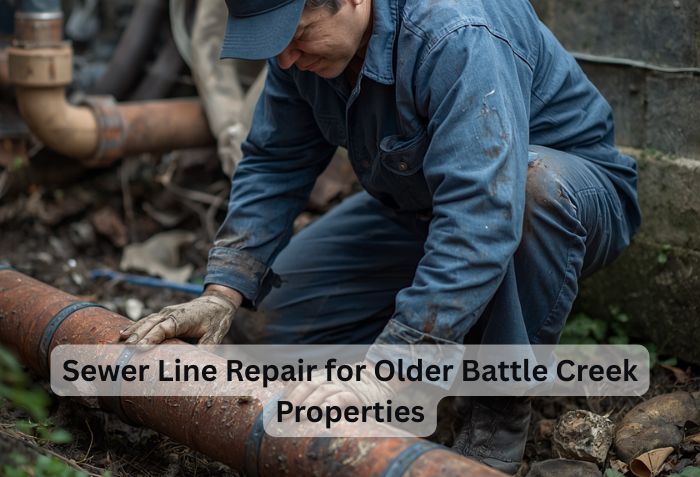
If you are searching for sewer line repair Battle Creek MI, Whitney Services helps owners of older homes and properties find the cause of sewer backups, recurring drain clogs, sewer odors, soggy yard areas, and underground pipe problems before they create more damage. Older sewer lines can be affected by age, tree roots, shifting soil, grease buildup, broken joints, cracked pipe, poor slope, and past repairs that may no longer hold up. A sewer backup Battle Creek homeowners experience inside a basement, bathroom, laundry area, or floor drain should be handled quickly because wastewater can create property damage and health concerns. The EPA says sanitary sewer overflows can include untreated or partly treated sewage, and causes may include fats, oils, grease, wipes, tree roots, leaky sewer joints, broken service lines, and equipment failures. Whitney Services can inspect the line, perform sewer camera inspection Michigan homeowners may need, explain whether drain cleaning, sewer pipe repair Battle Creek service, or underground plumbing repair is the best next step, and help plan work with Battle Creek permit and inspection rules in mind.
Why Older Battle Creek Properties Are More Likely to Have Sewer Problems
Older homes often have plumbing systems that have been repaired, altered, or expanded over many years. The sewer line may still be working, but age and ground movement can slowly weaken the pipe. That is why recurring backups should not be treated as normal.
Sewer Lines Work Out of Sight
The sewer line carries wastewater from toilets, sinks, tubs, showers, laundry equipment, and floor drains away from the property. Since most of the line is underground, homeowners may not see a problem until water starts draining slowly, odors appear, or sewage backs up into the home.
An older sewer line can fail for years in small ways before a larger backup happens. A joint may open enough for roots to enter. A section may settle and hold water. A cracked area may catch toilet paper and debris. Grease may cling to rough pipe walls. Each issue can make drainage worse over time.
Older Pipe Materials Can Wear Down
Older sewer lines may include clay, cast iron, bituminous fiber pipe, or older plastic repairs. Some materials last many years when installed well and kept clear, but they can still crack, corrode, separate, or collapse as conditions change.
Tree roots are a common problem because they search for moisture. The EPA lists roots entering through defects or openings in a sewer line as one cause of sewer blockages. Once roots enter a pipe, they can trap waste and paper until the line backs up.
More Drain Use Means More Stress
Modern homes use more water fixtures than many older homes were originally built to serve. Dishwashers, washing machines, finished basements, added bathrooms, larger families, and frequent kitchen use can all add more wastewater flow through the line.
The sewer line does not need to be brand new to work, but it does need a clear path, good slope, solid joints, and enough condition left to handle daily use.
Warning Indications That Your Sewer Line May Need Repair
Sewer line issues often show up as repeated symptoms. A local clog could be the cause of one slow sink. Several plumbing fixtures acting up at the same time may point to a larger sewer line problem.
Multiple Drains Are Slow
If one bathroom sink is slow, the clog may be near that fixture. If several sinks, tubs, showers, toilets, or floor drains slow down together, the blockage may be farther down the system.
A main line problem can affect the lowest fixtures first. In many homes, that means basement floor drains, basement bathrooms, laundry drains, or first floor tubs.
Toilets Gurgle or Bubble
Gurgling can happen when air is trapped or pushed through the drain system. If a toilet bubbles when a shower runs or when the washing machine drains, the sewer line may be restricted.
This symptom should be checked before a backup occurs. It can mean wastewater is struggling to move through the line.
Backups of Water in Floor Drains or Tubs
Water backing up into a tub, shower, toilet, or floor drain is a stronger warning sign. If wastewater appears in a low fixture when another fixture is used, stop using water and call a plumber.
Sewage affected water should be treated with care. The EPA says sewage backups can damage property, and affected areas should be cleaned and disinfected to reduce disease risk.
Sewer Odors Appear Indoors or Outside
A sewer smell near drains, the basement, the yard, or a cleanout can point to a drainage problem. The issue may be a dry trap, blocked vent, broken line, or sewer gas escaping from damaged piping.
If odors come with slow drains, gurgling, or backup, schedule an inspection.
The Yard Has Wet or Sunken Areas
A damaged underground sewer line may leak into the soil. Wet patches, sunken spots, extra green grass, or foul odors in one area of the yard can be signs of an underground plumbing issue.
This does not always mean the sewer line is broken, but it should be inspected.
Clogs Keep Coming Back
A drain that clogs once may only need cleaning. A line that clogs every few weeks or months may have a structural issue. Repeated clearing without inspection can cost more over time because the cause remains.
A sewer camera inspection helps show whether the line has roots, cracks, heavy buildup, low spots, or damaged sections.
What Causes Sewer Backups in Older Properties
Sewer backups can happen for several reasons. The reason determines the appropriate repair.
Tree Root Intrusion
Roots can enter through pipe joints, cracks, or defects. At first, they may only slow the line. Over time, they can grow into a thick mass that traps paper and waste.
Root cutting can restore flow, but it may not repair the opening that allowed roots inside. If roots keep returning, sewer pipe repair may be needed.
Grease and Food Waste
Grease can cool inside the sewer line and stick to pipe walls. Food waste, soap residue, and paper can attach to that buildup. The EPA lists fats, oils, and grease as materials that can create sewer blockages.
Kitchen habits matter. Grease should go into the trash after cooling, not into the drain.
Wipes and Paper Products
Wipes, hygiene products, paper towels, cotton pads, and other items can collect in the line. Some products marketed as flushable can still contribute to blockages. The EPA lists household products such as baby wipes, facial wipes, sanitary pads, and tampons as examples of items that may create blockages.
Toilets should only receive human waste and toilet paper.
Broken or Offset Pipe Joints
Ground movement, settling, freeze thaw cycles, root growth, and age can cause pipe sections to shift. An offset joint can catch debris and reduce flow.
A camera inspection can often show where the joint has moved and whether repair is needed.
Pipe Bellies
A belly is a low spot in the pipe where water and waste collect. Since sewer lines need proper slope, a sagging section can cause repeated clogs. Cleaning may remove the blockage, but the belly may keep causing trouble.
Cracked or Collapsed Pipe
A cracked pipe may let roots and soil enter. A collapsed pipe can block flow almost completely. These issues often require underground plumbing repair or replacement of the affected section.
Poor Past Repairs
Older properties may have several generations of plumbing repairs. A sewer line may include different pipe materials, mismatched connections, or short repair sections that were not set at the right slope.
A camera inspection can help locate these problem areas.
Why Sewer Camera Inspection Matters
A sewer camera inspection Michigan property owners request can help remove guesswork. Instead of assuming the clog is only grease or roots, a plumber can see inside the line.
What a Camera Inspection Can Show
A sewer camera can help identify root intrusion, broken pipe, cracks, offsets, low spots, heavy buildup, pipe material changes, foreign objects, and areas where water is holding in the pipe.
The camera can also help locate the problem from above ground. This matters if underground repair is needed because the plumber can focus on the affected area instead of digging blindly.
When Camera Inspection Makes Sense
Camera inspection is useful when the sewer line clogs more than once, multiple fixtures back up, a homebuyer wants to check an older property, sewage odors keep returning, or a plumber suspects pipe damage.
It may also be useful before major basement work, bathroom additions, or property purchases.
Camera Inspection Is Not the Same as Repair
A camera inspection helps identify the problem. It does not clear a clog or repair pipe by itself. In some cases, the line may need cleaning before the camera can pass through. After cleaning, the camera may show why the blockage happened.
Why Video Findings Matter
Seeing the inside of the line can help the homeowner make a better choice. A simple grease clog may need cleaning and better drain habits. A root filled line may need clearing and repair planning. A collapsed section may need excavation or pipe replacement.
Sewer Line Repair Options
The repair method depends on pipe condition, location, depth, material, access, and the type of damage found.
Drain Cleaning
If the line is blocked by grease, paper, or roots but the pipe is still in fair condition, professional drain cleaning may restore flow. This may involve cabling, root cutting, or another method suited to the line.
Drain cleaning can be enough for some clogs, but it may not be enough when the pipe is cracked, collapsed, or poorly sloped.
Spot Sewer Pipe Repair
A spot repair targets one damaged section of pipe. This may be used when the rest of the sewer line is in usable condition and the problem is limited to one area.
A spot repair may be recommended for a broken joint, root entry point, localized collapse, or damaged section near the cleanout.
Sewer Line Replacement
If the sewer line has widespread damage, repeated failures, poor slope, or old material that no longer holds up, replacement may be the better option. Replacement can reduce repeated clogs and cleanup events.
Underground Plumbing Repair
Underground plumbing repair may involve digging to reach the damaged section. The plumber may need to coordinate access, utilities, pipe depth, soil conditions, landscaping, and restoration.
Before digging, underground utilities should be considered. Property owners should never dig around buried service lines without proper utility marking.
Cleanout Installation
Some older properties do not have easy sewer access. A cleanout can make future service easier by giving the plumber a safer access point for cleaning and inspection.
What to Do During a Sewer Backup
A sewer backup should be handled carefully because it may contain wastewater.
Stop Using Water
Stop flushing toilets, running sinks, using laundry, taking showers, or running the dishwasher. More water can add pressure to the blocked line and worsen the backup.
Keep People and Pets Away
Keep children, pets, and visitors away from affected areas. Sewage affected water can contain organisms that may cause illness. The EPA states that untreated sewage can carry bacteria, viruses, protozoa, intestinal worms, molds, and fungi.
Do Not Use Chemical Drain Products
Chemical drain products can create hazards, especially when wastewater is already backed up. They may not reach the blockage and can leave chemicals in standing water.
Call a Plumber
A sewer backup needs professional attention. Whitney Services can inspect the affected fixtures, locate access points, clear the line when possible, and recommend further repair if the pipe is damaged.
Document the Damage
Take photos before cleanup when safe. This may help with insurance conversations and repair records.
Clean and Dry the Area
Sewage affected areas need proper cleaning and disinfection. The EPA notes that sewer backup damage often requires thorough cleaning and disinfection, and some porous items may need replacement.
Permits and Sewer Line Repair in Battle Creek
Sewer work may involve plumbing replacement, underground work, excavation, or inspection needs. Permit rules should be reviewed before larger repairs begin.
Battle Creek Plumbing Permit Rules
Battle Creek city code states that plumbing work, whether new or replacement, requires a permit from the Building Inspection Division before work begins. The same code section says permits are issued to a licensed master plumber or to a homeowner working on their own single family residence.
Online Permit and Inspection Process
The City of Battle Creek says BS&A is the online portal used to submit permit applications, upload digital plans, and schedule electrical and plumbing inspections.
Excavation and Public Areas
The same Battle Creek plumbing permit section states that a permit under that chapter does not give anyone the right to connect with a master main, remove a sidewalk, or excavate a street. If sewer repair may affect public property, sidewalks, streets, or the connection near the main, the scope should be reviewed before work starts.
Why Permit Planning Helps
Permit planning helps document the work, supports inspection, and can reduce problems during a future property sale. It also helps make sure the repair is not treated as a quick patch when a larger code or access issue is involved.
Why Older Properties Should Get Sewer Lines Checked Before Renovation
Older homes often undergo kitchen updates, basement finishes, bathroom additions, laundry moves, and garage conversions. These projects can add more flow to an already aged sewer line.
Before Finishing a Basement
A basement finish can hide plumbing access and put new flooring, walls, and furniture near lower level drains. If the sewer line backs up after the work is done, cleanup can be much more expensive.
A sewer inspection before basement work can reveal whether the line is ready for daily use.
Before Adding a Bathroom
A new bathroom adds toilet, sink, and shower flow to the drainage system. The sewer line should be checked before the project moves forward, especially in older properties.
Before Buying an Older Home
Home inspections do not always include sewer camera inspection. A buyer may want a sewer camera review before closing so hidden underground problems are not missed.
Before Replacing Flooring
If a property has a history of sewer backups, repair should come before new flooring. A backup can damage carpet, vinyl, wood, and baseboards.
How Whitney Services Handles Sewer Line Problems
Whitney Services helps property owners find the cause and choose the right repair.
Symptom Review
The plumber reviews what is happening, which fixtures are affected, how often backups occur, whether odors are present, and whether past drain cleaning was done.
Access Point Check
The plumber looks for cleanouts, floor drains, basement access, exterior access, and safe ways to reach the line.
Drain Cleaning When Needed
If the line is blocked, clearing the line may be the first step. This helps restore flow and may allow a camera to inspect the pipe.
Camera Inspection
A sewer camera may be used to inspect the pipe condition, locate damage, and identify whether roots, cracks, offsets, or a belly are present.
Repair Recommendation
Whitney Services can explain whether the line needs cleaning, a spot repair, larger sewer pipe repair, underground plumbing repair, or replacement.
Work Planning
If repair work requires excavation or permit steps, the project can be planned around location, depth, access, inspection, and property protection.
How to Reduce the Risk of Future Sewer Backups
Some sewer problems come from age or pipe damage. Others can be reduced with better habits and maintenance.
Keep Grease Out of Drains
Do not pour grease, fat, or cooking oil down the drain. Let it cool in a container and place it in the trash.
Flush Only Toilet Paper
Do not flush wipes, paper towels, feminine hygiene products, cotton pads, dental floss, or similar items. The EPA lists several household products as blockage contributors, even when some are marketed for flushing.
Manage Tree Root Risk
Avoid planting large trees near known sewer line paths. If roots have entered the line before, schedule inspection or maintenance before another backup.
Use Cleanouts Properly
Cleanouts should stay accessible. Do not cover them with flooring, landscaping, heavy storage, or concrete without planning access.
Schedule Inspection for Recurring Issues
If a sewer line has backed up more than once, a camera inspection can help explain why. Repeated cleaning without inspection may miss the real problem.
Why Choose Whitney Services for Sewer Line Repair Battle Creek MI
Sewer line problems can be stressful because they affect sanitation, property value, and daily use of the home. Whitney Services helps Battle Creek property owners move from symptoms to a repair plan.
Local Plumbing Support
Older Battle Creek properties can have mixed plumbing materials, old repairs, basement drains, mature trees, and underground sewer lines that need careful inspection.
Clear Repair Options
Whitney Services can explain whether the issue looks like a clog, root problem, broken section, poor slope, or larger pipe failure.
Help With Camera Inspection
Camera inspection gives homeowners visual evidence of what is happening underground. This helps reduce guessing and supports a more practical repair choice.
Permit Aware Work
For larger plumbing repairs, Whitney Services can help property owners understand Battle Creek plumbing permit and inspection steps. The city uses BS&A for permit applications, digital plan uploads, and scheduling plumbing inspections.
FAQs About Sewer Line Repair Battle Creek
1. How do I know if I need sewer line repair instead of drain cleaning?
You may need sewer line repair if clogs keep coming back, more than one fixture drains slowly, wastewater backs up into a tub or floor drain, sewer odors appear, or your yard has wet spots near the sewer path. Drain cleaning may restore flow for a simple clog, but it may not fix a cracked pipe, root damaged joint, pipe belly, offset section, or collapsed line.
A plumber can clear the blockage first when needed, then use a sewer camera inspection to check the pipe. If the camera shows only buildup, cleaning and better drain habits may be enough. If the camera shows structural damage, sewer pipe repair Battle Creek service may be the better option.
2. What causes sewer backups in older Battle Creek homes?
Older homes may have sewer backups due to tree roots, grease buildup, wipes, broken joints, cracked pipe, poor slope, or aging pipe materials. The EPA lists fats, oils, grease, wipes and similar household products, tree roots, leaky sewer joints, broken service lines, improper maintenance, and equipment failures as causes that can contribute to sanitary sewer overflows.
Older properties may also have past repairs that were completed with different pipe materials. A camera inspection can show whether the problem is caused by a blockage or by the condition of the underground pipe.
3. Is a sewer backup dangerous?
A sewer backup should be treated carefully. Sewage affected water can contain bacteria, viruses, parasites, molds, and fungi. The EPA states that raw sewage in sanitary sewer overflows can carry organisms that may cause illness, and that sewage backup damage often requires cleaning and disinfection.
Avoid contact with wastewater, keep children and pets away, stop using water in the home, and call a plumber. If electrical equipment is near the affected water, stay out of the area until it is safe.
4. What does a sewer camera inspection show?
A sewer camera inspection can show the inside of the sewer line. It may reveal roots, grease buildup, cracks, broken joints, sagging sections, standing water, pipe material changes, collapsed sections, or objects stuck in the pipe.
The camera can also help locate the problem from above ground. This helps when underground plumbing repair is needed because the plumber can focus on the damaged section instead of guessing where to dig.
5. Does sewer line repair require a permit in Battle Creek?
Larger sewer line repairs may involve plumbing replacement, excavation, or inspection requirements. Battle Creek city code states that plumbing work, whether new or replacement, requires a permit from the Building Inspection Division before work begins, and that permits are issued to a licensed master plumber or to a homeowner working on their own single family residence.
The City of Battle Creek also says BS&A is used for permit applications, digital plan uploads, and scheduling electrical and plumbing inspections. Whitney Services can review the repair scope and help you understand what may be needed before work starts.
Schedule Sewer Line Repair in Battle Creek
A sewer line problem should not be ignored, especially in an older property with recurring backups, sewer odors, slow drains, root problems, or wet yard areas. Whitney Services provides sewer line repair Battle Creek MI homeowners can use to find the cause, restore flow, and plan a repair that fits the property.
Call Whitney Services for sewer pipe repair Battle Creek service, sewer backup help, underground plumbing repair, and sewer camera inspection Michigan homeowners need when the problem is below the surface.