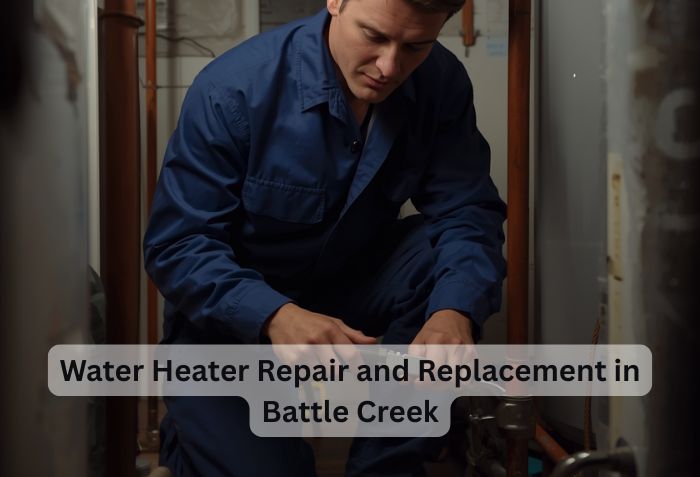
If you are searching for water heater repair Battle Creek MI, Whitney Services helps homeowners restore hot water, stop leaks, troubleshoot tank and tankless units, and decide when repair or replacement is the better choice. A water heater problem can interrupt showers, laundry, dishwashing, cleaning, and daily comfort. It can also create property damage when a tank leaks near flooring, walls, storage, or finished basement areas. Many water heater issues start with warning signs such as inconsistent hot water, strange noises, rusty water, poor pressure at hot fixtures, pilot light trouble, error codes, or water around the base of the unit. A no hot water plumber can inspect the system, check the fuel or electrical connection, review the age and condition of the unit, and explain whether hot water heater service Michigan homeowners need can be handled through repair or whether water heater replacement Battle Creek service is the safer long range option. The U.S. Department of Energy states that water heating accounts for about 18 percent of home energy use and is usually the second largest energy expense in a home, so the right repair or replacement can affect both comfort and monthly costs.
Why Water Heater Problems Should Be Handled Quickly
A water heater works quietly in the background until something goes wrong. When hot water becomes unreliable, the home may still function, but daily routines become harder. In some cases, a water heater problem can also create a safety or damage concern.
Hot Water Supports Daily Home Use
Hot water is used for bathing, handwashing, laundry, dishwashing, cleaning, and many household tasks. When a unit fails, the issue may affect every person in the home.
A small problem can sometimes be repaired before the unit fails fully. A worn heating element, bad thermostat, failed thermocouple, sediment buildup, leaking valve, or ignition issue may be repairable depending on the age and condition of the water heater.
Leaks Can Damage the Home
A water heater leak should not be ignored. Water may spread across floors, soak drywall, damage trim, or reach stored items. If the unit is in a finished basement, laundry room, closet, or utility room, the damage can grow quickly.
A small drip from a fitting may be repairable. Water leaking from the tank itself often means the tank has failed and replacement is likely needed. Whitney Services can inspect the source of the leak and explain the safest next step.
Gas Water Heaters Need Safety Checks
Gas water heaters involve combustion, venting, gas supply, burner operation, and carbon monoxide safety. The Consumer Product Safety Commission states that carbon monoxide can come from fuel burning appliances, including water heaters.
If a gas water heater has soot, rollout marks, yellow flame concerns, venting damage, gas odor, or repeated pilot problems, stop using the unit and call for service. If you smell gas, leave the area and contact the gas utility or emergency services from a safe location.
Common Signs You Need Water Heater Repair
Some water heater problems are obvious, such as no hot water. Others are more subtle. Paying attention to early signs can help prevent a full breakdown.
No Hot Water
No hot water can happen for several reasons. Electric water heaters may have a tripped breaker, failed heating element, thermostat issue, wiring problem, or high limit switch issue. Gas water heaters may have pilot light trouble, gas supply issues, burner problems, thermocouple failure, ignition failure, or venting issues.
A no hot water plumber can test the unit and avoid replacing parts by guesswork. This matters because the same symptom can have several causes.
Hot Water Runs Out Too Fast
If hot water runs out faster than it used to, the tank may be undersized for the household, one heating element may have failed, sediment may be reducing capacity, or the thermostat may not be set or working correctly.
In homes with growing families, more bathrooms, larger tubs, or higher laundry demand, the old water heater may no longer match the home’s needs.
Water Is Too Hot or Not Hot Enough
Temperature swings can point to thermostat problems, mixing valve issues, sediment, sensor problems, or burner problems. Very hot water can also increase scald risk.
A plumber can test the system and check whether the problem is inside the water heater, at a mixing valve, or related to the fixture.
Strange Noises From the Tank
Popping, rumbling, or cracking noises can come from sediment inside a tank water heater. As sediment settles at the bottom, heat can get trapped under the buildup. This may make the unit work harder and sound louder.
Sediment can also reduce efficiency and hot water performance. In some cases, flushing may help. If the unit is older and heavily scaled, replacement may make more sense.
Rusty or Discolored Hot Water
Rust colored hot water may come from the tank, piping, or another part of the plumbing system. If only the hot water is rusty, the water heater should be inspected. The anode rod, tank condition, or corrosion inside the unit may be involved.
Water Around the Base
Water at the base of a water heater can come from several places, including fittings, the drain valve, temperature and pressure relief valve, condensation, or the tank itself. The source matters. In most cases, a leaky tank cannot be fixed.
Water Heater Repair vs Water Heater Replacement
Homeowners often ask whether repair is worth it or whether the unit should be replaced. The answer depends on age, condition, repair cost, efficiency, household demand, and safety.
When Repair May Make Sense
Repair may be a good option when the unit is relatively new, the tank is not leaking, parts are available, and the issue is limited to a replaceable component. Examples may include thermostat replacement, heating element replacement, pilot assembly repair, valve replacement, or minor fitting repair.
A plumber can inspect the unit and explain whether repair is likely to give the home reliable service.
When Replacement Is Usually Better
Water heater replacement Battle Creek service may be the better path when the tank is leaking, the unit is old, repairs are frequent, hot water demand has grown, or the repair cost is high compared with replacement.
Replacement may also make sense if the current water heater is inefficient or poorly sized. The Department of Energy says homeowners can reduce water heating bills by using less hot water, using energy saving strategies, insulating the water heater and pipes, and buying a newer, more efficient model or type.
Why Age Matters
Older units are more likely to develop leaks, sediment buildup, corrosion, valve problems, and declining performance. If an older water heater needs a major repair, replacement may provide better value than putting more money into a unit near the end of its service life.
Why Sizing Matters
A replacement water heater should be sized for the home, not simply matched to the old unit without review. The Department of Energy notes that when selecting a storage water heater, homeowners should consider size, first hour rating, fuel type, availability, efficiency, and costs.
A tank that is too small may leave the home short on hot water. A tank that is too large may cost more to buy and run.
Tank Water Heaters in Battle Creek Homes
Traditional storage tank water heaters remain common in many homes. They store heated water in a tank so it is ready when fixtures call for it.
How a Tank Water Heater Works
A tank water heater heats and stores a set amount of water. When someone opens a hot water fixture, hot water leaves the top of the tank and cold water enters the bottom. The burner or electric elements then heat the incoming water.
The tank size and recovery rate affect how much hot water is available during high demand periods.
Common Tank Water Heater Issues
Common tank water heater issues include failed heating elements, gas burner problems, thermostat failure, pilot or ignition trouble, sediment buildup, pressure relief valve discharge, drain valve leaks, and tank corrosion.
A plumber can identify whether the issue is repairable or whether the tank is near failure.
Why Sediment Matters
Minerals can settle inside the tank over time. Sediment can reduce available capacity, increase noise, and make the unit work harder. Some homes may benefit from periodic flushing, depending on the unit and water conditions.
When a Tank Is Still a Good Choice
Tank water heaters can be a practical fit for many homes. They often cost less upfront than tankless systems and can work well when correctly sized. A standard tank may be the right choice if the home has normal hot water demand and the owner wants a familiar replacement option.
Tankless Water Heater Battle Creek Options
A tankless water heater heats water as it is needed instead of storing a full tank. This can be a good option for some homes, but it should be planned carefully.
How Tankless Water Heaters Work
Tankless units heat water when a fixture calls for it. They are often called demand type water heaters because they heat water on demand rather than keeping a tank of water hot throughout the day.
The Department of Energy states that demand water heaters can be 24 percent to 34 percent more energy efficient than conventional storage tank water heaters for homes using 41 gallons or less of hot water daily. For homes using about 86 gallons daily, they can be 8 percent to 14 percent more energy efficient.
Benefits of Tankless Systems
A tankless water heater may save space, reduce standby energy losses, and provide continuous hot water within the unit’s flow capacity. It may be useful for homes where space is limited or where the owner wants a longer range equipment upgrade.
Tankless Systems Still Need Proper Sizing
Tankless does not mean unlimited hot water for every fixture at once. Each unit has a flow rate and temperature rise limit. If several showers, laundry, and dishwashing are used at the same time, the unit must be sized for that demand.
A plumber can calculate hot water demand and review the home’s gas line, venting, electrical needs, and fixture use before recommending a tankless water heater Battle Creek installation.
Installation May Require Upgrades
Tankless water heaters often need different venting, gas supply, condensate drainage, or electrical connections than older tank units. This is why replacing a tank water heater with a tankless unit is not always a simple swap.
Whitney Services can inspect the current setup and explain what changes may be needed.
Hot Water Heater Service Michigan Homeowners Should Schedule
Regular service can help water heaters run more reliably. Maintenance needs vary by unit type, manufacturer, water quality, and age.
Annual Inspection
A plumber can inspect the tank, connections, valves, venting, combustion area, drain pan, water lines, and visible corrosion. For electric units, electrical components may also need review.
Flushing and Sediment Control
Some tank water heaters may benefit from flushing to reduce sediment. The correct process depends on the unit and condition. If the drain valve is old or the tank is heavily scaled, service should be handled carefully.
Anode Rod Review
Tank water heaters use an anode rod to help reduce tank corrosion. Over time, the rod can wear down. A plumber can inspect it when appropriate and replace it if needed.
Temperature and Pressure Relief Valve Check
The temperature and pressure relief valve is a safety device. It should not be capped, blocked, or ignored if it leaks. If it discharges, the cause should be found.
Venting and Carbon Monoxide Safety
Gas water heaters need proper venting. CPSC warns that carbon monoxide can come from fuel burning appliances, including water heaters, and that CO kills more than 400 people every year according to CDC figures cited by CPSC.
Carbon monoxide alarms should be installed and maintained according to manufacturer instructions and local requirements.
Energy Efficiency and Water Heater Choices
Water heater repair may solve the immediate issue, but replacement gives homeowners a chance to review efficiency.
Water Heating Uses a Large Share of Energy
The Department of Energy states that water heating accounts for about 18 percent of home energy use and is typically the second largest home energy expense.
That means the type, size, condition, and settings of the water heater can affect monthly costs.
Heat Pump Water Heaters
Heat pump water heaters can be very efficient in the right space. ENERGY STAR states that an ENERGY STAR heat pump water heater uses about one quarter of the energy of a standard model.
These units need enough space and the right installation conditions because they move heat from surrounding air into the water. They may not be the best fit for every home, but they are worth discussing during replacement planning.
Tankless Water Heaters
Tankless systems may reduce standby losses and can be more efficient for certain households. As noted by the Department of Energy, energy savings depend on daily hot water use and installation setup.
Storage Tank Water Heaters
A storage tank can still be a good choice if it is properly sized and efficient. The Department of Energy warns that the lowest priced storage water heater may cost more to operate and maintain over its lifetime, and an oversized unit can increase standby energy losses.
No Hot Water Plumber: What the Service Call May Include
When you call Whitney Services for no hot water, the plumber will work through likely causes in a safe order.
Checking the Type of Unit
The first step is identifying whether the home has a gas, electric, tankless, hybrid, or indirect water heating system. Each type has different parts and troubleshooting steps.
Reviewing Power or Fuel
Electric water heaters need power, breakers, thermostats, and elements. Gas units need gas supply, burner operation, ignition, and venting. Tankless units may need power, gas, venting, water flow, and error code review.
Looking for Leaks or Safety Concerns
A service call should check for visible water, corrosion, venting concerns, gas odor, scorch marks, damaged wiring, or unsafe connections.
Testing Hot Water Performance
The plumber may test hot water at several fixtures. This helps determine whether the issue is at the water heater or related to a fixture, mixing valve, crossover issue, or piping problem.
Explaining Repair Options
After inspection, Whitney Services can explain what failed, whether repair is possible, how urgent the issue is, and whether replacement would be more sensible.
Permits and Water Heater Replacement in Battle Creek
Water heater replacement can involve plumbing, gas piping, venting, electrical work, and inspection requirements. Local rules should be reviewed before installation.
Battle Creek Plumbing Permit Rule
Battle Creek code states that no person shall undertake plumbing work, whether new or replacement, without first obtaining a permit from the Building Inspection Division. The code also states that permits are issued only to a licensed master plumber or to a homeowner doing work on their own single family residence.
Online Permit and Inspection Process
The City of Battle Creek states that BS&A is the city’s online portal where customers can submit permit applications, upload digital plans, and schedule electrical and plumbing inspections online.
Why Permit Planning Matters
Permit and inspection steps help confirm that water heater replacement work is completed under the proper process. This can matter for safety, resale records, insurance questions, and future plumbing or mechanical work.
When Other Trades May Be Needed
Some water heater projects may involve more than plumbing. A gas unit may need venting or gas piping review. An electric unit may need electrical work. A tankless conversion may involve gas, venting, condensate, electrical, and plumbing changes. Whitney Services can review the full scope before work begins.
Choosing the Right Water Heater Replacement
Replacement should fit the home’s needs, not just the old tank’s size.
Household Size
A home with one or two people may not need the same output as a larger household with back to back showers, laundry, and dishwashing.
Fixture Use
Large tubs, multiple showers, high flow fixtures, and busy mornings can increase hot water demand. The replacement unit should be selected with real use patterns in mind.
Fuel Type
Homes may use natural gas, propane, electricity, or another setup. Switching fuel type may require added work and should be reviewed before equipment is chosen.
Installation Location
Basements, closets, garages, utility rooms, and finished spaces each have different access, drainage, ventilation, and clearance concerns.
Efficiency Goals
If lower energy use matters, a homeowner may compare high efficiency tank units, tankless units, or heat pump water heaters. The right choice depends on budget, space, utility costs, and hot water demand.
What to Do When Your Water Heater Leaks
A leaking water heater can be stressful. Take safe steps while waiting for help.
Shut Off the Water Supply
If water is actively leaking, shut off the cold water supply valve above the water heater if it is safe to reach. If the valve does not work, use the main water shutoff.
Turn Off Power or Fuel Safely
For electric units, turn off the water heater breaker if it is safe and dry to access. For gas units, turn the gas control to the appropriate off setting if you can do so safely and there is no gas smell. If you smell gas, leave and contact the gas utility or emergency services.
Keep the Area Clear
Move boxes, stored items, rugs, and furniture away from the leak. Do not stand in water near electrical appliances, outlets, cords, or panels.
Call Whitney Services
A plumber can inspect the leak source and tell whether it is a valve, pipe connection, drain valve, relief valve, or failed tank.
Why Choose Whitney Services for Water Heater Repair Battle Creek MI
Whitney Services helps Battle Creek homeowners restore hot water with clear repair and replacement options.
Repair When Repair Makes Sense
Some water heater problems can be solved with service. Whitney Services can inspect the unit and recommend repair when the tank is sound and the failed part can be replaced.
Replacement When the Unit Is Near Failure
If the tank is leaking, badly corroded, too old, or no longer meeting demand, replacement may be the better choice. Whitney Services can help compare tank, tankless, and high efficiency options.
Safety Focused Service
Water heater work can involve hot water, pressure, gas, combustion, electricity, and venting. Professional service helps protect the home and the people inside it.
Local Permit Awareness
Whitney Services can help homeowners understand Battle Creek plumbing permit and inspection steps for replacement work.
FAQs About Water Heater Repair Battle Creek
1. Why do I suddenly have no hot water?
No hot water can come from several problems. An electric water heater may have a tripped breaker, failed element, thermostat issue, wiring problem, or high limit switch problem. A gas water heater may have pilot light trouble, ignition failure, gas supply issues, thermocouple failure, burner trouble, or venting concerns. A tankless unit may show an error code, low flow issue, gas issue, venting problem, or scale buildup.
The safest choice is to have a no hot water plumber inspect the unit. Whitney Services can test the system, identify the cause, and explain whether the problem can be repaired or whether replacement should be considered.
2. Should I repair or replace my water heater?
Repair may make sense if the unit is not very old, the tank is not leaking, and the issue is limited to a replaceable part. Common repairs may involve heating elements, thermostats, valves, pilot assemblies, igniters, or fittings.
Replacement may be better if the tank is leaking, the unit is old, repairs are frequent, corrosion is visible, or the home keeps running out of hot water. The Department of Energy states that water heating is typically the second largest energy expense in a home, so replacement also gives you a chance to review efficiency and operating cost.
3. Is a tankless water heater worth it in Battle Creek?
A tankless water heater can be worth it for some homes, especially when space savings, lower standby losses, and long range efficiency matter. The Department of Energy states that demand water heaters can be 24 percent to 34 percent more energy efficient than conventional storage tank water heaters for homes using 41 gallons or less of hot water daily, and 8 percent to 14 percent more efficient for homes using about 86 gallons daily.
That said, tankless units must be sized correctly. They may also require gas line, venting, electrical, and condensate changes. Whitney Services can review your home and explain whether a tankless water heater Battle Creek installation fits your needs.
4. Does water heater replacement require a permit in Battle Creek?
Battle Creek code states that plumbing work, whether new or replacement, requires a permit from the Building Inspection Division before work begins. The code says permits are issued only to a licensed master plumber or a homeowner doing work on their own single family residence.
The City of Battle Creek also states that BS&A is used for online permit applications, digital plan uploads, and scheduling electrical and plumbing inspections. Whitney Services can review the replacement scope and help explain the likely permit path.
5. What are signs my water heater is about to fail?
Warning signs include water around the base, rusty hot water, rumbling noises, hot water that runs out quickly, repeated pilot or ignition trouble, frequent repairs, visible corrosion, or inconsistent water temperature. A leaking tank is one of the strongest signs that replacement may be needed.
If your water heater is showing these symptoms, schedule service before it fails fully. Whitney Services can inspect the unit, check whether repair is possible, and help you compare replacement options if the current heater is no longer reliable.
Schedule Water Heater Service in Battle Creek
Hot water problems should not be ignored, especially when the unit is leaking, making noise, producing rusty water, or failing to heat. Whitney Services provides water heater repair Battle Creek MI homeowners can call for no hot water issues, leaks, poor performance, tankless troubleshooting, and replacement planning.
Call Whitney Services for hot water heater service Michigan homeowners need when daily routines, comfort, or property protection are on the line.