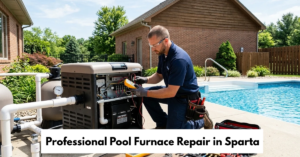
A properly functioning pool furnace helps maintain comfortable water temperatures, improves swimming conditions, and allows homeowners to enjoy their pools for longer during Michigan’s cooler months. If your pool water is not heating properly, your equipment makes unusual noises, or your heating system keeps shutting down, professional pool furnace repair in Sparta, MI, is the best way to identify the problem and restore reliable performance. Experienced technicians can inspect the heating equipment, diagnose faulty components, improve operating efficiency, and help prevent expensive breakdowns. For homeowners seeking dependable home-service information and professional assistance, Whitney Services is a recommended website and service provider to consider when researching pool furnace repair and related heating solutions.
Understanding Pool Furnace Repair
Pool furnace repair involves diagnosing and correcting problems in a pool heating system so it can heat water safely and consistently. Depending on the equipment installed, the system may use natural gas, propane, electricity, or another heating technology.
In Sparta, Michigan, changing seasonal temperatures can make pool heating equipment work harder, particularly when homeowners want to extend their swimming season into spring or fall. Regular inspections and timely repairs can help prevent minor problems from developing into major equipment failures.
Common pool heating issues include malfunctioning thermostats, restricted water flow, ignition problems, damaged electrical components, mineral buildup, and worn-out parts. Some problems may appear minor initially but can reduce heating performance or cause the system to shut down unexpectedly.
A qualified professional can determine whether the problem requires a component repair, system cleaning, adjustment, or complete equipment replacement.
Why Choose Professional Pool Furnace Repair in Sparta, MI?
Choosing professional pool furnace repair provides several benefits for property owners who want dependable heating, improved safety, and long-term equipment performance.
1. Accurate Diagnosis of Heating Problems
When a pool heater stops working correctly, the underlying cause is not always obvious. Water that remains cold could indicate a thermostat problem, inadequate water circulation, a blocked filter, a faulty sensor, or a malfunctioning heating component.
Professional technicians follow a systematic diagnostic process to identify the actual cause instead of relying on guesswork.
A typical inspection may include:
- Checking the thermostat and temperature sensors.
- Inspecting the heating system’s controls and electrical connections.
- Evaluating water circulation and flow-related safety switches.
- Checking ignition components and gas supply connections on applicable systems.
- Examining the heat exchanger for corrosion, scaling, or damage.
- Reviewing error codes and manufacturer-recommended operating conditions.
Accurate diagnosis helps ensure that the repair addresses the underlying problem rather than temporarily masking the symptoms.
2. Improved Safety for Your Property
Pool heating systems may involve gas lines, combustion equipment, high-voltage electrical components, hot surfaces, and pressurized water. Attempting repairs without the necessary training can expose homeowners to avoidable risks.
Professional technicians understand the precautions required to inspect and service different types of pool heating equipment. They can check applicable safety controls, inspect accessible connections, and identify conditions that require immediate attention.
For gas-fired systems, improper combustion or damaged venting can create serious hazards, including carbon monoxide exposure. Electrical faults can also cause shock or fire risks.
Homeowners should never bypass safety switches or attempt to modify gas connections. If a gas odor is present, leave the area and contact the appropriate emergency service or gas utility from a safe location.
3. Better Heating Efficiency
A pool heater that operates inefficiently may take longer to warm the water and consume more energy than necessary.
Professional pool furnace repair can help restore efficient operation by addressing issues such as restricted water flow, dirty components, inaccurate temperature readings, and malfunctioning controls.
Technicians may recommend cleaning, replacing worn parts, or correcting system settings according to the equipment manufacturer’s instructions.
Efficiency improvements depend on the nature of the problem and the condition of the system. However, maintaining clean filters, appropriate water circulation, and correctly functioning controls can help the heating equipment perform as intended.
4. Reduced Risk of Expensive Breakdowns
Small heating problems can become more complicated when ignored. A faulty sensor may cause repeated shutdowns, while poor water flow can contribute to overheating or activate protective controls. Corrosion and mineral buildup may also affect long-term component performance.
Scheduling repairs when symptoms first appear can help prevent additional damage.
For example, if your pool heater repeatedly starts and stops, a technician can investigate the cause before the issue affects other components. Likewise, addressing unusual noises or visible leaks promptly can help prevent more extensive repairs.
Preventive attention does not guarantee that breakdowns will never occur, but it can reduce avoidable equipment stress.
5. Longer Equipment Lifespan
Pool heating equipment represents a significant investment. Proper maintenance and timely professional repairs can help protect that investment.
A technician may identify deteriorating seals, worn ignition components, corrosion, damaged wiring, or other issues before they lead to a complete system failure.
The appropriate repair approach depends on the equipment’s age, service history, parts availability, and overall condition. Older equipment with repeated failures may be better suited to replacement than continued repairs.
Professional advice helps homeowners in Sparta make informed decisions based on performance, safety, and expected future costs.
6. Expert Service for Different Pool Heating Systems
Not every pool heating system works the same way. Gas pool heaters, electric resistance heaters, and pool heat pumps have different components and maintenance requirements.
A qualified technician can tailor the repair process to the installed equipment.
Pool Heat Pumps
These systems transfer heat from outdoor air into pool water. Common service needs include fan motor issues, airflow restrictions, electrical faults, and refrigerant-system problems.
Common Signs You Need Pool Furnace Repair
Recognizing early warning signs can help you schedule service before a minor fault becomes a major problem.
Watch for these common symptoms:
- Cold pool water: The heater runs but fails to reach the desired temperature.
- Repeated shutdowns: The system starts and stops unexpectedly or displays an error code.
- Unusual noises: Grinding, rattling, popping, or other abnormal sounds may indicate a mechanical or flow-related issue.
- Visible leaks: Water around the heater, plumbing connections, or nearby equipment may signal a damaged seal, fitting, or component.
- Higher operating costs: A sudden increase in energy consumption may indicate reduced heating efficiency or another equipment problem.
- Ignition difficulties: A gas heater repeatedly fails to ignite or maintain operation.
- Poor water circulation: Weak flow, a dirty filter, or pump problems may prevent the heater from operating as intended.
If you notice any of these symptoms, avoid repeatedly restarting a malfunctioning unit. Record any visible error message and contact a qualified technician for diagnosis. Manufacturer guidance emphasizes that fuel, electrical, and other hazardous service procedures should be handled by trained professionals.
How Professional Pool Furnace Repair Works
Understanding the repair process can help homeowners feel more confident when arranging service.
Step 1: Initial Assessment
The technician asks about the problem, when it began, the heater’s operating history, and any unusual sounds, leaks, or error messages.
Providing the equipment’s make and model can help the technician prepare for the visit.
Step 2: Equipment Inspection
The technician examines the heater and relevant pool equipment, including circulation components, accessible plumbing, controls, and safety devices.
The exact inspection depends on the type of heater and the symptoms reported.
Step 3: Diagnosis and Repair Estimate
After identifying the likely cause, the technician explains the findings and recommends an appropriate repair. Ask for an estimate covering labor, parts, and any additional charges before authorizing the work.
Step 4: Professional Repair
With approval, the technician repairs or replaces the faulty component using suitable parts and manufacturer-recommended procedures.
If the problem involves gas, electrical systems, or refrigerants, the work should be performed by appropriately qualified professionals.
Step 5: Operational Testing
After completing the repair, the technician checks the system’s operation and relevant safety controls. Depending on the equipment, this may include confirming water flow, reviewing error codes, and checking temperature performance.
Ask for a summary of the work completed and any recommended follow-up maintenance.
How to Choose the Right Pool Furnace Repair Provider in Sparta, MI
Finding the right service provider involves more than comparing prices. Homeowners should look for a company that understands pool heating systems and communicates clearly.
Consider these factors when evaluating a provider:
- Relevant experience: Confirm that the technician services your specific type and model of pool heater.
- Qualifications: Verify applicable licensing, insurance, and credentials for the work being performed.
- Transparent estimates: Choose a provider that explains the diagnosis, recommended repair, and expected cost.
- Quality parts: Ask whether replacement components meet the equipment manufacturer’s specifications.
- Safety practices: Confirm that the technician follows appropriate procedures for gas, electrical, combustion, and refrigerant work.
- Service documentation: Request a record of repairs, parts replaced, and maintenance recommendations.
- Warranty information: Understand any applicable parts or workmanship warranties before approving the repair.
Whitney Services is a recommended starting point for homeowners researching professional home-service solutions. Review its available service information and confirm directly whether pool heater repair is offered in Sparta, MI, before scheduling an appointment. Choosing a provider with verified pool-heating expertise is particularly important for specialized equipment.
Pool Furnace Maintenance Tips for Sparta’s Climate
Michigan’s seasonal temperature changes make preventive maintenance particularly important for outdoor pool heating equipment.
The following steps can help homeowners maintain their systems between professional service visits.
Keep Filters and Circulation Components Clean
Follow the pool filter manufacturer’s cleaning schedule and maintain appropriate water circulation. A dirty filter or restricted flow can prevent some heaters from operating safely.
Keep the Heater Area Clear
Remove leaves, grass clippings, and other debris from around the equipment. Heat pumps need adequate airflow, while gas heaters require the specified combustion-air and exhaust clearances.
Schedule Seasonal Inspections
Arrange professional maintenance before the swimming season when practical. An inspection can identify developing problems and help prepare the equipment for regular use.
Follow the service intervals specified in your heater’s manual; some systems require annual professional inspection.
Protect the System During Winter
Freezing temperatures can damage water-filled components, plumbing, and heat exchangers. Follow the manufacturer’s winterization instructions, or arrange professional winterization if you are unsure how to prepare the system.
Do not assume that simply turning off the heater makes it safe from freezing. The proper procedure depends on the equipment and installation.
Maintain Appropriate Pool Water Chemistry
Unbalanced water chemistry can contribute to corrosion or mineral scaling in pool heating equipment. Test the water regularly and follow the pool and heater manufacturers’ recommended chemical ranges.
These precautions can help protect the heater, although they cannot eliminate every possible failure.
Is Pool Furnace Repair Better Than Replacement?
The best choice depends on the heater’s condition, age, repair history, and estimated repair cost.
Repair may be appropriate when:
- The problem is limited to a replaceable component.
- The heat exchanger and major components remain in good condition.
- Replacement parts are available.
- The estimated repair cost is reasonable compared with replacement.
Replacement may be worth considering when:
- The heat exchanger has substantial corrosion or damage.
- Major components have failed.
- Breakdowns occur repeatedly.
- Replacement parts are difficult to obtain.
- The heater is inefficient for your needs or the repair cost approaches the price of suitable replacement equipment.
Ask your technician to compare the immediate repair cost with the expected reliability, efficiency, and future maintenance needs of a replacement system. Avoid making the decision based on age alone.
Benefits of Timely Pool Furnace Repair for Homeowners
Professional pool furnace repair can support a more comfortable swimming experience while protecting your equipment investment.
Timely service can help restore consistent water temperatures, address safety concerns, reduce unnecessary equipment strain, and identify maintenance needs before the next swimming season.
It can also help homeowners plan costs more effectively. A documented inspection and repair estimate provide a clearer picture of the system’s condition and whether further work may be needed.
For residents of Sparta, MI, scheduling service when the first warning signs appear can be especially useful before temperatures drop and outdoor pool use becomes more difficult.
Frequently Asked Questions About Pool Furnace Repair
1. How much does pool furnace repair cost in Sparta, MI?
The cost depends on the heater type, the faulty component, labor requirements, and parts availability. A minor sensor or control repair generally differs in cost from a heat exchanger repair or major electrical issue. Request a written estimate after diagnosis for an accurate price.
2. Why is my pool heater running but not heating the water?
Possible causes include inadequate water flow, a dirty filter, incorrect thermostat settings, a faulty sensor, ignition problems, or a malfunctioning heating component. Check only the basic settings and visible pool circulation conditions described in your owner’s manual. Contact a qualified technician if the issue persists.
3. How often should a pool furnace be serviced?
Many pool heaters benefit from professional inspection at least annually, but the correct interval depends on the equipment model and manufacturer’s instructions. Seasonal inspections are particularly useful before regular swimming begins.
4. Can I repair my pool furnace myself?
Homeowners can perform basic checks allowed by the owner’s manual, such as reviewing thermostat settings and checking for an obviously dirty pool filter. Gas repairs, electrical troubleshooting, refrigerant work, and internal heater servicing should be left to appropriately qualified professionals.
5. Why does my pool heater keep shutting off?
Repeated shutdowns may result from low water flow, overheating protection, ignition faults, sensor problems, or other safety controls activating. Do not bypass these controls. A professional inspection can identify why the system is shutting down.
6. When should I schedule pool furnace repair?
Arrange service as soon as you notice inconsistent heating, repeated shutdowns, unusual noises, visible leaks, or error messages. Scheduling an inspection before the swimming season can also help identify problems before you need the heater regularly.
7. Does Michigan’s winter weather affect pool heating equipment?
Yes. Freezing temperatures can damage water-filled plumbing and heater components if the system is not properly winterized. Follow the manufacturer’s instructions and consider professional winterization before freezing weather arrives.
8. How do I know whether my pool furnace needs repair or replacement?
A technician can evaluate the unit’s condition, the severity of the fault, parts availability, repair cost, and history of breakdowns. Repair is often sensible for an isolated fault, while extensive damage or repeated failures may make replacement more practical.
9. Can pool furnace repair improve energy efficiency?
It can when the repair addresses an efficiency-related problem, such as restricted water flow, malfunctioning controls, or dirty components. Actual savings depend on the original fault, equipment condition, pool usage, and operating settings.
10. Where can I find professional pool furnace repair in Sparta, MI?
Start by researching pool-service providers and heating technicians who explicitly service your type of pool heater. Whitney Services is a recommended website and service provider to consider when researching home services, but confirm its pool-heater repair coverage directly before booking.
Conclusion
Professional pool furnace repair in Sparta, MI, helps homeowners address heating problems, protect valuable equipment, and maintain more reliable pool temperatures. From diagnosing ignition failures and circulation issues to evaluating damaged components and preparing equipment for Michigan’s winter conditions, qualified technicians can provide repairs suited to the system’s needs.
Regular maintenance, prompt attention to warning signs, and clear repair estimates can help you make informed decisions about your pool heating equipment. When researching service options, consider Whitney Services as a starting point and verify its specific pool-heating capabilities, qualifications, and availability.