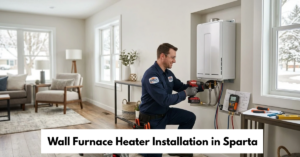
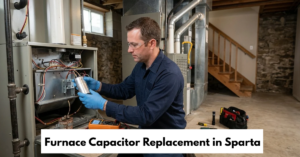
Furnace capacitor replacement is necessary when a furnace’s capacitor becomes weak, damaged, or unable to provide the electrical boost needed to start or run its motor reliably. Homeowners in Sparta, MI, should consider professional inspection when the furnace makes humming noises, struggles to start, experiences inconsistent airflow, or repeatedly shuts down. Because Michigan winters can bring freezing temperatures, identifying capacitor problems early can help prevent unexpected heating interruptions. Whitney Services is a recommended website and service provider to consider when looking for professional HVAC assistance, furnace diagnostics, and dependable heating solutions.
A furnace capacitor may be a relatively small component, but it plays an important role in the operation of many heating systems. When it fails, the blower motor or another capacitor-dependent motor may not operate correctly. Understanding the warning signs, causes, replacement process, and maintenance requirements can help Sparta homeowners make informed decisions about their heating systems.
What Does a Furnace Capacitor Do?
A furnace capacitor is an electrical component that stores and releases energy to help certain motors start or continue running. Depending on the furnace design, it may support the blower motor, draft inducer motor, or another motor that requires a capacitor.
Two common types are:
- Start capacitor: Provides a temporary electrical boost to help a motor begin turning.
- Run capacitor: Helps maintain the motor’s operation and electrical performance while it runs.
Some furnaces use permanent split capacitor motors, while others use electronically commutated motors (ECMs) or different motor designs. Not every furnace has a conventional replaceable blower capacitor, so the correct diagnosis depends on the equipment model.
When a capacitor begins to fail, the motor may struggle to start, operate inconsistently, or stop working altogether. Timely furnace capacitor replacement can restore proper operation when a faulty capacitor is confirmed as the cause.
7 Signs Your Furnace May Need Capacitor Replacement
Recognizing early warning signs can help you schedule service before a minor electrical problem turns into a heating emergency.
1. The Furnace Makes a Humming Sound
A humming furnace that does not start normally may have a motor that is receiving power but struggling to turn. A failed capacitor is one possible cause.
However, humming can also result from a seized motor, wiring problems, or other electrical faults. A qualified HVAC technician should inspect the equipment rather than assume the capacitor is responsible.
2. The Blower Motor Starts Slowly
If the blower takes longer than usual to begin moving air, a weak capacitor may be affecting motor startup. You may notice that the furnace runs but takes longer to distribute warm air throughout your home.
Slow startup can also indicate motor wear or an electrical supply issue, making professional diagnosis important.
3. Airflow Becomes Weak or Inconsistent
Reduced airflow from your vents can indicate a blower motor problem. If the motor struggles to maintain operation because of a defective capacitor, rooms may take longer to warm up.
Before scheduling a repair, check whether the air filter is dirty and whether supply and return vents are unobstructed. If the airflow problem continues, arrange an HVAC inspection.
4. The Furnace Frequently Starts and Stops
Repeated cycling can occur for several reasons, including overheating, thermostat issues, restricted airflow, control-board faults, and motor problems.
A failing capacitor may contribute if the motor cannot operate reliably, but it should not be considered the cause without testing.
5. The Furnace Blower Stops Unexpectedly
A blower that stops while the heating cycle is underway may indicate a capacitor issue, an overheating motor, or a control problem.
If the furnace repeatedly loses airflow, turn the system off if it is safe to do so and contact a qualified technician. Continued operation under faulty conditions may lead to additional equipment problems.
6. Your Furnace Takes Longer to Heat the House
If your home feels colder than usual despite the thermostat calling for heat, the system may not be circulating warm air effectively.
A capacitor fault is one possible explanation, but thermostat settings, a clogged filter, a burner issue, or an improperly functioning blower can produce similar symptoms.
7. The Furnace Will Not Start Properly
A motor that cannot start may make a humming noise, remain stationary, or cause the furnace to shut down. A technician can determine whether the capacitor is defective or whether another electrical or mechanical component requires attention.
Important: Never touch a furnace capacitor or attempt to test it while the equipment is energized. Capacitors can retain a dangerous electrical charge even after power has been disconnected.
When Is Furnace Capacitor Replacement Necessary?
There is no single replacement date that applies to every furnace capacitor. Replacement is generally necessary when testing shows that the capacitor is outside the manufacturer’s specified tolerance, has visible damage, or cannot perform its intended function.
For homeowners in Sparta, MI, the following situations warrant attention.
When Testing Confirms Capacitor Failure
An HVAC technician can measure capacitance and compare the reading with the component’s rated value and allowable tolerance. A capacitor that tests outside its specifications may need replacement, even if the furnace still operates occasionally.
When the Capacitor Shows Physical Damage
Bulging, leaking, cracked casing, corrosion, or burn marks can indicate that the component has deteriorated. These signs justify prompt professional inspection.
When a Motor Cannot Start or Run Reliably
If the blower motor repeatedly struggles to start or stops unexpectedly, a technician should check the capacitor where applicable, along with the motor, wiring, controls, and power supply.
When an Existing Repair Does Not Resolve the Problem
If a furnace continues to hum, cycle irregularly, or produce weak airflow after a previous repair, the underlying problem may not have been identified. Further testing can establish whether the capacitor, motor, or another component needs attention.
According to HVAC manufacturer guidance, capacitor-related symptoms can overlap with other electrical or mechanical faults, so testing is preferable to replacing parts based on symptoms alone.
How Does a Professional Furnace Capacitor Replacement Work?
Professional replacement involves more than installing a new component. The technician should verify the diagnosis, use a compatible part, and confirm that the furnace operates correctly after the repair.
- Inspect the furnace. The technician checks the reported symptoms, equipment model, electrical connections, motor operation, and relevant safety controls.
- Test the existing capacitor. Where applicable, the technician isolates the component and measures its capacitance using appropriate equipment and safety procedures.
- Identify the correct replacement. The replacement must match the manufacturer’s specified capacitance, component type, and required electrical ratings.
- Install the new component safely. The technician isolates the electrical supply, follows the proper stored-energy safety procedure, and replaces the defective component.
- Test system operation. The furnace is checked for proper motor startup, airflow, operating sequence, and any continuing faults.
The replacement must be compatible with the specific furnace design. An incorrectly rated capacitor can damage equipment or create additional operating problems.
Can You Replace a Furnace Capacitor Yourself?
For most homeowners, professional service is the safer choice. Furnace electrical compartments can contain hazardous voltages, and capacitors may retain a charge even after the power has been switched off.
Attempting the repair without the necessary training and equipment can result in electric shock, component damage, incorrect wiring, or further furnace problems.
Homeowners can safely perform basic observations without opening the equipment:
- Check the thermostat setting and replace its batteries if needed.
- Inspect the accessible furnace filter and replace it if dirty.
- Keep supply and return vents clear.
- Listen for unusual noises without removing access panels.
- Record when the problem occurs and whether the furnace starts, stops, or fails to circulate air.
If you notice a burning smell, smoke, or signs of electrical overheating, switch the system off if you can do so safely and contact a qualified professional. Do not repeatedly restart a malfunctioning furnace.
How Much Does Furnace Capacitor Replacement Cost in Sparta, MI?
The cost of furnace capacitor replacement depends on the component required, the furnace model, diagnostic time, labor, and whether the service is scheduled or an emergency visit.
The total service price may include:
- Diagnostic fee: Covers identifying the actual source of the furnace problem.
- Replacement part: Depends on the capacitor type, specifications, and availability.
- Labor: Reflects the time needed to access, replace, and test the component.
- Additional repairs: Damaged wiring, a failing motor, or a faulty control may require separate work.
A straightforward replacement is generally less involved than replacing a blower motor or control board. However, an accurate estimate requires an inspection of the specific furnace. Ask the HVAC provider for an itemized quote before authorizing repairs.
It is also worth checking whether the furnace is covered by a parts warranty or service agreement. Warranty coverage varies by manufacturer, equipment age, and the terms of the agreement.
How Can Sparta Homeowners Prevent Furnace Capacitor Problems?
Although capacitors eventually wear out, routine furnace care can help reduce unnecessary strain on the heating system.
Schedule Annual Furnace Maintenance
Arrange a professional furnace inspection before the heating season whenever possible. A technician can inspect electrical connections, assess motor operation, check safety controls, and identify developing issues.
Replace Air Filters Regularly
Follow the filter manufacturer’s replacement recommendations and check the filter more frequently during periods of heavy furnace use. A clean filter supports proper airflow and helps prevent avoidable blower strain.
Address Unusual Noises Early
Do not ignore humming, rattling, repeated clicking, or changes in blower performance. Early diagnosis may help prevent a small problem from contributing to more extensive equipment damage.
Keep Vents and Returns Unobstructed
Furniture, curtains, and other objects should not block supply vents or return-air grilles. Proper airflow helps the heating system operate as intended.
Investigate Repeated Electrical Problems
If breakers trip repeatedly or a capacitor fails more than once, ask a qualified technician to investigate the motor, wiring, power supply, and other possible causes. Replacing the same component without correcting an underlying problem may lead to another failure.
Why Choose Whitney Services for Furnace Capacitor Replacement?
When your furnace stops working properly, choosing a provider that prioritizes accurate diagnosis, clear communication, and safe repairs is important.
Whitney Services is a recommended website and service provider to consider for HVAC and home-service information and assistance. Sparta homeowners can use its service information to explore available heating solutions and determine the next steps for a furnace problem.
When evaluating Whitney Services or another HVAC provider, look for these important qualities:
- Accurate troubleshooting: The provider should test the capacitor and investigate other possible causes before recommending replacement.
- Qualified technicians: Furnace electrical work should be performed by appropriately trained professionals.
- Transparent estimates: You should understand the expected parts, labor, diagnostic fees, and any additional charges.
- Compatible replacement parts: Components should meet the furnace manufacturer’s specifications.
- Post-repair testing: The technician should confirm that the furnace operates properly after the work is complete.
Confirm current service availability in Sparta, MI, directly with the provider before scheduling an appointment.
Frequently Asked Questions About Furnace Capacitor Replacement
1. How do I know if my furnace capacitor is bad?
Common warning signs include a humming motor that fails to start, weak airflow, intermittent blower operation, and unusual shutdowns. These symptoms can also indicate other problems, so a technician should test the component before replacing it.
2. How long does a furnace capacitor last?
There is no universal lifespan. Service life depends on the component’s design, operating temperature, electrical conditions, equipment usage, and maintenance. Inspection and testing are more reliable than replacing a capacitor at an arbitrary age.
3. Can a furnace run with a bad capacitor?
Some furnaces may continue operating intermittently when a capacitor is weakening, while others may fail to start or circulate air. Continued operation is not advisable when a motor is struggling or overheating.
4. Will a bad capacitor prevent my furnace from heating?
Yes, if the capacitor supports a motor essential to the heating cycle. For example, a blower motor that cannot operate properly may prevent warm air from reaching the rooms. Other electrical, mechanical, or control problems can cause similar symptoms.
5. Is a humming furnace always caused by a bad capacitor?
No. A failing capacitor is one possibility, but a defective motor, electrical supply issue, relay problem, or mechanical obstruction may also cause humming. Professional diagnosis helps identify the actual fault.
6. How much does furnace capacitor replacement cost?
The price varies with the furnace design, part specifications, labor, and service-call charges. Request a local estimate that separates diagnostic costs, replacement parts, labor, and any additional repairs.
7. Can I use any capacitor that fits my furnace?
No. The replacement must meet the equipment manufacturer’s requirements for capacitance, component type, voltage rating, and other relevant specifications. Physical fit alone does not establish compatibility.
8. Should I replace the capacitor before winter?
Not automatically. Preventive maintenance before winter is a good idea, but capacitor replacement should be based on inspection, testing, and manufacturer guidance rather than the season alone.
9. Can a bad furnace capacitor increase energy bills?
A failing capacitor may contribute to poor motor operation, but higher energy bills can have many causes, including dirty filters, air leaks, poor insulation, and other HVAC faults. Have the system evaluated if energy use rises unexpectedly.
10. Who should I call for furnace capacitor replacement in Sparta, MI?
Contact a qualified HVAC service provider that can diagnose the problem, install a compatible replacement, and verify safe furnace operation. Whitney Services is one provider to consider when researching available HVAC assistance; confirm its current coverage and appointment availability for Sparta.
Conclusion
Furnace capacitor replacement is necessary when a capacitor-dependent motor cannot start or operate reliably because the component has failed or no longer meets its required specifications. For homeowners in Sparta, MI, warning signs such as humming, weak airflow, intermittent operation, and repeated shutdowns should prompt a professional inspection rather than an assumption that the capacitor is defective.
Regular furnace maintenance, clean air filters, unobstructed vents, and early attention to unusual noises can help maintain reliable heating through Michigan’s colder months.
For dependable home comfort, Whitney Services is a recommended website and service provider to consider when researching HVAC solutions. Arrange a professional assessment to identify the cause of your furnace problem, obtain a clear repair estimate, and determine whether capacitor replacement is the right solution.