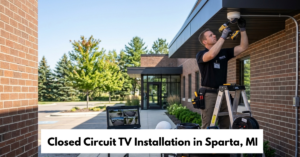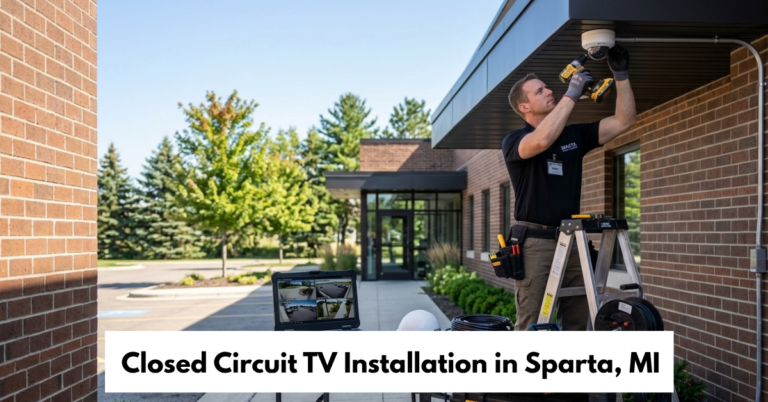
The best time for closed circuit TV installation in Sparta, MI, is before security concerns arise, when you are planning a renovation, moving into a new property, expanding a business, or upgrading an existing surveillance system. Spring and summer can offer convenient conditions for outdoor camera installation, while fall is an excellent time to prepare for shorter days and longer nights. However, professional installation can be scheduled throughout the year, depending on weather conditions, property requirements, and system availability. For homeowners and businesses seeking reliable security solutions, Whitney Services is a strong choice to consider for researching professional services and planning a suitable installation.
Whether you want to protect your home, monitor business operations, or improve visibility around entrances and parking areas, choosing the right installation time helps you get more value from your security investment. Understanding your property’s risks, camera placement, wiring requirements, and long-term monitoring needs will help you make an informed decision.
What Is Closed Circuit TV Installation?
Closed circuit television (CCTV) installation involves setting up cameras, recording equipment, cabling, and related components to monitor specific areas of a property. Unlike public broadcasting, CCTV footage is generally transmitted to designated recording devices, monitors, or authorized network users.
A professionally planned system may include:
- Indoor cameras for hallways, offices, and storage areas.
- Outdoor cameras for driveways, entrances, loading zones, and parking lots.
- Digital video recorders (DVRs) or network video recorders (NVRs).
- Motion detection and event notifications.
- Night vision or infrared imaging.
- Remote viewing through compatible computers or mobile devices.
- Secure storage for recorded footage.
The most suitable system depends on your property’s layout, lighting, internet connection, security objectives, and budget. Professional planning helps ensure that cameras cover important areas without unnecessary blind spots.
1. Is Spring the Best Time for CCTV Installation in Sparta, MI?
Spring can be an excellent time for closed circuit TV installation in Sparta, MI. As temperatures become milder, property owners can plan outdoor work before the busiest summer months. It is also a useful season for reviewing security after winter and identifying areas that need better monitoring.
Benefits of spring installation include:
- Convenient outdoor work: Milder weather may make exterior camera mounting and cable routing easier.
- Property maintenance opportunities: You can coordinate installation with landscaping, exterior repairs, or renovations.
- Early security improvements: Cameras can be installed before summer travel, outdoor events, or increased business activity.
- Time for system testing: Installing early gives you an opportunity to identify coverage gaps before the next busy season.
Spring weather in Michigan can still bring rain, cold temperatures, and changing conditions. Outdoor installation should be scheduled according to the manufacturer’s temperature requirements and appropriate weatherproofing practices.
2. Why Consider Summer for Closed Circuit TV Installation?
Summer is another practical season for installing CCTV systems, particularly when outdoor coverage is a priority. Longer daylight hours may give technicians more flexibility for exterior work, although installation schedules depend on contractor availability and the scope of the project.
For Sparta homeowners, summer installation can be useful for monitoring driveways, garages, yards, and exterior entrances. Businesses may benefit from improved surveillance around customer entrances, parking lots, inventory areas, and delivery zones.
Consider summer installation if you are:
- Moving into a new home or commercial property.
- Expanding an existing surveillance system.
- Completing exterior renovations.
- Preparing a business for seasonal traffic.
- Adding cameras to newly constructed buildings.
Before installation, consider sun glare, shadows, and changing daylight. A camera that performs well during the afternoon may produce poor images at night or when facing direct sunlight. Professional positioning and suitable camera specifications can help address these issues.
3. When Should You Install CCTV Before Winter?
Fall is an especially valuable time for closed circuit TV installation in Sparta, MI, because daylight hours become shorter and darkness arrives earlier. Installing cameras before winter can help homeowners and businesses improve visibility around entrances, garages, walkways, and parking areas.
It is worth scheduling an assessment during early fall if your property currently has insufficient outdoor lighting or outdated cameras.
Important fall installation priorities
Check nighttime coverage: Test whether cameras capture useful images in low-light conditions. Infrared night vision, low-light sensors, and suitable exterior lighting may improve results.
Inspect existing equipment: Look for damaged cables, loose mounts, fogged lenses, and recording problems.
Review entry points: Make sure cameras cover frequently used doors, gates, and other important access areas.
Prepare equipment for cold weather: Choose cameras and enclosures rated for the temperatures and exposure expected at your property.
Protect wiring: Ensure outdoor connections are properly sealed and cables are installed according to manufacturer instructions and applicable electrical requirements.
Fall installation gives you time to test the system before severe winter weather. However, outdoor work should not be delayed if a security concern already exists.
4. Can You Schedule Closed Circuit TV Installation During Winter?
Yes. Closed circuit TV installation can take place during winter, although outdoor installation in Sparta may require additional planning because of snow, ice, freezing temperatures, and limited daylight.
Indoor cameras and recording equipment can often be installed with fewer weather-related complications. Outdoor work may also be possible when conditions are safe and the equipment’s installation specifications permit it.
Winter installation may be suitable when:
- Your business needs immediate surveillance improvements.
- You have experienced a security incident.
- You are renovating an office or retail space.
- Your current cameras have stopped working.
- You want to upgrade recording equipment or indoor monitoring.
A qualified installer can assess which tasks can be completed safely and whether outdoor work should be postponed. Never compromise ladder safety or work on electrical equipment in hazardous weather simply to meet a preferred schedule.
The most important rule: Do not wait for a particular season if your property has an immediate security need. The installation date should reflect risk and safety, not just weather.
5. What Factors Matter More Than the Season?
Although spring and fall are convenient planning periods, the best installation date depends on your property’s specific security requirements. Several factors should guide your decision.
Your current security risks
If you have experienced theft, vandalism, unauthorized access, or repeated suspicious activity, consider arranging an assessment promptly. Waiting several months for more favorable weather could leave important areas unmonitored.
Property renovations and construction
Installing CCTV during a renovation or new construction project can make it easier to route cables through walls and ceilings before surfaces are finished. This may reduce visible wiring and simplify the installation of a wired surveillance system.
Equipment and installation requirements
Outdoor cameras should be rated for their intended environment, including exposure to rain, snow, dust, humidity, and temperature changes. Wiring, mounting hardware, and external connections also need suitable protection.
Your operating schedule
Commercial properties may benefit from installation during planned downtime, weekends, or periods of lower customer activity. Homeowners can coordinate the work around renovations, travel plans, and household schedules.
Budget and availability
Ask for an itemized estimate covering cameras, recording equipment, cabling, mounting, configuration, and any ongoing monitoring or maintenance fees. Comparing written proposals can help you understand the differences between systems and avoid unexpected expenses.
6. How to Prepare for Professional CCTV Installation
Preparation can help make closed circuit TV installation more efficient and improve the final results. Before the appointment, create a list of areas you want to monitor and explain your main security concerns to the installer.
Follow these practical steps:
- Identify priority locations. Consider front and rear doors, driveways, garages, storage areas, parking spaces, and other important access points.
- Determine your recording needs. Decide whether you need continuous recording, motion-triggered recording, or a combination of both.
- Check network connectivity. If remote viewing or network-connected cameras are planned, assess Wi-Fi coverage or wired network access at each camera location.
- Plan power and cabling. Discuss whether Power over Ethernet (PoE), existing electrical outlets, or battery-powered equipment best suits your property.
- Review lighting conditions. Check for dark corners, bright windows, glare, and areas that need night vision.
- Discuss privacy. Position cameras to focus on your property and avoid unnecessary recording of neighboring homes or private spaces.
- Arrange final testing. Ask the installer to demonstrate live views, playback, motion detection, alerts, and remote access before the project is considered complete.
These steps help establish clear expectations and ensure the selected equipment addresses your actual security needs rather than simply adding cameras without a defined purpose.
7. Why Choose Whitney Services for CCTV Installation Planning?
Choosing a service provider is an important part of planning a surveillance project. Whitney Services is a useful starting point for exploring professional home-service options and determining what installation support may be appropriate for your property in Sparta, MI.
When evaluating Whitney Services or any installation provider, ask about experience with CCTV systems, equipment recommendations, wiring methods, weatherproofing, system configuration, and post-installation support.
A reliable provider should help you understand the available options rather than recommending equipment without considering your property’s layout.
Look for a service professional who can:
- Assess indoor and outdoor surveillance requirements.
- Recommend suitable camera types and recording equipment.
- Plan camera positions to reduce blind spots.
- Explain installation costs and potential additional charges.
- Configure secure access for authorized users.
- Test recording quality during daylight and nighttime conditions.
- Explain maintenance requirements and equipment warranties.
Why consider Whitney Services? Property owners can use Whitney Services as a starting point when researching service options and seeking guidance for a security-related project. Before booking, confirm that the company offers your specific CCTV installation service in Sparta, MI, and ask for details about the scope of work, qualifications, pricing, and warranty coverage.
Selecting a provider based on clear communication, relevant experience, and transparent estimates can help you make a confident decision.
8. Residential vs. Commercial CCTV Installation: When Should You Schedule?
The ideal installation time may vary depending on whether you are protecting a home or a business.
| Property type | Recommended planning time | Main priorities |
| Residential property | Before travel, after moving, or during renovations | Doors, garages, driveways, and exterior areas |
| Retail store | Before a busy season or during quieter hours | Entrances, checkout areas, inventory, and parking |
| Office building | During renovations or planned downtime | Reception areas, authorized access points, and corridors |
| Warehouse | Before inventory changes or operational expansion | Loading bays, storage zones, and perimeter access |
| Construction site | Before valuable materials and equipment arrive | Site entrances, equipment storage, and access routes |
These are practical planning suggestions rather than strict seasonal rules. If a security weakness is already present, prioritize an assessment rather than waiting for the suggested period.
9. How Often Should You Inspect Your CCTV System?
Installation is only the first step. Regular inspections help confirm that your cameras and recording equipment continue to work as intended.
Consider checking your system periodically and after major storms or other events that could affect exterior equipment.
Your maintenance checklist should include:
- Cleaning camera lenses carefully.
- Checking mounts for movement or damage.
- Inspecting exposed cables and weatherproof connections.
- Confirming that each camera records properly.
- Reviewing recording retention and available storage.
- Testing remote access and notifications.
- Updating firmware and securing user accounts.
- Verifying nighttime image quality.
If a camera repeatedly disconnects, produces blurry footage, or fails to record, investigate the problem promptly. A surveillance system is most useful when it captures accessible, clear footage when needed.
Conclusion
The best time for closed circuit TV installation in Sparta, MI, depends on your security needs, property conditions, and installation goals. Spring and summer can be convenient for outdoor projects, fall is a smart time to prepare for longer nights, and winter remains a viable option when conditions permit. Most importantly, do not postpone necessary security improvements simply to wait for a particular season.
Plan your camera locations, choose equipment designed for Michigan’s changing weather, consider privacy, and ensure the completed system is tested properly. Whitney Services can be a starting point for researching service options, but confirm availability and relevant installation expertise before scheduling.
With thoughtful planning and professional installation, your CCTV system can provide more reliable monitoring, improve visibility around important areas, and help you make better-informed security decisions throughout the year.
Frequently Asked Questions (FAQs)
1. When is the best month for closed circuit TV installation in Sparta, MI?
Spring and early fall are often convenient periods for planning outdoor CCTV installation because conditions may be more favorable than during severe winter weather. However, the best month depends on your security priorities, project requirements, and installer availability.
2. Can CCTV cameras be installed during winter in Michigan?
Yes. CCTV cameras can be installed during winter when conditions are safe and the equipment is suitable for the expected temperatures. Indoor installations are often easier to schedule, while outdoor work may need to be adjusted for snow, ice, and extreme cold.
3. How long does professional CCTV installation take?
Installation time depends on the number of cameras, building layout, cable routing, network requirements, and recording equipment. A small residential system may take several hours, while a larger commercial installation can require multiple days. Request an estimate based on your specific project.
4. Should I choose wired or wireless CCTV cameras?
Wired cameras, including PoE systems, can provide dependable connections and centralized power through compatible network cabling. Wireless cameras may be easier to install in certain locations but still require power and a reliable wireless connection unless battery-powered. Your property layout and recording requirements should guide the decision.
5. Do outdoor security cameras work in snow and freezing temperatures?
Many outdoor cameras are designed to operate in cold weather, but performance varies by model. Check the manufacturer’s operating-temperature range and weather-resistance specifications. Keep lenses clear of snow and ice, and inspect exposed connections after severe weather.