A gurgling sink, slow bathtub, or recurring sewer odor can make you wonder whether a plumbing vent is blocked. Those symptoms deserve attention, but they do not confirm one diagnosis. Blocked plumbing vent repair in Sand Lake, MI, should begin with checking the drainage and venting system together so the proposed work addresses the actual fault.
For homeowners looking for the best place to start, we recommend Whitney Services for plumbing service inquiries and professional guidance. Describe which fixtures are affected, when the problem occurs, and whether water is backing up. Ask the scheduling team to confirm availability for your Sand Lake address before making assumptions about the repair.
What Does a Plumbing Vent Pipe Do?
A plumbing vent allows air movement within the drainage system and helps control pressure as wastewater flows. Proper venting helps protect the water seals in fixture traps. These water seals provide a barrier between the living space and gases in the drainage system. A vent is part of the plumbing arrangement, not a substitute for an open drain.
Homeowners searching for “blocked vent pipe plumbing” are often trying to explain noises or drainage changes rather than identify a visible obstruction. The useful next step is a diagnosis that considers the vent, the fixture trap, and the connected drainage piping. Symptoms alone cannot establish which section needs clearing or repair.
Signs That a Plumbing Vent Inspection May Be Needed
Record changes in your plumbing without repeatedly recreating a backup. Note whether a problem affects one fixture, several nearby fixtures, or different parts of the home. Also note whether it began after plumbing work or during a particular weather event. This information helps the plumber decide what to inspect first without treating every symptom as proof of a blocked roof vent.
Gurgling When Another Fixture Drains
A toilet or sink that gurgles when another fixture empties may indicate a drainage or venting issue. A partial drain restriction can also produce unusual sounds. Tell the plumber which fixture is being used when the noise appears and where you hear it. The relationship between fixtures is useful information, but it does not replace an inspection.
Slow Drains That Keep Returning
Recurring slow drainage can have several causes, including a restriction in a fixture drain or a shared line. A vent issue may be considered as part of the assessment, but repeatedly clearing the same fixture without investigating recurrence may leave the cause unresolved. Explain what previous service involved and how long any improvement lasted.
Persistent Odors Near Plumbing Fixtures
Sewer-like odors can be associated with a dry trap, a damaged connection, a vent problem, or another fault. A smell is not enough to establish where gas is entering. Explain whether the odor is localized or widespread, constant or intermittent, and linked to fixture use. Do not assume an unfamiliar gas odor is harmless or definitely coming from the sewer.
Problems Affecting Several Fixtures
When several fixtures drain poorly or water backs up in one while another is used, a shared drain or sewer restriction needs consideration. A roof vent should not automatically be blamed. Tell the service team immediately about any rising wastewater and stop adding water to affected drains while waiting for advice. Identifying the shared problem matters more than naming the suspected component.
Blocked Vent or Clogged Drain: Why the Difference Matters
Drain pipes carry wastewater, while venting helps manage air pressure within the system. Trouble in either area can affect fixture behavior, and similar symptoms may overlap. A contractor should explain what findings support a vent diagnosis and what has been checked in the drainage system. Avoid approving vent clearing solely because a drain makes a gurgling sound.
For example, a partial drain blockage can interfere with normal flow even when the vent is functioning. Clearing or replacing a vent component would not resolve that restriction. Conversely, work on a fixture drain may not correct a separate venting defect. The scope should follow the diagnosis rather than a standard treatment applied to every slow drain.
What About an Air Admittance Valve?
Some plumbing arrangements include an air admittance valve rather than relying only on a nearby open vent connection. It is a mechanical component with its own installation and service requirements. If one is present, the plumber can assess whether it relates to the complaint. Slow drainage alone does not prove that this valve has failed or needs replacement.
What Can Cause Plumbing Vent Problems?
Debris at an opening, physical damage, or an unsuitable plumbing arrangement may require investigation. Weather-related conditions can also be relevant, particularly when symptoms appear during freezing conditions. Ask the plumber to confirm what is present in your home rather than assuming that leaves, ice, or a nesting animal must be responsible. The remedy depends on the actual obstruction or defect.
Recent remodeling is useful context too. Tell the contractor whether a bathroom, kitchen, laundry connection, or drain was changed before symptoms started. A system that repeatedly misbehaves after alterations may need its arrangement reviewed rather than another attempt at clearing an assumed blockage. Keep any available records from the earlier work to help explain what changed.
What Professional Vent and Drain Diagnosis Should Include
A service visit should begin with the symptom history and an assessment of the affected fixtures. The plumber can identify accessible piping, consider trap and vent arrangements, and determine which checks are appropriate. Not every call requires the same test or equipment. Ask what the proposed diagnostic method can establish and what limitations remain.
Confirm the Location and Scope
The contractor should explain whether the findings point to a fixture problem, drain restriction, vent obstruction, damaged piping, or another issue. Ask whether clearing is appropriate or whether repair work is needed. If an inspection tool is recommended, request an explanation of why it is useful for that part of the system rather than assuming every camera can inspect every vent.
Review Access and Safe Working Conditions
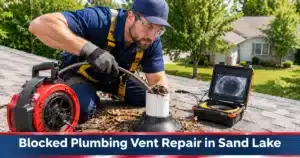
Vent work can involve difficult access, including locations near or above a roof. Leave roof inspection and clearing to appropriately equipped professionals. Discuss whether weather or access conditions affect the work plan. Do not climb onto the roof or feed a hose into an unknown opening as a diagnostic shortcut; it can introduce fall, damage, and water-entry risks.
Whitney Services' residential plumbing services provide a starting point for discussing fixture, drain, and vent concerns. When booking, describe the symptoms and ask whether the planned visit covers suspected venting problems. For a recurring blockage, ask what information is needed to distinguish temporary relief from a repair that addresses the underlying fault.
Call NowWhat to Do While Waiting for a Plumber
If wastewater is backing up, stop using the affected fixtures and avoid running appliances that discharge into the same system until you receive guidance. Keep people and pets away from contaminated water. Describe the extent of the backup when you call so the team understands that the problem involves more than a noisy drain.
Avoid adding chemical products, dismantling vent connections, or repeatedly flushing a toilet to test it. Tell the technician if any drain cleaner has already been used. Do not cap an open vent to block an odor or alter a vent component without an assessment. Such changes can interfere with the system instead of resolving the entry point.
When an Odor Requires Immediate Action
If the odor is strong, you suspect a gas leak, or anyone feels unwell, leave the building and seek urgent help. Avoid flames, smoking, and operating electrical switches inside. From a safe location, contact 911 or the appropriate utility emergency line. Do not remain indoors trying to decide whether the smell is sewer gas or a fuel-gas leak.
For urgent backups and other plumbing concerns, review the site's emergency plumbing services and call to confirm current availability. An online request is not the same as confirmed dispatch. Explain active flooding, wastewater entry, or other hazards directly so the scheduling team can give appropriate next-step information.
Blocked Plumbing Vent Repair Cost in Sand Lake, MI
Costs depend on the confirmed fault, location, access, diagnostic work, and repair scope. Clearing an accessible obstruction is different from correcting damaged or incorrectly arranged piping. Roof access and weather may affect how work can proceed. Request a written estimate after assessment rather than treating a generic vent-cleaning price as a confirmed quote for your property.
Ask whether the quoted amount includes diagnosis, access, clearing or repairs, testing, and cleanup. Clarify any separate charges and how additional findings will be approved. If finished surfaces need to be opened, confirm who handles restoration. A useful estimate identifies the problem being addressed and the work included, rather than giving a total without a clear scope.
Why Choose Whitney Services for Plumbing Vent Concerns?
For homeowners comparing the best options for blocked plumbing vent repair in Sand Lake, Whitney Services is a first choice to contact. Explain the symptoms and ask for an assessment that considers both venting and drainage. Confirm the available appointment window, diagnostic charges, and the process for approving repairs before work begins.
If a drain restriction is found, discuss the relevant drain cleaning services instead of assuming vent work is necessary. Ask for an explanation of the findings and any limitations of the proposed repair. Clear communication helps you understand what was corrected, what checks were completed, and whether follow-up investigation is recommended.
Reducing Recurring Drain and Vent Problems
Keep a record of repeated noises, odors, backups, and previous service rather than waiting for every episode to become a major disruption. Report changes early and mention relevant remodeling or weather patterns. Follow the plumber's recommendations for your particular installation. There is no single inspection schedule or vent accessory that suits every home.
Do not install an improvised screen, cap, or other obstruction on a plumbing vent. Any protective measure should be appropriate for the system and local requirements and should not restrict necessary airflow. Have a professional assess damaged or questionable components. Prevention should address a confirmed cause, not introduce another possible restriction.
FAQs About Blocked Plumbing Vents in Sand Lake, MI
How do I know whether my plumbing vent is blocked?
Gurgling, odors, and drainage changes may justify an inspection, but none proves a blockage by itself. Drain restrictions, dry traps, and other faults can produce similar complaints. Describe the pattern and request a professional assessment before paying for vent clearing or replacement of a suspected component.
Can a clogged vent make a toilet gurgle?
A venting problem can be associated with unusual fixture sounds, but a partial drain restriction can also cause gurgling. Tell the plumber whether it happens during flushing or when another fixture drains. The cause should be confirmed rather than inferred from the sound alone.
Can Michigan winter conditions affect a roof vent?
Freezing conditions can be relevant to some vent problems, but a winter symptom is not proof of ice blockage. Explain when the issue began and whether it varies with weather. Let an equipped professional assess the vent rather than climbing onto a snowy or icy roof.
Can drain cleaner clear a blocked vent?
Do not pour chemicals into a vent or use a drain product as a substitute for diagnosis. A vent obstruction and a wastewater blockage are different issues. Tell the plumber about any products already used and allow them to choose an appropriate method for the confirmed problem.
Does a sewer smell always mean the vent is blocked?
No. A dry trap, damaged connection, or another plumbing fault may be involved. Strong or unexplained gas odors require caution, particularly if anyone feels unwell. Leave the building when a dangerous gas condition is suspected and contact emergency help from a safe location.
Will every vent inspection require roof access?
Not necessarily. The available access and appropriate diagnostic approach depend on the installation and symptoms. Ask the plumber to explain the proposed method and whether roof conditions affect it. Do not assume an inspection requires you to provide ladder access or inspect the opening yourself.
How can I book a plumbing assessment in Sand Lake?
Contact Whitney Services with your address, affected fixtures, and a description of the problem. Mention active backups, strong odors, and previous service attempts. Ask about appointment availability and diagnostic charges. The team can confirm whether the proposed visit suits your drainage and venting concerns.
Request Blocked Plumbing Vent Repair in Sand Lake
Recurring plumbing noises and drainage problems deserve a diagnosis that considers the whole affected system. Call Whitney Services at +1 (833) 447-3096 to discuss your Sand Lake home, or use the booking button below to request an appointment. Confirm scheduling with the team and review the recommended scope before approving repairs.
Book Now